

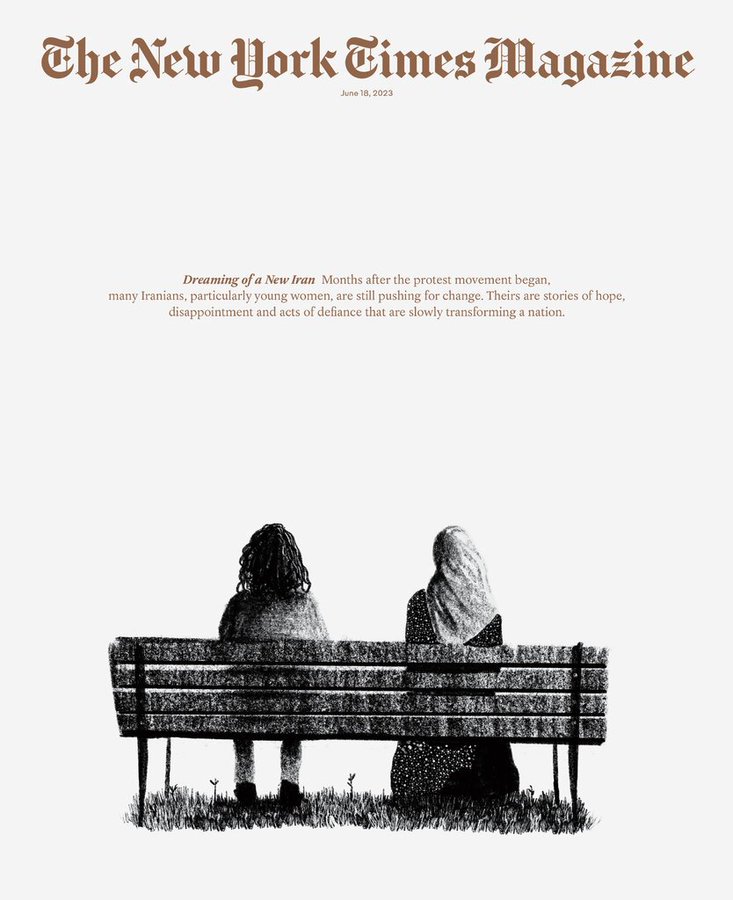

THE NEW YORK TIMES MAGAZINE (June 16, 2023) – Three young Iranian women share their diaries; plus, a profile of the YouTube superstar MrBeast; and inside the moral crisis of America’s doctors.
The Moral Crisis of America’s Doctors

The corporatization of health care has changed the practice of medicine, causing many physicians to feel alienated from their work.
By Eyal Press
Some years ago, a psychiatrist named Wendy Dean read an article about a physician who died by suicide. Such deaths were distressingly common, she discovered. The suicide rate among doctors appeared to be even higher than the rate among active military members, a notion that startled Dean, who was then working as an administrator at a U.S. Army medical research center in Maryland. Dean started asking the physicians she knew how they felt about their jobs, and many of them confided that they were struggling. Some complained that they didn’t have enough time to talk to their patients because they were too busy filling out electronic medical records.
How MrBeast Became the Willy Wonka of YouTube

Jimmy Donaldson, a.k.a. MrBeast, has become a viral sensation for his absurd acts of altruism. Why do so many people think he’s evil?
Even within this context, Donaldson stands out for his dedication to understanding how YouTube works. For most of his teenage years, “I woke up, I studied YouTube, I studied videos, I studied filmmaking, I went to bed and that was my life,” Donaldson once told Bloomberg. “I hardly had any friends because I was so obsessed with YouTube,” he said on “The Joe Rogan Experience” last year.






 Facing shortages of critical equipment, medical workers must make life-or-death decisions about who receives care. WSJ’s Joe Palazzolo reports from an emergency room that’s running short on ventilators, and Chris Weaver explains the plans hospitals are putting in place to decide who gets them.
 In this video, best-selling author Abraham Verghese, MD, discusses the origins of the study he coauthored identifying 5 practices that foster meaningful connections between physicians and patients.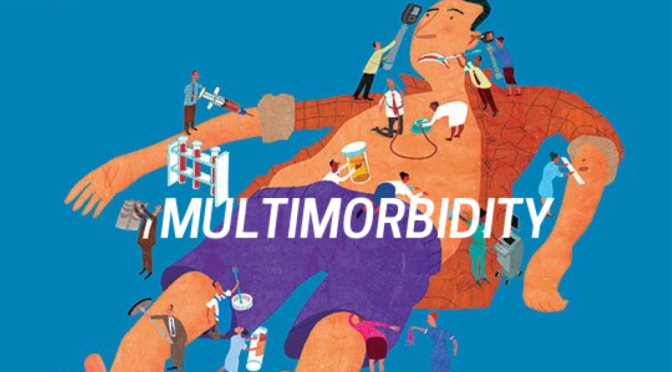
 The proportion of patients who have two or more medical conditions simultaneously is, however, rising steadily. This is currently termed multimorbidity, although patient groups prefer the more intuitive “multiple health conditions.” In high income countries, multimorbidity is mainly driven by age, and the proportion of the population living with two or more diseases is steadily increasing because of demographic change. This trend will continue.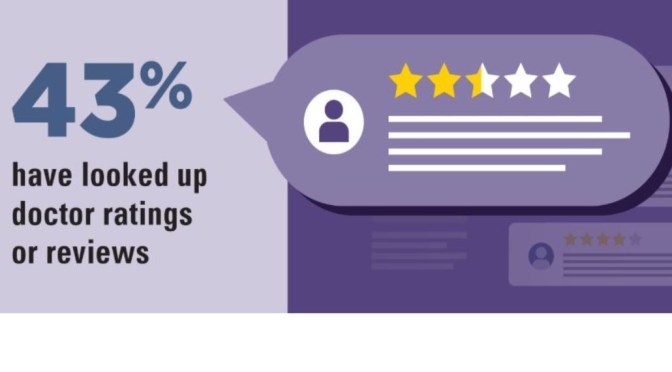
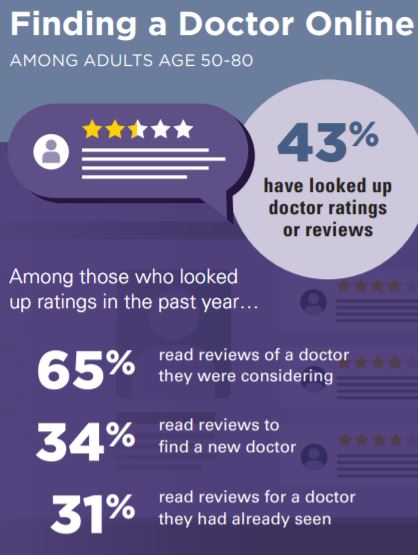 Among older adults age 50–80, 43% had ever reviewed doctor ratings; 14% had reviewed ratings more than once in the past year, 19% had done so once in the past year, and 10% had reviewed ratings more than one year ago.
 Ratings and reviews for nearly everything can be found online these days, including doctors. How are older adults using these ratings in their decisions about choosing doctors? In May 2019, the University of Michigan National Poll on Healthy Aging asked a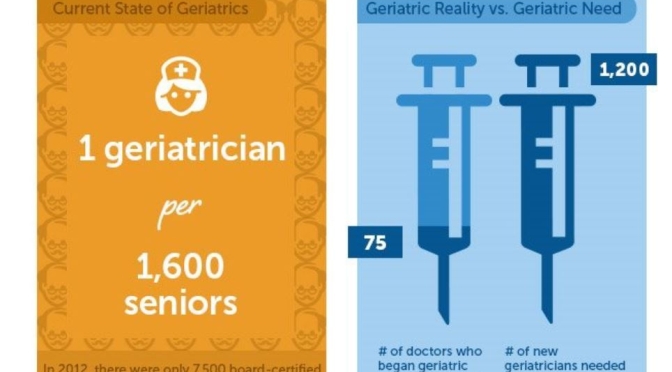
 If one geriatrician can care for 700 patients with complicated medical needs,
  Boomers Daily