

See the process involved in casting a bronze figure – from the creation of a wax model through to the final sculpture. Find out more about sculpture: https://www.vam.ac.uk/collections/scu…
Tag Archives: History
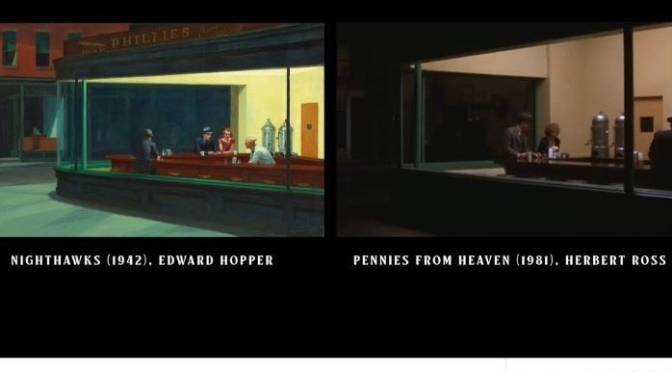
Art & The Movies: Paintings That Inspired Great Films
This video is a visual representation on how film directors create movies or movie scenes influenced by famous paintings.
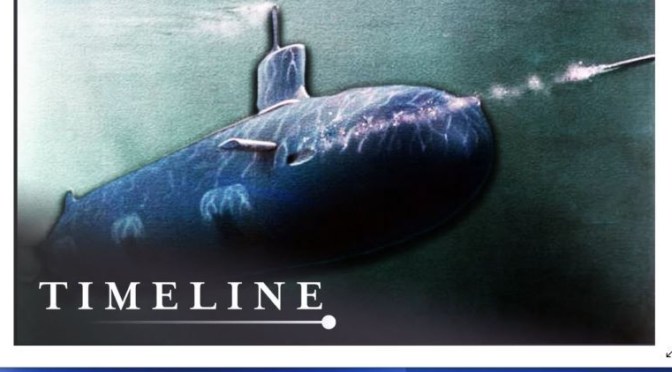
Military Videos: ‘History Of Submarine Combat’
From silent one-man midget subs to U-boats on secret missions, both sides used secret submersibles of all shapes and sizes to conduct clandestine warfare in the war. An examination of the murky world of underwater “sneak craft” in WWII.
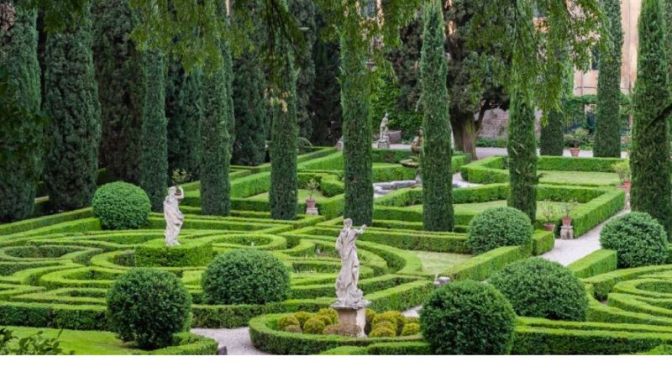
Italian Gardens: ‘Giardino Giusti in Verona’ and ‘Villa Fracanzan Piovene’ near Vicenza – “Shakespearean”
Giardino Giusti in Verona and Villa Fracanzan Piovene: The centuries-old Italian gardens that evoke the romance of Romeo and Juliet.
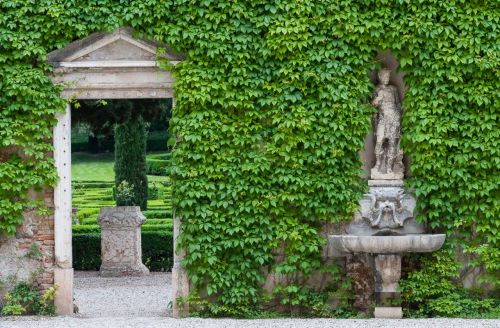


The name Giusti has been synonymous with one of Italy’s most celebrated Renaissance gardens since the late 16th century. Originally wool-dyers from Prato in Tuscany, the Giusti family had moved its business north in the previous century, settling in an unglamorous industrial suburb of Verona. Within a few generations, its members were rich and had also acquired the requisite antiquarian and artistic tastes of true Renaissance gentlefolk.
The garden created by Agostino Giusti between 1565 and 1580 was intended to fulfil various functions. It had to showcase his collection of Roman inscriptions and to serve as a setting for the lavish theatrical and musical productions—the predecessors of opera—then in vogue. To this day, the garden retains the surprise element of a stage set, presenting a magnificent and entertaining spectacle that totally confounds one’s expectations of a city garden.
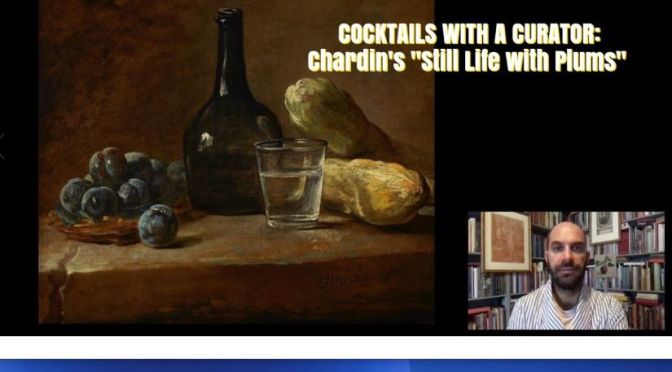
Cocktails With A Curator: ‘Chardin’s “Still Life With Plums”‘ (The Frick Video)
In this week’s episode of “Cocktails with a Curator,” join Deputy Director and Peter Jay Sharp Chief Curator Xavier F. Salomon as he explores the magical brushstrokes of the first still life painting to enter The Frick Collection—one that will be very familiar to devotees of this series. Acquired at the end of World War II by the museum’s trustees, Jean-Siméon Chardin’s “Still Life with Plums” is a beautiful example of the artist’s skilled portrayal of light refracted and reflected by everyday objects. Xavier has paired this episode with a Gin Martini with a twist.
To view this painting in detail, please visit our website: https://www.frick.org/chardinstilllife
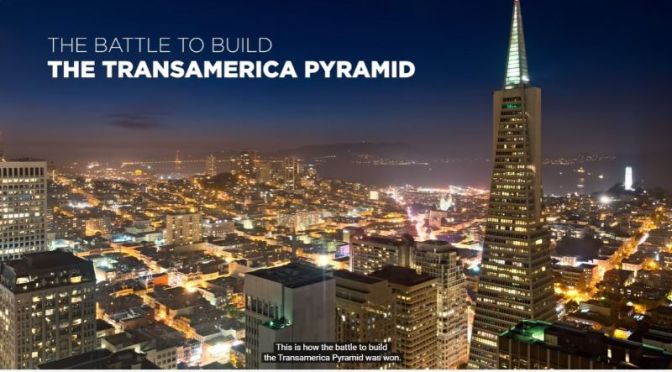
Buildings: ‘Battle To Build Transamerica Pyramid’ – San Francisco, 1969 (Video)
Unwelcome when it was first proposed, San Francisco’s Transamerica Pyramid has overcome public opinion, economics and the extreme challenges of its location to become one of the world’s most famous buildings.
Full story here – https://www.theb1m.com/video/the-batt…
The Transamerica Pyramid at 600 Montgomery Street between Clay and Washington Streets in the Financial District of San Francisco, California, United States, is a 48-story futurist building and the second-tallest skyscraper in the San Francisco skyline.

History: ‘Constantine’s Death Splits The Roman Empire’ (Smithsonian)
Constantine’s death would drive a crack through the Roman Empire, splitting it into West and East. Over the next several hundred years, parts of it would even fall to foreign invaders. But a new capital would rise to take its place: Constantinople.
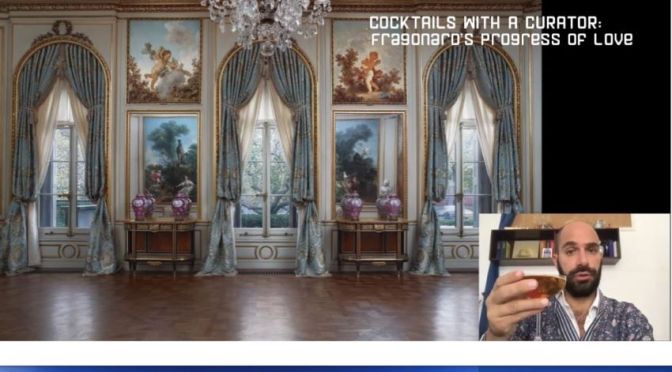
Cocktails With A Curator: ‘Fragonard’s Progress Of Love, Part II’ (Frick Video)
In this week’s episode of “Cocktails with a Curator,” Deputy Director and Peter Jay Sharp Chief Curator Xavier F. Salomon maps the century-long journey of Jean Honoré Fragonard’s Progress of Love series from Paris to Provence to London to New York. Fragonard’s career faltered because of his association with the ancien régime, and the Progress of Love was in many respects his last great accomplishment before he died in penury in 1806. In 2021, visitors will be able to experience three of the canvases for the first time in decades when the series is displayed in its entirety at Frick Madison. For today’s episode, Xavier has paired this fourteen-canvas parable of love with a mixed drink suitable for the occasion, a brandy-spiked Champagne Cocktail.
To view these objects in detail, please visit our website: https://www.frick.org/progressloveSHOW LESS
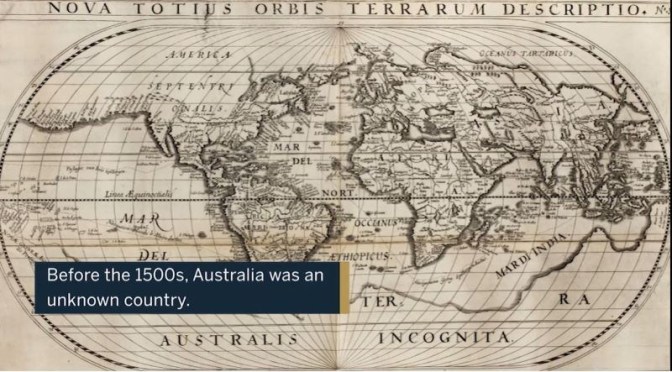
World History: ‘Mapping The Adventures Of The First Explorers’ (Video)
The quest to discover the unchartered globe began in earnest In the 1500s. In this episode of Sotheby’s Stories, discover how European explorers took to the seas founding new lands and new species, revealing the true shape of the world. Curated by global explorer Jean-Paul Morin, this unique collection of century-old treasures takes us back to when the world and its inhabitants were being revealed for the first time. Offered in Sotheby’s upcoming auction Jamais Perdu en Mer (Paris | 14 October 2020).
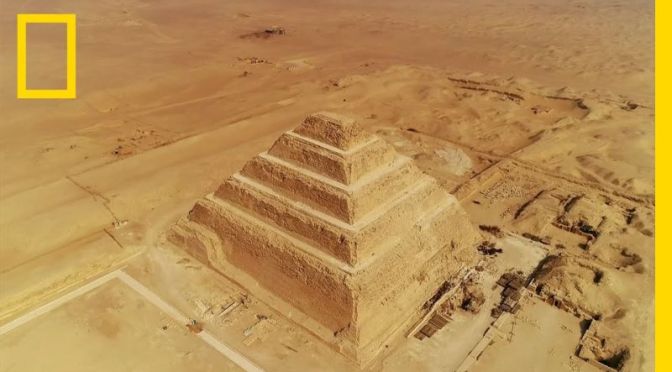
Archaeology Video: ‘Why Ancient Egyptians Ceased Building The Pyramids’
Egyptologists explore why the ancient Egyptians only built these massive structures for a few centuries in their vast 3,000 year history.
 Boomers Daily