
From a Penguin Random House release:
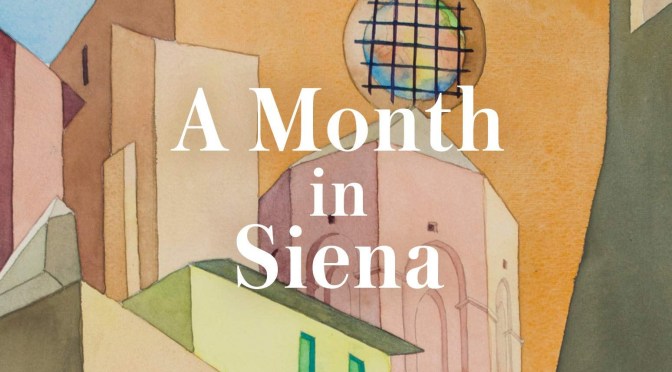
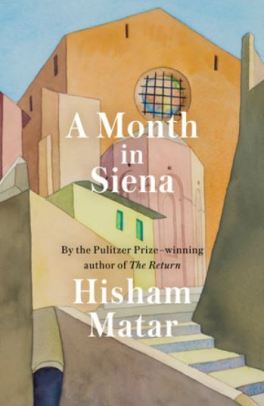 Including beautiful full-color reproductions of the artworks, A Month in Siena is about what occurred between Matar, those paintings, and the city. That month would be an extraordinary period in the writer’s life: an exploration of how art can console and disturb in equal measure, as well as an intimate encounter with a city and its inhabitants. This is a gorgeous meditation on how centuries-old art can illuminate our own inner landscape—current relationships, long-lasting love, grief, intimacy, and solitude—and shed further light on the present world around us.
From the Pulitzer Prize–winning author of The Return comes a profoundly moving contemplation of the relationship between art and life.
Listen to an excerpt below:
After finishing his powerful memoir The Return, Hisham Matar, seeking solace and pleasure, traveled to Siena, Italy. Always finding comfort and clarity in great art, Matar immersed himself in eight significant works from the Sienese School of painting, which flourished from the thirteenth to the fifteenth centuries. Artists he had admired throughout his life, including Duccio and Ambrogio Lorenzetti, evoke earlier engagements he’d had with works by Caravaggio and Poussin, and the personal experiences that surrounded those moments.
To read more: https://www.penguinrandomhouse.com/books/609913/a-month-in-siena-by-hisham-matar/

 In its heyday, dynamite was a transformative tool; it could blast rock quarries, excavate tunnels, and demolish buildings with power and reliability never before seen. But it also proved to be useful in some surprising ways. In this special episode of Sidedoor, we team up with the history podcast Backstory to explore two less-typical applications of the explosive: the artistic blasting at Mount Rushmore, and how anarchists used dynamite to advance their political agenda in 1886.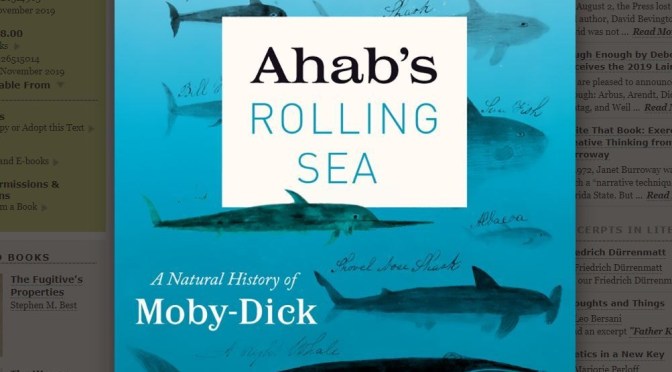
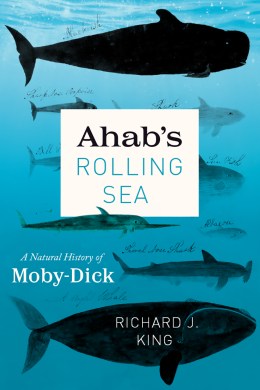 A revelation for Moby-Dick devotees and neophytes alike, Ahab’s Rolling Sea is a chronological journey through the natural history of Melville’s novel. From white whales to whale intelligence, giant squids, barnacles, albatross, and sharks, Richard J. King examines what Melville knew from his own experiences and the sources available to a reader in the mid-1800s, exploring how and why Melville might have twisted what was known to serve his fiction. King then climbs to the crow’s nest, setting Melville in the context of the American perception of the ocean in 1851—at the very start of the Industrial Revolution and just before the publication of On the Origin of Species.
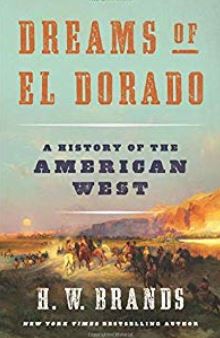 The so-called winning of the West is one of the fundamental dramas in American history, and Mr. Brands makes the most of his subject by quoting extensively from the participants’ own accounts. In his chapters on Lewis and Clark, he cites the explorers’ descriptions of the daunting cataracts on the Missouri and Columbia rivers and their reaction on reaching their goal.
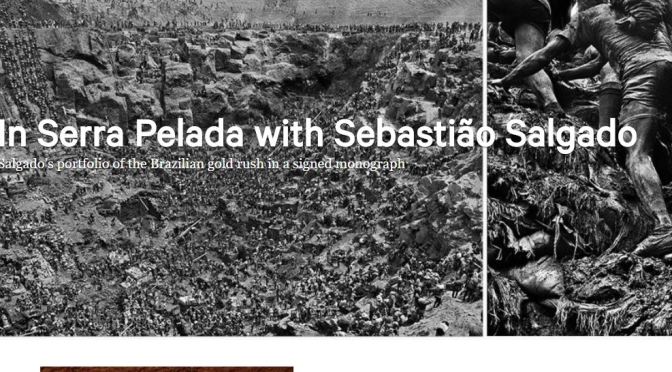
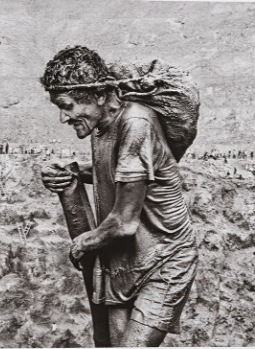 “Salgado’s photographs project an immediacy that makes them vividly contemporary. We know that the mine at Serra Pelada is now closed, yet the intense drama of the gold rush leaps out of these images.”
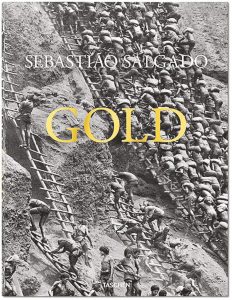 some 50,000 diggers in appalling conditions. Today, Brazil’s gold rush is merely the stuff of legend, kept alive by a few happy memories, many pained regrets—and
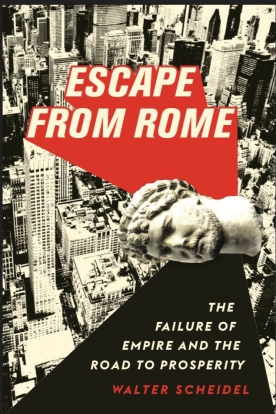 The fall of the Roman Empire has long been considered one of the greatest disasters in history. But in this groundbreaking book, Walter Scheidel argues that Rome’s dramatic collapse was actually the best thing that ever happened, clearing the path for Europe’s economic rise and the creation of the modern age. Ranging across the entire premodern world, Escape from Rome offers new answers to some of the biggest questions in history: Why did the Roman Empire appear? Why did nothing like it ever return to Europe? And, above all, why did Europeans come to dominate the world?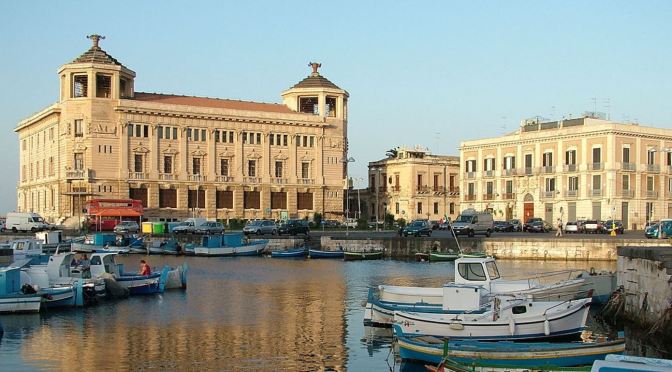
 A passeggiata, or evening walk, around the perimeter of Ortigia reveals many notable structures and stories. Start from the Parco Letterario Elio Vittorini, on the eastern side, and head clockwise. As waves crash against the rocks below the sea wall, you’ll pass crenelated lookout points and the chiseled facade of the 17th-century Chiesa dello Spirito Santo, before finding yourself in the palm-planted gardens of the 13th-century Castello Maniace.
 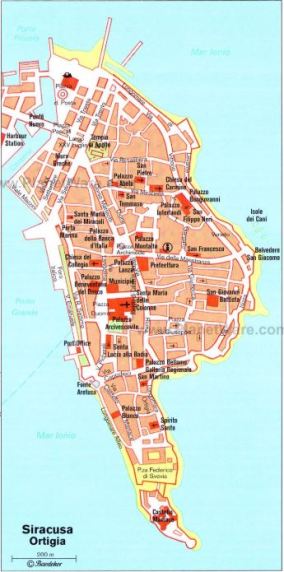 Ithe southeastern Sicilian city that Cicero called “the greatest and most beautiful of all Grecian cities” achieved a size and status in the ancient world that made it a rival of major powers like Athens and Carthage. Takeovers and makeovers by Romans, Byzantines, North Africans, Normans and others left their marks as well, influencing everything from religious art to the region’s distinctive savory-sweet-sour cooking style. Much of the ancient city has crumbled since Cicero’s day, though the ruins can still be explored in Syracuse’s celebrated archaeological park and museum. But the main attraction today is the historical center of Syracuse: Ortigia island, a maze of narrow streets, ornate Baroque churches and centuries-old palazzi.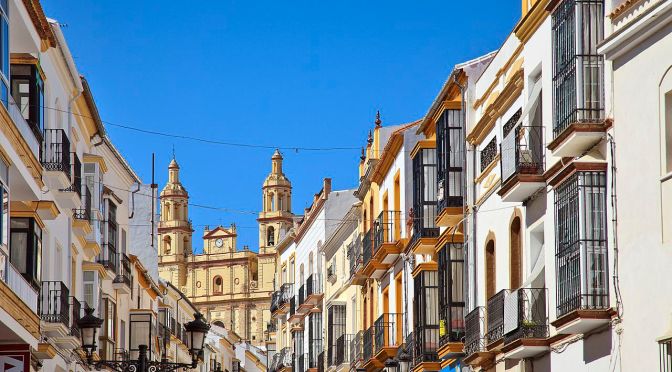
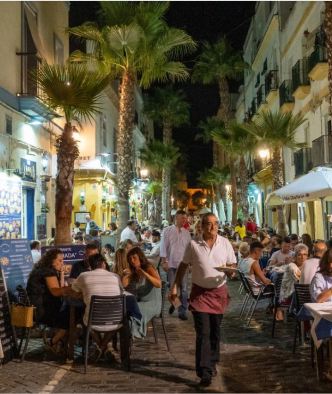 One of the reasons the province of Cádiz is on this year’s 52 Places list is food, as chefs in the area are innovating with pork and fish, the base ingredients here. I tried out a few of the white-tablecloth joints, but came away remembering the noisy, cheap tapas bars that have been around forever.
 Boomers Daily