Migraine disease affects 47 million Americans — 75 percent of whom are women. Although headache is one symptom, attacks can include visual disturbances, nausea, extreme light and sound sensitivity, brain fog and debilitating pain. Stigma and gender stereotypes may complicate the medical response, treatments aren’t one-size-fits-all and federal funding is minimal. Stephanie Sy reports.
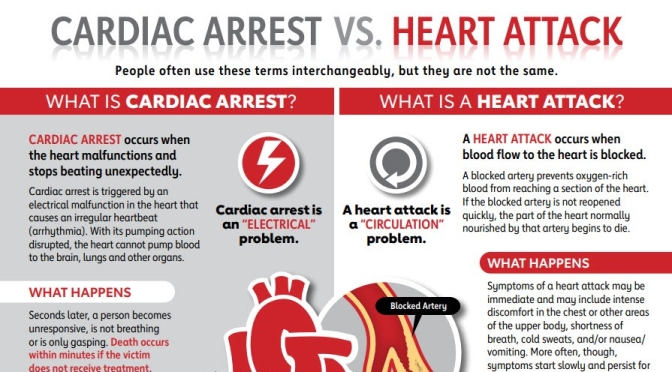
From a “Circulation: Heart Failure” Journal study (Feb 25, 2020):
The study shows that wearable sensors coupled with machine learning analytics have predictive accuracy comparable to implanted devices.
We demonstrate that machine learning analytics using data from a wearable sensor can accurately predict hospitalization for heart failure exacerbation…at a median time of 6.5 days before the admission.
Heart failure (HF) is a major public health problem affecting >23 million patients worldwide. Hospitalization costs for HF represent 80% of costs attributed to HF care. Thus, accurate and timely detection of worsening HF could allow for interventions aimed at reducing the risk of HF admission.
Data collected by the sensor are streamed to a phone and then encrypted and uploaded to a cloud analytics platform.
Several such approaches have been tested. Tracking of daily weight, as recommended by current HF guidelines, did not lead to reduction of the risk of HF hospitalization, most likely because the weight gain is a contemporaneous or lagging indicator rather than a leading event. Interventions based on intrathoracic impedance monitoring also did not result in reduction of readmission risk. The results suggest that physiological parameters other than weight or intrathoracic impedance in isolation may be needed to detect HF decompensation in a timely manner. In fact, 28% reduction of rehospitalization rates has been shown with interventions based on pulmonary artery hemodynamic monitoring. More recently, in the MultiSENSE study (Multisensor Chronic Evaluation in Ambulatory HF Patients), an algorithm based on physiological data from sensors in the implantable cardiac resynchronization therapy defibrillators, was shown to have 70% sensitivity in predicting the risk of HF hospitalization or outpatient visit with intravenous therapies for worsening of HF.
As we head into South Carolina’s primary and gear up for Super Tuesday, the 2020 candidates are looking to stand out to voters. But perhaps no policy proposal has marked this election more than Sen. Bernie Sanders’s push for Medicare for All.
While the Democratic candidates agree on expanding health coverage, they’re divided on how to insure everyone, whether to insure everyone, and, of course, how to pay for it all.
So how are they similar? How are they different? And how does that compare to President Trump?
Rachana Pradhan, correspondent for Kaiser Health News; Noam Levey, national healthcare reporter for The LA Times; and Dan Diamond, health reporter for Politico and host of the “Pulse Check” podcast helped us break down where each candidate stood on health care.
The National Diabetes Statistics Report is a periodic publication of the Centers for Disease Control and Prevention (CDC) that provides updated statistics about diabetes in the United States for a scientific audience. It includes information on prevalence and incidence of diabetes, prediabetes, risk factors for complications, acute and long-term complications, deaths, and costs. These data can help focus efforts to prevent and control diabetes across the United States.
On the Mayo Clinic Radio program, Dr. Derek Lomas, a Mayo Clinic urologist, discusses prostate cancer, including a new biopsy method.
This interview originally aired Feb. 22, 2020. Prostate cancer is the second most common cancer — second to skin cancer — among men in the U.S. One in 9 men will be diagnosed with prostate cancer in his lifetime, according to the American Cancer Society. Screening is important because early detection greatly improves the chances of survival. While some types of prostate cancer grow slowly, and may need minimal or even no treatment, other types are aggressive and can spread quickly. If prostate cancer is suspected, a biopsy can confirm the diagnosis.
We suggest this increase in mortality seen on DR in the 4-day switch treatment is due to either accrued physiological costs or more probable, a carryover of deaths directly resulting from the rich diet, but recorded on the DR diet.
A closer examination of the timing of mortality within the 4-day switching paradigm showed that the mortality response was strongest in the second 48 hours after exposure to both DR and rich diets.
Ageing has attracted extensive scientific interest, from both a fundamental and biomedical perspective. Dietary restriction (DR) extends health and life span across taxa, from baker’s yeast to mice, with very few exceptions (1, 2). The reduction in total calories—or restriction of macronutrients, such as protein—extends life span reliably (3–5). Although the precise universal mechanisms that connect DR to ageing remain elusive, translation of DR’s health benefits to human medicine is deemed possible. The widespread assumption of DR’s translational potential originates from the notion that DR’s beneficial effects are facilitated by shared evolutionary conserved mechanisms, as beneficial effects of DR are observed across taxa.
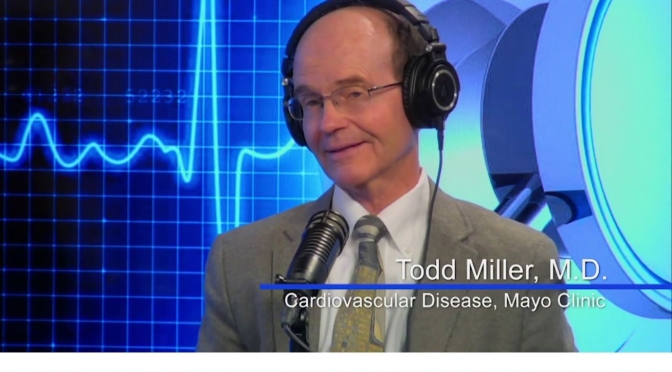
On the Mayo Clinic Radio program, Dr. Todd Miller, a Mayo Clinic cardiologist, explains how exercise affects the heart. This interview originally aired Feb. 22, 2020. Learn more about exercise and the heart: https://www.mayoclinic.org/healthy-li…
From a JAMA Network Open online release (February 21, 2020):
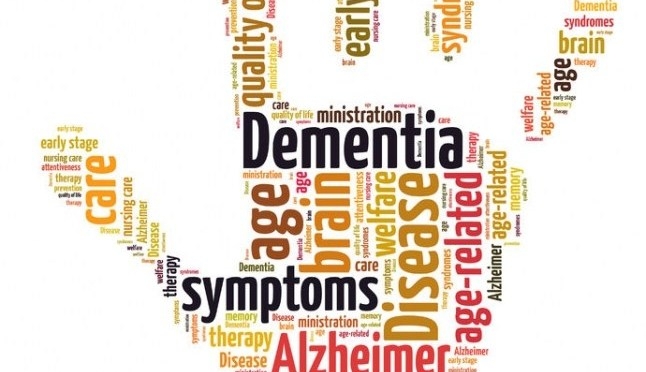
Across the 6 studies of 8699 participants, mean age ranged between 70 and 74 years and mean gait speed ranged between 1.05 and 1.26 m/s. Incident dementia ranged from 5 to 21 per 1000 person-years. Compared with usual agers, participants with only memory decline had 2.2 to 4.6 times higher risk for developing dementia…
Those with only gait decline had 2.1 to 3.6 times higher risk. Those with dual decline had 5.2 to 11.7 times the risk…
Impaired mobility, such as slow gait, is associated with an increased risk of dementia, but the effect size of this association is generally modest.1–6 Identifying persons who experience both mobility decline and memory decline, a main symptom in the early stage of dementia, may have a greater prognostic value in assessing risk of dementia because the combination could identify a group in whom gait speed decline is at least in part caused by neurodegenerative pathologic conditions of the central nervous system rather than local musculoskeletal problems, such as sarcopenia or osteoarthritis.7–9 A recent study of 154 participants with mild cognitive impairment reported that those who declined in both cognition and gait speed had the highest risk of dementia.


 The study shows that wearable sensors coupled with machine learning analytics have predictive accuracy comparable to implanted devices.

 As we head into South Carolina’s primary and gear up for Super Tuesday, the 2020 candidates are looking to stand out to voters. But perhaps no policy proposal has marked this election more than Sen. Bernie Sanders’s push for Medicare for All.
 The National Diabetes Statistics Report is a periodic publication of the Centers for Disease Control and Prevention (CDC) that provides updated statistics about diabetes in the United States for a scientific audience. It includes information on prevalence and incidence of diabetes, prediabetes, risk factors for complications, acute and long-term complications, deaths, and costs. These data can help focus efforts to prevent and control diabetes across the United States.


 We suggest this increase in mortality seen on DR in the 4-day switch treatment is due to either accrued physiological costs or more probable, a carryover of deaths directly resulting from the rich diet, but recorded on the DR diet.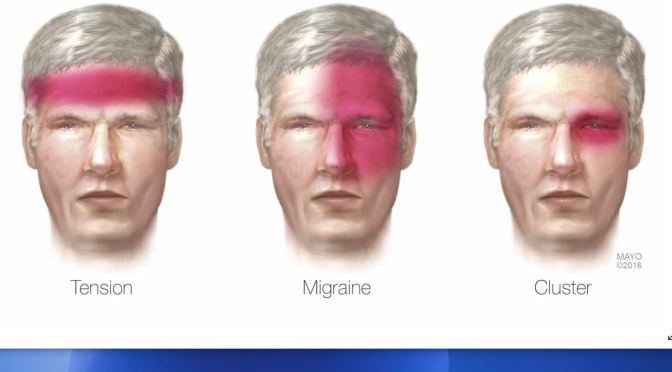
 Across the 6 studies of 8699 participants, mean age ranged between 70 and 74 years and mean gait speed ranged between 1.05 and 1.26 m/s. Incident dementia ranged from 5 to 21 per 1000 person-years. Compared with usual agers, participants with only memory decline had 2.2 to 4.6 times higher risk for developing dementia…
  Boomers Daily