


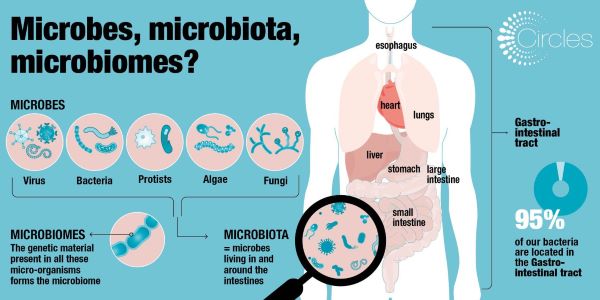
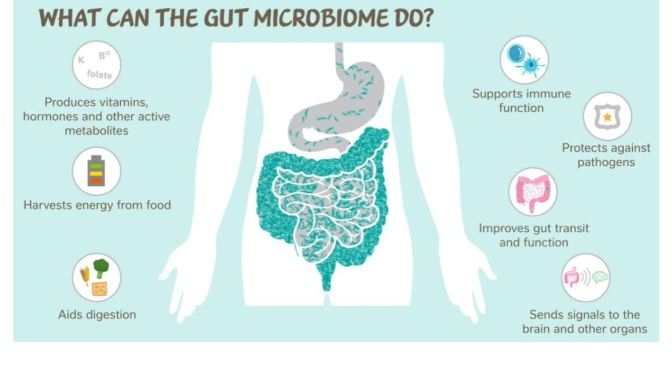
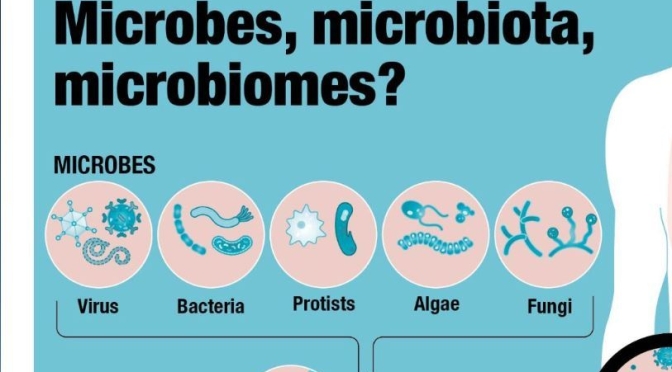
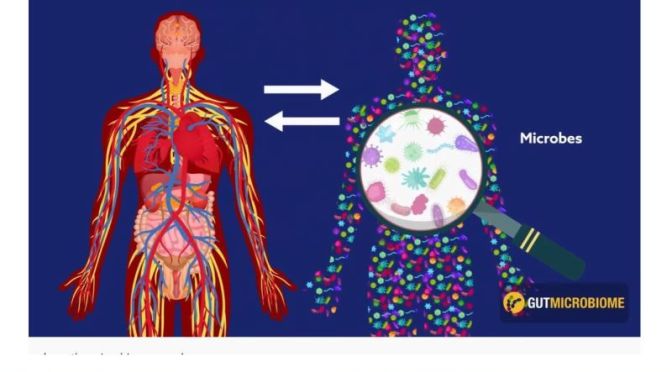
Microbiomes are complex microbial ecosystems, and amongst those found in and on human body, gut microbiome is the most complex. It performs important functions, and is increasingly recognized as a key element influencing long-life health. Specific nutritional components, such as prebiotics and probiotics, can be used to shape healthy gut microbiome. Nestlé Research has made significant contributions in this field for over 30 years.
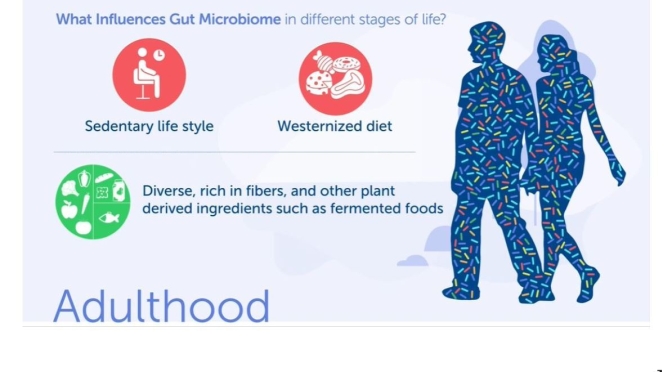
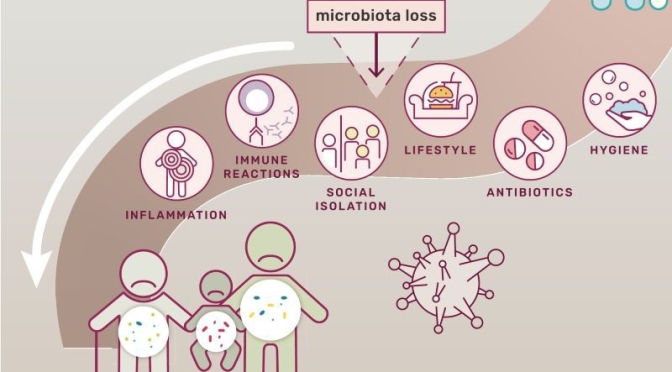
The microbiota is a dynamic community that evolves through the lifetime of an individual, being influenced by multiple factors. Nutrition is essential in the process of establishing a healthy gut microbiome, with a key role of breastfeeding in early months, and important role of diverse diet to stimulate maturation of diverse gut microbiome.
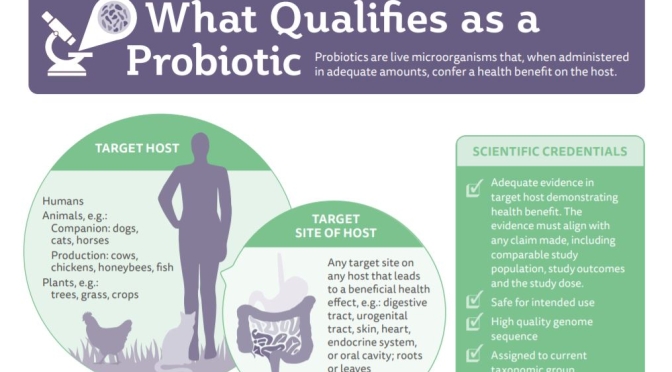
Prebiotics, probiotics and synbiotics are key tools to boost the development of an age-appropriate microbiota and its related benefits, like healthy immune development and a basis for a resilient microbiota throughout life.
Do you have good or bad microbiome? Or do you have the microbiome you deserve?
Gut Microbiome, the new Open Access journal from Cambridge University Press and The Nutrition Society has published its first papers, including the animated abstract above from the paper: Hill, C. (2020) “You have the microbiome you deserve,” Gut Microbiome, Cambridge University Press, 1, p. e3.
Access the paper here: https://bit.ly/3bFOjc7

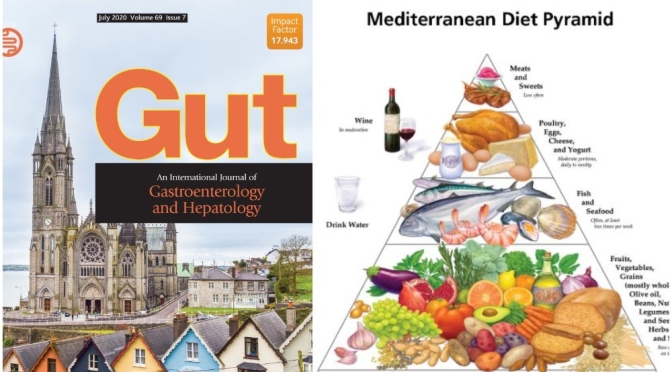
We observed that increased adherence to the MedDiet modulates specific components of the gut microbiota that were associated with a reduction in risk of frailty, improved cognitive function and reduced inflammatory status.
Dr Philip Smith, Digital and Education Editor of Gut and Consultant Gastroenterologist at the Royal Liverpool Hospital interviews Professor Paul O’Toole; who is Professor of Microbial Genomics, Head of School of Microbiology and Principal Investigator in APC Microbiome Ireland, an SFI funded centre at University College Cork, Ireland, on “Mediterranean diet intervention alters the gut microbiome in older people reducing frailty and improving health status: the NU-AGE 1-year dietary intervention across 5 European countries” published in paper copy in Gut in July 2020.
Microbiome expands the genetic and functional capacity of its human host. Susan Lynch explains that human microbiome develops early in life and that gut microbes shape immune function and relate to disease outcomes in childhood.
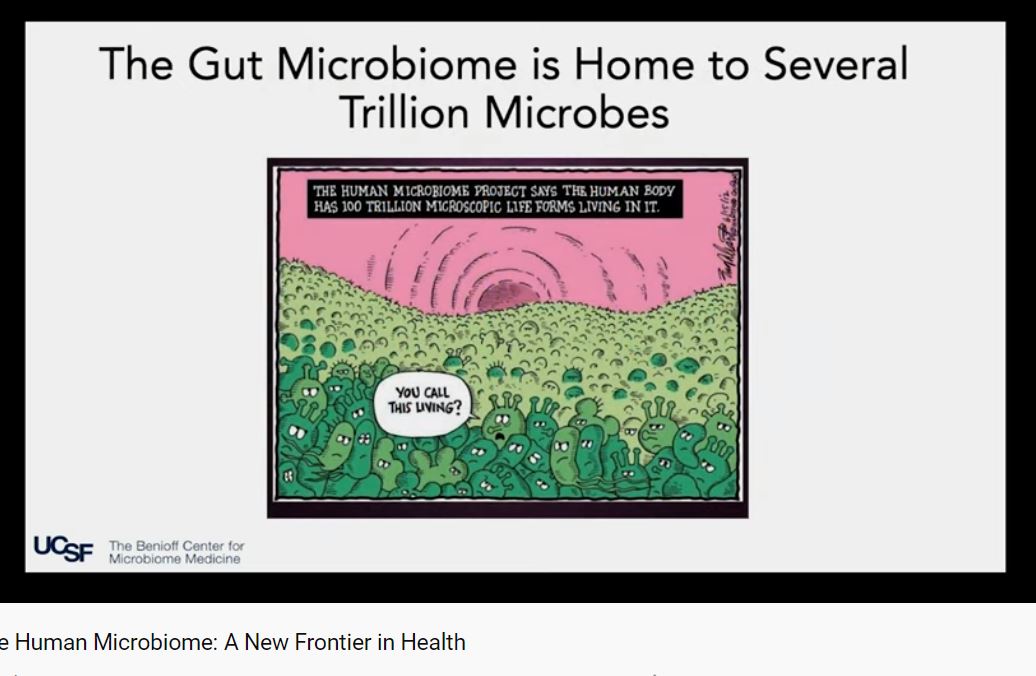
She also explores next-generation microbiome therapeutics and research.





 Boomers Daily