
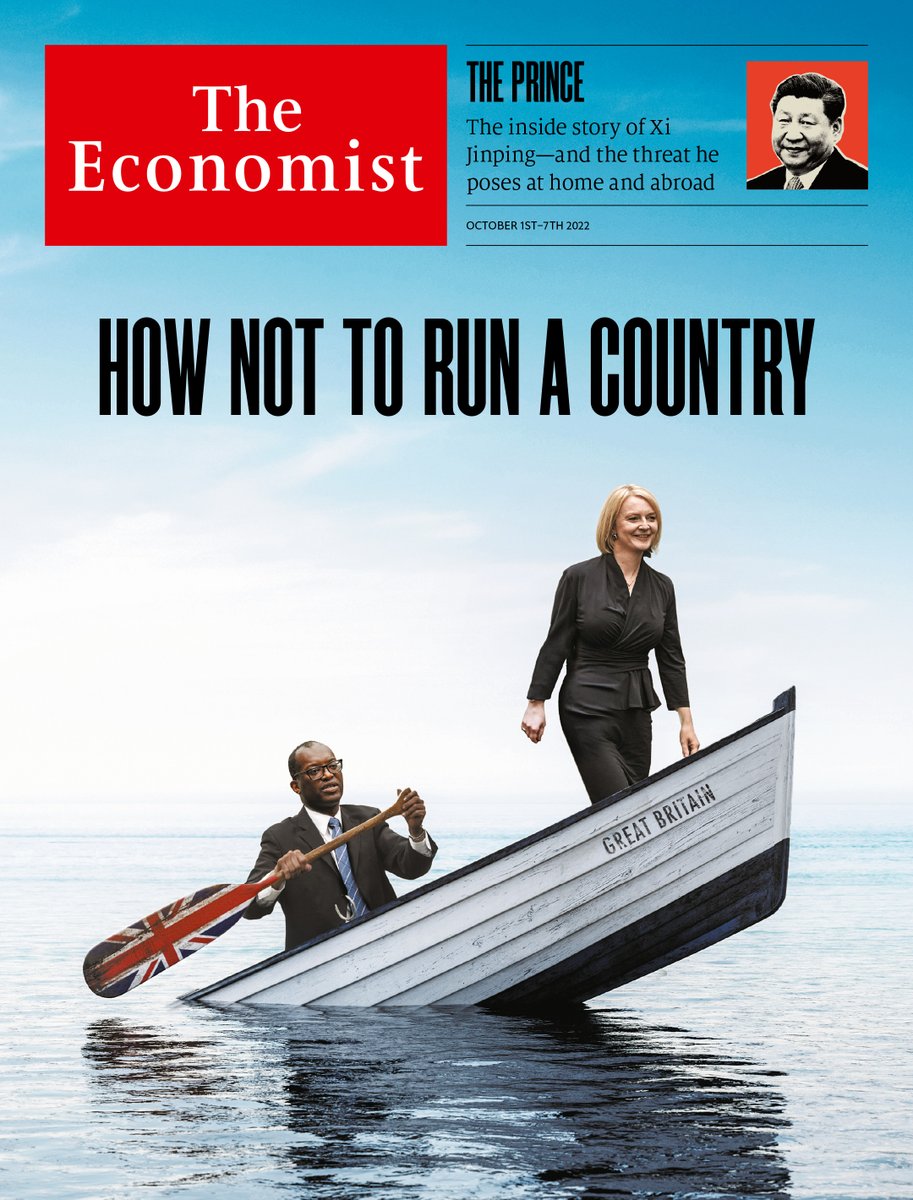
How not to run a country
Liz Truss’s new government may already be dead in the water
Hurricane Ian pummels Florida
The Sunshine State has seen 40% of America’s hurricanes and a huge population boom

Liz Truss’s new government may already be dead in the water
The Sunshine State has seen 40% of America’s hurricanes and a huge population boom

Katy Birchall consults trainer Ben Randall about how to get your dog to focus on you and stop disappearing on walks
As a difficult shooting season begins, Simon Lester considers the state of the sport amid its many modern challenges
Confusing to dogs and a star of horror films, scarecrows still fulfil their traditional bird-scaring role, discovers Jeremy Hobson
The design director of Liberty Fabrics picks a bright patchwork
Jack Watkins is diverted by the story of Shaw’s Pygmalion
A selection of three essential articles read aloud from the latest issue of The Economist. This week, the death of Elizabeth II marks the end of an era. Also, why Jair Bolsonaro poses a threat to Brazilian democracy (11:15), and Europe’s energy market in crisis (19:12).
Queen Elizabeth II, the longest-serving British monarch, dies at 96. EU ministers meet in Brussels to discuss Russia’s energy disruptions. And the DOJ appeals the special master review of documents seized by the FBI.

The new prime minister must eschew pantomime radicalism if she is to succeed. The sceptics have many reasons to be dubious—yet underestimating Liz Truss is a mistake her opponents have already made to their cost.
Tensions are rising at Europe’s largest nuclear-power station, which Russian forces are using as a military base. We ask what the risks are, and whether they can be headed off.
Britain’s summer heatwave was deadly—but figuring out how deadly was no easy task. And discovering the real value of the “social capital” outside family and work relationships.
A selection of three essential articles read aloud from the latest issue of The Economist. This week, how to prevent a war between America and China over Taiwan, thanks to Vladimir Putin, Germany has woken up (10:20), and Britain’s summer of discontent (18:40).
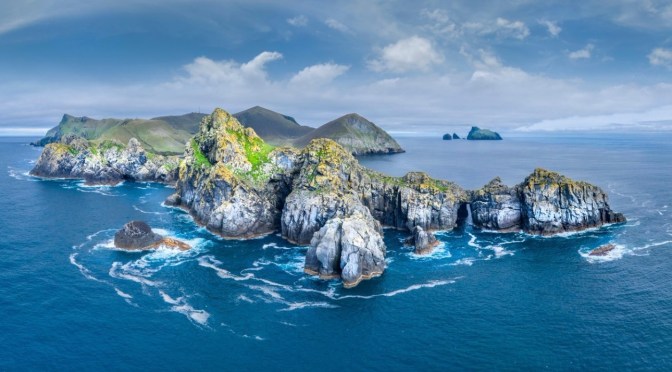
There is no place like St Kilda. Towering out of the storm-tossed waters of the Atlantic Ocean, its cliffs and sea stacks clamour with the cries of hundreds of thousands of seabirds.
Internationally recognised for its birdlife, St Kilda is no less famous for its human history. A community existed here for at least 4,000 years, exploiting the dense colonies of gannets, fulmars and puffins for food, feathers and oil.
The final 36 islanders were evacuated in 1930. Now uninhabited, visitors can brave the weather to sail to the ‘islands at the edge of the world’ for the experience of a lifetime.
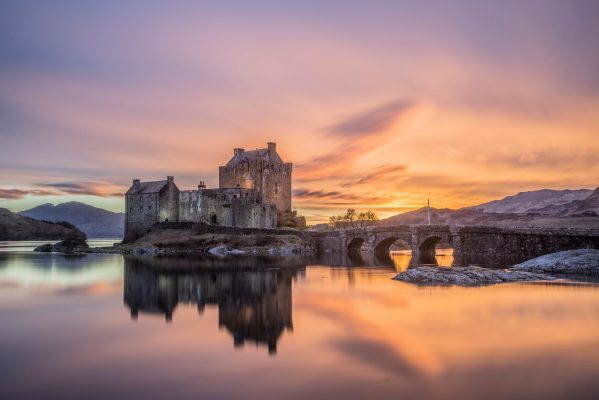
Wind is the defining element of the thousands of islands that encircle the British Isles. Wet and salted, it sculpts every branch and bush, burns palm fronds (yes, our islands do have palm trees — albeit bedraggled), shifts shorelines and leaves surfaces rimed and rusted, skin tanned. Incessantly, it buffets the seabirds and whines at windows; often, it sends the ferry back to port, marooning islanders on their anvil of rock and sand.

Ours are not the great city islands of Venice and Stockholm or the blue-lagooned atolls of the tropics, but kelp-fringed outposts of tough survival for generations of farmers and fishermen and places of insular retreat. They encapsulate extremes — of weather, architecture, landscape and emotion — preserve faith and tradition, offer refuge or redemption, feed dreams and intensify dramas.

Life on the islands of Britain: ‘Mesmerising in its beauty and deeply cruel in equal measure’ https://ift.tt/P5iFot9



 Boomers Daily