Every time Californian tech giant Apple puts out a new product, it makes headlines around the world. That was true of its early home computers – the first to use a recognizably modern user interface – and it was even more true of the iPod, which singlehandedly revolutionized the music industry. Not to mention the very smartphone you’re probably watching this video on.
But the world’s biggest and best-loved technology company isn’t done yet. For several years, now Apple engineers have secretly been eyeing up transportation as the next industry ripe for their unique brand of scorched-earth disruption. So today we’re asking the question – when will we see the Apple Car?
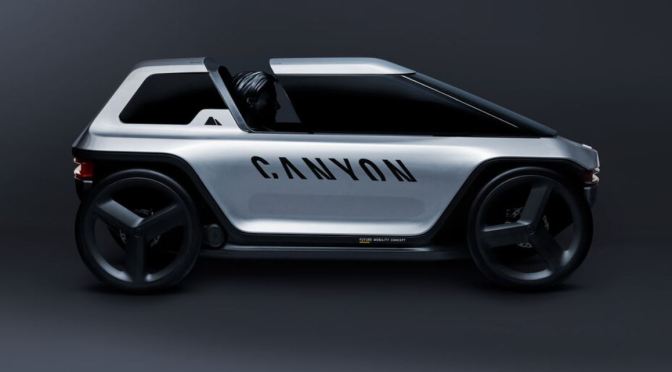
Designed to seamlessly jump from the street to the bike lane, this low-emission vehicle merges the best parts of cars and e-bikes into one to make it the ultimate daily commuter. It’s fast and stable enough to fly down the open road, yet light and agile enough to slide into the bike lane when things get backed up. The next step in mobility is here.
Capsule concept
How do you bring total weather protection to an e-bike? This is the question our designers and engineers had to answer with the Future Mobility Concept. The solution is a totally-sealable passenger compartment surrounded by an innovative, panoramic capsule that strikes the perfect blend of form and function.
When not sealed to protect against the elements, the capsule can be slid forward along two rails to open the cockpit up. This ‘open mode’ is great when the weather is hot or if the rider wants that fresh-breeze feeling that comes with driving a convertible. The capsule even has enough space behind the rider to seat a child, load luggage or pack up groceries for the ride home. The capsule can then be slid even further forward for easy entry and exit of the vehicle.
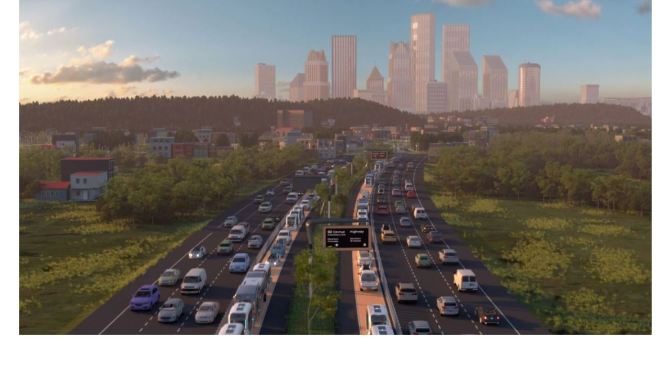
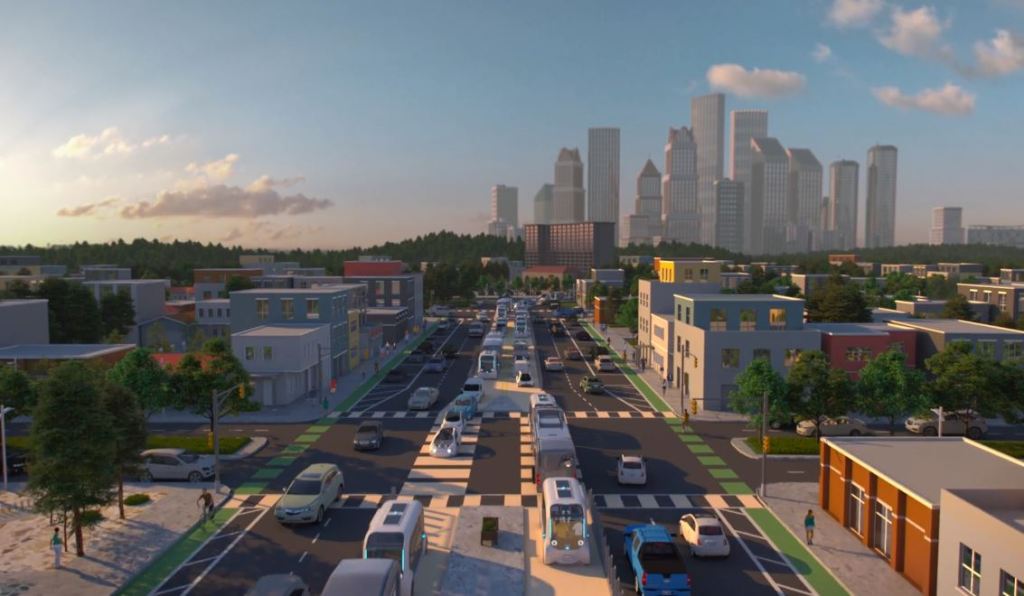
TheDetroit News (Aug 13, 2020)— Michigan is angling to build a first-in-the-nation connected and autonomous vehicle corridor in the state’s southeast corner, the latest bid to ensure the region remains the epicenter of an auto industry moving rapidly into a technology-driven future.
Local and state government officials, members of Michigan’s congressional delegation, Ford Motor Co. executives and project developer Cavnue confirmed plans Thursday for a roadway that would stretch from downtown Detroit to Ann Arbor. Along the way, it would connect to such key milestones as the American Center for Mobility in Ypsilanti, the University of Michigan in Ann Arbor and would parallel parts of Interstate 94 to Detroit Metropolitan Airport.
The roadway would be publicly accessible and could feature both public transit and shared mobility options. It will be called the “Michigan Connected Corridor,” officials confirmed, sharpening a vision Ford shared when it acquired the historic train station two years ago.
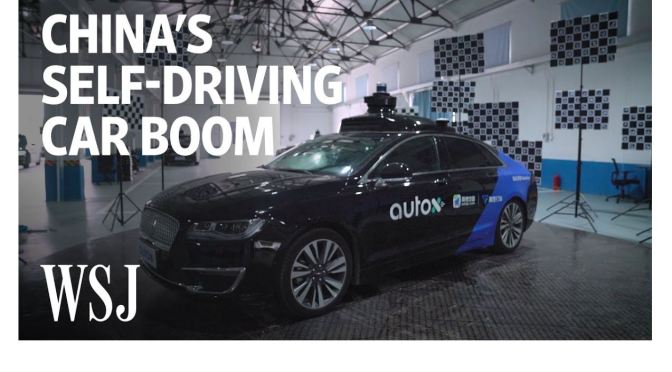
Autonomous-vehicle road testing has skidded to a halt in the U.S. amid the Covid-19 pandemic. But China’s startups have pushed ahead by more than doubling the number of self-driving car projects, with a boost from the country’s 5G network.
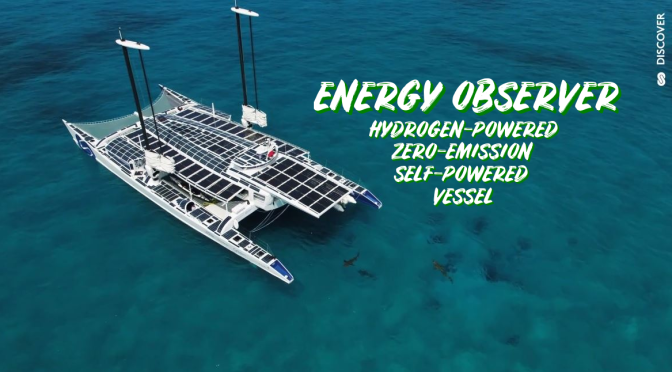
To begin with, Energy Observer is the name of the first hydrogen-powered, zero-emission vessel to be self-sufficient in energy, advocating and serving as a laboratory for ecological transition. Now an organisation that combines expeditions and innovations, Energy Observer is exploring and developing solutions that prove that another future for energy is possible, an optimistic future, which is more respectful of the planet and those who live here.
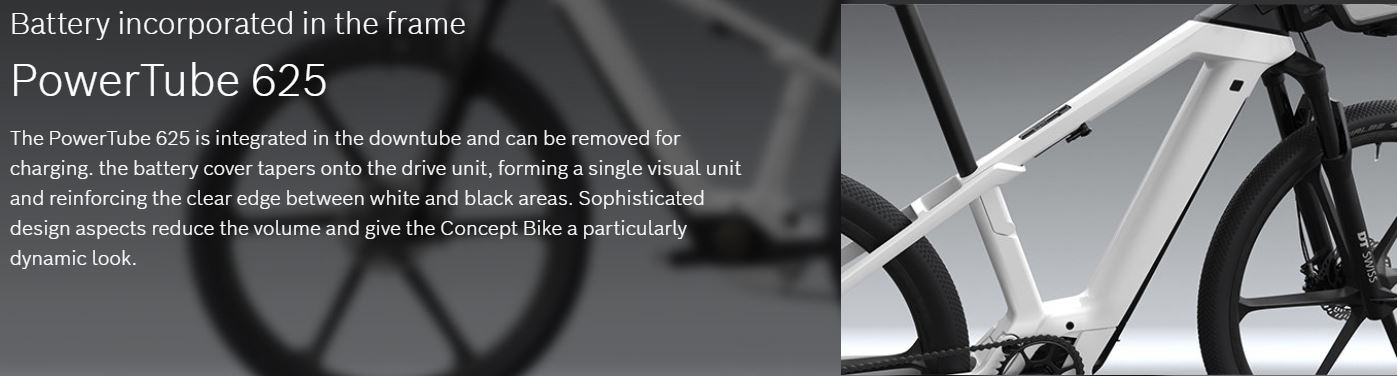
The Concept Bike is designed as an Urban Sports Cruiser – its carbon frame with fully integrated front and rear suspension offers maximum comfort for city adventures, commuter trips and off-road trails.
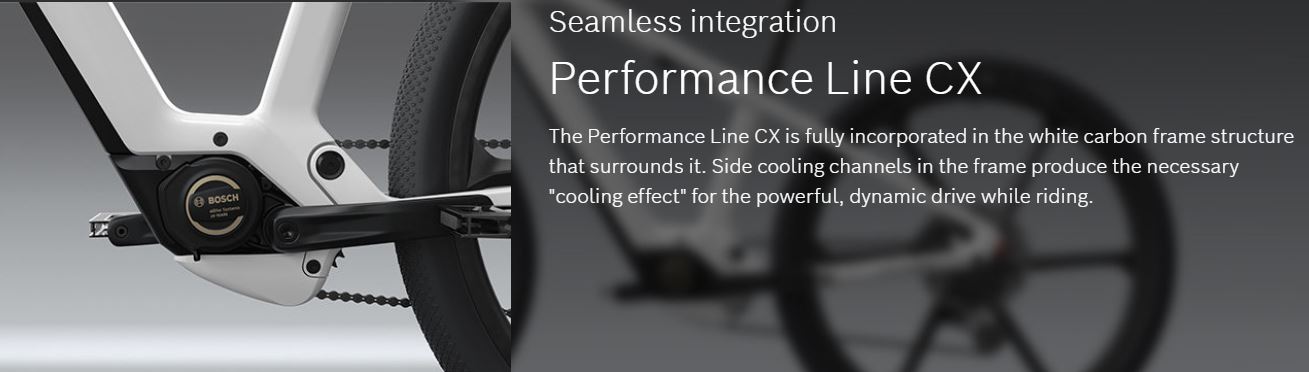
The Bosch drive system merges with the frame and handlebar to form one unit in this design concept.
The perfect integration of the Performance Line CX, the PowerTube 625, the new Nyon on-board computer and the Bosch eBike ABS make the eBike Design Vision a visual experience.
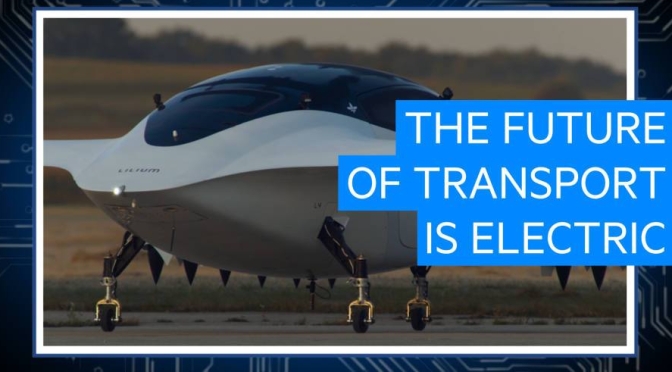
When it comes to getting from A to B, the future is electric. From autonomous cars in tomorrow’s smart cities, to e-scooters and flying taxis, the FT’s Daniel Garrahan looks at just how far electricity will take us.
Island is a double-decker driverless tram designed for the city of Hong Kong in the post-Covid era. This highly innovative design concept incorporates industrial design, transportation design, public design, urban mobility and sustainability.
The project includes exterior, interior and tram stop design. With the Coronavirus pandemic, people are shunning public transport and relying much more on private transport.
The name Island references the innovative design of the interiors, where large circular benches facilitate social distancing and passengers sit facing outwards in a radial pattern. The exterior design is inspired by the Hong Kong urban landscape, which features vast surfaces of glass and rounded-corner buildings. Natural light floods the interiors during the day through the curved windows and a domed top, which also provide awe-inspiring views at night.
The driverless technology optimizes the interior space of the tram, making it easier to manage travel times and increase onboard safety. The tram has a retractable connector for rapid charging at tram stops. Large vertical LEDs enhance visibility in all weather conditions. The interior design contrasts with the exterior.
Large circular benches facilitate social distancing as passengers sit facing outwards in a radial pattern.
Minimalist design, charcoal black walls, soft circular seating, wooden floors and trims with natural finish all create a neutral and friendly environment. This chromatic diversity, in addition to the dark color palette, frames and accentuates the beauty of the Hong Kong urban landscape.
Aptera enjoys unparalleled efficiency, using just under 100Wh per mile for everyday driving. And they can go more than 40 miles a day on solar power — five times farther than other EVs with the same-sized solar system.









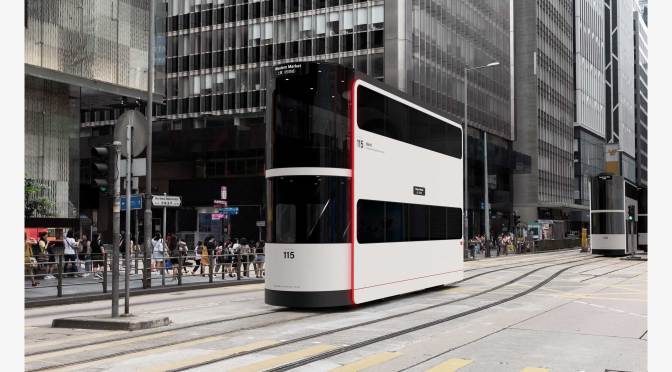
 Island is a double-decker driverless tram designed for the city of Hong Kong in the post-Covid era. This highly innovative design concept incorporates industrial design, transportation design, public design, urban mobility and sustainability.
 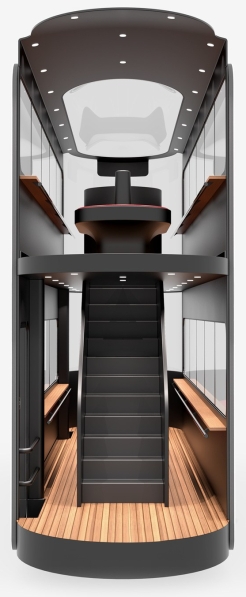 The project includes exterior, interior and tram stop design. With the Coronavirus pandemic, people are shunning public transport and relying much more on private transport.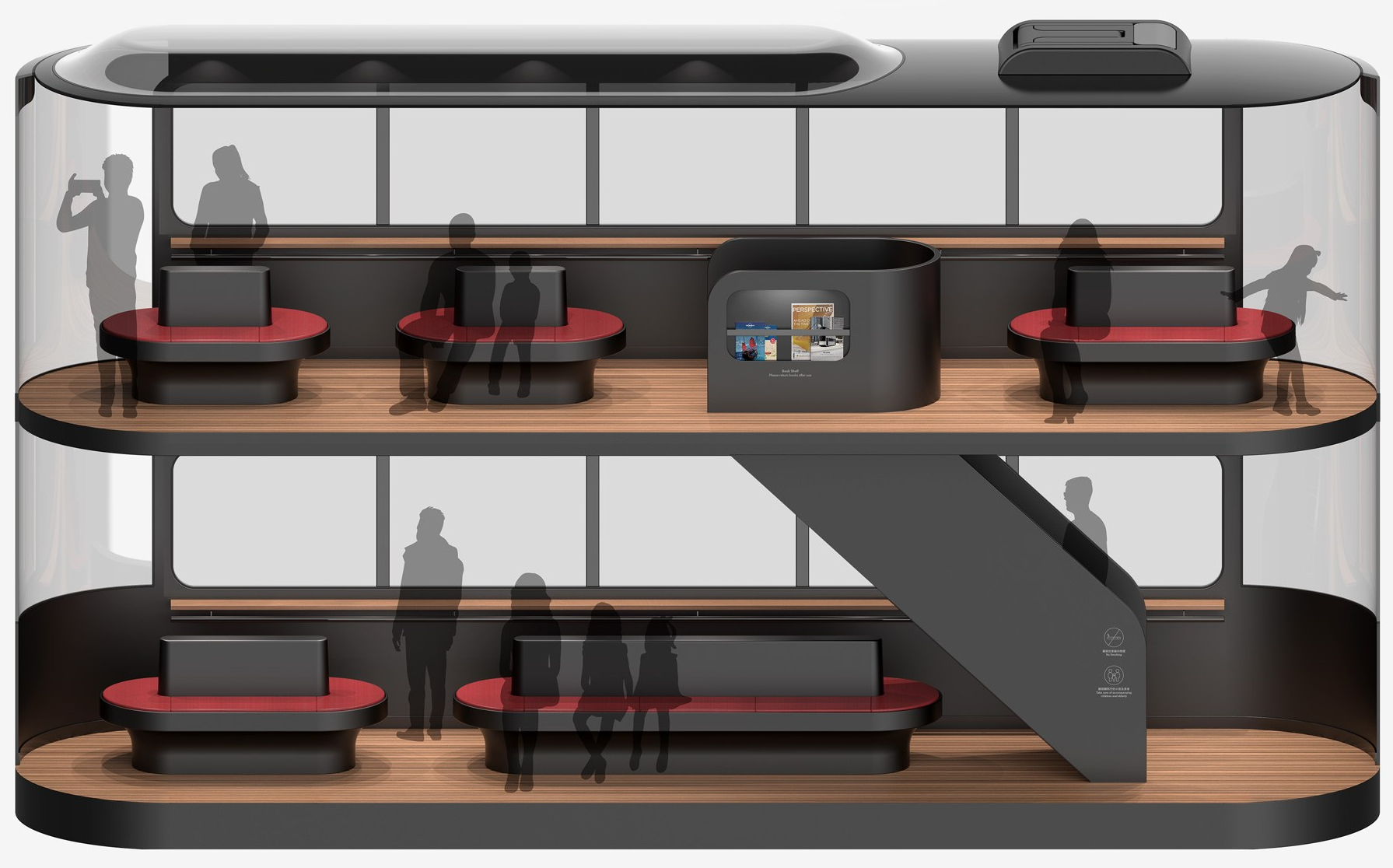


 Boomers Daily