
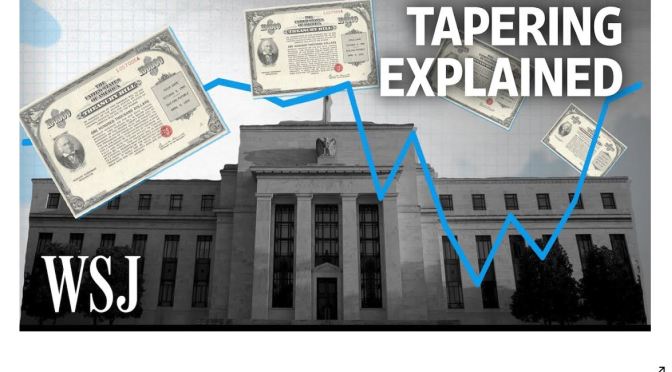
The Federal Reserve says it will accelerate the wind-down of its bond-buying program, the biggest step the central bank has taken in reversing its pandemic-era stimulus. Here’s how tapering works, and why it sends markets on edge. Photo illustration: Adele Morgan/WSJ
Tag Archives: Economics
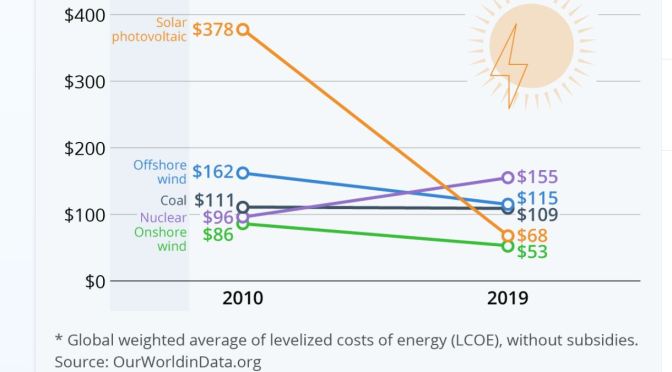
Infographic: Renewable Energy’s Falling Costs
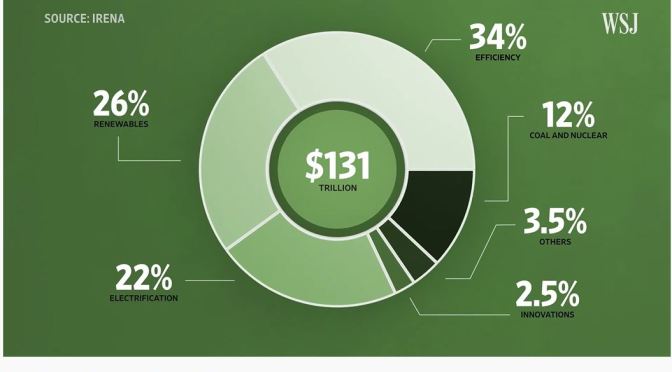
Analysis: $131 Trillion To Reduce Global Warming
Money is a sticking point in climate-change negotiations around the world. As economists warn that limiting global warming to 1.5 degrees Celsius will cost many more trillions than anticipated, WSJ looks at how the funds could be spent, and who would pay. Illustration: Preston Jessee/WSJ
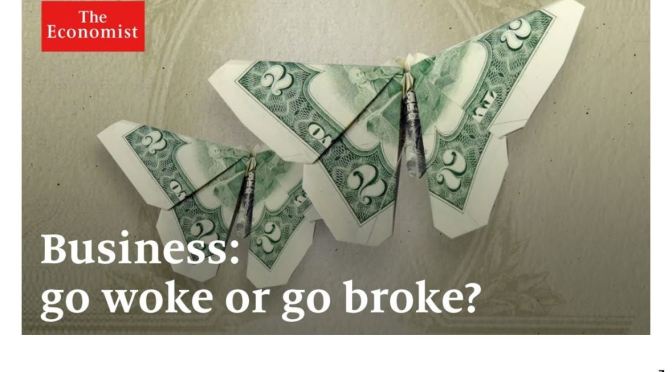
Analysis: Can Businesses Do Well By Doing Good?
Today consumers want to buy more sustainable products, employees want to work for firms that share their values, and in the investment world, ESG funds are all the rage. How are companies responding to these shifting demands and can businesses really do well by doing good?
00:00 – Can companies do well by doing good? 00:50 – Environment and climate change 06:50 – Employee wellbeing 09:51 – Workforce diversity 15:50 – Ethical supply chains 19:26 – Environmental Social Governance
Read more of our business coverage: https://econ.st/2XfyBBX
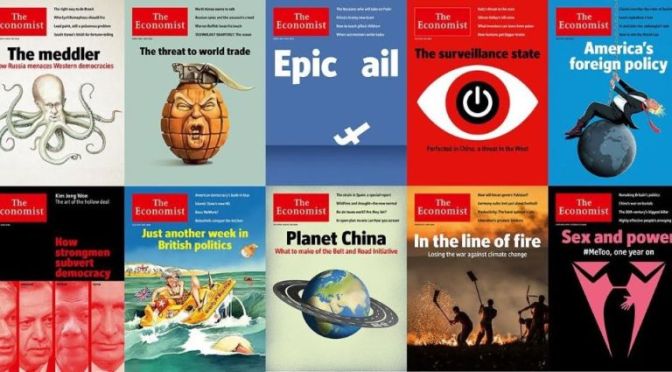
Previews: The Economist Magazine – October 23

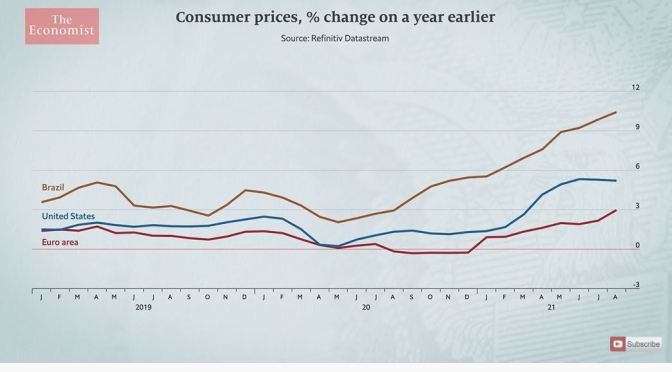
Analysis: Higher Inflation – Is It Cause For Concern?
Inflation rates have been rising all over the world, surprising many economists. While the rich world is paying higher prices for durable goods such as cars, in emerging markets soaring food prices are a greater worry.
What is causing this unexpected bout of inflation, and will it last?
Video timeline: 00:00 – What’s happening with inflation? 00:53 – What is inflation? 01:42 – Inflation rates are rising 02:47 – How much is too much inflation? 03:13 – Inflation in the rich world 05:19 – Inflation in emerging markets 06:04 – How to curb inflation 07:27 – Why you shouldn’t worry Find The Economist’s briefing on inflation: https://econ.st/3ofFxtJ
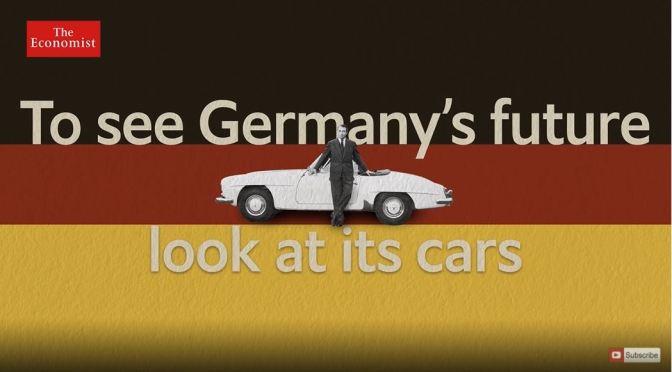
Analysis: The Future Of Germany Is In Its Cars
As the election approaches, Germany’s carmakers will face the same challenges as its new leaders: a need to innovate, tackle climate change and reassess its trade relationship with China. How this world-renowned motor industry navigates the road ahead could tell a lot about Germany’s future.
Video timeline: 00:00 - Germany faces numerous challenges 00:49 - Can Germany’s cars reveal its future? (or whatever the title is) 02:13 - Is Germany too reliant on trade with China? 03:46 - Germany’s reluctance to digitalise 05:09 - The race to go electric 06:41 - The future of electric cars 08:17 - What’s in store for Germany’s new leader?

Reviews: How To Create Sustainable Business (MIT)
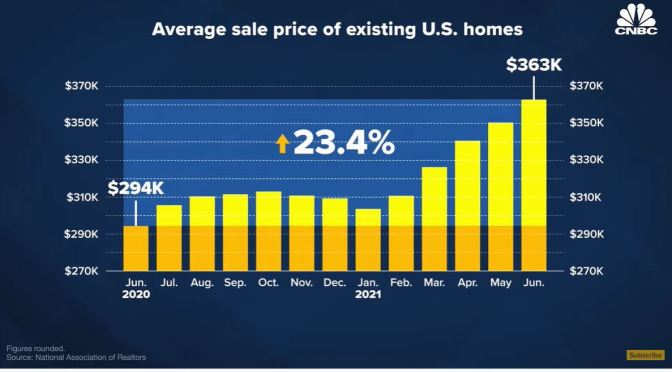
Analysis: Is America In Another Housing Bubble?
Home prices in the U.S. have climbed at a record pace during the pandemic. The median home price reached over $363,000 in June 2021, a 23.4% increase from 2020. Many of the houses are being sold above their asking price, often entirely in cash with bidding wars becoming the new norm to weed out the competition. So is America currently in another housing bubble and what are the signs that can help investors predict an oncoming crash?

Analysis: Why Uber & Lyft Rides Got So Expensive
According to Rakuten Intelligence, the cost of a ride from a ride-sharing app like Uber or Lyft increased 92% between January of 2018 and July of 2021. Many riders have also noticed increased wait times for rides, and a recent driver shortage is likely to blame. In early July 2021, Uber and Lyft drivers were about 40% below capacity. The companies have taken notice of this driver shortage, and are investing millions worth of bonuses and base rates to convince drivers to return. But will it be enough to get drivers back on the roads?
 Boomers Daily