Tag Archives: Diet & Nutrition

Infographics: “Reducing Salt In Diet & Foods To Improve Blood Pressure”

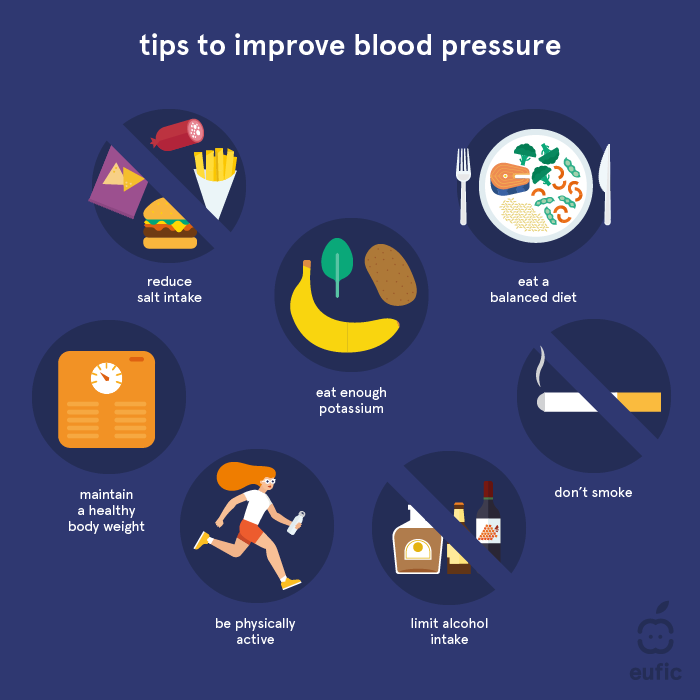
Tip To Improve Blood Pressure - Infographic - Eufic

Does reducing salt improve our blood pressure?

There is consistent evidence that moderate reductions (i.e. a decrease of 3 to 5 g or ½ to 1 teaspoon a day) in salt intake can lead to a reduction in blood pressure.5,6 However, these effects may not be the same for everyone and will depend on an individual’s starting blood pressure (greater benefits are seen in those with higher blood pressure), their current level of salt intake, genetics, disease status and medication use.

It is important to note that salt is not the only lifestyle factor that can influence our blood pressure. Other factors such as eating enough potassium, maintaining a healthy body weight, not smoking, and being physically active are also important when it comes to reducing blood pressure. You can find 7 lifestyle tips to help reduce blood pressure here.

High salt foods:

  • Processed meats such as bacon, salami, sausages and ham
  • Cheeses
  • Gravy granules, stock cubes, yeast extracts
  • Olives, pickles and other pickled foods
  • Salted and dry-roasted nuts and crisps
  • Salted and smoked meat and fish
  • Sauces: soy sauce, ketchup, mayonnaise, BBQ sauce
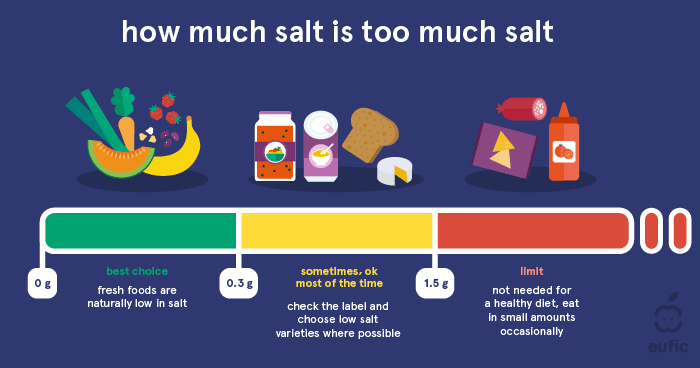
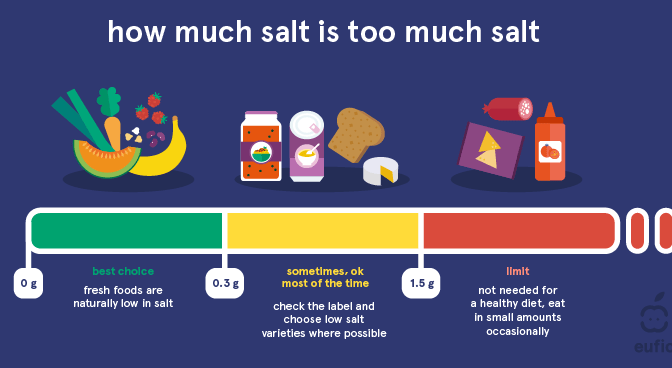
How Much Salt Is Too Much Salt - Infographic Eufic

What is salt?

Salt is the common name for sodium chloride (or NaCl). It consists of 40% sodium and 60% chloride. In other words, 2.5 g of salt contains 1 g of sodium and 1.5 g of chloride.

Why do we need salt?

Both sodium and chloride are essential for many body functions. They help regulate blood pressure, control fluid balance, maintain the right conditions for muscle and nerve function and allow for the absorption and transport of nutrients across cell membranes. Chloride is also used to produce stomach acid (hydrochloric acid, HCl) which helps us digest foods.

How much salt do we need per day?

The exact minimum daily requirement for salt is unknown, but it is thought to be around 1.25 g – 2.5 g (0.5 – 1 g sodium) per day.1 As salt is found in a large variety of foods the risk of deficiency is low.1,2 The European Food Safety Authority (EFSA) has stated that a salt intake of 5 g per day (equivalent to 2 g of sodium) is sufficient to meet both our sodium and chloride requirements as well as reduce our risk of high blood pressure and heart disease.1,2 This is equivalent to around 1 teaspoon of salt per day from all sources.

Both sodium and chloride are released from our body through our urine and when we sweat. This means bouts of heavy sweating such as during exercise can increase our salt requirements slightly. However, as most people consume well above required levels it is usually not necessary to increase salt intake during these conditions.1

Website

Health Infographics: “Cancers Associated With Overweight & Obesity”

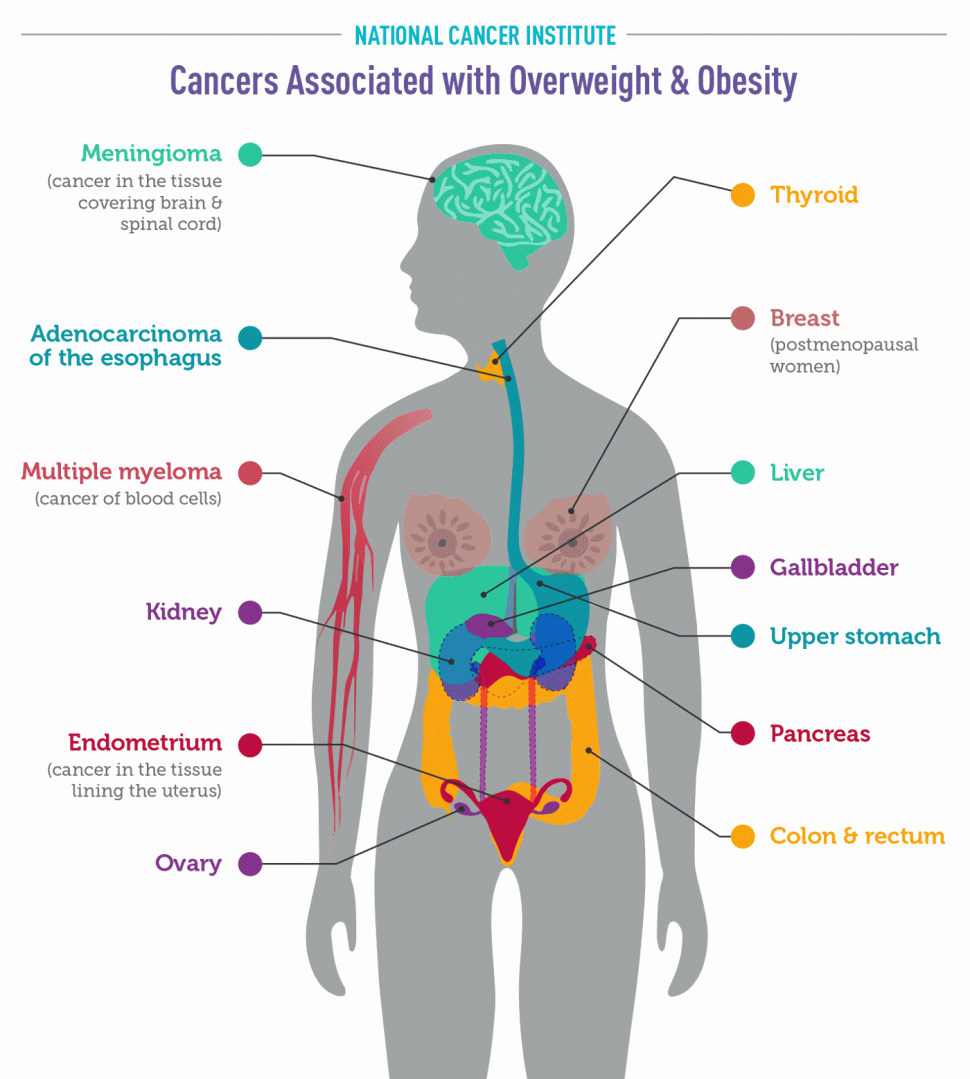
Cancers Assoicated with Overweight and Obesity - National Cancer Institute - Infographic

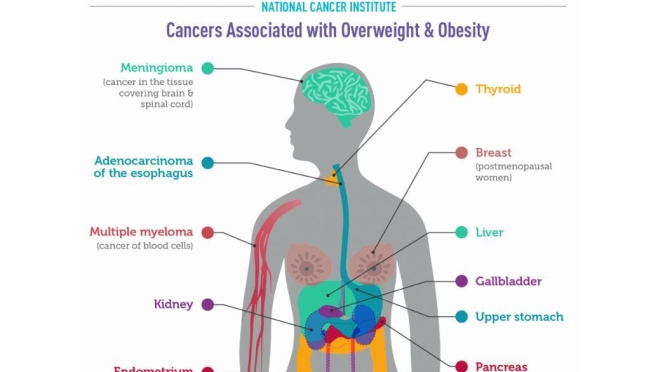
There is consistent evidence that higher amounts of body fat are associated with increased risks of a number of cancers (6), including:

  • Endometrial cancer: Obese and overweight women are two to about four times as likely as normal-weight women to develop endometrial cancer (cancer of the lining of the uterus), and extremely obese women are about seven times as likely to develop the more common of the two main types of this cancer (7). The risk of endometrial cancer increases with increasing weight gain in adulthood, particularly among women who have never used menopausal hormone therapy (8).
  • Esophageal adenocarcinoma: People who are overweight or obese are about twice as likely as normal-weight people to develop a type of esophageal cancer called esophageal adenocarcinoma, and people who are extremely obese are more than four times as likely (9).
  • Gastric cardia cancer: People who are obese are nearly twice as likely as normal-weight people to develop cancer in the upper part of the stomach, that is, the part that is closest to the esophagus (10).
  • Liver cancer: People who are overweight or obese are up to twice as likely as normal-weight people to develop liver cancer. The association between overweight/obesity and liver cancer is stronger in men than women (1112).
  • Kidney cancer: People who are overweight or obese are nearly twice as likely as normal-weight people to develop renal cell cancer, the most common form of kidney cancer (13). The association of renal cell cancer with obesity is independent of its association with high blood pressure, a known risk factor for kidney cancer (14).
  • Multiple myeloma: Compared with normal-weight individuals, overweight and obese individuals have a slight (10% to 20%) increase in the risk of developing multiple myeloma (15).
  • Meningioma: The risk of this slow-growing brain tumor that arises in the membranes surrounding the brain and the spinal cord is increased by about 50% in people who are obese and about 20% in people who are overweight (16).
  • Pancreatic cancer: People who are overweight or obese are about 1.5 times as likely to develop pancreatic cancer as normal-weight people (17).
  • Colorectal cancer: People who are obese are slightly (about 30%) more likely to develop colorectal cancer than normal-weight people (18).A higher BMI is associated with increased risks of colon and rectal cancers in both men and in women, but the increases are higher in men than in women (18).
  • Gallbladder cancer: Compared with normal-weight people, people who are overweight have a slight (about 20%) increase in risk of gallbladder cancer, and people who are obese have a 60% increase in risk of gallbladder cancer (1920). The risk increase is greater in women than men.
  • Breast cancer: Many studies have shown that, in postmenopausal women, a higher BMI is associated with a modest increase in risk of breast cancer. For example, a 5-unit increase in BMI is associated with a 12% increase in risk (21). Among postmenopausal women, those who are obese have a 20% to 40% increase in risk of developing breast cancer compared with normal-weight women (22). The higher risks are seen mainly in women who have never used menopausal hormone therapy and for tumors that express hormone receptors. Obesity is also a risk factor for breast cancer in men (23).In premenopausal women, by contrast, overweight and obesity have been found to be associated with a 20% decreased risk of breast tumors that express hormone receptors (22).
  • Ovarian cancer: Higher BMI is associated with a slight increase in the risk of ovarian cancer, particularly in women who have never used menopausal hormone therapy (24). For example, a 5-unit increase in BMI is associated with a 10% increase in risk among women who have never used menopausal hormone therapy (24).
  • Thyroid cancer: Higher BMI (specifically, a 5-unit increase in BMI) is associated with a slight (10%) increase in the risk of thyroid cancer (25).

Website

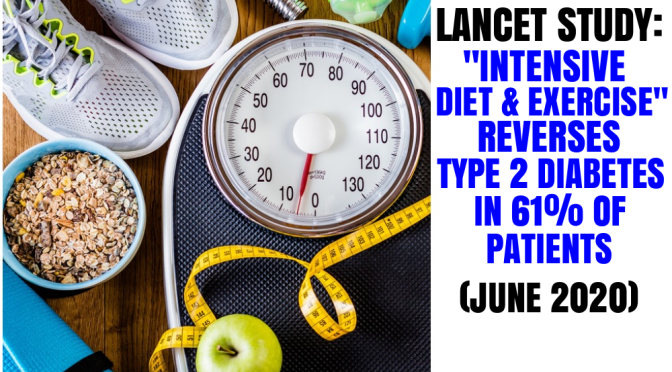
Study: “Intensive Diet And Exercise” Reverses Type 2 Diabetes In 61% Of Patients

From The Lancet Diabetes & Endocrinology (June 2020):

Our findings show that the intensive lifestyle intervention led to significant weight loss at 12 months, and was associated with diabetes remission in over 60% of participants and normoglycaemia in over 30% of participants. The provision of this lifestyle intervention could allow a large proportion of young individuals with early diabetes to achieve improvements in key cardiometabolic outcomes, with potential long-term benefits for health and wellbeing.

The Lancet Diabetes & Endocrinology

Type 2 diabetes is affecting people at an increasingly younger age, particularly in the Middle East and in north Africa. We aimed to assess whether an intensive lifestyle intervention would lead to significant weight loss and improved glycaemia in young individuals with early diabetes.
.
Between July 16, 2017, and Sept 30, 2018, we enrolled and randomly assigned 158 participants (n=79 in each group) to the study. 147 participants (70 in the intervention group and 77 in the control group) were included in the final intention-to-treat analysis population. Between baseline and 12 months, the mean bodyweight of participants in the intervention group reduced by 11·98 kg (95% CI 9·72 to 14·23) compared with 3·98 kg (2·78 to 5·18) in the control group (adjusted mean difference −6·08 kg [95% CI −8·37 to −3·79], p<0·0001). In the intervention group, 21% of participants achieved more than 15% weight loss between baseline and 12 months compared with 1% of participants in the control group (p<0·0001). Diabetes remission occurred in 61% of participants in the intervention group compared with 12% of those in the control group (odds ratio [OR] 12·03 [95% CI 5·17 to 28·03], p<0·0001). 33% of participants in the intervention group had normoglycaemia compared with 4% of participants in the control group (OR 12·07 [3·43 to 42·45], p<0·0001).
.

Rise Of Obesity: “Sugar – The Unsweetened Truth”

Obesity is at the root of silent epidemics such as type 2 diabetes and nonalcoholic fatty liver disease.

Laura Schmidt explores the causes and solutions, taking lessons from tobacco: reducing the availability of harmful substances reduces consumption, thereby reducing harms to health. She talks about the UCSF Healthy Beverage Initiative and the effects it has had on employee health.

Website

Recorded on 02/13/2020. [5/2020] [Show ID: 35586]

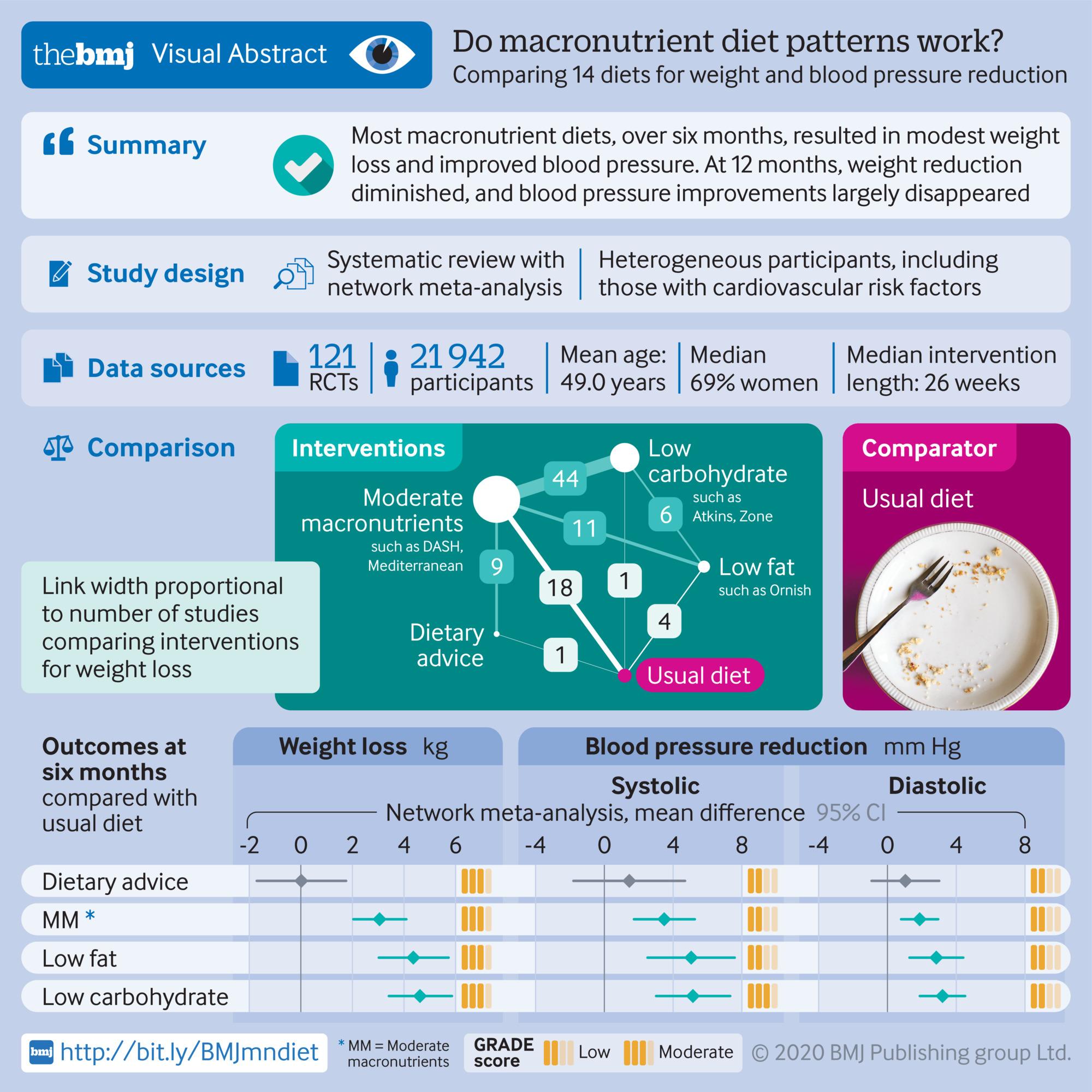
Diet Infographic: Most “Macronutrient Diets” Reduce Weight & Blood Pressure In 6 Months (BMJ)

F1.large

From a BMJ Study article (April, 2020):

Compared with usual diet, moderate certainty evidence supports modest weight loss and substantial reductions in systolic and diastolic blood pressure for low carbohydrate (eg, Atkins, Zone), low fat (eg, Ornish), and moderate macronutrient (eg, DASH, Mediterranean) diets at six but not 12 months. Differences between diets are, however, generally trivial to small, implying that people can choose the diet they prefer from among many of the available diets (fig 6) without concern about the magnitude of benefits.

Introduction

The worldwide prevalence of obesity nearly tripled between 1975 and 2018.1 In response, authorities have made dietary recommendations for weight management and cardiovascular risk reduction.23 Diet programmes—some focusing on carbohydrate reduction and others on fat reduction—have been promoted widely by the media and have generated intense debates about their relative merit. Millions of people are trying to lose weight by changing their diet. Thus establishing the effect of dietary macronutrient patterns (carbohydrate reduction v fat reduction v moderate macronutrients) and popular named dietary programmes is important.

Biological and physiological mechanisms have been proposed to explain why some dietary macronutrient patterns and popular dietary programmes should be better than others. A previous network meta-analysis, however, suggested that differences in weight loss between dietary patterns and individual popular named dietary programmes are small and unlikely to be important.4 No systematic review and network meta-analysis has examined the comparative effectiveness of popular dietary programmes for reducing risk factors for cardiovascular disease, an area of continuing controversy.

Read entire study

Diet & Nutrition Health: Benefits Of “Turmeric And Chili Pepper” Spices (BBC)

From a BBC.com article by Jessica Brown (April 6, 2020):

Red chili, black pepper and turmeric at local market
Red chili, black pepper and turmeric.

“The major findings were that higher intake of spicy foods is related to a lower risk of mortality, particularly deaths due to cancer, heart disease, and respiratory diseases,” says researcher Lu Qi, professor of nutrition at Harvard’s school of public health.

Many researchers believe the health benefits of spices actually come from what we eat them with. For example, there’s a tendency to use them to replace salt, says Lipi Roy. “Spices make food delicious and flavourful, and they can be a healthier alternative to salt,” she says.

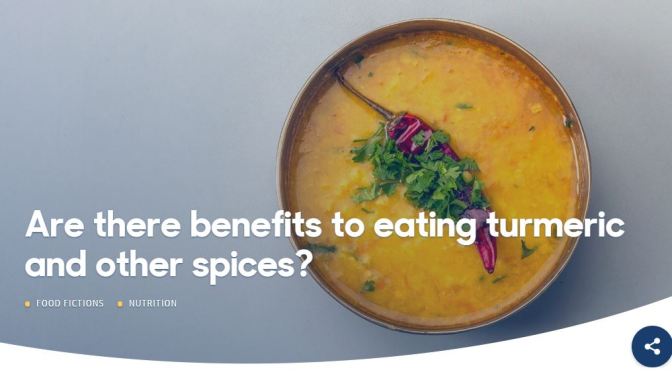
BBC Future logoSpices have been a part of our diets for thousands of years – it’s second nature to sprinkle our chips with pepper, sip on ginger tea and add chillies to our meals. But recently, some spices have been unofficially promoted from everyday culinary staples to all-healing superfoods.

Read full article

Medical Podcasts: A Clinical Review Of “The Pritikin Diet” (JAMA)

JAMA Clinical Reviews LogoNathan Pritikin was a college dropout who became an entrepreneur. While doing research for the government during World War II, he observed that populations that had extremely limited food availability because of the war had substantially reduced mortality from cardiovascular disease—something unexpected at a time when cardiovascular disease was thought to be due to stress. 

After the war when food became more available CVD death rates went back up, resulting in Pritikin concluding that CVD was related to diet. Pritikin devised his own very low-fat diet that bears his name and the diet is still in use 65 years later.

Health News Video: FDA Launches (And Explains) New Nutrition Facts Label

What’s new about the new Nutrition Facts label? Watch this Q&A with Susan T. Mayne, Ph.D., Director of FDA’s Center for Food Safety and Applied Nutrition. 

New FDA Nutrition Facts Label March 2020

For more information