

In this stunning monograph, James Beard Award-winning photographer and author Andrea Fazzari profiles twenty of the most celebrated sushi masters on the Japanese food scene. Through a combination of striking photography and intimate essays, each chapter introduces readers to a new master and restaurant, capturing the aesthetics, philosophy, and level of dedication that illustrates their status as the world’s finest culinary shokunin.


In Japan, cooking often bears aesthetic value, and the making of sushi is exalted as one of the finest culinary crafts. In line with this ideal of food as art, the Japanese often employ the word shokunin, loosely defined as “artisan”, to refer to highly skilled sushi masters. Connoting excellence and devotion to one’s craft, this title is reserved for those who approach their work with an artistic eye and seemingly spiritual sense of purpose, or ikigai.
A must-have for sushi enthusiasts—and for anyone interested in fine food culture—Sushi Shokunin is the first book of its kind to the most revered sushi masters and restaurants. Fazzari invites readers to explore the rarefied world of top shokunin who view sushi making not only as a career, but also as a way of life.
Andrea Fazzari is a Tokyo-based James Beard Award-winning photographer and author specializing in travel and the culinary world. Her previous book was Tokyo New Wave. She was chosen as one of “30 Photographers to Watch” by Photo District News in 2004. Her editorial and advertising clients include Travel + Leisure, Departures, Saveur, Cathay Pacific Airlines, and Four Seasons Hotels.
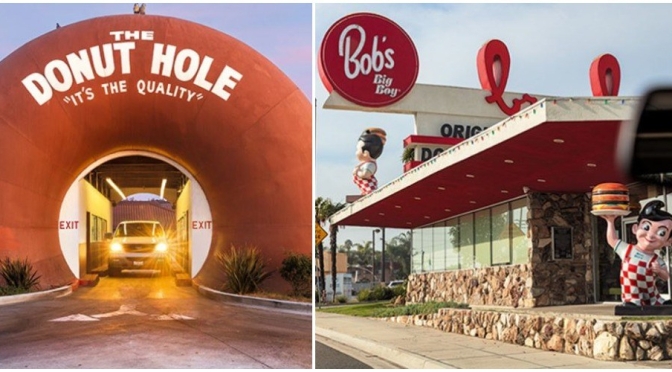


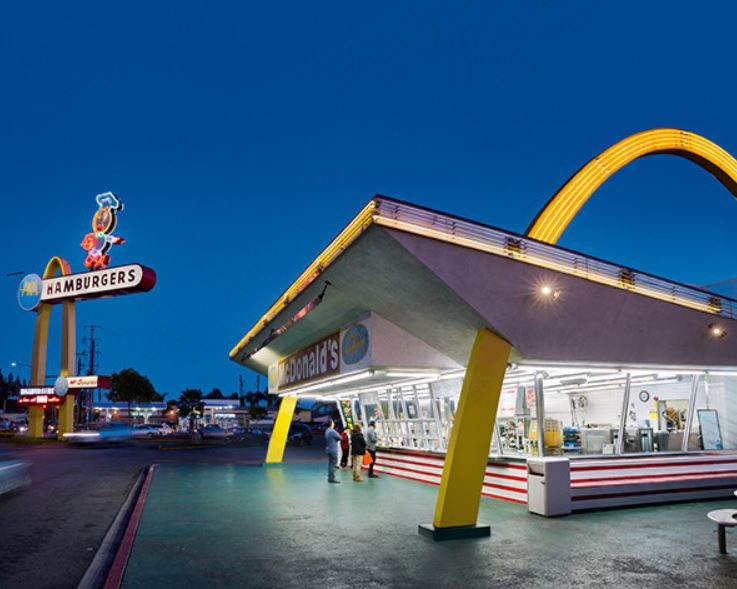
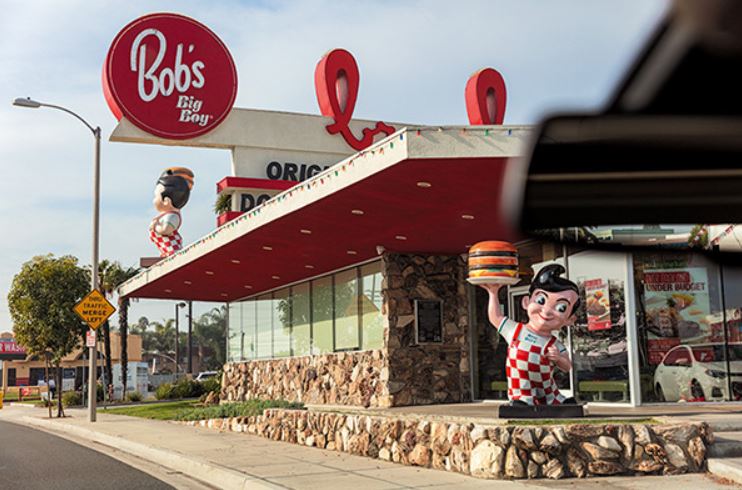

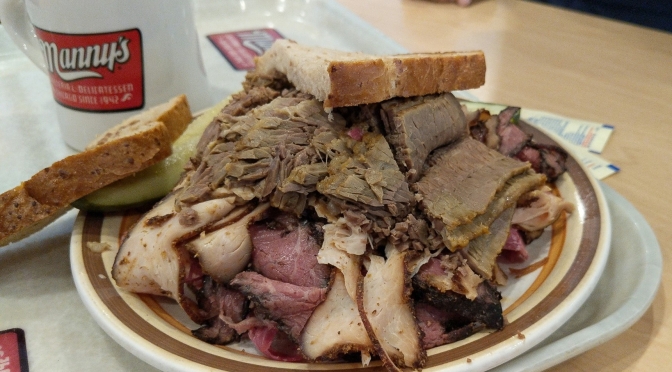
 I’ve had lunch with politicians, clergy, reporters and people who’ve just been indicted at Manny’s Cafeteria and Delicatessen in Chicago, and there’s a code of silence over the clatter: it doesn’t count.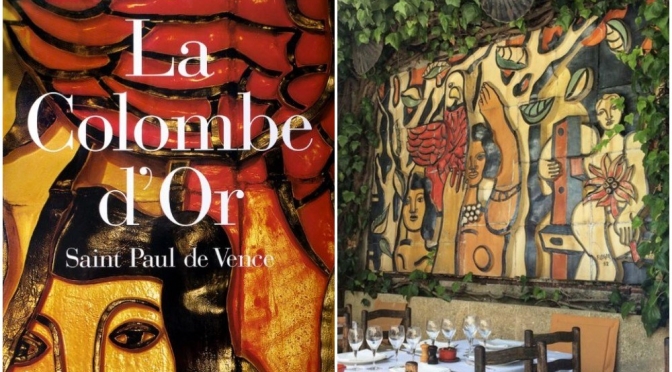
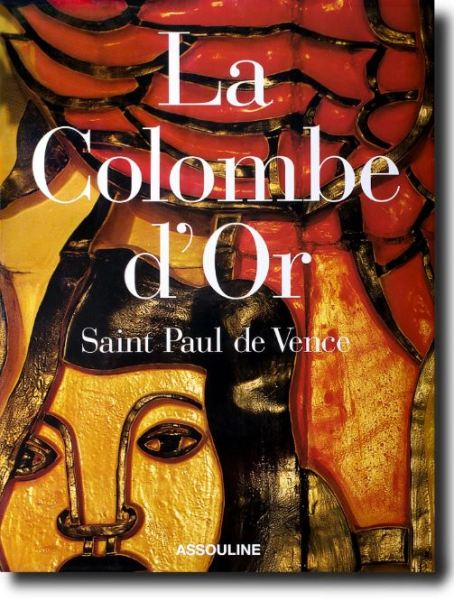 “Provence has a treasure; it’s a Colombe d’Or. It has the precious scent of thyme and nostalgia and the golden colour of olive oil and happy days. The Colombe is a part of my life. For me, it’s a place that’s as full of promise as of magnificent memories. The Colombe is indefinable, inimitable. I’m happy that today a book brings back the atmosphere of this place which is like no other in the world.”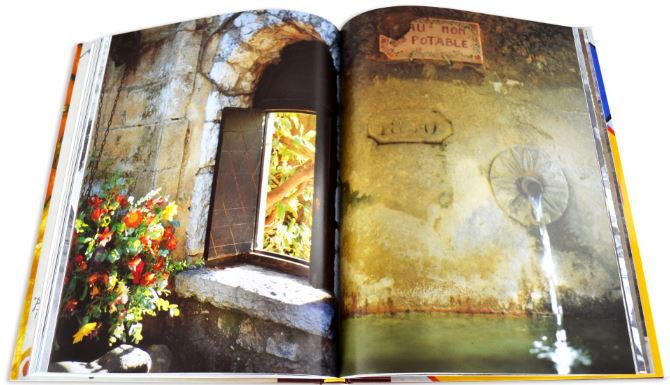
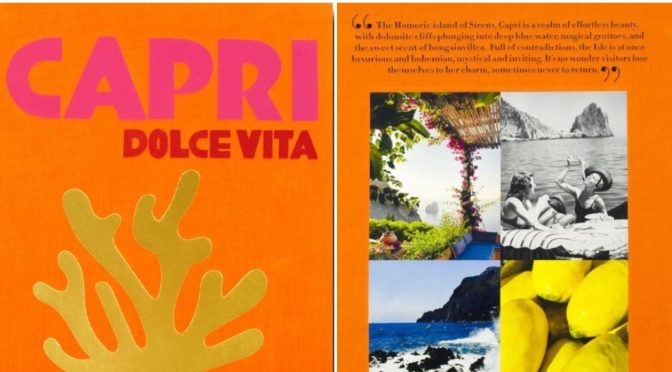
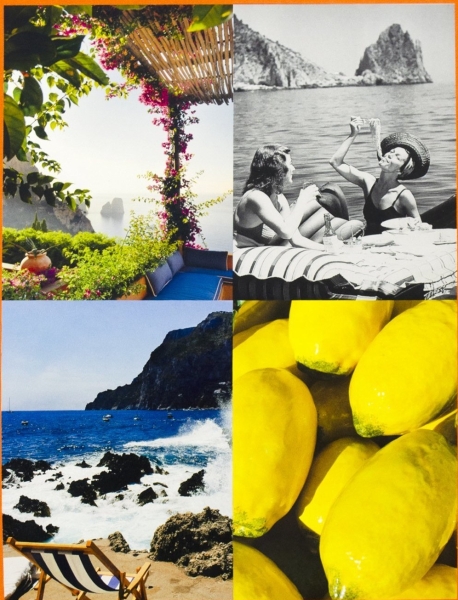 Capri, a resort island dating back to the height of the Roman Empire, has long been an extraordinary destination full of ancient charm. Cherished by everyone from physician Axel Munthe, who recommended its clean air to his patients as a cure for bronchitis; to film director Jean-Luc Godard as the setting for his 1963 film Contempt; to literary icons, celebrities, poets, and the jet set, Capri boasts a rich Mediterranean spirit and style that encompasses a wealth of beauty, from gardens to villas to caves to the people walking in the lively Piazzetta, where cars are prohibited and the island’s playful attitude runs rampant. Capri Dolce Vita is a look at this fabled corner of the world through the ages and a celebration of paradise on earth.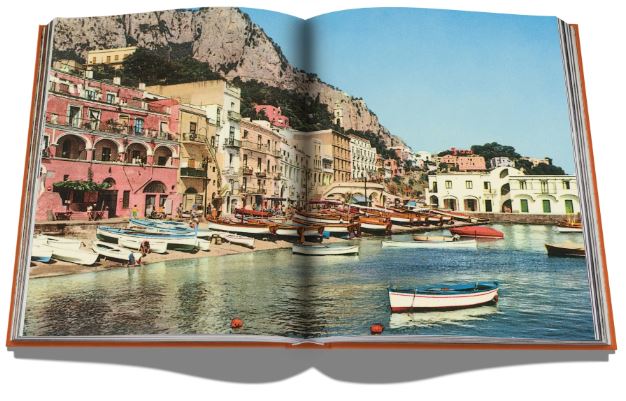


 It is impossible to ignore the ongoing impact the Covid-19 pandemic is having on our lives. This month our infographic shows how some aspects of daily life have changed as a result. The widespread closure of schools, for example, is thought to have affected up to 1.38 billion learners as of late March. Meanwhile, the sudden shift to remote working is one such change expected to have long-lasting effects. Following the pandemic, 68% of Germans have stated they would like to work remotely more often.
 Boomers Daily