

#NEWMAG Our January issue is out! Read about @FranceDiplo's "culture offensive" in 🇺🇸 with @Villa_Albertine, French intellectuals with @LeMondeFR editor Nicolas Truong, and "galette des rois" with 🇫🇷 pastry wizard @DominiqueAnsel!
— France-Amérique Magazine (@FranceAmerique) January 3, 2022
👉See more & subscribe: https://t.co/NlcM6n8uxT pic.twitter.com/kNKNNszRT9
Tag Archives: Culture
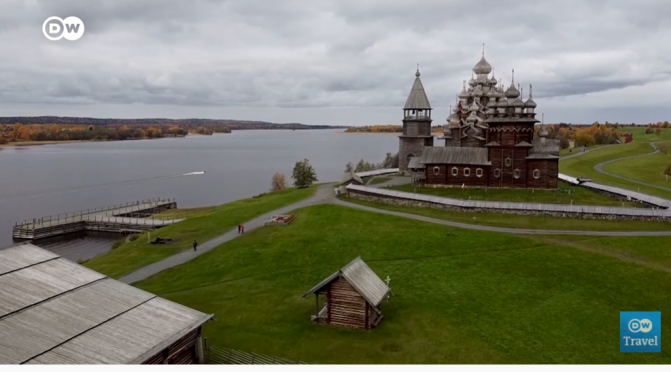
Travel Views: Lake Onega & Karelia, Northwest Russia
Have you ever heard of Karelia? This remote region lies in the far north of Europe, on Russia’s border with Finland, and is a travel destination for those in the know. Karelia has centuries old traditions and stunning natural landscapes with vast lakes. We visit Lake Onega, Europe’s second largest lake, taste kalitki, a regional dish, go to the Banya, a traditional “black sauna”, and much more.
The Republic of Karelia is a region in northwest Russia, bordering Finland. Beside Lake Onega, capital city Petrozavodsk is home to cultural artifacts at the National Museum. On an island northeast, Kizhi Museum is an open-air complex of traditional wood buildings. Northwest, Kivach Nature Reserve has pine woods and a waterfall. West of Petrozavodsk, blue-domed Valaam Monastery is on an island in massive Lake Ladoga.
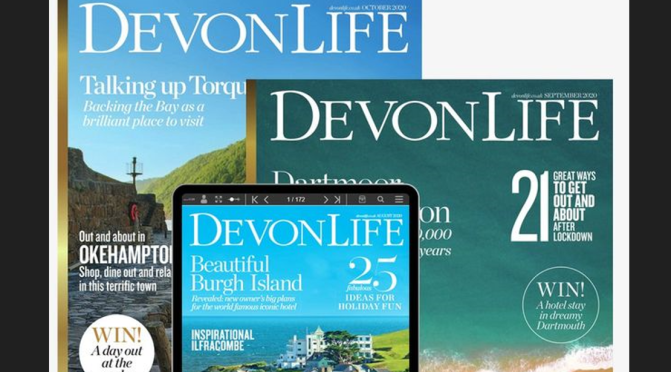
Cover Preview: Devon Life Magazine – January 2022

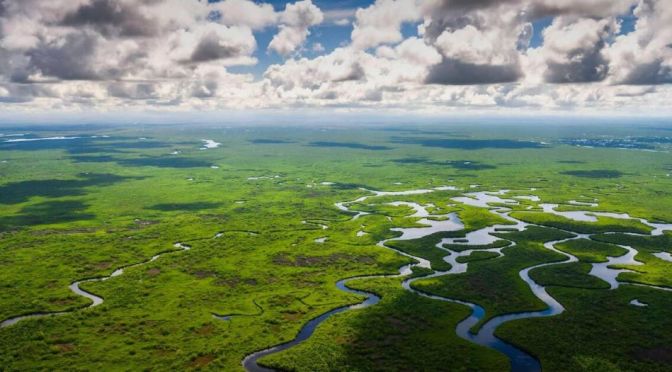
Views: Secret Islands Of The Everglades, Florida
The Everglades is a water world — It’s the widest and slowest river in the United States. But in the heart of this great water body exist secret islands that have outsize importance for the cultural heritage of a people and for the biodiversity of this important wetland. Thousands of these tree islands dot the Everglades.
For generations, the Miccosukee people have called these islands home. And they’ve long understood that the islands are a giver of life in this unforgiving environment. The islands are some of the only dry land around and harbor a surprising diversity of plant and animal life, including: coyotes, bobcat, bear, and even the Florida panther.
But among the scientific establishment, the islands are little understood. Researchers from the Miccosukee tribe are working to understand how animals use the islands and what role they play in the larger Everglades ecosystem. With the islands under threat from outside forces, their studies have taken on increased urgency. What they’re finding could be key to preserving the Miccosukee culture and the balance of life in this great river.
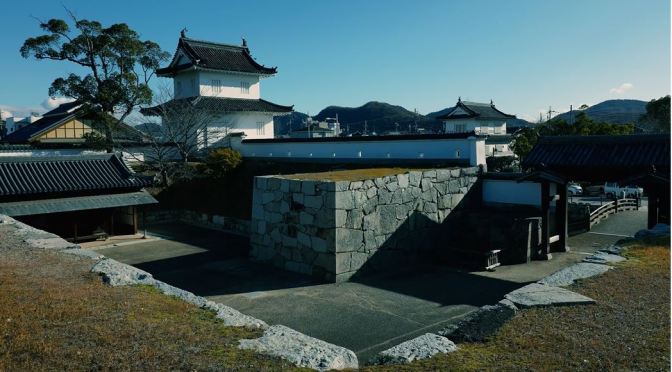
Japan Views: Akō Castle & Story Of The 47 Samurai
There is a very well-known story called “Chushingura” in Japan. It is the story of 47 samurai who gave their lives to avenge the honor of their lord. It inspired over 4,000 ukiyo-e woodblock prints. Performed on stage over 7,000 times in various genres. More than 300 years later, the story continues to inspire novelists and filmmakers. Ako Castle is where the story began. The 47 samurai were the retainers of the Ako clan. The video starts off with this side story, then focuses on the characteristics, the structure of the castle, and the financial support achieved by innovative salt production.
Film Director: Tadahiro Konoe
Film Producer: Tadahiro Konoe
Production Company: curioswitch Inc.
Client: Ako City (Hyogo prefecture, Japan)

Views: Monocle Magazine – December/January 2022
Monocle’s December/January issue is packed full of insights and inspiration to see you through to the new year, from our annual Soft Power Survey to a look into Detroit’s thriving art scene.

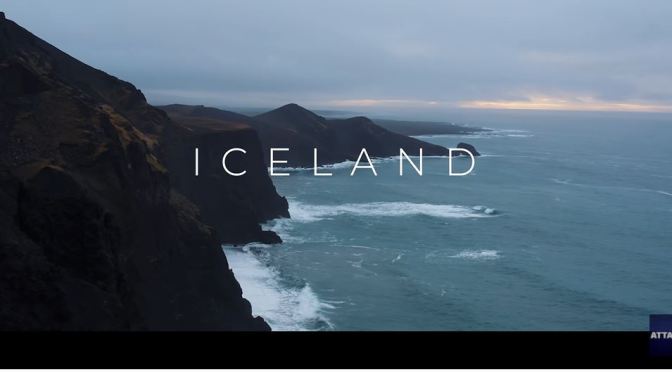
Travel: Iceland – People, Culture And Landscapes
Our Iceland Travel Guide! Finally after two years we are able to bring the epic country of Iceland to you. We wanted to make sure we re-launched our travel show with something spectacular and Iceland fit the bill perfectly. From the volcanoes, to the geysers, to the beaches, to the food to the people, Iceland is like nowhere I’ve ever been before.
What an insanely beautiful place. We’re joined in this episode by the incomparable Icelandic chef and TV star Ólafur Örn Ólafsson. What an absolute legend, a true ambassador for Iceland and an honour to be able to include him in our little show.
We couldn’t have made our Iceland episode without the help of Greg Annandale, Dan Rubin, Paul Papadimitriou, and Nordurflug Helicopter Tours (http://www.helicopter.is).
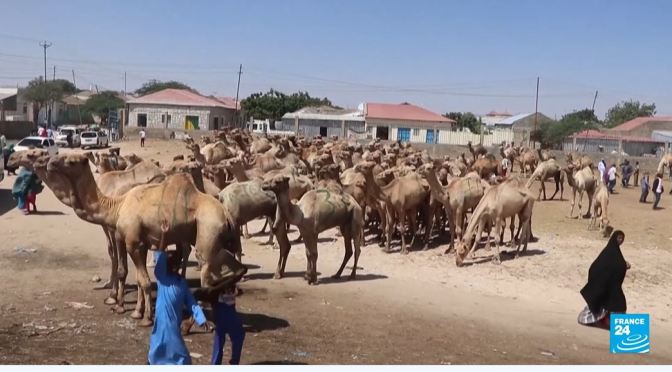
Culture: The Importance Of Camels In Somalian Life

Tours: M+ Museum In Hong Kong Opens To The Public
M+ is a museum of visual culture in the West Kowloon Cultural District of Hong Kong. It exhibits twentieth and twenty-first century visual culture encompassing visual art, design and architecture, and moving image. It opened on 12 November 2021.
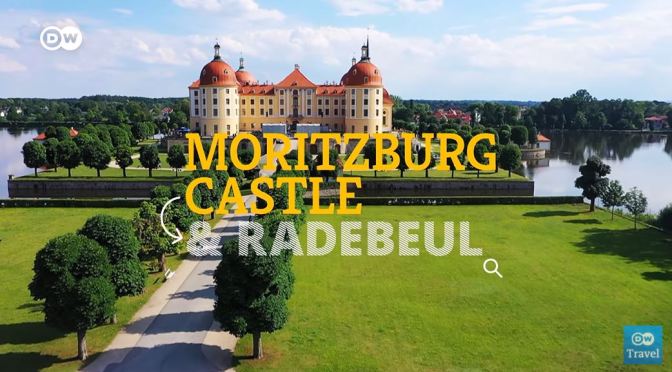
Road Trips: Mortitzburg Castle, Wine & Museums In Saxony, Eastern Germany
Tune in for our new series with reporter Hannah Hummel! In summertime she hit the German road in a special, electric car – the VW Beetle Cabrio! Hannah shows you some highlights of the eastern-German state of Saxony: Moritzburg Castle, a vineyard on the banks of the Elbe river, and the Karl May Museum in the town of Radebeul. The German author liked to imagine tales of the old Wild West, and is one of the most-read writers in the world. Take a romantic trip with Hannah through one of Germany‘s most idyllic regions.
 Boomers Daily