

The Spanish economy is one of extremes. At one point a focus of the eurozone crisis, at another the largest contributor of growth, and more recently, suffering the greatest economic hit of any Advanced Economy in 2020. Spain’s economic problems are often confused. In the years leading up to the Great Recession it posted consistent budget surpluses. However, a huge real estate bubble was lying in wait. The question… is why? Why did Spain go from a seemingly safe level of debt to one larger than it’s economy? How was the housing bubble encouraged? And since then, has Spain’s economy ever truly recovered? Or in what ways?
Tag Archives: Business

Analysis: Can Cheesecake Factory Recover From Covid? (CNBC Video)
Americans love The Cheesecake Factory. The restaurant known for its massive 21-page menu, dozens of dessert options and ancient Egypt-inspired decor was ranked as one of the top casual dining restaurants in the U.S. in 2019. But the eatery popular with everyone from NBA stars to cheesecake aficionados has fallen on hard times as the coronavirus pandemic has wreaked havoc on the restaurant industry. In October, The Cheesecake Factory reported third-quarter sales fell by 12% and same-stores sales were down 23% from a year earlier. So after 40 years in business will The Cheesecake Factory be able to regain its momentum and will the chain’s takeout and delivery service be enough to offset the decline of the dine-in restaurant experience?

Tourism & Covid: 300-Year Old ‘Caffè Florian’ In Venice Faces Closure
As the oldest café in Italy—and the world, in fact—Caffè Florian recently celebrated its 300th anniversary on December 29 with no fanfare. It was a far cry from the 290th celebration in 2010, with cakes, an enormous party, and a live concert. The café famed for its celebrity clientele—from Charles Dickens to Andy Warhol—now faces closure since the pandemic has taken a toll on tourism.




The café was opened in San Marco Square in 1720 by Italian entrepreneur Floriano Francesconi (locals knew it as Floriano’s). It has been a gathering place for locals, a place to woo tourists, and a hot spot for A-listers for hundreds of years.
In 1895, the idea of the Venice Biennale was born here, to pay homage to King Umberto and Queen Margherita, and scenes from Hollywood films have been shot here, such as The Talented Mr. Ripley (starring Matt Damon) nd Summertime (starring Katharine Hepburn). Marcel Proust and Charles Dickens were frequent visitors, as well as Friedrich Nietzsche, Casanova, and Charlie Chaplin. Ernest Hemingway would sit out on the patio drinking coffee in the sun, while Claude Monet charmed the pigeons into standing on his head in the same spot.
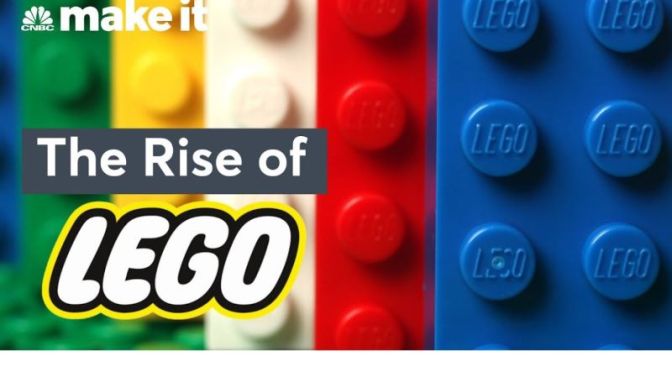
Business: ‘LEGO – A $38 Billion Toy Empire’ (Video)
The LEGO brick may not look like much but it is the cornerstone of the $38.5 billion Danish company. Today, LEGO’s blockbuster portfolio includes collaborations with The Beatles, Star Wars, and Frozen, a mega-hit movie franchise and 8 LEGOland theme parks. A toy that was once thought of for little boys is seeing its largest growth coming from girls and adults. But in the early 2000s, the company made several missteps and came extremely close to declaring bankruptcy. Here’s how LEGO reclaimed its status as one of the most successful toy companies in the world.

Business: ‘The Costs Of Climate Change’ (Video)
Climate change is about to upend the corporate world through weather-related disasters, regulation and lawsuits. Can businesses react and adapt in time? Read more here: https://econ.st/3slTXIE

Self-Storage: ‘Growth Of A $22 Billion Industry’
Americans collectively have more than five billion items sitting at home that they no longer use, according to a 2019 survey by online marketplace Mercari. One-click shopping and the globalization of overseas manufacturing has made it easier than ever for consumers to acquire goods. According to the Self Storage Association, an industry trade group, more than 10% of households in the U.S. rented a self-storage unit in 2020, 18% more than in 2005. The self-storage industry has continued to outperform during the pandemic, with several companies reporting strong occupancy and healthy demand, according to the research site Yardi Matrix. But with headwinds threatening the economy will self-storage companies like Public Storage and Extra Space Storage be able to maintain their momentum? And what will new disruptors like Neighbor and Clutter mean for the future of the industry?
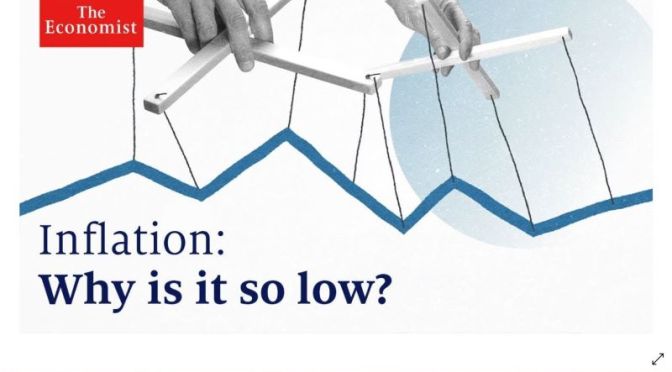
The Economy: ‘Why Is Inflation So Low?’ (Video)
In the past two decades inflation has puzzled economists by remaining low in good times and bad. Could the pandemic cause it to rise?
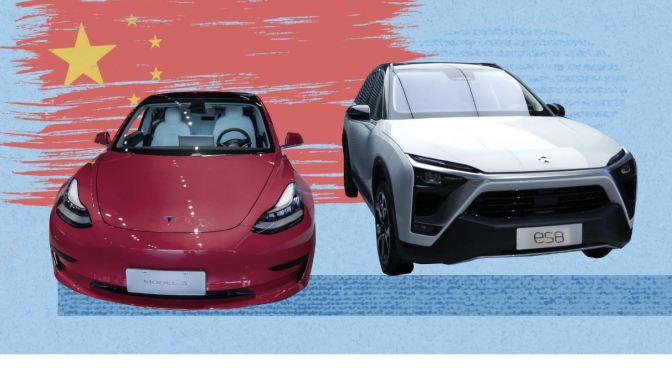
Technology: Tesla Battles Nio In China – Charging Vs Battery Swapping (Video)
Gone are the long waits at charging stations: Chinese electric-vehicle startup NIO is pioneering battery-swap systems, challenging Tesla and other rival car makers. Here’s how NIO and Tesla are racing for the world’s largest EV market in China.
Photo illustration: Sharon Shi

Tourism In 2021: Egypt Sees ‘Slow Return’ After 70% Plunge In 2020 (Video)
Egypt’s tourism sector is eying a gradual recovery after revenues plunged by nearly 70% to $4 billion in 2020 due to the coronavirus pandemic, the tourism minister and travel companies said.
Egypt, a country linking northeast Africa with the Middle East, dates to the time of the pharaohs. Millennia-old monuments sit along the fertile Nile River Valley, including Giza’s colossal Pyramids and Great Sphinx as well as Luxor’s hieroglyph-lined Karnak Temple and Valley of the Kings tombs. The capital, Cairo, is home to Ottoman landmarks like Muhammad Ali Mosque and the Egyptian Museum, a trove of antiquities.
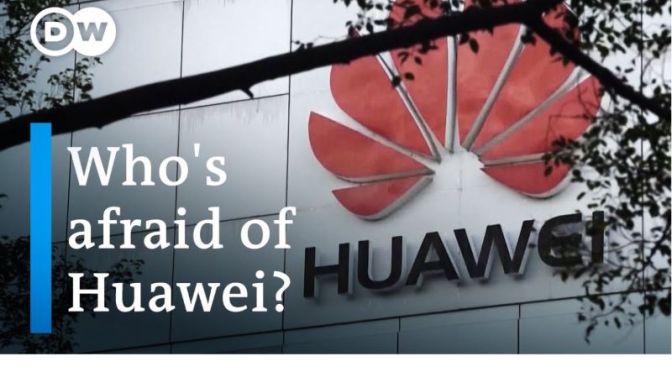
Investigations: Chinese Telecomunications Giant Huawei – High Tech or Spy?
Telecommunications giant Huawei is said to be one of the most powerful companies in China. But Huawei has been accused of systematic espionage, and some Western governments doubt whether the company is truly independent of the Chinese government.
This documentary investigates concerns about Huawei and internet security. The company is a major player in the manufacture of smartphones, and enjoys a technological lead in the development of the super-fast 5G broadband network worldwide. But the US and some other Western countries suspect that Huawei works closely with the Chinese government on espionage and sabotage operations.
Has Huawei becomne a pawn in the trade war between the US and China? The arrest of Huawei chief financial officer Meng Wanzhou in Canada in 2018 — at the request of US authorities — marked the climax of the conflict between Huawei and Washington. Some European countries also have concerns about the company.
Does Huawei really have close ties to the Chinese government? And what are the benefits and risks for those foreign clients who choose to work with this 5G giant?
 Boomers Daily