From a Christie’s online article:
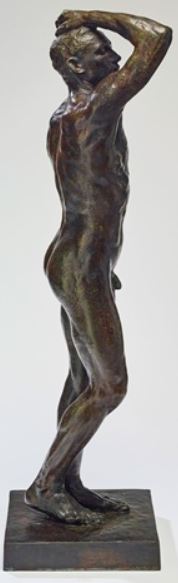 Rodin first exhibited a bronze and a plaster version of The Age of Bronze at the Cercle Artistique in Brussels in January 1877. A few months later, he exhibited the plaster at the Paris Salon, where it caused a scandal. ‘The vitality and naturalism of the sculpture was so extreme, the sense of modelling so observed, that he was accused of having cast the sculpture from the model himself,’ says the specialist.
Tudor Davies, Head of Impressionist & Modern Art in Paris, reveals why Rodin’s Salon ‘scandal’ marked a pivotal turning point in the artist’s career.
The Age of Bronze was originally conceived in 1877, and is widely considered Rodin’s first great work, ranking alongside his later masterpieces, including La Porte de l’Enfer, Le Penseur and Le Baiser. Its conception marked a decisive turning point in the sculptor’s career.

To read more: www.https://www.christies.com/features/Auguste-Rodin-The-Age-of-Bronze-sculpture-10211-3.aspx?sc_lang=en&cid=EM_EMLcontent04144A99C_1&cid=DM351034&bid=198714681#FID-10211

 Over 200 of the world’s leading international Modern and contemporary art galleries display artworks by over 4,000 artists, including paintings, sculptures, installations, photography, film, video, and digital art. Visitors can find works ranging from editioned pieces by young artists to museum-caliber masterpieces.
 The 10th EPSON International Pano Awards is dedicated to the craft and art of panoramic photography. Advances in digital photography and editing software have resulted in an ever-increasing rise in the popularity of image stitching, especially in the panoramic format. VR ‘immersive’ photography also continues to excite and develop at a rapid pace, and panoramic film photography remains alive and well.

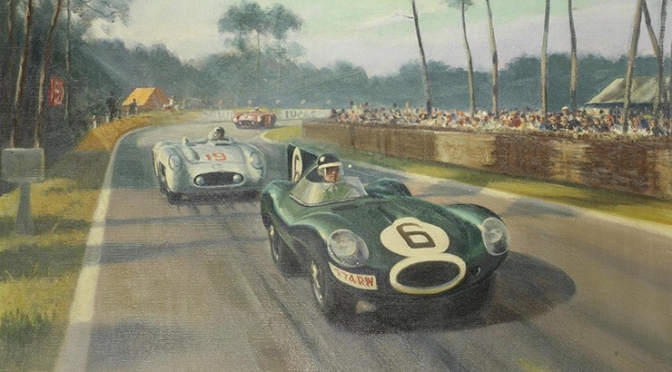
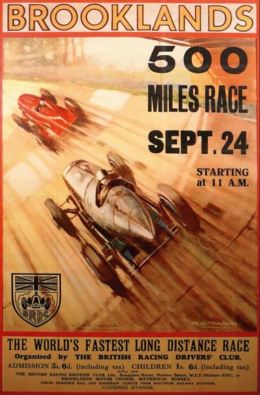 His work was displayed in many exhibitions in the UK and twenty four of his paintings were exhibited in New York in 1960. the exhibition was entitled ‘British Motoring Achievements’ and was a collection of paintings depicting outstanding performances of British cars during the previous ten years. These included the Vanwall and Cooper in Grand Prix, Monte Carlo and Alpine Rallies, speed records by MG and Austin, and Le Mans wins by Jaguar and Aston Martin.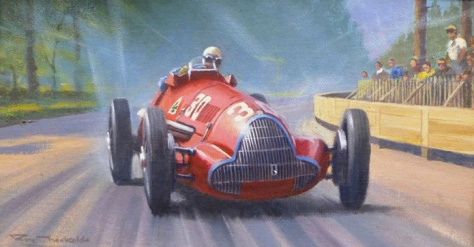

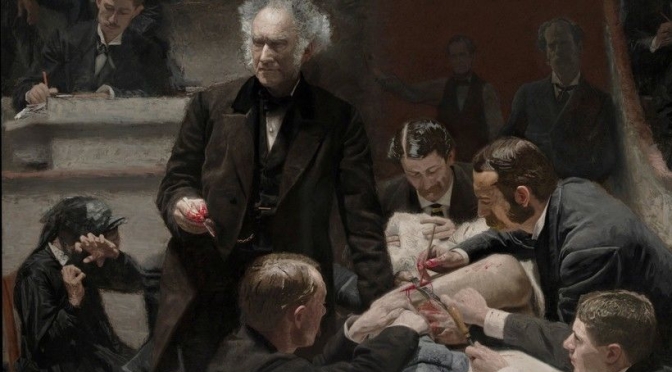
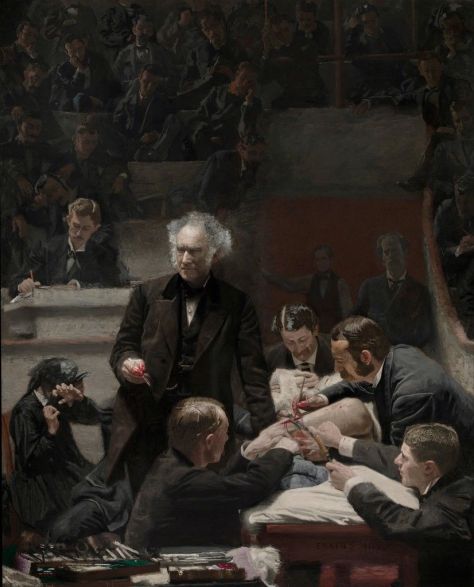
 One of the most successful artists of the Italian Renaissance, Titian was the master of the sixteenth-century Venetian school and admired by his royal patrons and fellow artists alike. Several of his contemporaries, including the authors and art theorists Giorgio Vasari, Francesco Priscianese, Pietro Aretino, and Ludovico Dolce, wrote accounts of Titian’s life and work.
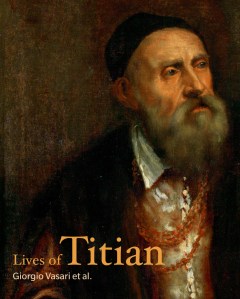 In this episode, Getty assistant curator of paintings Laura Llewellyn discusses what these “lives” teach us about Titian and the artistic debates and rivalries of his time. All of these biographies are gathered together in Lives of Titian, recently published by the Getty as part of our Lives of the Artists series.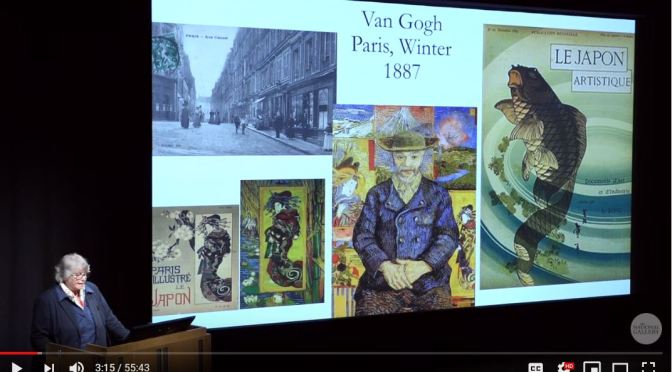
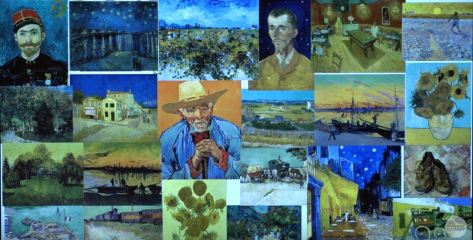
 The Credit Suisse Exhibition: Gauguin Portraits 7 October 2019 – 26 January 2020 Book tickets online and save, Members go free: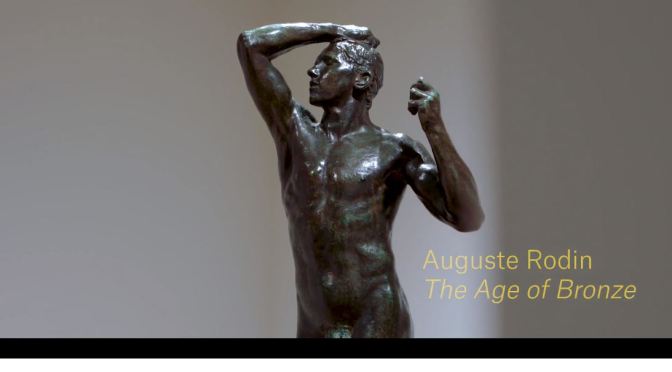
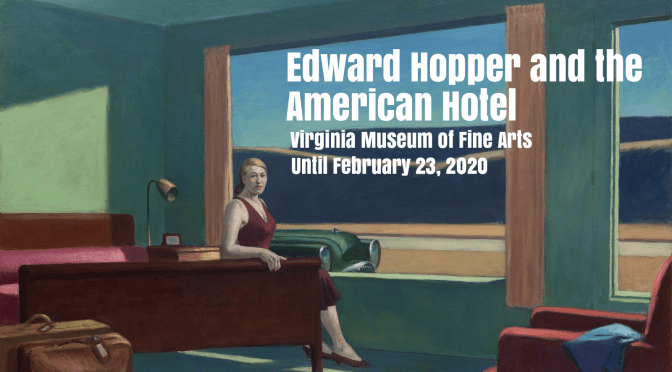
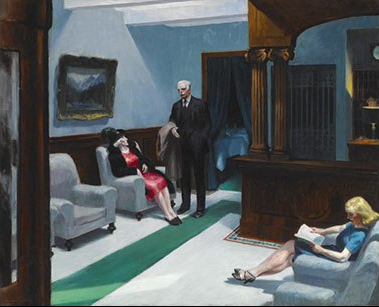 Isolation was a persistent theme in Hopper’s art and life. Was he dogged by isolation or did he pursue it? ‘Did anybody really know this silent, non-communicative man?’ asked Raphael Soyer in a 1981 interview, 14 years after Hopper’s death. His friends recollected a cynical and taciturn artist, self-doubting, introspective and distrustful of fame. But before Hopper became the painter of lonely figures in all-night diners, he was the illustrator of raucous party scenes and smiling couples waltzing together at summer fêtes.


 Boomers Daily