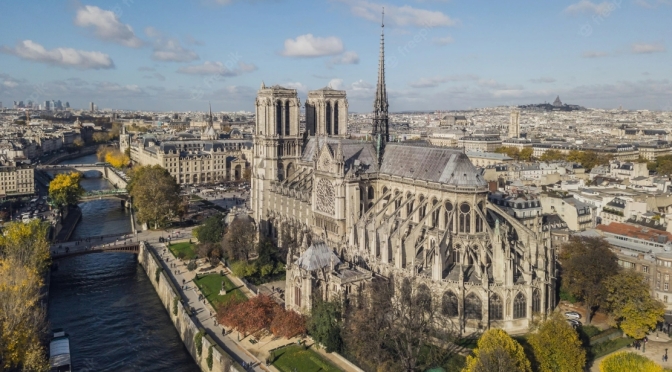
NOVA PBS Official (December 2022) – Following the April, 2019 fire that almost destroyed Paris’s iconic Notre Dame Cathedral, a team of engineers, masons, and timber workers set out on the daunting challenge of restoring France’s historic landmark.
Video timeline: 00:00 Introduction 02:10 The Aftermath of the Fire of Notre Dame 05:25 Current Efforts to Rebuild Notre Dame 07:13 Rebuilding the Roof of Notre Dame 14:12 Recreating Notre Dame’s Spire 19:40 The Use of Iron in the Structure of Notre Dame 26:00 Studying Notre Dame’s Stained Glass Windows 33:47 Hazards of Restoring the Burnt Cathedral 36:20 Cleaning the Limestone Vaulting 41:41 Carpentry Practices for Roof Restoration 45:06 Historic Changes to Stained Glass Window 49:47 Racing to Complete Notre Dame Before 2024
The program traces the dramatic human and technical challenges of the project’s first three years, going behind-the-scenes with carpenters shaping lumber for the new roof and spire, stone masons repairing gaping holes in the vault, and artisans who use traditional techniques to restore stained glass windows. A symbol of the nation’s identity and resilience, Notre Dame gradually rises from the ashes, thanks to a restoration project like no other.
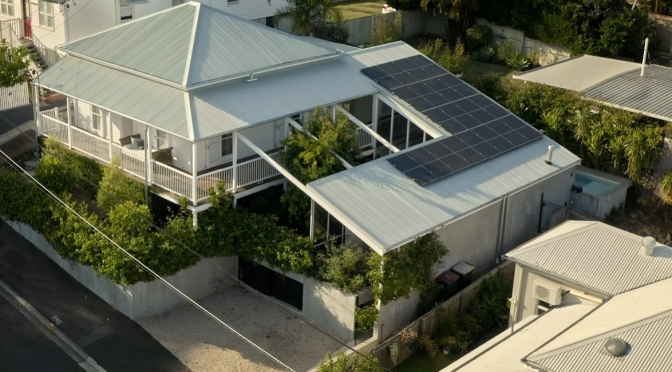
The Local Project (December 13, 2022) – Designed to feel like one is living in a garden, Cascade House by John Ellway seamlessly blends outdoor and indoor living. Located in Queensland, the family home of interior designer, stylist and client Jacqueline Kaytar is a traditional cottage home that was in dire need of repair.
Video timeline: 00:00 – Introduction to the Garden Home 00:26 – The Inner-City Location 01:14 – An Overview of the Home 01:49 – A Walkthrough of the Home 02:28 – The Key Brief of Garden Connection 02:50 – Original Timber Cottages 03:18 – Separation of Old and New 03:53 – The Kitchen 04:11 – A Seamless Integration of Fisher & Paykel 04:44 – The Fisher & Paykel Fit 05:16 – Key Materials 05:59 – A Connection of Texture and Detail 06:22 – The Connection Between Owner and Architect 06:59 – Proud Moments
Working closely with Jacqueline, the architect avoided building underneath the home to keep the streetscape intact. Instead, John Ellway used the vacant land to the side of the original cottage to provide a much-needed extension that leans into the cascading landscape of the site. Found by the client, the cottage home was in a dilapidated state, though internally and structurally the house was in good condition with a much-needed update to accommodate the contemporary needs of the family.
After bringing John Ellway on board, Jacqueline expressed an aspiration to instil a feeling like that of living in a garden. Beginning the house tour from the parking area, the entry to the home opens to the kitchen, dining and living spaces. Immediately connecting to the gardens through large glass doors and windows, the house opens up onto a grass patch for the family to enjoy. Providing the space to embrace living in a garden, the grass patch also offers a private outdoor reprieve. Connecting the new extensions with the older parts of the cottage, a breezeway also adds another layer of connection to the garden.
The private rooms sit in the old section of the cottage, with the entertainment spaces confined to the new extensions. The home’s extended veranda instils the experience of living in a garden as occupants step into the new volume. Incorporating seamless connections throughout the architecture, John Ellway has made additional interior design choices in the kitchen, adding nooks and crannies to conceal appliances and ensuring the interior architecture is kept sleek and simple.
In the kitchen, Fisher & Paykel’s integrated appliances seamlessly blend into the joinery, providing a cohesive effect. Aside from aligning with budget and aesthetic desires, John Ellway used Fisher & Paykel to coincide with the broader context of the kitchen. Focused on using key materials to further assist with the idea of living in a garden, the client and architect chose plywood, brass countertops and polished concrete to foster a warm and natural connection. Together, John Ellway and Jacqueline work to combine finishes and textures to create an uplifted and refreshing home.
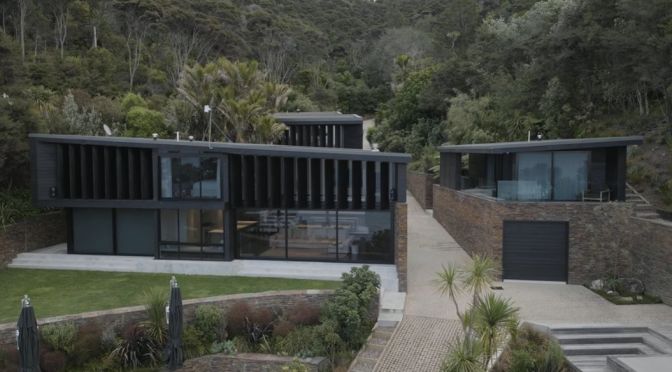
The Local Project (December 6, 2022) – On the far side of Waiheke Island – just off the coast of Auckland, New Zealand – a cabin house becomes an escape for its occupants, offering unparalleled views of the island and ocean.
Video timeline: 00:00 – Introduction to the Wooden Cabin House 00:37 – The Meaning and History Behind Waikopua 01:17 – The Original Weatherboard Bach 01:48 – A Walkthrough of the Cabin House 02:15 – Establishing Relationships Between Architect and Builder 02:37 – A Reflection of the Beach 03:35 – A Special Customised Feature 03:54 – The Method Behind the Design 04:26 – Controlling the Light 04:51 – A Durable and Evolving Material Palette 05:35 – Dash’s Collaboration Method
With architecture and interior design from Daniel Marshall Architects (DMA) and construction by Dash Build, Waikopua reinstalls a resilience through its built form and establishes a connection to the surrounding land. Originally a colonial farming site, DMA and Dash Build relay a connection to the site’s history by positioning the cabin house to embrace the green life that surrounds it.
Forming the design moving forward, the foliage and island landscape provide the basis for the modern and sculptural extensions of the home. Referencing the home’s previous iteration, the architect and builder have employed the same aluminium louvers and double-height space of the original home. With the consistency of interior design choices and detailing of weatherboards, a refined touch seamlessly transpires through each room and building.
Inspired by the idea of a campsite, the Waiheke Island cabin house takes the forms of separate accommodation units. The main pavilion houses the kitchen, living and dining rooms downstairs, whilst upstairs provides a shared bunk room and bedrooms that are detailed with honeyed timber accents to further relay the connection to the surrounds. Located just behind the main pavilions, the guest house is a separate living area, allowing for a sense of a privacy within the campsite-inspired layout. Nestled between the main pavilions, a weatherboard and concrete deck allows for an informal gathering space where guests can relax and enjoy the island life.
From entrance, the driveway becomes the focal point, used as both a guide for guests and allowing for unencumbered sightlines down to the ocean. To embrace natural light, DMA and Dash Build employed elements upon the exterior of the home to harness the changing sunlight. Able to be admired from sea, large louvered fins have been fixed at a set angle to stop the harsher light of day from coming in and provide the owners a space of reprieve.
Moreover, the materials used upon the exterior have been selected for durability against the intense environment of salt spray and the changing weather. From the black weatherboards that blend with the fauna to the tiles that reference the surrounding rockface, Waikopua by DMA and Dash Build evolves and further embeds itself into the landscape over time.
The Architectural Review December 2022 issue: Whether it’s a house, a room or a collection of objects, homes are the imprint of the people who inhabit them. Described as the ‘detritus of life’ by Sam Johnson-Schlee in this issue’s keynote, the remnants of our daily lives can say much about who we are, while the possessions we choose to display around us say more about how we want to be seen.
Charles Jencks and Maggie Keswick | Anupama Kundoo | Margarete Schütte-Lihotzky | João Batista Vilanova Artigas | Laurie Simmons | Kochi Architects Studio | Ekar Architects | Atelier Tho.A | Chat Architects | Fernanda Canales Arquitectura | Brillhart Architecture
Very few people have the resources to realise the house of their dreams, yet the results can be extraordinary. From the London home of Charles Jencks and Maggie Keswick, which is a manifestation of their postmodern fantasies, to the local materials and construction techniques of Anupama Kundoo’s Wall House in Auroville, this issue revisits houses designed by architects for themselves, and sometimes their families. Also celebrated are the winning projects of the 2022 AR House Awards, featuring innovative and intriguing dwellings from Mexico, Japan, Thailand, Vietnam and the Bahamas.
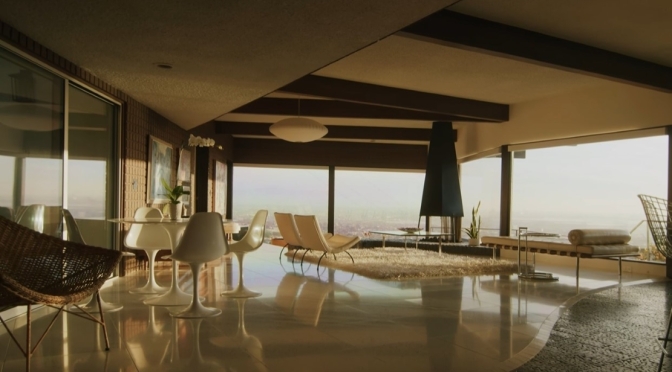
Open Space – David and Arienne are no strangers to Mid-Century Modern homes having lived in a few others years past however this one of a kind Architectural home sited upon the hillsides of San Pedro is perhaps their most special, A home built by Rolly A. Andrew in 1959.
After stepping in the home they both looked at each other and instantly knew they wanted the home, picturesque views that span from the Hollywood sign all the way past Laguna Beach, this is truly a home that was perfectly positioned to enjoy it all. Fast forward a few years, some restoration and remodeling and they share the story of what it’s like to live in such a home.
The indoor/outdoor flow alongside the walls of glass throughout the entirety of the home is something that needs to be enjoyed in person to truly understand. The Architect Rolly wasn’t particularly a well known architect and after doing some research Arienne came to find out this was Rollys first Residential project after obtaining his license. Aside from Green Hills Memorial park there isn’t much more about Rolly that David and Arienne were able to find out.
Could this be the only residential project from an architect that seemingly blended the home perfectly into the hillside or are there others out there? Driving up the coast in their restored Porsche’s to pull into the driveway of their beautifully restored home with endless views doesn’t sound like a bad day.
Dezeen (December 2022) – Continuing our 2022 review, we have collected 10 residential extensions featured on Dezeen this year, from a weathering steel structure perched on top of a bungalow to a pair of concrete volumes added to a remote farmhouse.
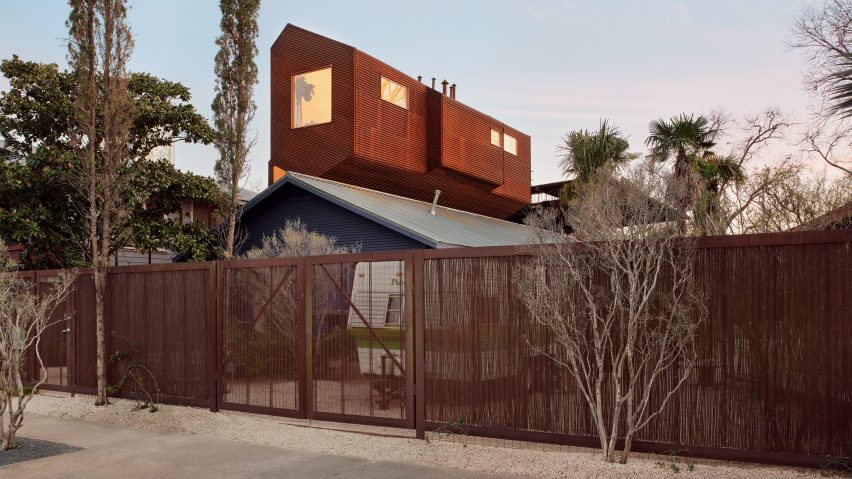
This weathering steel-clad asymmetrical house extension is perched two centimetres above a family bungalow in Austin, hence its name. Architect Nicole Blair was tasked with expanding the occupants’ living space without sacrificing any of the home’s existing back garden.
The unusually shaped extension rests on four steel columns and was assembled off-site to avoid disrupting the lot’s vegetation. Inside, living spaces are dressed in pinky hues and framed by tongue-and-groove wooden planks on the ceilings and walls.
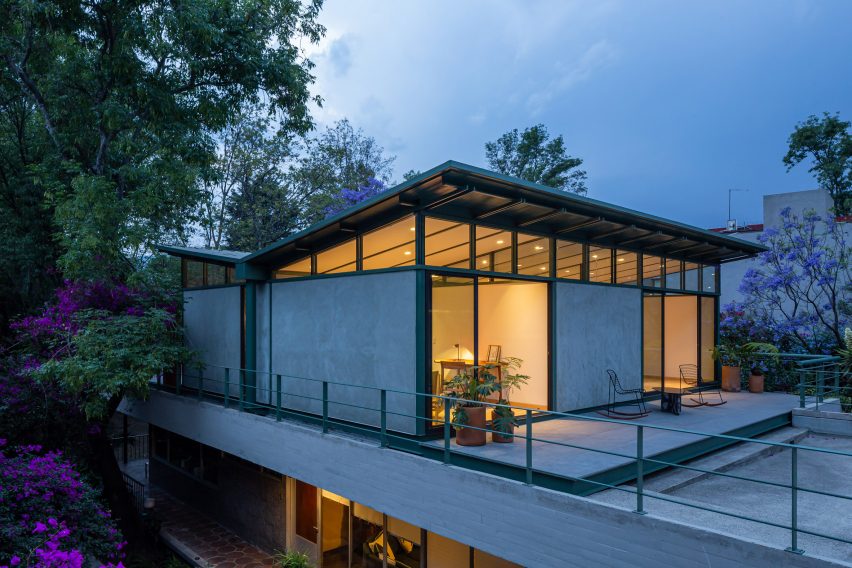
A rectilinear metallic frame in a dark shade of green forms Cascada House, an airy apartment nestled within a lush surrounding that tops an existing 1950s concrete building in Mexico City.
Architects Ana Nuño de Buen and Luis Young designed the structure with two roof slopes that drain towards a central gutter which manages rainfall, while inside, the steel structure is left exposed to create a distinctive interior.
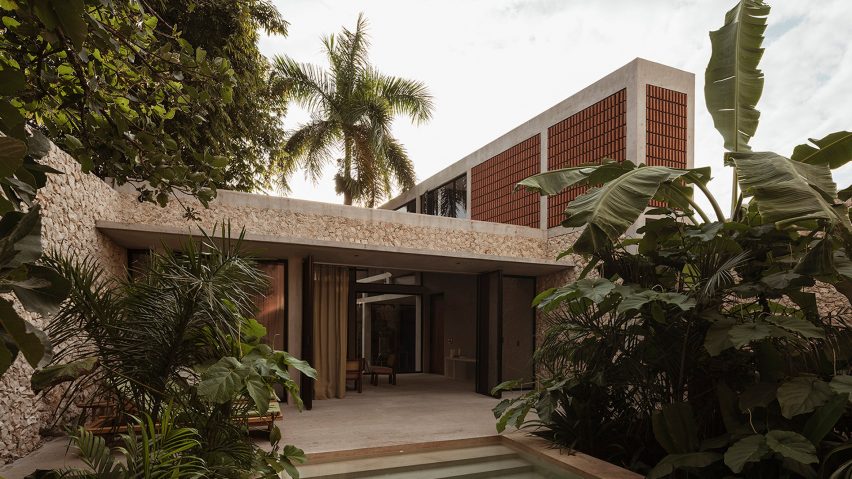
Local architect Marc Perrotta replaced a “clumsy” volume with a concrete, glass and brick extension at Casa San Cristobal, a house in Mexico’s Mérida.
Containing most of the living spaces, this two-storey, U-shaped addition creates a trio of courtyards filled with lush native plants that are designed to provide relief from the tropical heat.
Designing a modern house for a young family, Pohio Adams Architect has introduced space, light and robust materials to provide the clients with a home that would last for years.
Video timeline: 00:00 – Introduction to The Modern House 00:29 – The Architects and The Location 00:49 – A 1980s House Renovation 01:10 – The Brief 01:29 – A Walkthrough The House 02:22 – Reinstating The Original Details 02:33 – A Simple Material Palette 03:09 – Creating a Functional Home 03:21 – The Full Suite of Fisher & Paykel Appliances 03:48 – The Design of The Appliances 04:25 – The Park Setting and Views 05:08 – Working in Heritage Areas with Heritage Houses 05:40 – The Transformation of The House
Beginning the house tour from the Centennial Park entrance, the architect has reinvigorated the two formal living rooms with coffered ceilings and, where needed, has replicated the missing cornices throughout the interior architecture. Alongside this, the master bedroom has been imbued with privacy and given a luxuriously proportioned ensuite. Throughout Queens Park House, the architect has continued to infuse a fundamental connection to the gardens while also introducing a wealth of light. Responding to the client’s desire to connect to the surroundings, Pohio Adams Architects has opened the rear of the house with a series of French doors. Established to create a visual connection, the French doors enhance the modernisation of the interior while also connecting to the backyard and pool. By positioning the key living areas at the rear – the kitchen, dining and living spaces – the architect has introduced open plan living for the family’s dream home. Additionally, when designing a modern house, the architect has implemented an extra powder room and scullery laundry that sits just off the kitchen. Throughout designing a modern house, the architect has chosen black timber floors to showcase a continuity from the old parts of the home into the new. Simple oak joinery has also been employed through the main living spaces to provide a robustness and comfort to the living areas, while aged brass is used for detailing and hardware. Emphasising the home’s modern renovations, handmade Moroccan tiles have been placed in the bathrooms and kitchen. Offering comfort and warmth, the interior design connects to the exterior through material and architectural choices made by the architects when designing a modern house. To complement the interior when designing a modern house, Pohio Adams Architects has used a full suite of Fisher & Paykel appliances – including an integrated French door fridge and a kitchen island, which includes a cool drawer and full stack dishwasher, a gas cooktop, ovens and extractor hood. Following a long-standing working relationship with Fisher & Paykel, the architect has employed the brand’s appliances throughout the home to directly respond to the client’s desire to enhance the way they live for years to come.
The Local Project – Increasing the efficiency of an existing residence, Kart Projects crafts K House, a minimalist home with a considered spatial plan. A house tour of the residence reveals a dwelling strongly connected to its external garden space, speaking to the virtues of mindful design.
Video timeline: 00:00 – Introduction to the Minimalist Home 00:30 – The Brief 01:05 – Minimising the Impact on the Garden 01:29 – The Original House 01:45 – A Reference to the Extension 02:04 – A Walkthrough of the Home 02:58 – The Ceiling Registered Floorplan 03:32 – Extending the Spatial Strategies to the Garden 03:59 – The Extension 04:16 – The Material Palette 05:26 – The Perks of Designing Every Aspect
Located in the Melbourne suburb of Fairfield, House K possesses a similar architectural history to the neighbouring builds. A weatherboard residence, the existing home was slightly worn and featured a small extension that was almost unusable. The original brief requested the existing house be reinterpreted as a minimalist home with a new extension added to allow for an altered internal layout. However, the condition of the essential architecture of the house meant that a more substantial renovation was required.
The resulting minimalist home retains much of the original garden space and effortlessly connects the landscape to the interior. Though repainted, the minimalist home retains its original weatherboard façade. Only the addition of a red fence outside the building offers a clue to the renovation work that lies beyond. A house tour of the home begins with a corridor intentionally kept dark in order to showcase the artwork purchased by the client. Compressing down into a steel transition space, the corridor leads to a large pivot door.
A nearby study and library space represents the last portion of the original house. The extension space is defined by a large storage volume and day bed, which together establish different zones, including the living room and dining area. Reinforcing the spatial plan, a coffered ceiling gently delineates the areas below. Extending the spatial strategies of the interior into the garden, Kart Projects creates a series of social amenities. The pool sits elevated on one side – in proximity to an outdoor dining area – whilst the space behind is detailed by a small deck and lawn which maximise the functionality of the landscape. Turning to face the exterior of the minimalist home, occupants will see a red-painted façade exclusive to the rear of the building. In materiality, House K reflects a taste for minimalism.
The material palette is stripped back, consisting primarily of timber-lined features sitting below the coffered ceiling. In the kitchen, the visual impact of a black kitchen island and bench is contained by means of elevation, so that the amenities appear to float in place. In addition, the interior design of the home is uplifted by the inclusion of multiple skylights. Exerting influence over all aspects of the project – including the architecture, interior design and garden landscaping – Kart Projects establishes a cohesive and contemporary home. House K embodies the thorough execution of a singular design concept, expressing the importance of effective spatial planning during renovation projects.
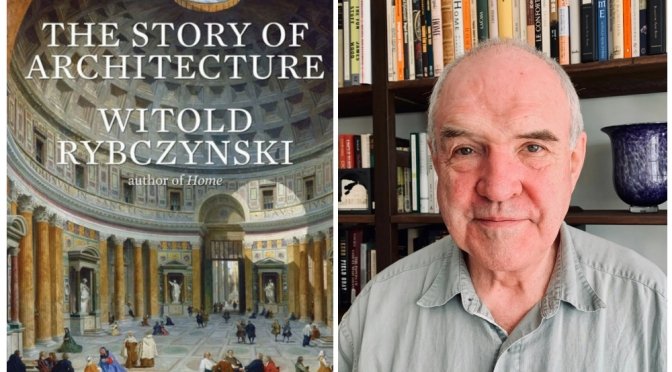
An inviting exploration of architecture across cultures and centuries by one of the field’s eminent authors
In this sweeping history, from the Stone Age to the present day, Witold Rybczynski shows how architectural ideals have been affected by technological, economic, and social changes—and by changes in taste. The host of examples ranges from places of worship such as Hagia Sophia and Brunelleschi’s Duomo to living spaces such as the Katsura Imperial Villa and the Alhambra, national icons such as the Lincoln Memorial and the Sydney Opera House, and skyscrapers such as the Seagram Building and Beijing’s CCTV headquarters. Rybczynski’s narrative emphasizes the ways that buildings across time and space are united by the human desire for order, meaning, and beauty.
This is the story of architecture’s physical manifestation of the universal aspiration to celebrate, honor, and commemorate, and an exploration of the ways that each building is a unique product of patrons, architects, and builders. Firm in opinion, even-handed, and rooted in scholarship, this book will delight anyone interested in understanding the buildings they use, visit, and pass by each day.
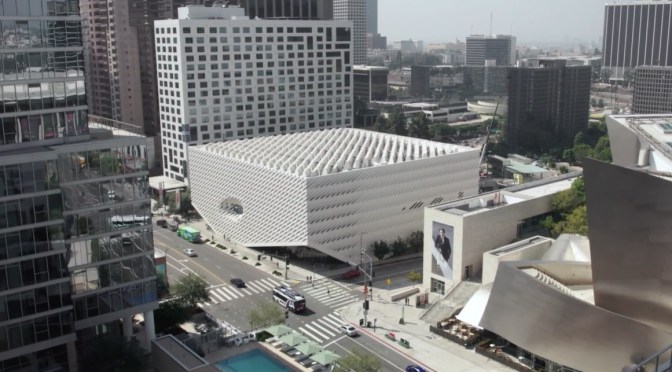
Dezeen – Architect Elizabeth Diller explains how The Broad Museum in Los Angeles was designed to feel “extremely welcoming” in the next instalment of Dezeen’s Concrete Icons series produced in collaboration with Holcim.
The video features The Broad in Los Angeles designed by Diller’s studio Diller Scofidio + Renfro, a three-storey museum that houses an expansive collection of contemporary and post-war artworks. Speaking to Dezeen in an exclusive video interview filmed at the Diller, Scofidio + Renfro office in New York City, Diller explained how the building was designed to feel inviting to visitors with a porous facade that allows light to be gently diffused into the gallery.
“It doesn’t really feel like a traditional museum,” Diller said. “There’s no sense of authority. When you step off the street, no one tells you where to go. There’s no information desk, there’s no admissions desk. You don’t pay, it’s free. It feels extremely welcoming.”
News, Views and Reviews For The Intellectually Curious







 Open Space – David and Arienne are no strangers to Mid-Century Modern homes having lived in a few others years past however this one of a kind Architectural home sited upon the hillsides of San Pedro is perhaps their most special, A home built by Rolly A. Andrew in 1959.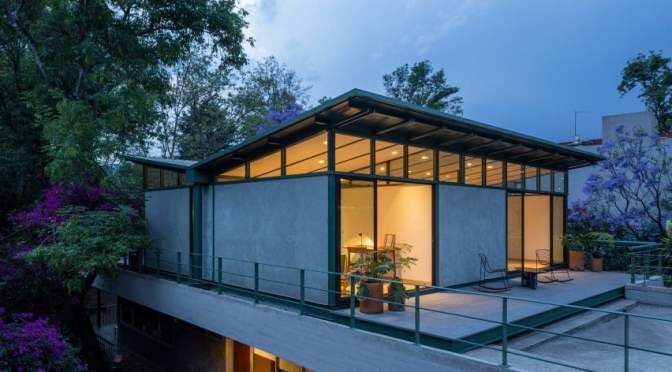




 Boomers Daily