

Take an early look at the front page of The Wall Street Journal https://t.co/sf8gs7n1t6 pic.twitter.com/u3B2n6gKsM
— The Wall Street Journal (@WSJ) August 31, 2021

Morning News: Germany’s Unpredictable Election, Untraceable Firearms
The party of Angela Merkel, the outgoing chancellor, is flailing in polls. We ask why the race has been so unpredictable and what outcomes now seem probable.
In America, obtaining a kit to make an untraceable firearm takes just a few clicks; we examine efforts to close a dangerous legal loophole. And as sensitivities change, so do some bands’ names.

Views: ‘Europe From Above’ – National Geographic UK
Europe From Above takes you on an unforgettable journey, full of unique adventures, to explore the spectacular features of six European countries: Norway, Croatia, Portugal, Switzerland, Ireland, and Iceland. Not only does this series show you the beautiful landscapes of each nation, but unravels the magical landmarks that each location has to offer.
From visiting Ireland’s precious grey seals, the magical Northern Lights of Norway and Croatia’s floating village, to exploring the Douro vineyard in Portugal, Iceland’s famous hot springs and stargazing from Swiss mountains, each adventure more exciting than the next. Come along on this trip and discover an amazing new perspectives on counties you thought you knew.

Front Page Views: The Financial Times – Aug 31

Analysis: Why Uber & Lyft Rides Got So Expensive
According to Rakuten Intelligence, the cost of a ride from a ride-sharing app like Uber or Lyft increased 92% between January of 2018 and July of 2021. Many riders have also noticed increased wait times for rides, and a recent driver shortage is likely to blame. In early July 2021, Uber and Lyft drivers were about 40% below capacity. The companies have taken notice of this driver shortage, and are investing millions worth of bonuses and base rates to convince drivers to return. But will it be enough to get drivers back on the roads?

Cover Previews: The New Yorker – September 6, 2021

Infographic: Disease & Chronic Inflammation


Walking Tour: Vernazza – Cinque Terre, Italy (4K)
Vernazza is one of the 5 centuries-old villages that make up the Cinque Terre, on northwest Italy’s rugged Ligurian coast. Colorful houses surround its small marina. The Santa Margherita di Antiochia Church has a bell tower topped by an elegant cupola. Clinging to the rocks, Doria Castle is a medieval defensive structure with a cylindrical tower. The Belforte bastion is just below it.

Cover Views: BBC Wildlife Magazine – September 2021

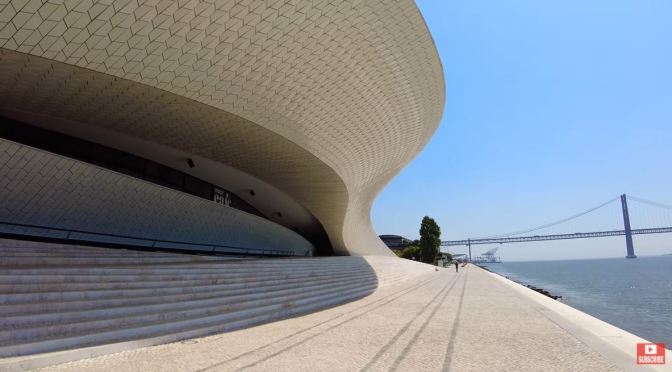
Architectural Views: MAAT Museum In Lisbon
MAAT – Museum of Art, Architecture and Technology is the new cultural centre for Lisbon. It’s a museum where these three areas intertwine within a space of debate, discovery, critical thinking and international dialogue.
It’s an innovative project which establishes a connection between the new building, designed by Amanda Levete Architects’ studio, and Central Tejo Power Station, one of Portugal’s most prominent examples of industrial architecture from the first half of the 20th century, and one of the most visited museums in the country.
MAAT’s ambition is to present national and international exhibitions by contemporary artists, architects and thinkers. The programme will also include various curatorial perspectives on EDP Foundation’s private Art Collection, reflecting current subject matters and trends.
 Boomers Daily