“We are modernizing Goddard Space Flight Center (GSFC) and its six sites for the future. A comprehensive Facilities Master Plan is an essential element in developing a blueprint for the future of our Center. Goddard recognizes the importance of fostering a work environment that is enjoyable, rewarding and aligned with meeting the challenges of tomorrow. The Master Plan will develop the infrastructure to support our business goals and missions, inform future investment decisions and respond to the growth and diversity of our mission and customer requirements. Its content will be informed by site visits, stakeholder interviews and workshops at all campuses, starting at the Greenbelt campus. This will be followed by similar efforts at the Columbia Scientific Balloon Facility in Texas, White Sands Complex in New Mexico, Wallops Flight Facility in Virginia, Goddard Institute for Space Studies in New York, and Katherine Johnson Independent Verification & Validation Facility in West Virginia.Goddard’s master plan process is scheduled to continue through 2021.
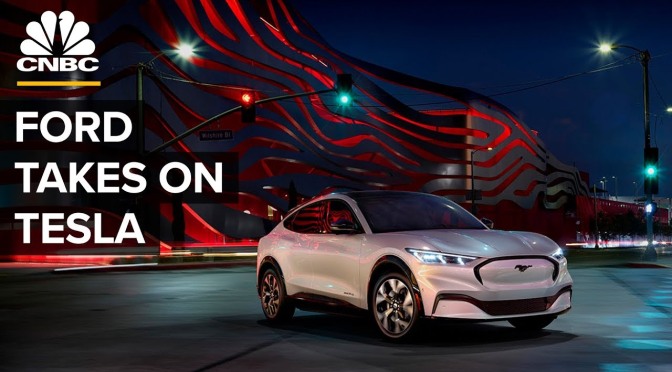
Ford is introducing a new, eco-friendly electric four-door crossover. The Mustang Mach-E is making waves in the electric car community and will compete with Tesla for satisfied drivers. Some car enthusiasts challenge Ford’s decision to replace Mustang’s namesake 8 cylinder engine. But others argue a Mustang is a Mustang.
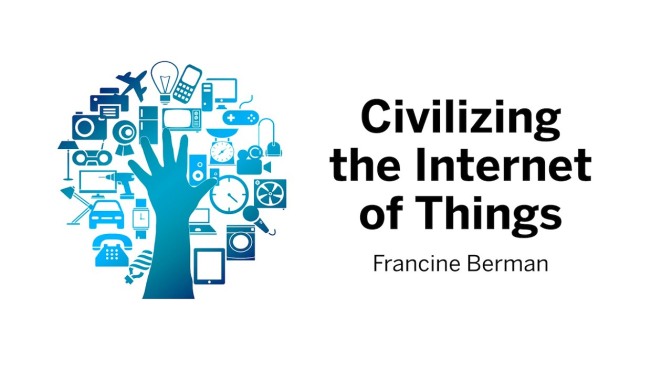
The Internet of Things (IoT) is a deeply interconnected ecosystem of billions of devices and systems that are transforming commerce, science, and society. As part of the 2019–2020 Fellows’ Presentation Series at the Radcliffe Institute for Advanced Study, Francine Berman RI ’20 explores the larger social and environmental ecosystem needed to develop an IoT that maximizes benefits, minimizes risk, and promotes individual protections, the public good, and planetary responsibility.
Berman is the Edward P. Hamilton Distinguished Professor in Computer Science at Rensselaer Polytechnic Institute (RPI). She is the 2019–2020 Katherine Hampson Bessell Fellow at the Radcliffe Institute, Harvard University.
“Research suggests that as we age, Americans will spend more of our hard-earned retirement assets on health care, such as insurance, prescription drugs, in-home care and other services that help us remain independent,” says NRMLA’s President Steve Irwin. “A retirement plan that includes the responsible use of home equity may be the best option that can help ensure healthcare spending doesn’t become a financial burden for many retired couples.”
(December 17, 2019) – Homeowners 62 and older saw their housing wealth grow by 0.3 percent or $24 billion in the third quarter to a record $7.19 trillion from Q2 2019, the National Reverse Mortgage Lenders Association reported today in its quarterly release of the NRMLA/RiskSpan Reverse Mortgage Market Index.
The RMMI rose in Q3 2019 to 259.19, another all-time high since the index was first published in 2000. The increase in senior homeowners’ wealth was mainly driven by an estimated 0.5 percent or $40.7 billion increase in senior home values, offset by a one percent or $16.5 billion increase of senior-held mortgage debt.
Listen to an audio version of our feature article by Amber Dance. Research groups around the world are exploring new ways of protecting coral reefs from climate change.
Switzerland’s Most Beautiful and Jaw-dropping Castle Hotels Switzerland’s History as a Wealthy Nation Has Resulted in More Than Its Fair Share of Castles, Palaces, and Fortresses—some Real, Some of the Hotel Variety, but All Magnificent. At the Castlelike Five-star Retreats Dotted Throughout the Country, Guests Can Enjoy Every Luxury Amenity Imaginable in Superb Settings Allowing Swiss Precision and Service to Shine, the Pristine Alpine Nation is Full of Fairy-tale-reminiscent Destinations, Here is 5 of the Country’s Most Over-the-top Castle Hotels.
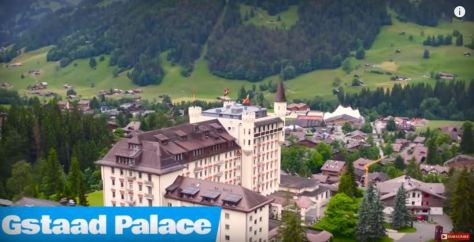
Gstaad Palace A Fairy-tale-like Property in the Alps, the 115-year-old Gstaad Palace Was Built in the Swiss Chalet Style Architecture on a Hill Overlooking the Town of Gstaad. With It’s Amazing Historic Architecture, You Couldn’t Build a Hotel Like This in Gstaad Today, Given the Strict Architectural Code That Dictates a Chalet Style, the Gstaad Palace Effortlessly Combines Old World Sophistication and Glamour With Modern Convenience and Comfort Boasting Breathtaking Views of the Swiss Alps
The Dolder Grand Towering Above Lake Zürich, Celebrating Its 120th Anniversary in 2019, Since Its Opening in 1899, the “dolder Grand Hotel & Curhaus” Soon Become the Destination for Relaxation and Rejuvenation, Although the Resort Looks Like a Centuries-old Castle, the Property is Fully Renovated and Also Offers Two Modernized, Tech-forward Wings, With Sporting Options Ranging From Golf and Tennis to Ice Skating, Ice Hockey, and Curling on the Property’s Own Rink.
Badrutt’s Palace Opulence Reigns at Badrutt’s Palace, a Neo-gothic-style Architecture Castle Overlooking Lake Saint Moritz in the Engadin Valley. The Badrutt’s Palace is a Legendary Hotel Built at the Very Beginning of International Tourism in the Alps, With It’s Extravagant Décor and Fantastic Architecture It is the Defining Landmark in Saint Moritz and Host to Many of Its Most Iconic Events and Visitors, Don’t Expect Low-key Here, This is the Type of Place Where Guests Wear Their Best Furs and Stroll Through Le Grand Hall Dripping in Jewels.
Grand Hotel Kronenhof Pontresina The Grand Hotel Kronenhof, a High End Luxury Hotel, the Neo-baroque Style Building is One of the Most Architectonically Important 19th Century Hotels in the Alps, Dating From 1848, the Hotel’s Status as Registered Landmark is Evident in Many Neo-baroque Details, Historic Architecture, Modern Light-flooded Rooms and Suites, One of the Best Spas in the World and the Prime Location in the Heart of the Swiss Alps – This Unique Mix Exuding of the Magic of a Bygone Era.
Beau-rivage Palace Lausanne The Beau-rivage Palace Lausanne Has Been an Iconic Stay on the Sparkling Shores of Lake Geneva Since 1861, the Main Building Was Constructed in Art Nouveau and Neo-baroque Style Architecture in 1908. It is Registered in the Swiss Inventory of Cultural Property of National and Regional Significance.
A Legacy of the Generous Architecture of the Late 19th Century, the Suites at the Beau-rivage Palace Are Notable for Their Spaciousness, Each One Has a Unique Colour Scheme and Its Own Particular Ambience.
For seven years, Ikea has treated the smart home as a hobby. That’s changing now that Björn Block’s Home Smart division has been promoted to the same importance as Living Room, Bedroom, and all the other Ikea businesses that have come to define the company.
Ikea faces the challenge of teaming up with Google, Amazon, Apple, and other tech giants while also battling them for primacy in the home.
From a British Journal of Sports Medicine online study release:
In studies of aerobic exercise in patients with knee OA, very few interventions met guideline-recommended dose; there were small to moderate changes in markers of cardiovascular health and no decrease in markers of systemic inflammation. These findings question whether aerobic exercise is being used to its full potential in patients with knee OA.
Objectives We systemically reviewed published studies that evaluated aerobic exercise interventions in patients with knee osteoarthritis (OA) to: (1) report the frequency, intensity, type and time (FITT) of exercise prescriptions and (2) quantify the changes in markers of cardiovascular health and systemic inflammation.
Shatner takes a comprehensive look at this singular performer, using archival sources and information culled from interviews with friends and colleagues to transport readers through William Shatner’s remarkably bumpy career: his spectacular failures and triumphs; tragedies, including the shocking death of his third wife, Nerine; and, ultimately, the resilience Shatner has shown, time and again, in the face of overwhelming odds. Author Michael Seth Starr unravels the mystery of William Shatner, stripping away the many myths associated with his personal life and his relationships with fellow actors, presenting a no-holds-barred, unvarnished look at the unique career of an inimitable performer.
In the early months of 1966, a handsome, hardworking thirty-five-year-old Canadian-born actor named William Shatner was cast as Captain Kirk in Star Trek, a troubled, low-budget science-fiction television series set to premiere that fall on NBC. Star Trek struggled for viewers and lasted only three seasons, but it found a huge, rabidly dedicated audience when it premiered in syndication following its cancellation—turning Shatner into a pop-culture icon and launching him on a career path he never could have imagined after graduating from McGill University with an economics degree twenty years earlier. As he approaches his ninetieth year, he’s still working at a furious pace as a man of boundless contradictions: by turns one of the most dissected, disliked, revered, respected, mocked, imitated, and beloved stars in the show business firmament.



 “Research suggests that as we age, Americans will spend more of our hard-earned retirement assets on health care, such as insurance, prescription drugs, in-home care and other services that help us remain independent,” says NRMLA’s President Steve Irwin. “A retirement plan that includes the responsible use of home equity may be the best option that can help ensure healthcare spending doesn’t become a financial burden for many retired couples.”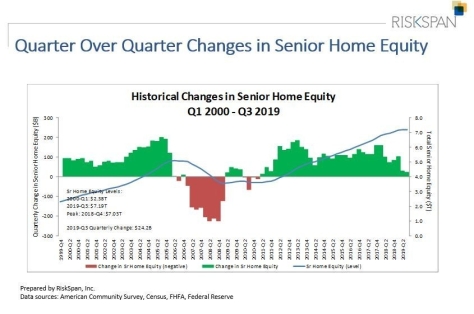

 Listen to an audio version of our feature article by Amber Dance. Research groups around the world are exploring new ways of protecting coral reefs from climate change.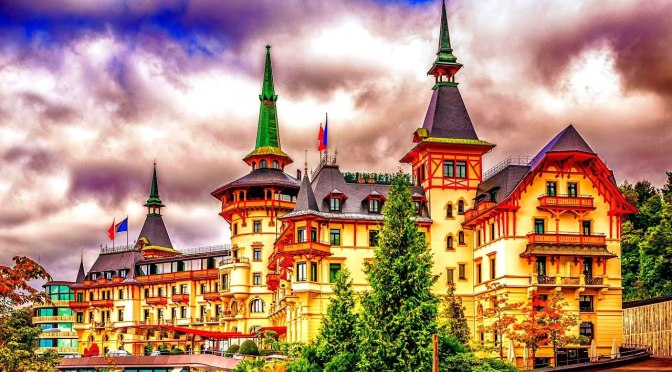


 In studies of aerobic exercise in patients with knee OA, very few interventions met guideline-recommended dose; there were small to moderate changes in markers of cardiovascular health and no decrease in markers of systemic inflammation. These findings question whether aerobic exercise is being used to its full potential in patients with knee OA.

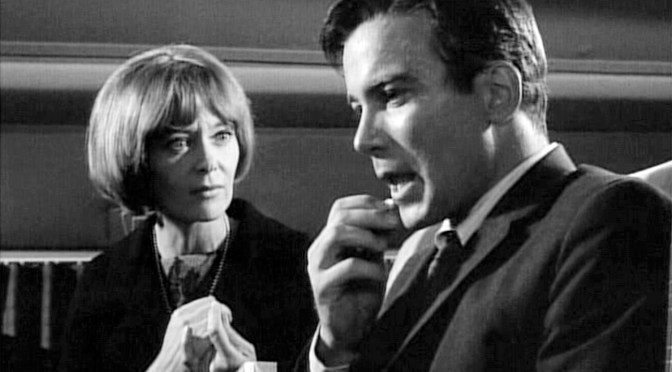
 Shatner takes a comprehensive look at this singular performer, using archival sources and information culled from interviews with friends and colleagues to transport readers through William Shatner’s remarkably bumpy career: his spectacular failures and triumphs; tragedies, including the shocking death of his third wife, Nerine; and, ultimately, the resilience Shatner has shown, time and again, in the face of overwhelming odds. Author Michael Seth Starr unravels the mystery of William Shatner, stripping away the many myths associated with his personal life and his relationships with fellow actors, presenting a no-holds-barred, unvarnished look at the unique career of an inimitable performer.
 Boomers Daily