After hundreds of years of combined experience in designing, building and cruising yachts on the open ocean, Fleming Yachts are bringing to you what will be the ultimate of cruising yachts. A brand new design from the keel up. The Fleming 85.
Watch Elon Musk at the WSJ CEO Council Summit talk about future plans for Tesla and SpaceX. Musk also reveals why he moved to Texas and shares his advice for business leaders.
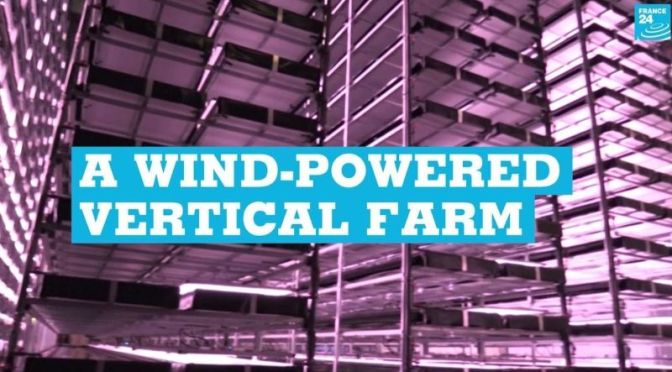
Inside a warehouse in an industrial zone in Copenhagen vast stacks of plants soar almost to the ceiling. In time, this newly opened vertical farm will be one of the largest in Europe, while power from Denmark’s windfarms will ensure it is carbon-neutral, according to the company behind it.
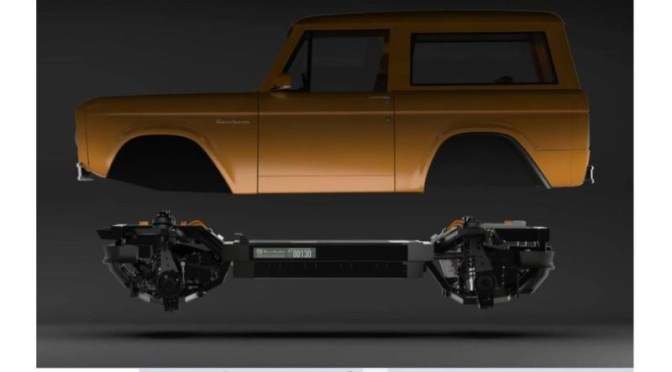
After more than 5 years of engineering and testing and use in all 2020/2021 full vehicle rebuilds, we are now proud to offer electric platforms which are designed to transform four gasoline and diesel vehicle formats each with numerous makes, models and size configurations. Final specifications and full list of available model sizes will be available prior to manufacturing.
Imagine a robot trained to think, respond, and behave using you as a model. Now imagine it assuming one of your roles in life, at home or perhaps at work. Would you trust it to do the right thing in a morally fraught situation?
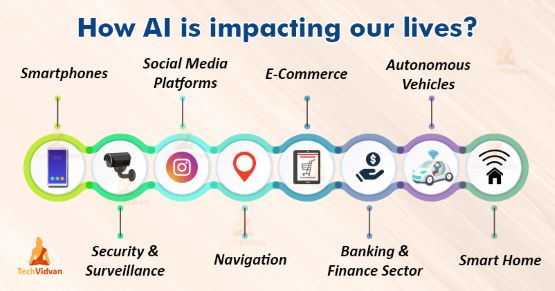
That’s a question worth pondering as artificial intelligence increasingly becomes part of our everyday lives, from helping us navigate city streets to selecting a movie or song we might enjoy — services that have gotten more use in this era of social distancing. It’s playing an even larger cultural role with its use in systems for elections, policing, and health care.
Aptera Motors has introduced the first solar electric vehicle (sEV) that requires no charging for most daily use and boasts a range of up to 1,000 miles per full charge, shattering industry performance achievements to date. Aptera leverages breakthroughs in lightweight structures, low-drag aerodynamics and cooling, material science, and manufacturing processes to deliver the most efficient vehicle ever made available to consumers. Aptera’s Never Charge is built into every vehicle and is designed to harvest enough sunlight to travel over 11,000 miles per year in most regions.
Bikes have been a hot ticket item during the Covid pandemic as more people look for recreational activities and outdoor transportation. With more bikes and other forms of micromobility on the road, transportation experts say the moment is prime for a transit upheaval in the United States. Here’s how the Covid bike boom could change the way Americans get to work and around major cities.
It’s well over a decade since Amazon launched its Prime delivery service; in fact it was 2007 when the company first introduced us to unlimited next-day shipping on what was at the time almost a million products.
But in 13 years, we have seen little change. That is, until recently. Many areas now offer same-day delivery, but behind closed doors Amazon had been working on an ambitious plan to realise almost instant delivery. The goal? Just 30 minutes, from the click of the ‘order now’ button to the tangible products, in our hands.
Every delivery company can agree that the final mile or so of a product’s journey is the most expensive. As it leaves a shipping container, and steps away from the lorry’s vessel, it enters the smallest vehicle yet – vans, and sometimes cars. Rather than carrying millions of products, a driver can now only carry a few dozen. Employing thousands of drivers comes at incredible cost to shipping companies.
Is cash still king? The coronavirus pandemic may cause a drastic decline in cash usage due to the risk of contamination. The unprecedented surge in the demand for contactless payment has also shown outstanding performances for major companies offering cashless payment methods, like Apple, Square and Paypal. Could covid-19 signal the end of cash in the United States and can the U.S. really function without physical currency?
Hyundai says it will introduce an electric vehicle-only platform early next year that will use its own battery technology to cut production time and costs.
News, Views and Reviews For The Intellectually Curious









 Boomers Daily