

Tim and Fuzz are taking on their 100th car: a 1978 MGB, which is also going to be their first electric conversion. The car formerly belonged to family man, Jeff. When Jeff sadly passed away, he left his unfinished MG project to his daughter, Caroline, who promised her father she would complete the restoration of his car. Can the Car S.O.S team help Caroline fulfil her father’s last dying wish? For more incredible car renovations, amazing engineering and heartfelt stories, watch brand new episodes of Car S.O.S. Thursdays at 8pm, on National Geographic UK. 📺
Category Archives: Technology
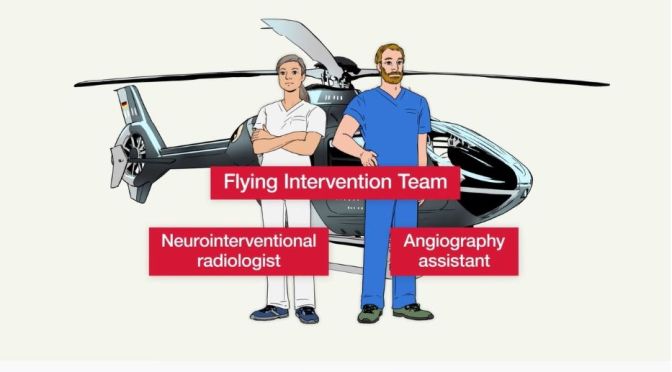
Emergency Medicine: Use Of Flying Intervention Teams In Ischemic Stroke
In a nonrandomized controlled intervention study published in JAMA, researchers in Germany assessed whether deployment of a flying interventional team, consisting of a neurointerventional radiologist and an angiography assistant, was associated with a shorter time to endovascular thrombectomy for patients in rural or intermediate population areas in Southeast Bavaria.
This video explains the study design. Click https://ja.ma/FIT for full details.
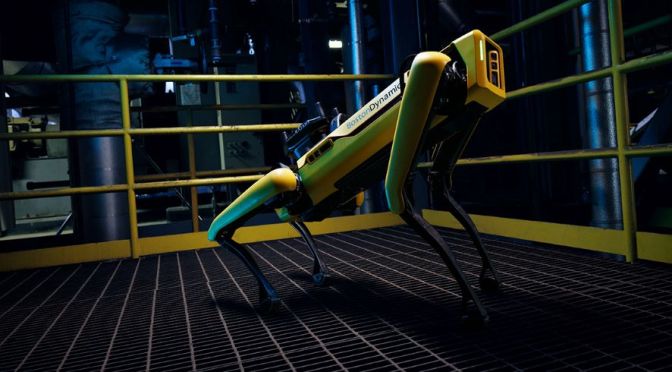
Robot Design: Boston Dynamics ‘Spot’ Demo
Over the last few years, we’ve seen our customers make huge strides in what they’ve been able to accomplish with Spot – including collecting thousands of data points to drive predictive maintenance models, building comprehensive digital twins of their construction sites, and keeping workers away from dangerous or hazardous situations. We can’t wait to see what they’ll be able to do next.
Want to learn more about Spot? Discover Spot’s latest features: https://blog.bostondynamics.com/doing…
MIT Engineering: The Design Of Living Things
In MIT class, 2.788 Mechanical Engineering and Design of Living Systems students explore how mechanics, structure, and materials intersect with biology by studying butterflies at every stage of their metamorphosis. Associate Professor Ming Guo and Associate Professor Mathias Kolle take a cross-disciplinary approach to introduce students to the engineering behind biological systems.
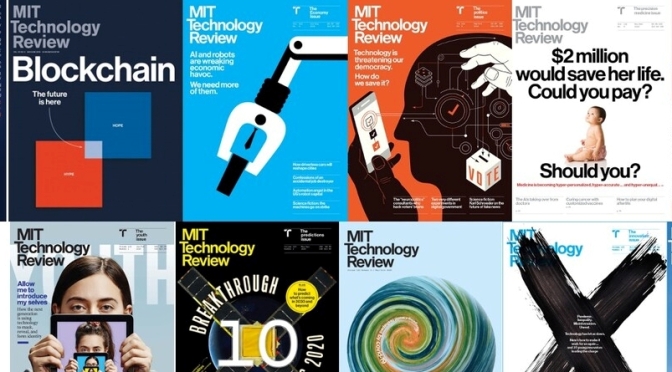
Preview: MIT Technology Review – May 2022 Issue
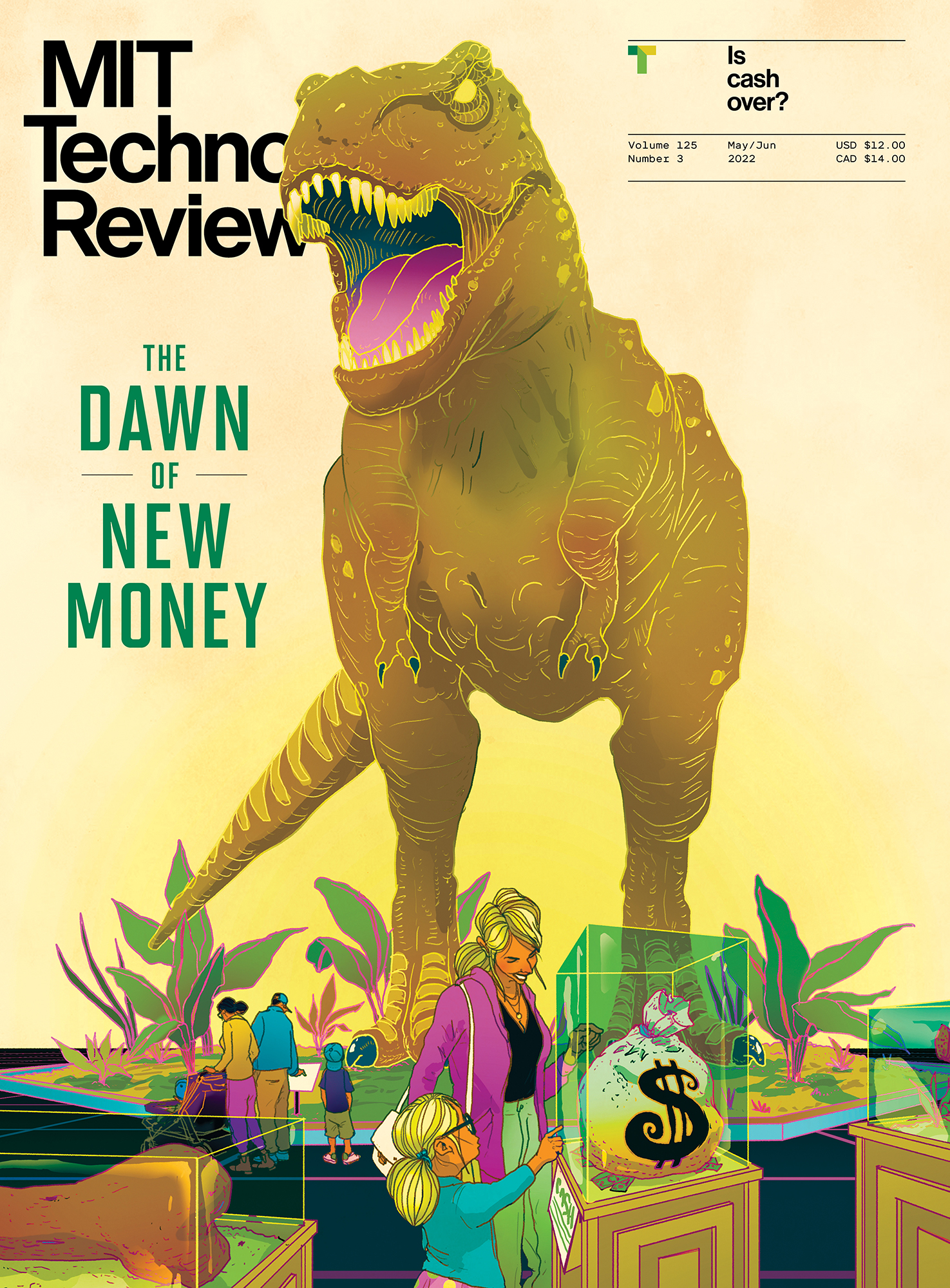
The Money issue – May 2022
Money changes everything: But who is the shift toward digital transactions really helping?
Money is about to enter a new era of competition
Digital technology is poised to change our relationship with money and, for some countries, the ability to manage their economies.
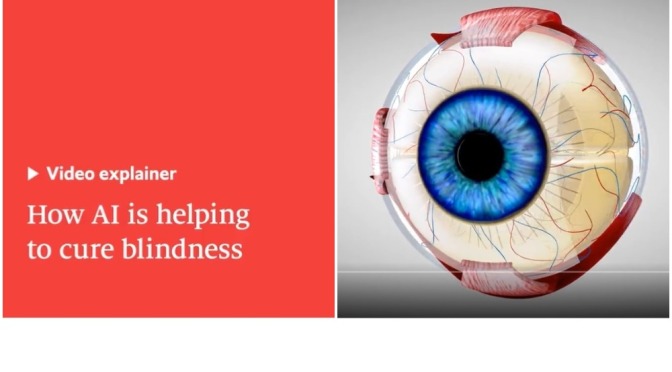
Technology: How AI Is Helping To Cure Blindness
England’s health service handles 10m clinic appointments for eyes every year. Artificial intelligence could help speed up and improve diagnoses for patients.

Science: Birds Saved From Bright Buildings, Robots Controlled From Space
On this week’s show: Saving birds from city lights, and helping astronauts inhabit robots
First up, Science Contributing Correspondent Josh Sokol talks with host Sarah Crespi about the millions of migrating birds killed every year when they slam into buildings—attracted by brightly lit windows. New efforts are underway to predict bird migrations and dim lights along their path, using a bird-forecasting system called .
Next, we hear from Aaron Pereira, a researcher at the German Aerospace Center (DLR) and a guest researcher at the human robot interaction lab at the European Space Agency. He chats with Sarah about his Science Robotics paper on controlling a robot on Earth from the International Space Station and the best way for an astronaut to “immerse” themselves in a rover or make themselves feel like it is an extension of their body.
In a sponsored segment from Science and the AAAS Custom Publishing Office, Sean Sanders, director and senior editor for custom publishing, interviews Alberto Pugliese, professor of medicine, microbiology, and immunology at the University of Miami, about a program he leads to advance research into type 1 diabetes. This segment is sponsored by the Helmsley Charitable Trust and nPod (the Network for Pancreatic Organ Donors with Diabetes).
Cover Preview: Discover Magazine – May/June 2022

World Economic Forum: Top Stories – April 22, 2022
This week The World Economic Forum are highlighting 4 top stories – new solar panels that work at night, how Lithuania has cut Russian gas imports, first aid training in Ukraine, and how new e-chopsticks can add taste to your food.
Chapters: 00:15 Solar panels that work at night 01:45 Lithuania axes Russian gas 03:21 First aid training in Ukraine 05:46 E-Chopsticks add taste
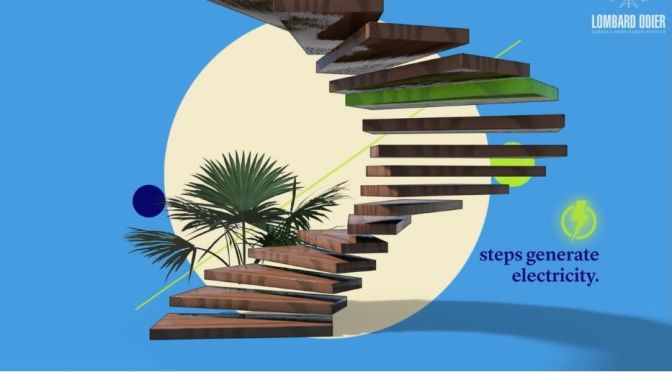
Sustainability: 8 Ideas That Will Change The World
Diving into some of the most innovative ideas across retail, city planning, policy, technology and construction. Ideas that will truly change the way we think about sustainability in 2022
 Boomers Daily