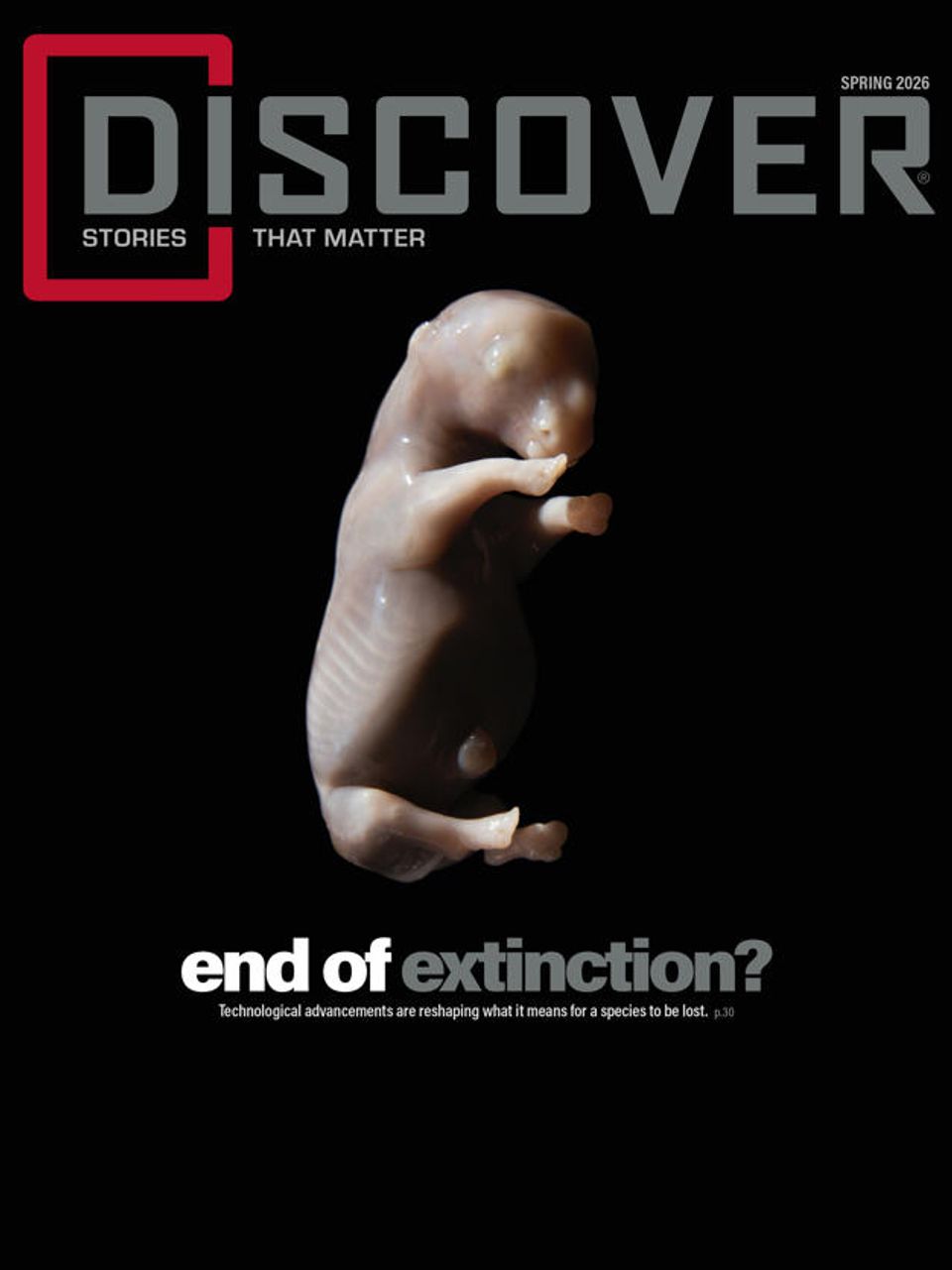
This feature dives into the ethics and technology behind “resurrection biology.” It tracks the progress of teams working on the Woolly Mammoth and the Thylacine (Tasmanian Tiger). Rather than just “cloning,” the article explains how researchers are using CRISPR to edit the genomes of living relatives to recreate extinct traits, questioning whether these hybrids truly represent the lost species or are simply “proxies” for a vanished world.
2. Ancient DNA and the Human Speed-Up
Drawing from a groundbreaking study, this piece explores how human evolution didn’t slow down after the dawn of agriculture—it accelerated. By analyzing 2,000-year-old genetic samples, researchers found that the transition to farming and dense city living forced our immune systems and metabolisms to evolve faster in a few millennia than they had in the previous 50,000 years.
3. The “Headless Wonder”: The Death of Comet MAPS
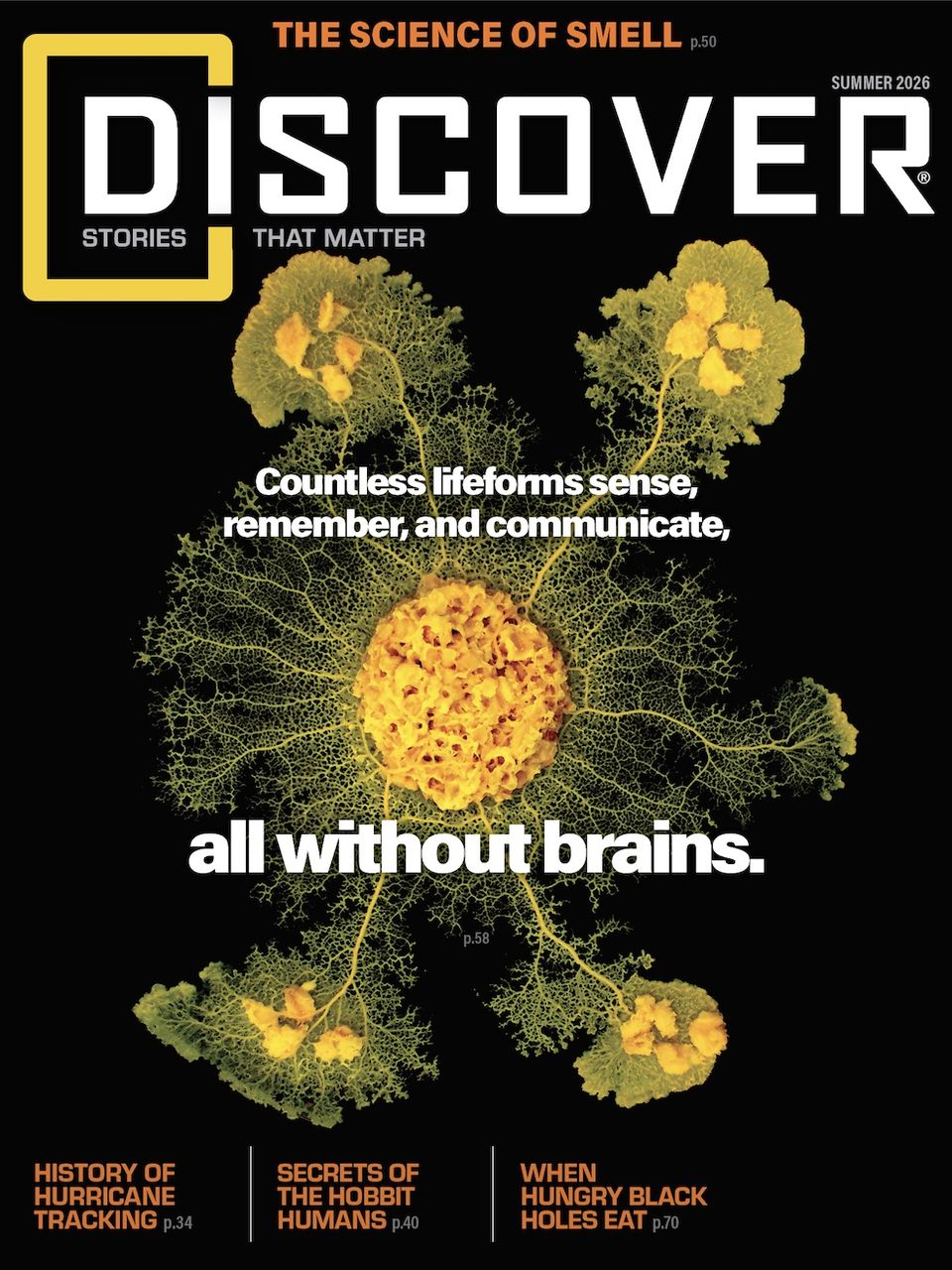
A standout in the space section, this article chronicles the dramatic disintegration of Comet C/2026 A1 (MAPS). Discovered only in early 2026, the comet skimmed the sun on April 4th and lost its nucleus entirely. Astronomers explain the “headless wonder” phenomenon—where a comet’s tail continues to drift through space without its head—and what its fragile structure reveals about the early solar system.
4. Starquakes: The Archaeology of Red Giants
Using data from “stellar archaeology,” this article describes how vibrations inside stars—known as starquakes—are allowing scientists to see hidden magnetic fields. By linking the magnetism of modern white dwarfs to their earlier lives as red giants, researchers have created a “fossil record” of a star’s evolution, offering a preview of what might happen to our own Sun in several billion years.
5. Artemis II: The Far Side and Beyond
Following the safe return of the Artemis II crew, this long-form report provides the first detailed look at the data gathered during their moon flyby. It highlights the crew’s record-breaking distance from Earth and their observations of the “Grand Canyon of the Moon”—the South Pole-Aitken basin. The article shifts focus to the upcoming Artemis III mission, discussing the challenges of establishing a long-term lunar base.
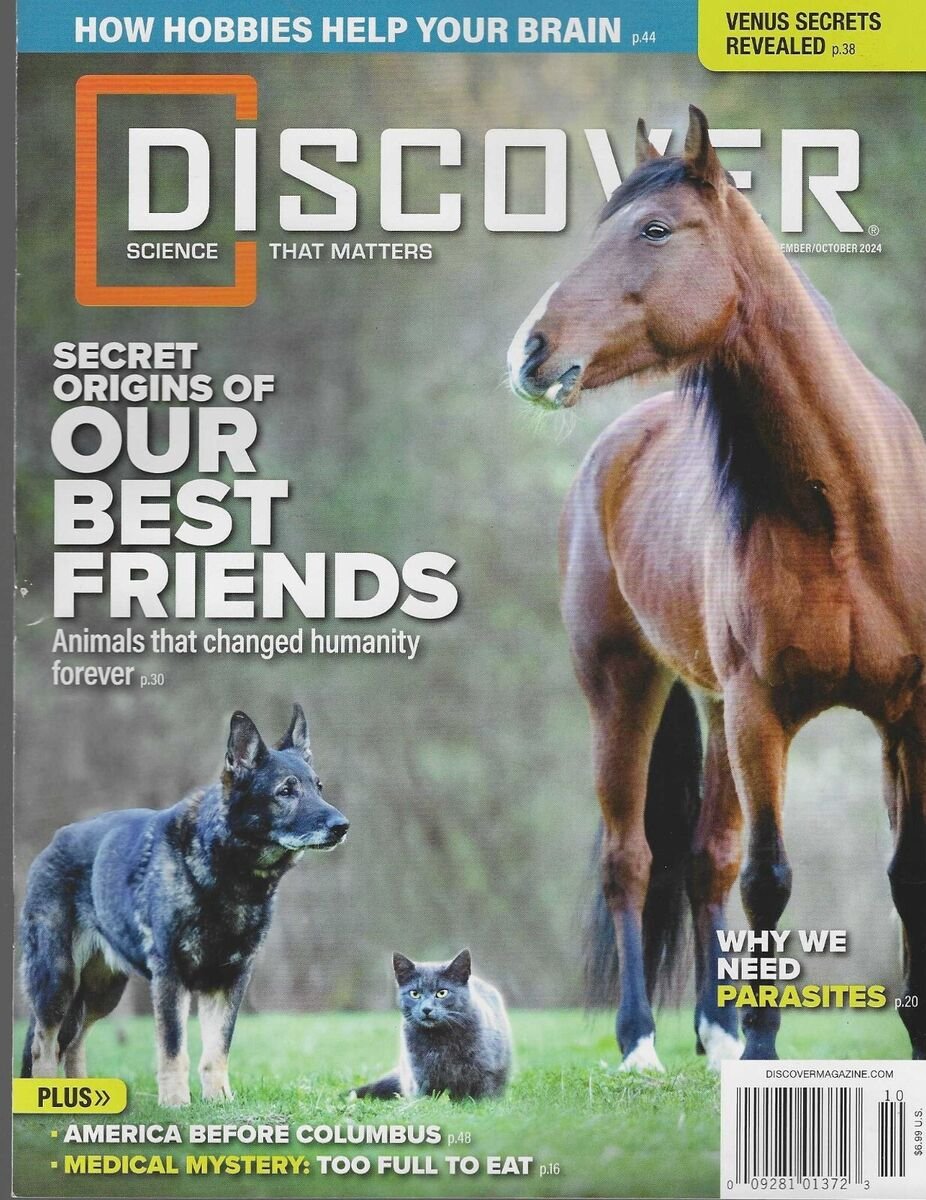
Climate change is putting parasites — the unseen pests running our planet — in peril, but a small band of scientists is fighting to save them from extinction. By Kate Golembiewski
What Goes On Inside the Mind of a Dog?
Help researchers understand the underpinnings of dog personality and behavior with these Citizen Science projects.
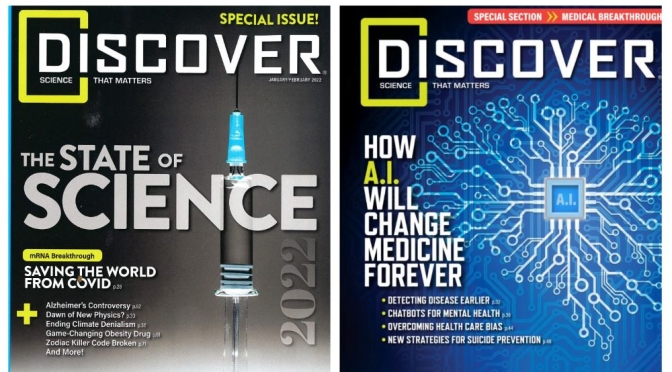
Discover Magazine (June 30, 2024): The latest issue features ‘Next-Gen Medicine’ – Recreating human organs on microchips; Inside the new Opioid Crisis; History’s strangest sleep study and Prehistoric Family Secrets…
Cellular Cleanup Crew Fasting and caloric restriction both can ramp up autophagy, a kind of cellular housekeeping. When cells are in famine mode and don’t have to break down food, they pause their usual tasks and stop dividing. Instead, they work on repairing and recycling damaged components, and cleaning out dead or harmful cell matter. Alison Mackey/Discover
…It seems fasting triggers a dramatic switch in the body’s metabolism, according to a paper Mattson and colleagues published in February in the experimental biology journal FASEB. In humans, fasting for 12 hours or more drops the levels of glycogen, a form of cellular glucose. Like changing to a backup gas tank, the body switches from glucose to fatty acids, a more efficient fuel. The switch generates the production of ketones, which are energy molecules that are made in the liver. “When the fats are mobilized and used to produce ketones, we think that is a key factor in accruing the health benefits,” says Mattson.


![Discover Magazine Subscription [6 issues]](https://img.discountmags.com/products/extras/4577-discover-cover-2024-july-1-issue.jpg)
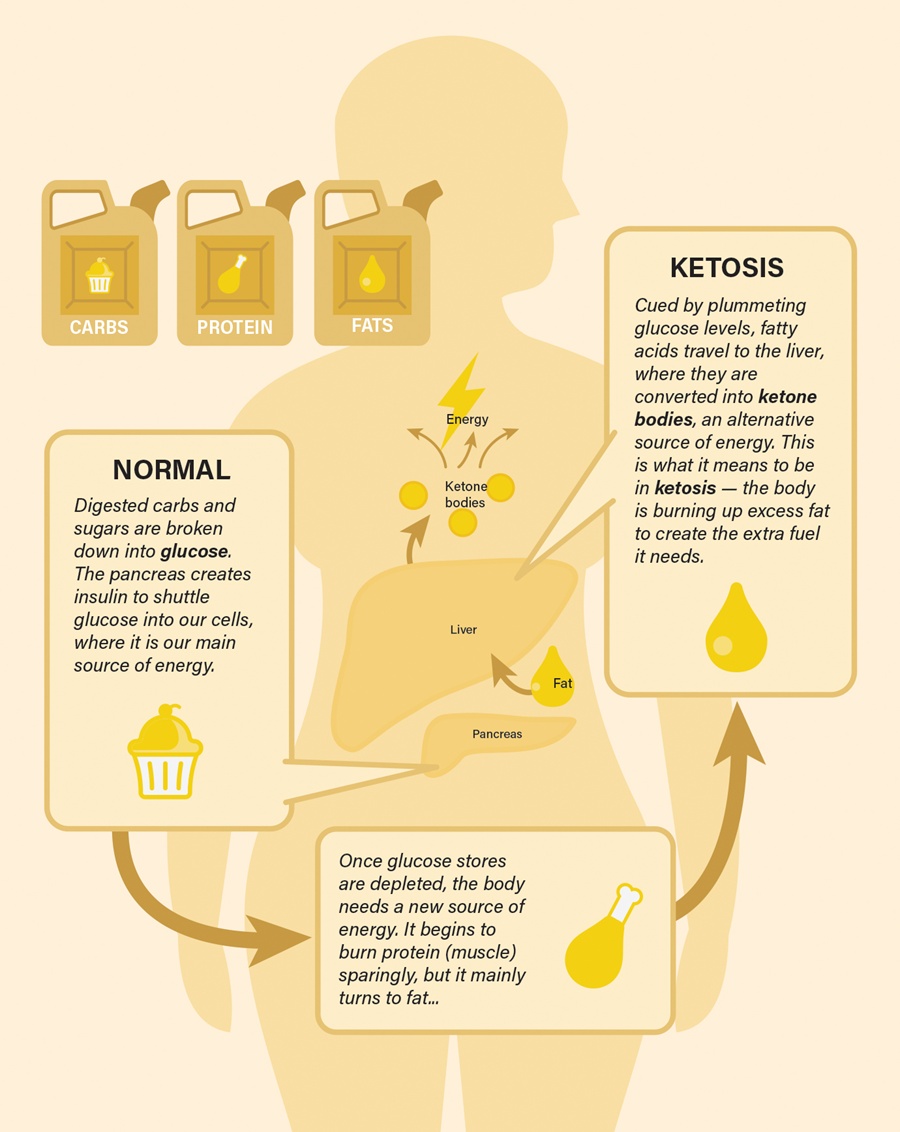
 to a paper Mattson and colleagues published in February in the experimental biology journal FASEB. In humans, fasting for 12 hours or more drops the levels of glycogen, a form of cellular glucose. Like changing to a backup gas tank, the body switches from glucose to fatty acids, a more efficient fuel. The switch generates the production of ketones, which are energy molecules that are made in the liver. “When the fats are mobilized and used to produce ketones, we think that is a key factor in accruing the health benefits,” says Mattson.
 Boomers Daily