Category Archives: Studies

Research: Older Adults’ Memory Benefits From High-Intensity Workouts (No Change W/ Moderate)

From a MedicalXpress.com online release:

largepreviewResearchers suggest that intensity is critical. Seniors who exercised using short, bursts of activity saw an improvement of up to 30 percent in   performance while participants who worked out moderately saw no improvement, on average.

Researchers at McMaster University who examine the impact of exercise on the brain have found that high-intensity workouts improve memory in older adults.

Studies: Surging Number Of Deaths From Heart Failure Tied To Aging Population, Obesity Rates

From a Wall Street Journal online article:

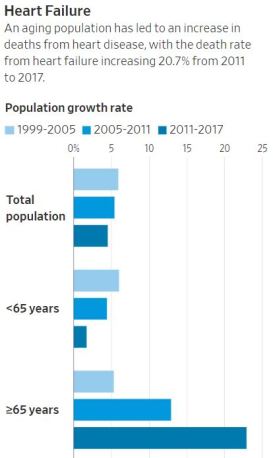
The rapid aging of the population, together with high rates of obesity and diabetes in all ages, are pushing both the rate and number of deaths from heart failure higher, the study said. Most deaths from heart failure occur in older Americans, but they are rising in adults under 65, too, the study showed.

Heart Failure Increase in Aging PopulationThe findings help explain why a decadeslong decline in the death rate from cardiovascular disease has slowed substantially since 2011 and started rising in middle-aged people, helping drive down U.S. life expectancy.

Deaths from heart failure, one of the nation’s biggest killers, are surging as the population ages and the health of younger generations worsens.

The death rate from the chronic, debilitating condition rose 20.7% between 2011 and 2017 and is likely to keep climbing sharply, according to a study published Wednesday in the journal JAMA Cardiology.

To read more: https://www.wsj.com/articles/heart-failure-deaths-rise-contributing-to-worsening-life-expectancy-11572411901

Dementia Studies: Healthy Sleep, Diet And Exercise Changes Boost Cognition

From a Wall Street Journal online article:

Alzheimer's & Dementia JournalMr. Chambers, a 48-year-old physical therapist in Jersey City, N.J., modified his sleep, diet and exercise routines. Eighteen months later, his performance on a battery of cognitive tests improved, particularly in areas like processing speed and executive function, such as decision-making and planning.

Most surprising, says Dr. Isaacson, is that the MCI patients who followed at least 60% of their recommendations showed cognitive improvement. However, MCI patients who followed less than 60% of the recommendations experienced cognitive declines similar to the control groups, he notes.

Mr. Chambers is among 154 patients in a study, published Wednesday in Alzheimer’s & Dementia: The Journal of the Alzheimer’s Association, that doctors say shows encouraging results. Among healthy patients, people who made changes in nutrition and exercise showed cognitive improvements on average. People who were already experiencing some memory problems also showed cognitive improvement—if they followed at least 60% of the recommended changes.

To read actual study: https://els-jbs-prod-cdn.literatumonline.com/pb/assets/raw/Health%20Advance/journals/jalz/JALZ_2985-1572445934507.pdf?mod=article_inline

To read more: https://www.wsj.com/articles/the -link-between-diet-exercise-and-alzheimers-11572427802


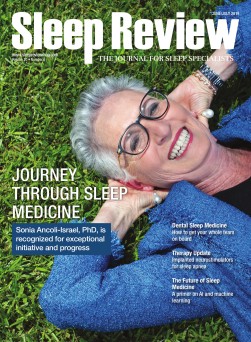
Health Studies: Immune System Cells Rewire And Repair During Sleep

From a Sleep Review Magazine online release:
Sleep Review June July 2019The current study points to the role of norepinephrine, a neurotransmitter that signals arousal and stress in the central nervous system. This chemical is present in low levels in the brain while we sleep, but when production ramps up it arouses our nerve cells, causing us to wake up and become alert. The study showed that norepinephrine also acts on a specific receptor, the beta2 adrenergic receptor, which is expressed at high levels in microglia. When this chemical is present in the brain, the microglia slip into a sort of hibernation.

New research shows that immune cells called microglia—which play an important role in reorganizing the connections between nerve cells, fighting infections, and repairing damage—are primarily active during sleep.

The findings, which were conducted in mice and appear in the journal Nature Neuroscience, have implications for brain plasticity, diseases like autism spectrum disorders, schizophrenia, and dementia, which arise when the brain’s networks are not maintained properly, and the ability of the brain to fight off infection and repair the damage following a stroke or other traumatic injury.

To read more: http://www.sleepreviewmag.com/2019/10/during-sleep-immune-cells-rewire/?ref=cl-title

Health Studies: Exercise Found To Improve Blood Vessels For People With Heart Failure

From a Science Daily online release:

“People with heart failure cannot do everything that a healthy individual can, so the question becomes how much exercise can they handle and what type of impact will it have on their health,” Emter said. “We found that regardless of intensity level, some type of physical activity was good for heart health compared to no exercise at all.”

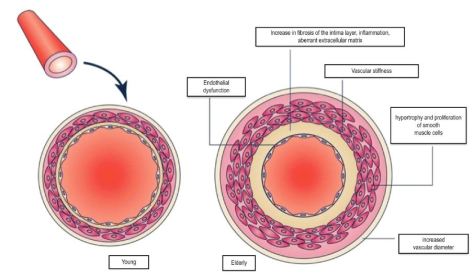
Artery Stiffness

Now, research from the University of Missouri has found exercise can improve the health of blood vessels in the heart for people with heart failure. The finding is based on a study looking at swine, which have very similar blood vessels and heart muscles — both structurally and functionally — as humans.

To read more: https://www.sciencedaily.com/releases/2019/10/191022174402.htm

Health Podcasts: Stable Blood Sugar Can Lower Alzheimer’s Risk (NPR)

NPR Health News“The risk for dementia is elevated about twofold in people who have diabetes or metabolic syndrome (a group of risk factors that often precedes diabetes),” Holtzman says. 
…poor sleep is a known risk factor for Alzheimer’s. So maintaining normal blood sugar levels in Alzheimer’s patients could improve their sleep and might even slow down the disease, she says.

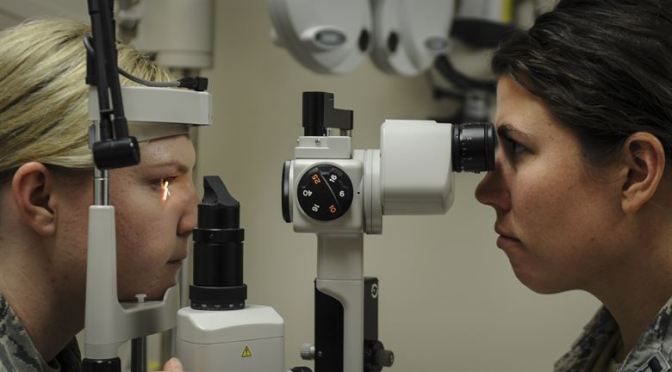
Medical Technology: 3D Deep-Learning Systems Show Promise For Automated Detection Of Glaucoma (Lancet Audio)

Lancet Digital HealthOur 3D deep-learning system performed well in both primary and external validations, suggesting that it could potentially be used for automated detection of glaucomatous optic neuropathy based on SDOCT volumes. Screening with the deep-learning system is much faster than conventional glaucoma screening methods (ie, by experienced specialists), can be done automatically, and does not require a large number of trained personnel on site. Further prospective studies are warranted to estimate the incremental cost-effectiveness of incorporating this artificial intelligence-based model for screening for glaucoma, both in the general population and among at-risk people.
To read more: https://www.thelancet.com/journals/landig/article/PIIS2589-7500(19)30085-8/fulltext

Harvard’s “Housing America’s Older Adults 2019” Study Highlights Increasing Housing Cost Burdens For The 65+

From a Harvard Joint Center for Housing Studies report:

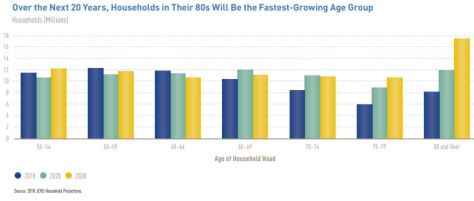
As both the number and share of older households in the United States increase to unprecedented levels, inequalities are becoming more evident. Within the 65-and-over age group, most recent income gains have gone to the highest earners, and the number of households with housing cost burdens has reached an all-time high. Ensuring that middle- and lower-income households in this age range have the means to live affordably and safely in their current homes or move to other suitable housing will be a growing challenge.

Over the Next 20 Years, Households in Their 80s Will Be the Fastest-Growing Age Group Harvard

Meanwhile, many households in the 50–64 year-old age group have not recovered from the Great Recession, leaving them with lower incomes and homeownership rates than their predecessors at similar ages. For the nearly 10 million households in this age group that are cost burdened, ensuring financial and housing security in retirement will be a struggle.


https://www.jchs.harvard.edu/sites/default/files/Harvard_JCHS_Housing_Americas_Older_Adults_2019.pdf

Health Care: How “Non-Profit” Hospitals Are Driving Up Medical Costs

From an NPR online article:

Yale School of Public HealthThe irony is most hospitals are “nonprofit,” a status that makes them tax exempt. Many (but not all) do enough charity work to justify tax benefits, yet it’s clear nonprofit hospitals are very profitable. They funnel much of the profits into cushy salaries, shiny equipment, new buildings, and, of course, lobbying. In 2018, hospitals and nursing homes spent over $100 million on lobbying activities. And they spent about $30 million on campaign contributions. Health industries have also been funneling hefty sums into dark money groups. But their political power isn’t just the result of lobbying or electioneering. Hospitals are often the biggest employers in states and cities across America.

recent study by Yale School of Public Health economist Zack Cooper and colleagues takes a look at hospital politics and helps shed light on why American health care is so insanely expensive.

Cooper and his colleagues have spent years investigating whether this was true, filing Freedom of Information Act requests and crunching data. They’ve uncovered evidence that suggests it was true. They find that legislators who were on the fence and voted “yea” for the legislation were 700% more likely to see a large bump in Medicare payment rates to hospitals in their district. Between 2005 and 2010, Congress shelled out over $2 billion to 88 hospitals through the horse-trading Section 508 provision. It was a clear win for these hospitals, which spent the money on more equipment, buildings, services, and staff.

To read more: https://www.npr.org/sections/money/2019/10/15/769792903/how-non-profit-hospitals-are-driving-up-the-cost-of-health-care

Health Studies: Better Diets Reduce Side Effects Of Sleep Deprivation

From a Stanford Medicine online release:

American Journal of Lifestyle MedicineIn a study published online Sept. 10 in the American Journal of Lifestyle Medicine, Hamidi, along with other Stanford researchers, examined survey results on sleep and nutrition from 245 Stanford physicians and found that a better diet is associated with reduced side effects of sleep deprivation. 

Physicians face significant barriers to eating well at work due to long hours, a heavy workload and limited access to healthy meals, snacks and drinks. The findings of this study suggest that by providing healthy options at work, employers could help reduce the brain fogginess, difficulty concentrating and irritability caused by poor sleep among health care providers. And, as a result, help improve patient care.

“Potential mechanisms for the effect of diet on cognitive performance include regulation of hormones, neurotransmitters, and blood flow as well as reduction of oxidative stress and inflammation. The effects of diet on sleep quality have been attributed to the role of dietary factors in regulation of peripheral circadian clocks and to the synthesis of hormones and neurotransmitters that are involved in sleep regulation.”

To read more: http://med.stanford.edu/news/all-news/2019/10/to-fight-effects-of-sleep-deprivation–reach-for-healthy-snacks-.html