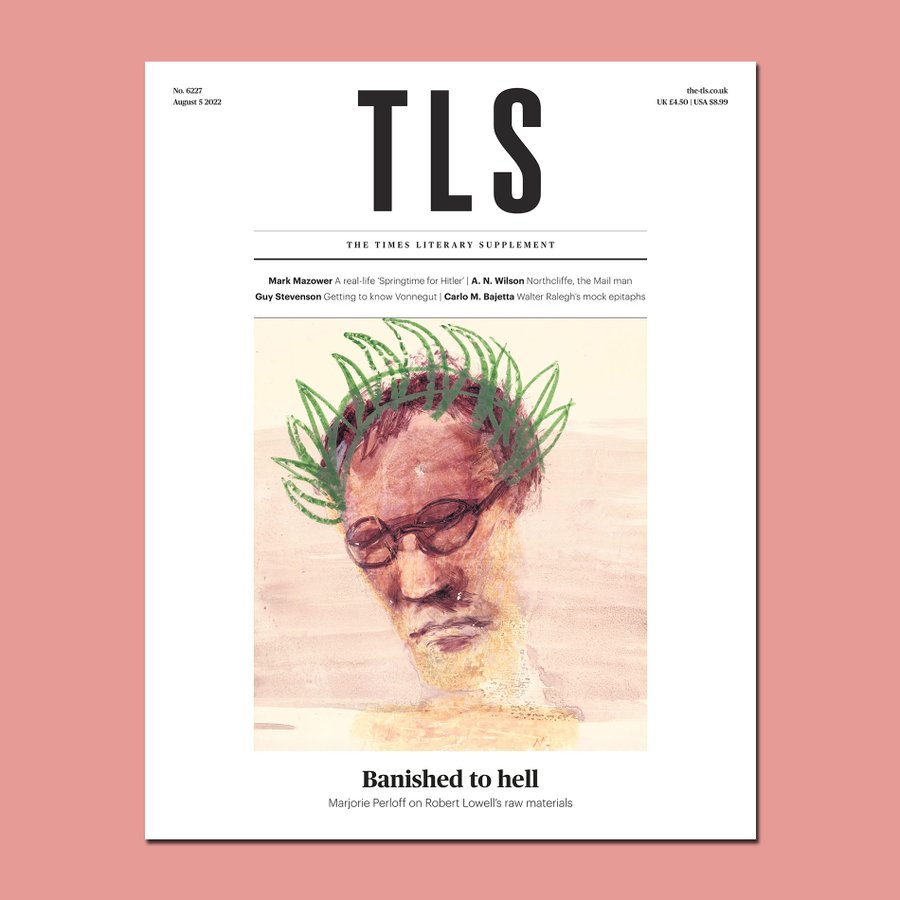
This week’s @TheTLS , featuring Marjorie Perloff on Robert Lowell’s Memoirs; A. N. Wilson on Lord Northcliffe; @funesdamemorius on Aleister Crowley; @MarenMeinhardt on Manon Gropius; @JuliaBell on Lillian Fishman; @chrismullinexmp on political lives – and more.
A.M. Edition for Aug. 3. U.S. House Speaker Nancy Pelosi concluded a visit to Taiwan today, pledging to preserve democracy on the island in the face of growing threats from mainland China.
WSJ senior China correspondent Brian Spegele says that Beijing’s response to the visit –which includes new military exercises around Taiwan and a ban on certain Taiwanese products – is still just getting underway. Luke Vargas hosts.
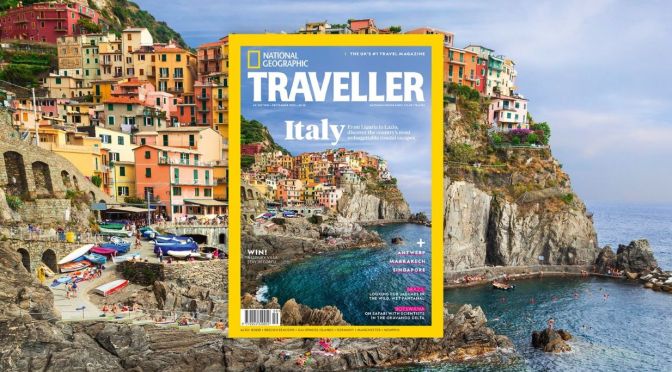
The September issue of National Geographic Traveller (UK) is out now. The cover story this month focuses on the Italian coast, which encapsulates the very best of the country.
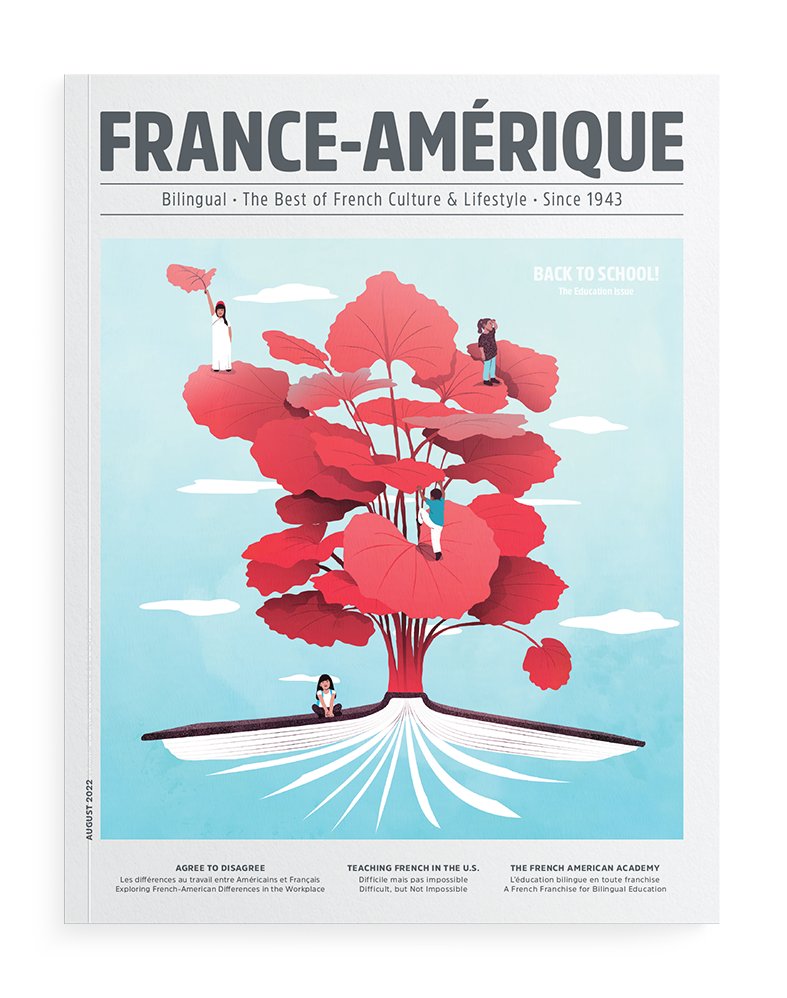
France-Amérique Magazine, August 2022 – This month, we celebrate French education in all its diversity. Read our investigation on how to become a professeur de français in the United States (Spoiler: It’s difficult, but not impossible); meet the French couple behind the first franchise for bilingual education in North America; and discover the latest edition of our French Education Guide, a comprehensive state-by-state directory of French dual-language programs in the United States. And because summer is not over yet, visit the Hôtel Les Roches Blanches, a hotspot for Art Deco enthusiasts on the Mediterranean coast; read all about les espadrilles; and meet American pastry chef Amanda Bankert, the donut queen of Paris!
For decades Ayman al-Zawahiri was the chief ideologue of the terrorist group. We ask what his death in Afghanistan means for the broader jihadist movement.
A vote on abortion in Kansas today is a sharp test of the electorate following the gutting of Roe v Wade. And remembering Diane Kennedy, an indefatigable food writer and champion of Mexican cuisine.
A selection of three essential articles read aloud from the latest issue of The Economist. This week, what happened to the Ukrainians who fled to Russia, how the sun is both our creator and destroyer (27:56), and how magicians won the attention economy (34:32).
For the past three decades, China has been furiously turning farmland into instant cities, transforming a heavily agrarian society into one with nearly 64 percent of its population now urbanized. In recent years, though, affluent Chinese have started to rediscover their culture’s deep roots in the countryside and the lure of the nation’s often dramatic landscapes. Architects like Ma Yansong, who founded MAD Architects in Beijing in 2004, are now busy exploring new ways of connecting the constructed environment to the natural one. Ma often talks of his notions of shanshui culture, referring to the Chinese words for “mountain” and “water” and to design inspired by a reverence for earth and sky. Yet his approach is anything but traditional. Instead, it aims to reinvent nature—for example, crafting an opera house in Harbin to look as if it were sculpted by wind and water and calling a 5 million-square-foot residential complex in Beihai with rolling roofs Fake Hills.
Finland debates whether to put a stop to Russian tourist visas. Plus: Senegal goes to the polls amid a crackdown on the opposition, a flick through the day’s papers, and a round-up of climate news.
At a time when the threat of authoritarianism is rising, Democrats have a duty to make crystal clear to voters what is at stake in the November elections.
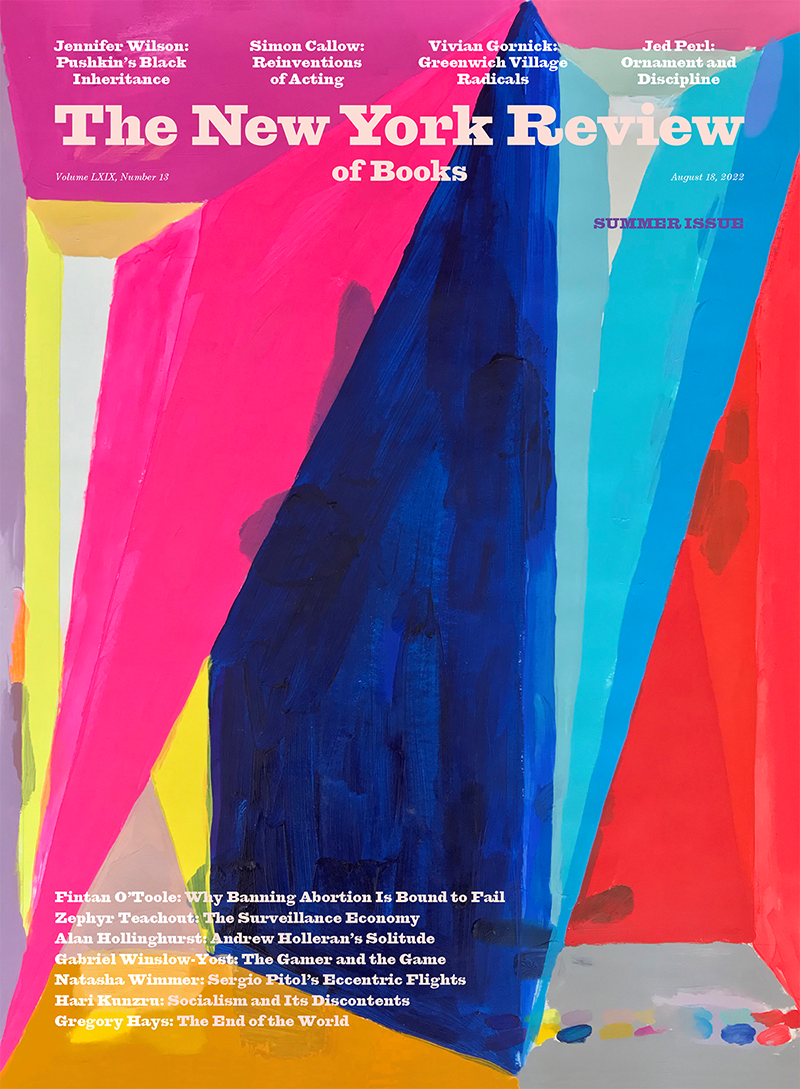
In Andrew Holleran’s novels, the inescapable narrowness of his world is transcended and given poetic resonance by his close and steady attention to pain and loneliness.











 Boomers Daily