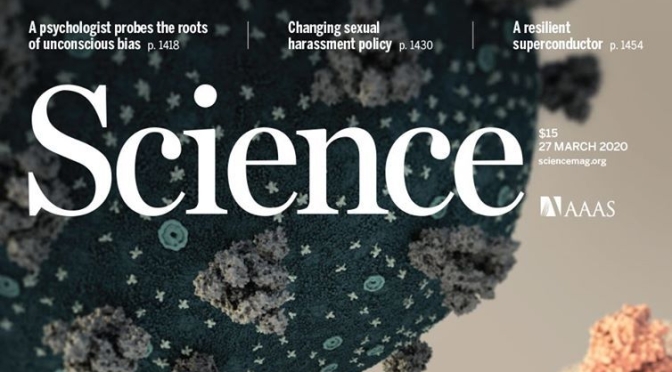
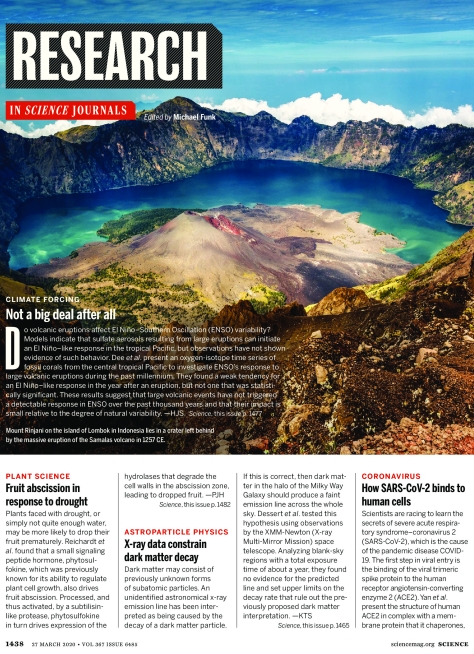
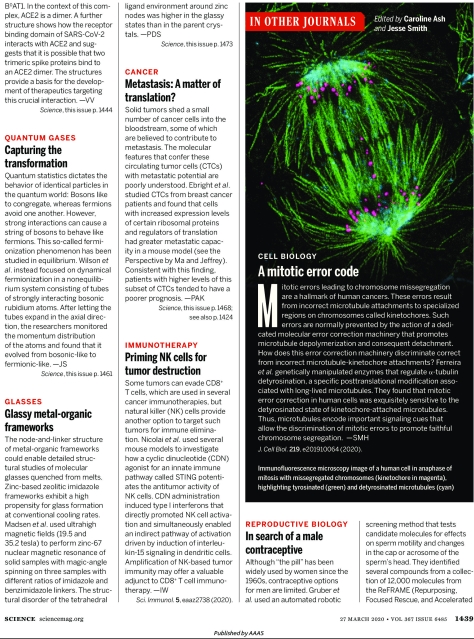

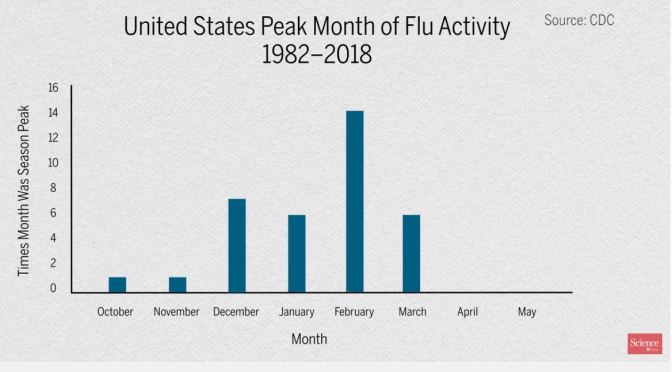
Scientists and doctors have observed for thousands of years that some diseases, like polio and influenza, rise and fall with the seasons. But why? Ongoing research in animals and humans suggests a variety of causes, including changes in the environment (like pH, temperature, and humidity) and even seasonal and daily changes to our own immune systems. Figuring out those answers could one day make all the difference in minimizing the impact of infectious disease outbreaks—such as COVID-19.
 Researchers have developed an ultra-fast electrical switch that they hope can be used in communication and imaging applications.
 In this episode:
01:57 Speedy switches
Researchers have developed an ultra-fast electrical switch that they hope can be used in communication and imaging applications. Research Article: Nikoo et al.
08:14 Research Highlights
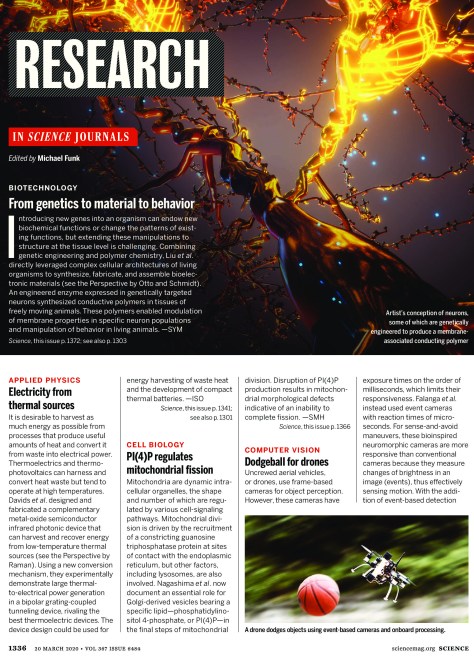
Using sound to estimate glacial retreat, and building a dodgier drone. Research Highlight: Underwater microphones listen as as glacier retreats; Research article: Falanga et al.
10:32 Algorithmic heart diagnosis
Scientists have developed a new algorithm which calculates the amount of blood pumped by the heart beat by beat. Research Article: Ouyang et al.; News and Views: AI tracks a beating heart’s function over time
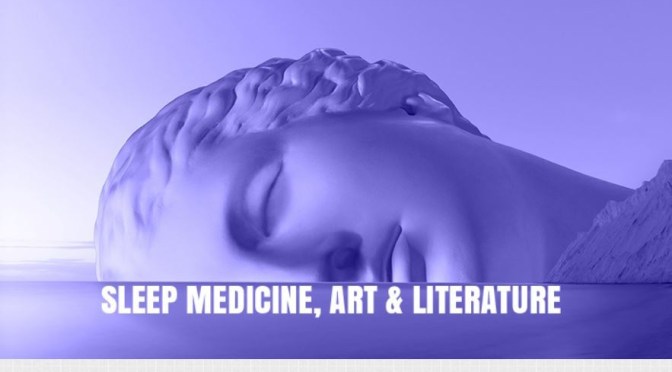
Sleep medicine, art and literature – ars longa, vita brevis. Organised by the Sleep Medicine Section 4 February 2020.
Professor Meir Kryger, Author and Professor, Yale School of Medicine – Sleep Disorders & Effective Treatments.
Lecture: Sleep in art: A 7000 year odyssey
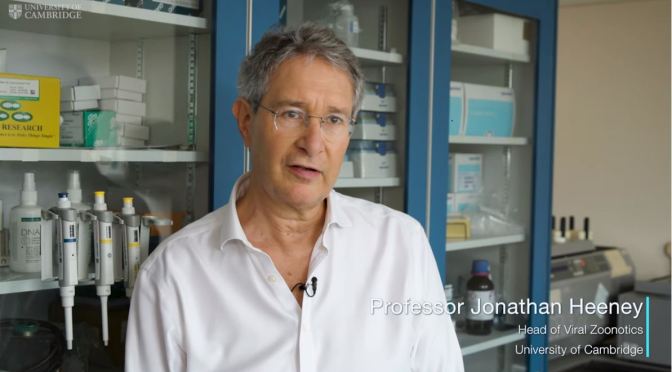
The race is on to find a vaccine against the new COVID-19 coronavirus. Professor Jonathan Heeney explains why a cautious approach is needed and how his team is using new technology developed for influenza and Ebola viruses to target the new infection.
It is hard now to conceive that two months ago, few people had heard of the new coronavirus. Now, the virus, which causes the disease COVID-19, has spread to every corner of the globe. The World Health Organization has officially declared the outbreak a pandemic.
With the threat of hundreds of thousands – possibly millions – of people being infected and healthcare systems becoming overwhelmed, the race is on to develop a vaccine that will protect individuals and slow the spread of the disease. But Professor Jonathan Heeney, Head of the Laboratory of Viral Zoonotics at the University of Cambridge, and one of the people working on a vaccine, says that coronaviruses present a particular challenge to vaccine developers.
Coronaviruses are named after their appearance: they are spherical objects, on the surface of which sit ‘spike’ proteins. The virus uses these spikes to attach to and invade cells in our body. Once inside, the virus uses the cell’s own machinery to help itself replicate and spread throughout the body, causing disease and allowing it to transmit onwards.
Traditionally, scientists would develop vaccines that programme the body to produce antibodies that recognise and block these spikes. But this strategy can misfire with coronaviruses due to a phenomenon known as ‘antibody-induced enhancement’ or ‘vaccine-induced enhancement’, says Heeney.
“If you make antibodies against the spike, they can end up binding to it and helping the virus invade important immune cells known as monocyte-macrophages. Rather than destroying the virus, these cells can then end up being reprogrammed by the viruses, exacerbating the immune response and making the disease much, much worse than it would otherwise be.”
\This video from Harvard Medical School’s HMX Fundamentals Immunology online course offers a high-level overview of the immune system at work in the context of daily life.
Scientists lead the way in repairing the cathedral, while discovering historical insights along the way.
 On this week’s show, host Joel Goldberg talks with science journalist Andrew Curry about archaeological finds from thousands of years ago along the shores of Northern Europe. Curry outlines the rich history of the region that scientists, citizen scientists, and energy companies have helped dredge up.
Also this week, from a recording made at this year’s AAAS annual meeting in Seattle, host Meagan Cantwell speaks with Elizabeth Margulis, a professor at Princeton University, about musical memory. Margulis explains what research tells us about how our brains process music, and dives into her own study on how Western and non-Western audiences interpret the same song differently.
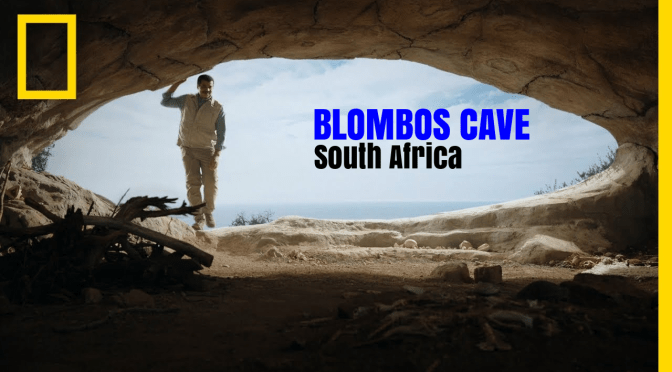
See the first laboratory on Earth – Blombos Cave. Here our ancestors conducted the first chemistry experiments.
Blombos Cave is an archaeological site located in Blomboschfontein Nature Reserve, about 300 km east of Cape Town on the Southern Cape coastline, South Africa. The cave contains Middle Stone Age (MSA) deposits currently dated at between c. 100,000 and 70,000 years Before Present (BP), and a Late Stone Age sequence dated at between 2000 and 300 years BP. The cave site was first excavated in 1991 and field work has been conducted there on a regular basis since 1997, and is ongoing.
The excavations at Blombos Cave have yielded important new information on the behavioural evolution of anatomically modern humans. The archaeological record from this cave site has been central in the ongoing debate on the cognitive and cultural origin of early humans and to the current understanding of when and where key behavioural innovations emerged among Homo sapiens in southern Africa during the Late Pleistocene. Archaeological material and faunal remains recovered from the Middle Stone Age phase in Blombos Cave – dated to ca. 100,000–70,000 years BP – are considered to represent greater ecological niche adaptation, a more diverse set of subsistence and procurements strategies, adoption of multi-step technology and manufacture of composite tools, stylistic elaboration, increased economic and social organisation and occurrence of symbolically mediated behaviour.
The most informative archaeological material from Blombos Cave includes engraved ochre, engraved bone ochre processing kits, marine shell beads, refined bone and stone tools and a broad range of terrestrial and marine faunal remains, including shellfish, birds, tortoise and ostrich egg shell and mammals of various sizes.[20][21][22] These findings, together with subsequent re-analysis and excavation of other Middle Stone Age sites in southern Africa, have resulted in a paradigm shift with regard to the understanding of the timing and location of the development of modern human behaviour.
From Wikipedia






 Boomers Daily