

This video shows the volume of water that each country uses in a year, represented in giant plastic bottles. Not all countries are represented, only a few, for more information visit the source in the description.
Category Archives: Reviews
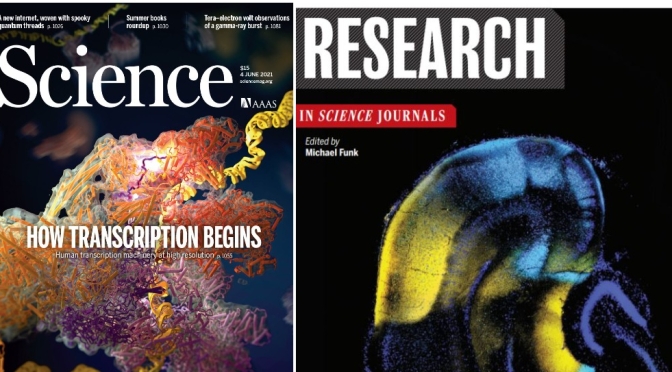
TOP JOURNALS: RESEARCH HIGHLIGHTS FROM SCIENCE MAGAZINE (June 4, 2021)

Analysis: How Will Fossil Watches Survive? (Video)
The global watchmaking industry has changed since the introduction of the smartphone and as demand for fitness trackers and smartwatches grow. Legacy watchmakers, like Fossil, have had to adapt and give customers new reasons to keep timepieces on their wrists. The company has been planning for the future by bringing its own smartwatches to market, initiating a multi-year turnaround plan and focusing on growing markets in China and India. But will that be enough?
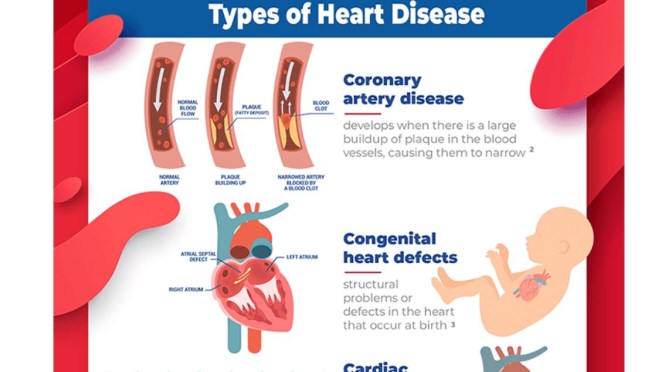
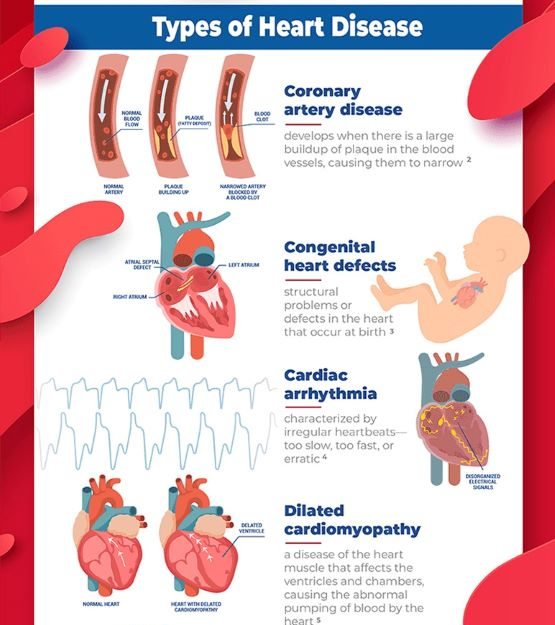
Infographic: Types And Causes Of Heart Disease


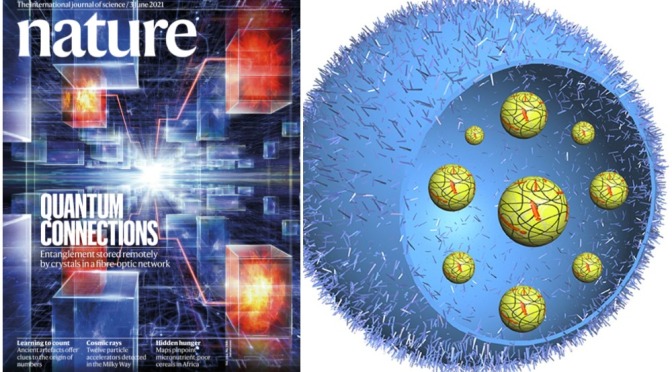
Research Highlights: Nature – June 3, 2021


Technology: $23 Billion Plan For Australia To Solar Power Singapore
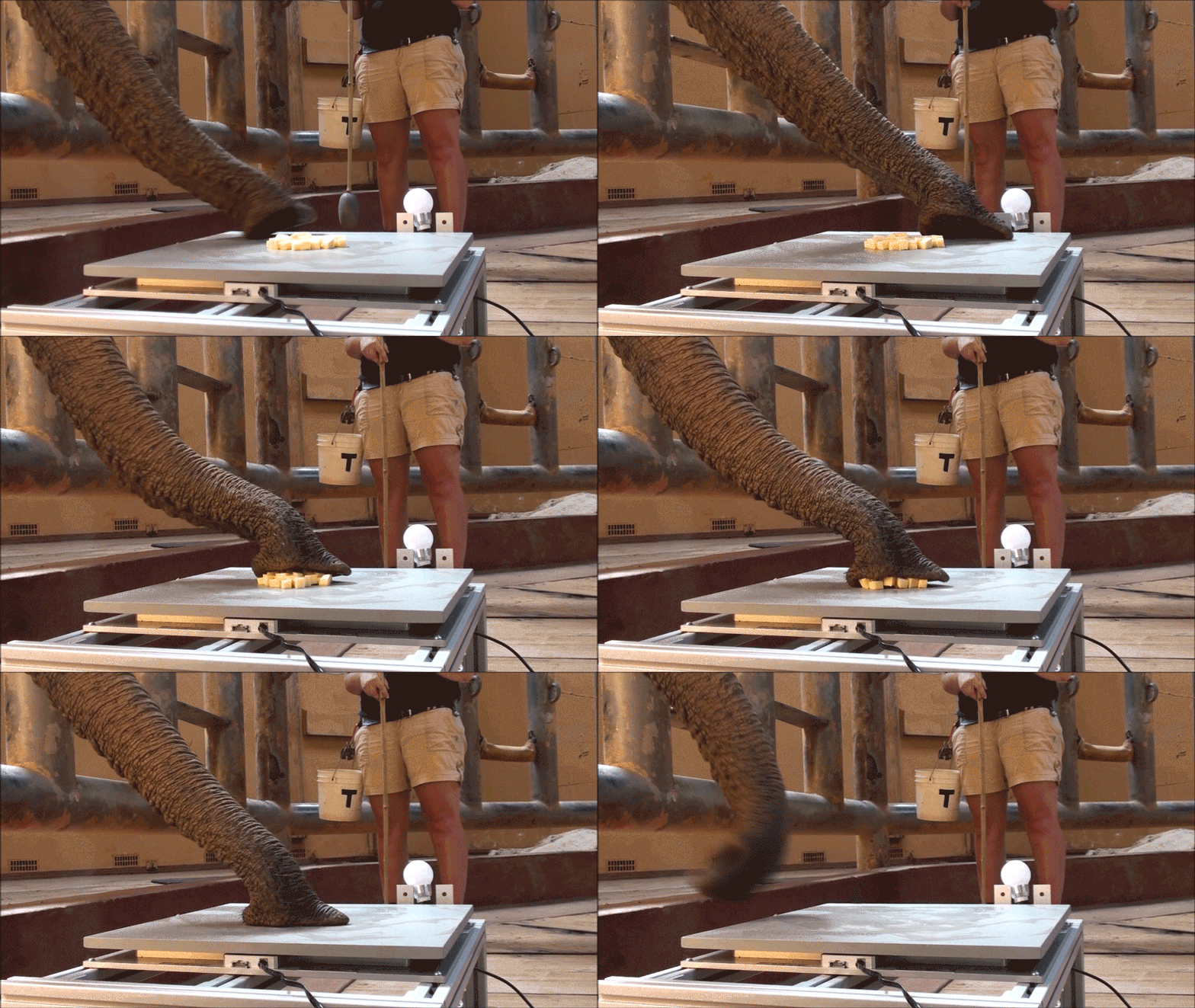
Someone came up with the idea to build the world’s largest solar array in the Australian outback and then connect it to Singapore with a 3,750-kilometre undersea cable. This is how it’ll be done.

Economics: Breakfast Food Prices & Inflation
Rising costs for everyday foods like bacon and fruit have raised concerns about inflation. Here’s why you may be paying more for breakfast, and what that says about where prices might be heading in the future. Photo: Carter McCall/WSJ
Science: How Humans Started Counting, Sea Anemones & ClownFish
The cross-discipline effort to work our how ancient humans learned to count.
In this episode:
00:45 Number origins
Around the world, archaeologists, linguists and a host of other researchers are trying to answer some big questions – when, and how, did humans learn to count? We speak to some of the scientists at the forefront of this effort.
News Feature: How did Neanderthals and other ancient humans learn to count?
07:47 Research Highlights
How sea anemones influence clownfish stripes, and how skin-to-skin contact can improve survival rates for high-risk newborns.
Research Highlight: How the clownfish gets its stripes
Research Highlight: Nestling skin-to-skin right after birth saves fragile babies’ lives
09:48 Briefing Chat
We discuss some highlights from the Nature Briefing. This time, an upper limit for human ageing, and could tardigrades survive a collision with the moon?
Scientific American: Humans Could Live up to 150 Years, New Research Suggests
Science: Hardy water bears survive bullet impacts—up to a point

Top New Catalogs: ‘Artbook – Fall 2021’
Page through the forthcoming Fall 2021 catalog, featuring 500 new books on art, photography, design, architecture, film, music and visual culture.



Review: California’s High-Speed Railway Failure
It promised to transform how Californians travel but is now seen as a “bullet train to nowhere.” This is why America’s west coast megaproject has been far from high-speed.
 Boomers Daily