

At HMS, Maofu Liao is establishing a new research pipeline to improve the process of antibiotic development https://t.co/4G2nyGKzWQ
— Harvard Medical School (@harvardmed) November 4, 2021
Category Archives: Reviews
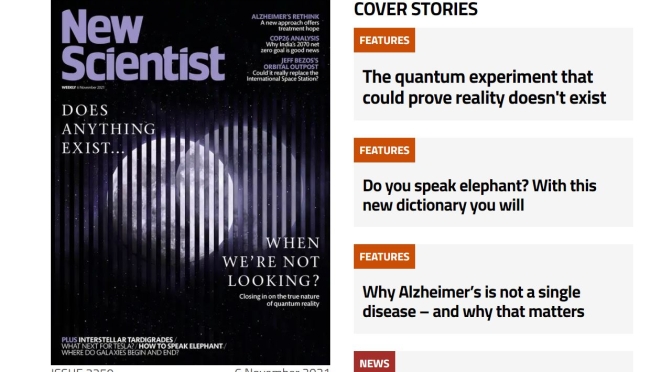
Previews: New Scientist Magazine – November 6
Climate Science: Young People Voice Concerns Onboard The COP26 Train
Last weekend, hundreds of young people boarded a specially chartered train in Amsterdam to travel to Glasgow ahead of the United Nations COP26 climate summit.
Among them were scientists, activists and policy makers. In a Nature Podcast special, we boarded the train to catch up with some of them – to talk about their science, their motivations and their message.
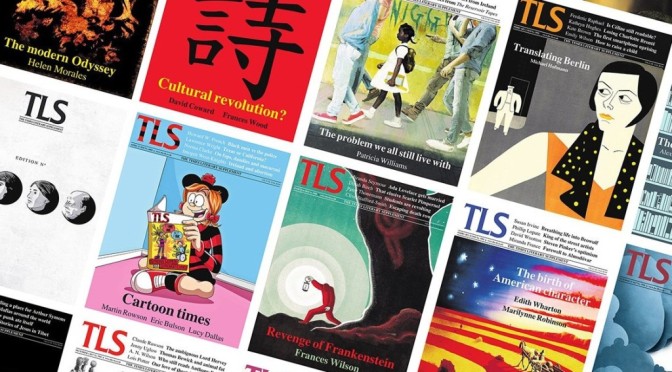
Previews: Times Literary Supplement – November 5
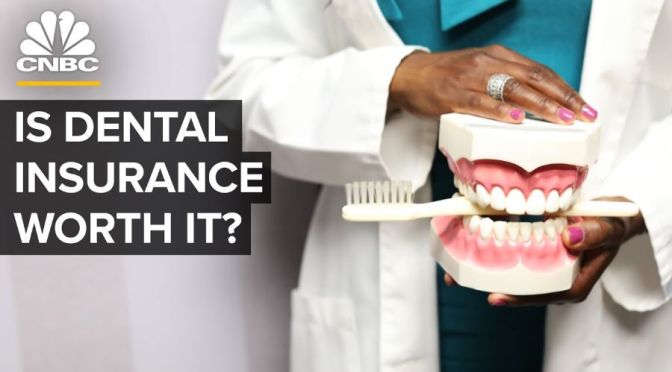
Analysis: Why Dental Care Costs So Much In The U.S.
Americans have a tendency to avoid the dentist. More than 40% of Americans said they don’t see a dentist as often as they would like, according to a 2018 survey by the American Dental Association.
Their number one reason for skipping visits is cost, even among those with dental insurance. Dental insurance policies can be confusing and difficult to use, making some Americans wonder whether dental insurance is worth investing in at all. Watch the video to find out to learn what it actually costs to go to the dentist, whether dental insurance is worth investing in and what patients and policymakers can do about it.
Chapters 0:00 – Introduction 1:42 – How dental insurance works 4:15 – Dental care costs 6:17 – Is dental insurance worth it? 9:49 – Solutions Americans have a tendency to avoid the dentist. More than 40% of Americans said they don’t see a dentist as often as they would like, according to a 2018 survey by the American Dental Association. People have lots of reasons for not going, including fear, inconvenience and trouble finding a dentist who take their insurance. But the top reason Americans cite for avoiding the dentist is cost, with nearly 60% of Americans saying cost was the main reason they haven’t visited the dentist in the past 12 months. Cost remained the number one reason regardless of age, income level or type of insurance. Dental insurance can be confusing since it’s considered a separate service from medical insurance, which means it has different policies and procedures that many patients are not familiar with. From a lack of transparency about benefits to rules like annual maximums — which means plans stop paying for treatment after hitting a certain amount for the year — some patients question whether dental insurance is worth investing in at all. “There’s this misnomer that you need dental insurance to go to the dentist, you really don’t,” said Dr. Mark Vitale, a general dentist and owner of Edison Dental Arts in Edison, New Jersey. “Dental insurance is not the panacea that most people think it is.” But the industry landscape is shifting as more traditional health insurance companies are supplementing their medical plans with dental benefits. “Dental insurance is extremely profitable to the insurance companies, which is why many of the insured many of the major carriers offer dental insurance,” Vitale said.
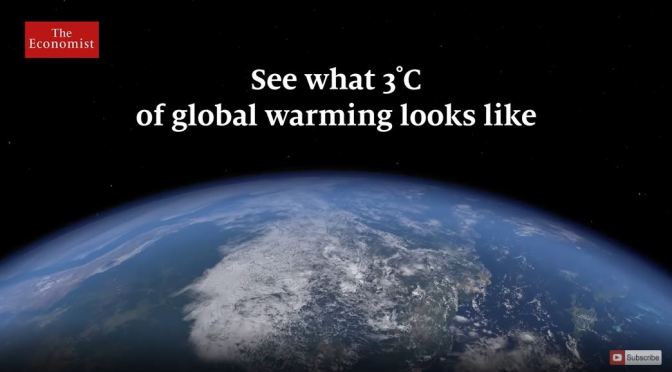
Views: What 3°C Of Global Warming Will Look Like
If global temperatures rise three degrees Celsius above pre-industrial levels, the results would be catastrophic. It’s an entirely plausible scenario, and this film shows you what it would look like.
Video timeline: 00:00 – What will a 3°C world look like? 00:57 – Climate change is already having devastating effects 02:58 – How climate modelling works 04:06 – Nowhere is safe from global warming 05:20 – The impact of prolonged droughts 08:24 – Rising sea levels, storm surges and flooding 10:27 – Extreme heat and wet-bulb temperatures 12:51 – Increased migration and conflict 14:26 – Adaptation and mitigation are crucial
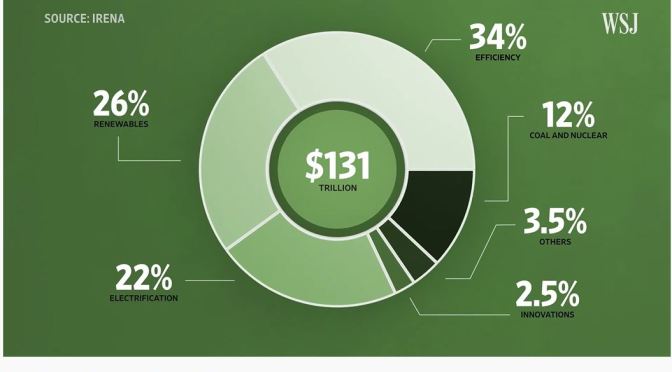
Analysis: $131 Trillion To Reduce Global Warming
Money is a sticking point in climate-change negotiations around the world. As economists warn that limiting global warming to 1.5 degrees Celsius will cost many more trillions than anticipated, WSJ looks at how the funds could be spent, and who would pay. Illustration: Preston Jessee/WSJ
Science: Sleeping Without A Brain, Insect Invasions, Racist Search Algorithms
Simple animals like jellyfish and hydra, even roundworms, sleep. Without brains. Why do they sleep? How can we tell a jellyfish is sleeping?
Staff Writer Liz Pennisi joins host Sarah Crespi to talk about what can be learned about sleep from these simple sleepers. The feature is part of a special issue on sleep this week in Science.
Next is a look at centuries of alien invasions—or rather, invasive insects moving from place to place as humans trade across continents. Sarah talks with Matthew MacLachlan, a research economist at the U.S. Department of Agriculture’s Economic Research Service, about his Science Advances paper on why insect invasions don’t always increase when trade does.
Finally, a book on racism and the search algorithms. Books host Angela Saini for our series of interviews on race and science talks with Safiya Umoja Noble, a professor in the African American Studies and Information Studies departments at the University of California, Los Angeles, about her book: Algorithms of Oppression: How Search Engines Reinforce Racism.
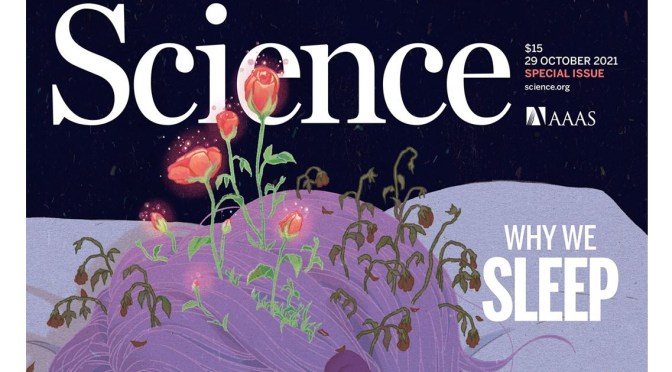
Science Magazine: “Why We Sleep” – October 29

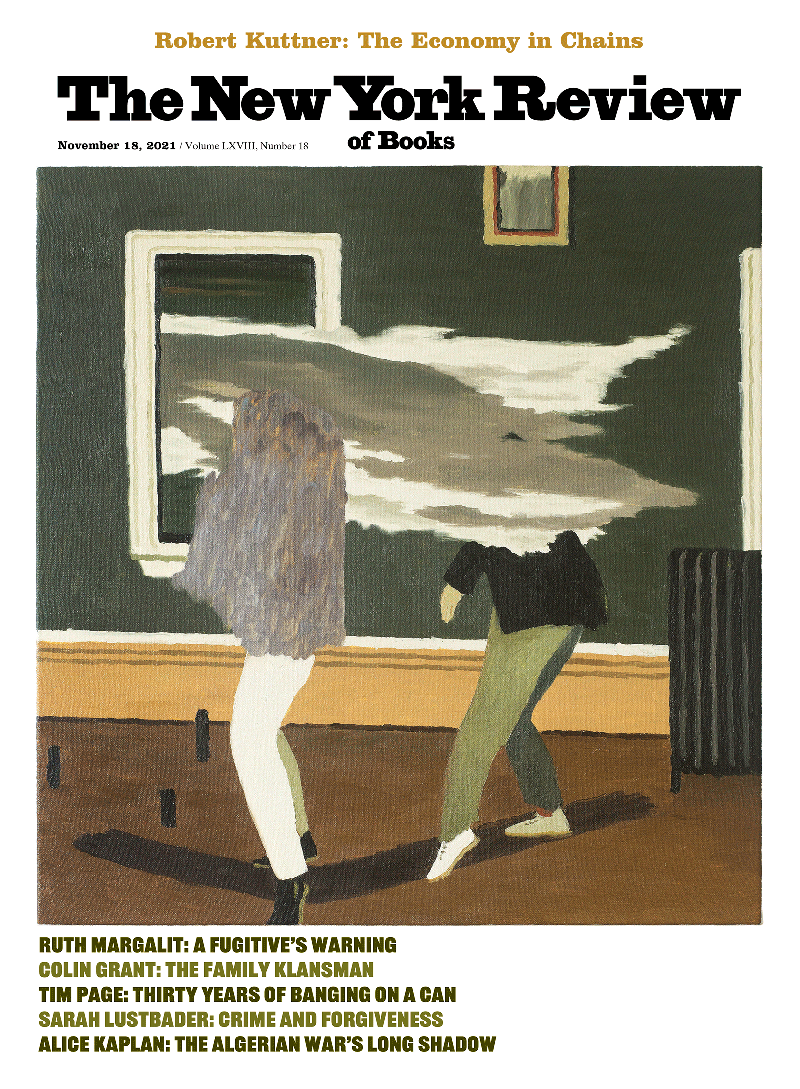
PREVIEWS: THE NEW YORK REVIEW OF BOOKS – NOV 18
Read more
 Boomers Daily