Category Archives: Reviews

Science: Subgiant Stars Age, Yellowstone’s Hot Water, Birds & The Moon

Precisely ageing subgiant stars gives new insight into the Milky Way’s formation, and uncovering Yellowstone’s hydrothermal plumbing system.

In this episode:

00:45 Accurately ageing stars reveals the Milky Way’s history

To understand when, and how, the Milky Way formed, researchers need to know when its stars were born. This week, a team of astronomers have precisely aged nearly a quarter of a million stars, revealing more about the sequence of events that took place as our galaxy formed.

Research article: Xiang and Rix

News and Views: A stellar clock reveals the assembly history of the Milky Way

09:53 Research Highlights

Archaeologists reveal an ancient lake was actually a ritual pool, and how the Moon’s phase affects some birds’ altitude.

Research Highlight: Ancient ‘harbour’ revealed to be part of fertility god’s lavish shrine

Research Highlight: These birds fly high when the full Moon hangs in the sky

12:34 Uncovering Yellowstone’s hot water plumbing

Yellowstone National Park’s iconic geothermal geysers and volcanic landmarks are well studied, but very little was known about the ‘plumbing system’ that feeds these features. Now a team of researchers have mapped the underground hydrothermal system, showing the specific faults and pathways that supply the park.

Research article: Finn et al.

19:27 Briefing Chat

We discuss some highlights from the Nature Briefing. This time, 0why an Australian university has been suspended from winning a research foundation’s fellowships, and the ongoing debate about the cause of ‘COVID toes’.

Nature: Funder bars university from grant programme over white-male award line-up

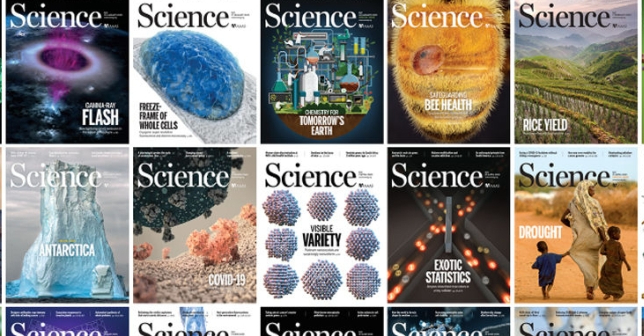
Cover Preview: Science Magazine – March 25, 2022

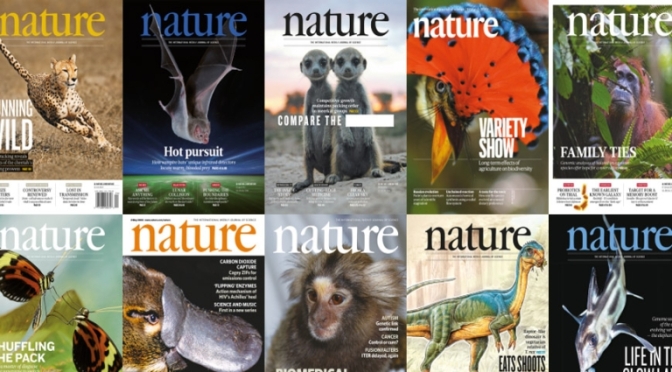
Cover Previews: Nature Magazine – March 24, 2022

Volume 603 Issue 7902, 24 March 2022

Volume 603 Issue 7902

Star dater’s guide to the Galaxy

The cover image shows a view of the Milky Way captured at Nambung National Park in Western Australia. To understand how the Galaxy formed requires precision age dating of the stars that it contains. In this week’s issue, Maosheng Xiang and Hans-Walter Rix of the Max Planck Institute for Astronomy in Heidelberg, Germany, present an analysis of the birth dates for nearly 250,000 stars in their subgiant evolutionary phase, when they can serve as precise stellar clocks. The researchers found that the individual ages of the stars ranged from about 1.5 billion to more than 13 billion years old. Tripling the age-dating precision for such a large stellar sample allowed the researchers to infer the sequence of events that initiated our Galaxy’s formation. Using this information, Xiang and Rix were able to determine that the oldest part of our Galaxy’s disk had already begun to form about 13 billion years ago, just 800 million years after the Big Bang, and that the formation of the inner Galactic halo was completed some 2 billion years later. 

Food & Drink: Where To Eat In The Cotswolds

The Potting Shed lies in a north Wiltshire village rather than the Oxfordshire and Gloucestershire territories of the...

The Potting Shed, Crudwell

The Potting Shed lies in a north Wiltshire village rather than the Oxfordshire and Gloucestershire territories of the Cotswolds, but it’s most definitely worth driving south for. The focus is all things seasonal and local, and the menu changes monthly to reflect this, as well as the produce from the two-acre garden.

The Sunday roasts are some of the best in the area but it’s also worth trying the main menu – highlights might include a black pudding scotch egg with mustard mayonnaise, a fluffy smoked mackerel pate with sourdough toast or the crispiest beer battered fish and chips. Keep an eye on the specials board for the fish of the day too. The charming Rectory hotel (where you’ll find The Potting Shed’s sister restaurant) is just down the road and is worth spending a night or two, so might as well make a long weekend out of it.

The Lamb Inn, Shipton-Under-Wychwood

With the success of The Bell Inn comes this new pub-with-rooms from the same owners. And it might just be one of the biggest Cotswolds openings of 2021, with bedrooms that are as smart as the menu. Peter Creed and Tom Noest are known for working their magic on derelict country inns that are in desperate need of a facelift. Here they’ve redone the space with a proper standing bar, mismatched picture frames and a large garden out back. The menu is similar to its big sister (devilled kidneys on toast, juicy burgers) but this time with a French twist – escargots and crispy frogs’ legs, bavette-steak tartare with game chips, confit duck frites with zingy aioli. Oh, and a must-order tarte tatin for pudding.

Preview: Times Literary Supplement – March 25

Read more

Interview: “Time’s Witness” Author Rosemary Hill

In the 1740s the Scots were invading England and the wearing of tartan was banned. By the 1850s, Queen Victoria had built her Gothic fantasy in Aberdeenshire and tartan was everywhere. What happened in between?

In the second episode of her series on Romantic history, Rosemary Hill talks to Colin Kidd about the myths and traditions of Scottish history created in the 19th century, and the central role of Walter Scott in forging his country’s identity.

In the first episode of a new four-part series looking at the way history was transformed in the Romantic period, Rosemary Hill is joined by Tom Stammers to consider how an argument over the ‘improvement’ of Salisbury Cathedral in 1789 launched a new attitude to the past and its artefacts. Those sentiments were echoed in revolutionary France, where antiquarians risked the guillotine to preserve the monuments of the Ancien Régime.

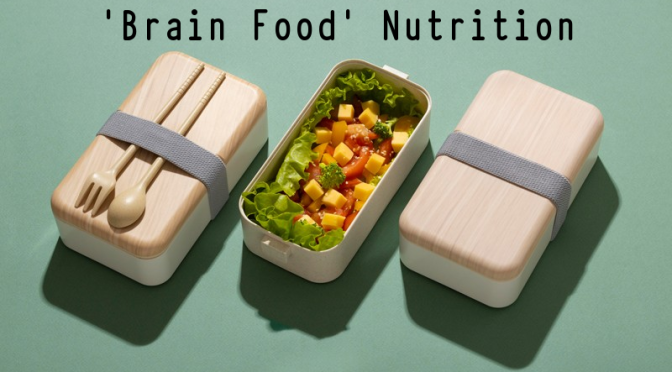
Diet & Nutrition: Nine Tips For A Healthier Brain

• Find time to snack healthily. Take short food breaks to help keep your blood-sugar level reasonably high without surging. Eating a piece of fruit every three hours or so, for example, could prevent hunger and overconsumption of calories. And when you eat, relax. Try not to think about your research. If you routinely stand in the lab, sit down. If your role is more sedentary, get up and take a quick stroll — perhaps to see a colleague on the next floor.

• Put food on your agenda. Schedule regular mealtimes in your work diary — because if you don’t, someone else will fill the gap for you by inviting you to a meeting. Choose a slot that aligns with your ‘biological clock’ and alterations in hormones such as insulin to optimize metabolic health, including microbiota diversity and composition. In other words, follow your gut and eat at times of the day when you feel that your body needs it, but generally try to avoid taking lunch too late in the afternoon. Eating earlier in the day can improve your energy balance, weight regulation, glycaemic control and sleep satisfaction6. Your brain consumes about 20% of the total energy used by your body, so maintaining consistent energy levels is important for optimal functioning. Use the time you’ve booked. Focus on what you eat and take your time. Do not grab a sandwich and munch it down in front of a screen. Your body deserves a rest.

• Enjoy your food. Transform your meal break into a pleasant event by sharing it with colleagues. Propose that everyone take turns preparing a dish from their home country or area so that you can all enjoy the cuisines of different cultures. Eating in a group and discussing the day’s events can help you to relax, to laugh and to share useful information and experiences.

• Plan your meals. If you are feeling particularly hungry, your eyes and hypothalamus (a small region in the brain that controls many bodily functions including hunger and thirst) will not help you to make healthy food choices; instead, they will prompt you to go for sugary, salty or fatty options. Try to organize your meals in advance. Increase your intake of low-calorie items, such as soups, salads, vegetables and minimally processed foods that are rich in dietary fibre. Among these are wholegrains, cereals, fruits, pulses, whole rice and wholemeal pasta. These foods are also rich in micronutrients and antioxidants such as potassium, magnesium, vitamin C, vitamin E, B-vitamins and healthy lipids — especially unsaturated omega-3 ones — that can help to prevent chronic disease. Neurotransmitters such as serotonin, dopamine, epinephrine and norepinephrine — all important for good brain function, mood and emotional regulation — require food-derived precursors, as well as vitamins and minerals, to be synthesized7.

• Diversify your diet. Stimulate your appetite by altering your food choices, preferably by incorporating more fruit and vegetables into your diet and reducing consumption of red meat and meat products. Each new day merits a new meal experience. But this doesn’t mean being a fully fledged connoisseur: overthinking what you eat will lead to compromises with your time and will make further compromises in what you eat more tempting. A saying from the Japanese Okinawa islands, where people have one of the lowest rates of chronic diseases in the world, and where many centenarians live, points the way: “Eat until you are 80% full”8. In practice, this means you should eat slowly and avoid ‘stuffing’ yourself.

• Avoid the insulin roller coaster. As well as contributing to chronic disease, excessive sugar intake might harm cognitive performance9. Sugared drinks, such as sodas, smoothies and even fruit juices, have a very low satiety value. After the sugar surge, glucagon — a hormone produced when sugar levels are low — as well as ghrelin, an appetitive hormone, and others kick back in and you’ll be hypoglycaemic and feel hungry again. Artificially sweetened beverages might not work much better — there is scientific debate about their perceived health benefits, because they might stimulate appetite centrally in the hypothalamus, rather than by modulating insulin levels10. Go for water, coffee, teas (including fruit teas), low-fat milk — or, if you’re desperate for sugar, a homemade fruit juice.

• Drink loads of water. Working inside, where the air is often dry (owing to heating in winter and artificial cooling in summer) can hasten water loss through respiration. Two litres a day of fluid intake is recommended by many health agencies. Pay attention to signs of dehydration. Drinking plenty will increase your blood volume and brain tissue fluid and thus boost your circulation and concentration levels. You will also become more tolerant of heat and cold — which is helpful when working in warm offices and cooled labs. Water is the essential carrier for all life functions in your body. It can also increase daily energy expenditure and feelings of satiety. Drinking water half an hour before your meal is an especially good option because it improves satiety11.

• Use healthy leftovers. Pre-packaged sandwiches and processed foods often have high quantities of fat, sugar, salt and additives that trigger the brain’s dopamine reward system, among other neuronal systems, inducing compulsive eating behaviour12. If you have time, prepare a healthy dish from scratch at home, perhaps making more than is needed for an evening meal and using leftovers for lunch the following day. Among homemade foods, well-balanced traditional dishes can improve your performance and health: for instance, the classic Mediterranean diet has long been linked with improved cognitive function and a decreased likelihood of both cognitive impairment and Alzheimer’s disease3. A Tupperware lunch made with leftovers from even the most indulgent dinner could often make a healthier lunch than a standard pre-packaged sandwich.

• Scrap the salt. Excessive use of salt is among the major killers worldwide, leading to increased blood pressure, stroke and other cardiovascular diseases. Some salt is essential to the taste of most foods, as well as for life, however, so don’t attempt to cut it out of your diet entirely. Try pepper, curcuma, nutmeg or other spices to add flavour. Some spices, including curcuma and pepper, also help to lower the risk of cardiovascular disease and can even decrease total mortality rates13.


Reviews: ‘The Week In Art’

Donatello in Florence, the Biennale of Sydney and Eduardo Navarro’s seed installation.

This week, as the Palazzo Strozzi and Museo Nazionale del Bargello in Florence present a survey of Donatello, one of the greatest of all Italian Renaissance masters, we talk to Arturo Galansino, the Strozzi’s Director General, and Paola D’Agostino, Director of the Bargello museum, about the show. The Biennale of Sydney in Australia has just opened, with the theme of rīvus, meaning stream in Latin. José Roca, the Biennale’s artistic director, and Alessandro Pelizzon, co-founder of the Global Alliance for the Rights of Nature, discuss the Biennale’s concept, bringing rivers and other “aqueous beings”, as Roca and his curatorial colleagues call them, into dialogue with artists, architects, designers, scientists, and communities. What does it mean if you grant rivers and other natural forms rights? And this episode’s Work of the Week also explores nature, ecology and the relationship between humans and natural phenomena. We speak to curator Bárbara Rodriguez Muñoz about The Photosynthetics, an installation by Eduardo Navarro in Rooted Beings, the latest exhibition at London’s Wellcome Collection.

Donatello: The Renaissance, Fondazione Palazzo Strozzi and the Museo Nazionale del Bargello in Florence, 19 March-31 July. Gemäldegalerie, Berlin, 2 September-8 January 2023. The Victoria and Albert Museum in London will stage its variation of the exhibition in 2023

The Biennale of Sydney: Rīvus continues until 13 June. And José and Alessandro will take part in a panel discussion on 10 May titled Reclaiming Rivers’ Rights. Find out more at biennaleofsydney.art

Rooted Beings, Wellcome Collection, London, 24 March-29 August