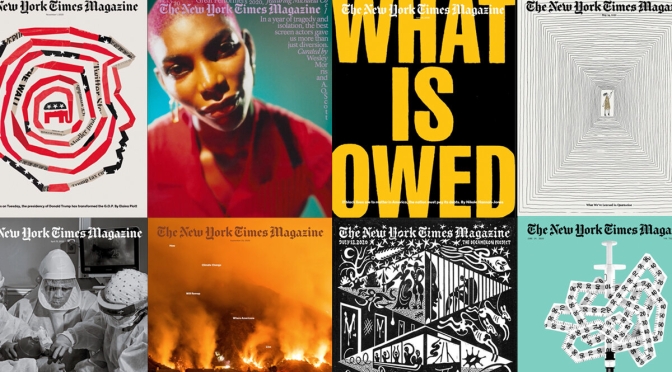
November 27, 2022: In this issue, Jesse Barron on the San Francisco judge whose ruling in juvenile court came back to haunt him; Caity Weaver on her stay in the “world’s quietest room”; Jon Mooallem on the director Noah Baumbach and his new movie, “White Noise”; and more.
In 1981, Anthony Kline helped send a juvenile offender to prison for four decades. This year, in a twist of fate, he had a chance to decide her case again.
When the world shut down in 2020, the filmmaker found solace in Don DeLillo’s supposedly unadaptable novel — and turned it into a film that speaks to our deepest fears.
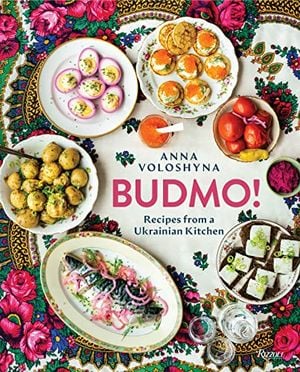
In this colorful cookbook you’ll find recipes for dishes like cold borscht, dark cherry varenyky and sweet pumpkin rice kasha from Ukrainian native Anna Voloshyna, who moved to California in 2011. Known for hosting pop-up dinners and cooking classes, Voloshyna is also a food stylist, photographer and blogger. In her debut cookbook, she offers modern and American spins on the typical dishes she grew up with, and she also includes details like food origins, customs and traditions in each recipe’s headnote. Budmo, which is how Ukrainians say “cheers,” shares the country’s complicated history that has led up to the current war, while simultaneously celebrating its varied and vibrant cuisine.
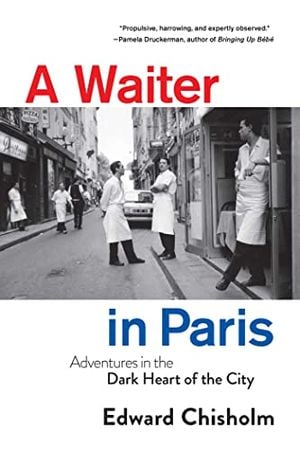
“It’s the boundary between two worlds: the Paris you see and the Paris you don’t,” writes Edward Chisholm, an Englishman who moved to Paris in 2012 and spent several years as a waiter while trying to build up his writing career. Now, his debut book, a no-holds-barred memoir detailing his time waiting tables in one of the world’s hottest restaurant cities, reveals what really goes on behind the scenes of fine dining establishments. This book is the next generation of Anthony Bourdain’s Kitchen Confidentialand Stephanie Danler’s Sweetbitter, with Chisholm exposing the often-shocking mayhem of the restaurant kitchen in visceral detail. He deftly uses the Parisian restaurant as a microcosm for France as a whole, with immigrants, people of color and blue-collar workers at the bottom of the food chain.
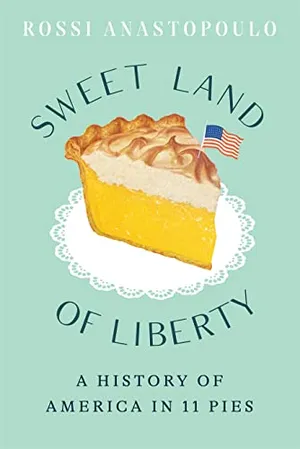
Ever wonder how apple pie became a symbol of America? Food writer and editor Rossi Anastopoulo slices into the history of pie in the good ol’ US of A, from pumpkin pie on Thanksgiving to apple pie on Independence Day, using the iconic American dessert to tell the story of a country. Still, it’s not all sweet, as she details how molasses pie traces its origin to slavery and Jell-O pie reveals the history of gender disparity in our country. All in all, Anastopoulo shares interesting facts behind 11 all-American pies, like how the first recipe for American apple pie appeared in a 1796 cookbook called American Cookery, which is believed to be the first cookbook ever published in the newly minted United States. The book includes a recipe for each pie, too.
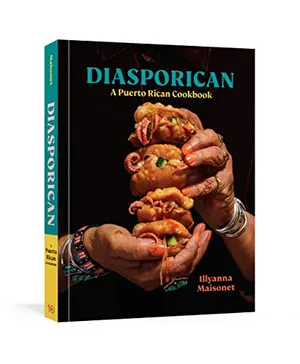
Part memoir and part cookbook, this debut from our country’s first Puerto Rican food columnist Illyanna Maisonet dives into the author’s personal family recipes, which she painstakingly documented from her extended relatives through the years, and also includes her interpretation of dishes by Puerto Rican friends, chefs and roadside food vendors. There are 90 recipes including traditional Puerto Rican dishes like tostones, pernil and mofongo. Other highlights include sloppy joes and sancocho. But more than just the recipes, Maisonet shares how migration and colonization have influenced and progressed Puerto Rican food, ingredients and techniques. In explaining why her family wraps their pasteles in foil, Maisonet writes in her intimate, conversational style, “When you think of my grandma coming to Sacramento as a 17-year-old mother of two in 1956, you have to wonder where the hell would she have found banana leaves in Northern California?” She posits that this progression is no less authentic than the original method, and that the resourcefulness of Puerto Ricans has evolved their cuisine into what it is today: dynamic and delicious.
the Blume System by Sebastian Herkner | art direction Studio FM; photo by Andrea Garuti; styling Studio SalarisReva Cocoon by by Patrick Jouin | art direction Studio FM; photo by Andrea Garuti; styling Studio Salaris
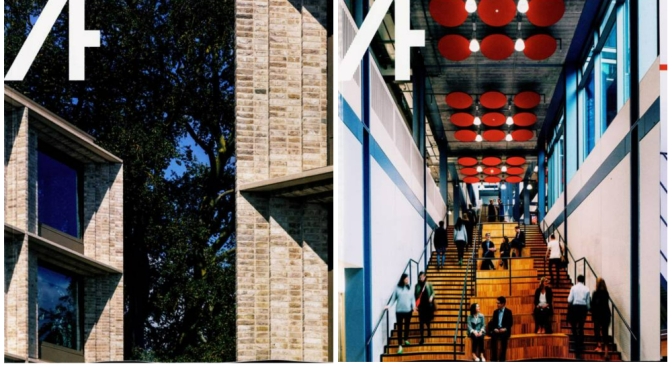
Isabel Allen’s Editorial for AT322 discusses how the Architecture Today Awards subverted the traditional role of the crit, transforming it into powerful tool for judging the merits and performance of buildings that already exist.
A sharp, trapezoidal marquee hoisted on spindly pilot is points the way towards the primary pedestrian entrance on the long eastern front.
‘This is what Biden and his advisers are counting on: a grinding and volatile battle with a weakened Trump and his increasingly unhinged movement in 2024.’
There is no way to offset the fact that a gigantic dose of hydrocarbon wealth is being used to stage an immensely carbon-intensive spectacle, in a place that is already getting hotter faster than almost anywhere else on the planet. In the narrowing window of opportunity that remains, can we justify burning this much of our carbon budget on international football?
Act of Oblivion, the title of Robert Harris’s novel, refers to the Act of Free and General Pardon, Indemnity and Oblivion, introduced to the Convention Parliament in May 1660 and given royal assent on 29 August.
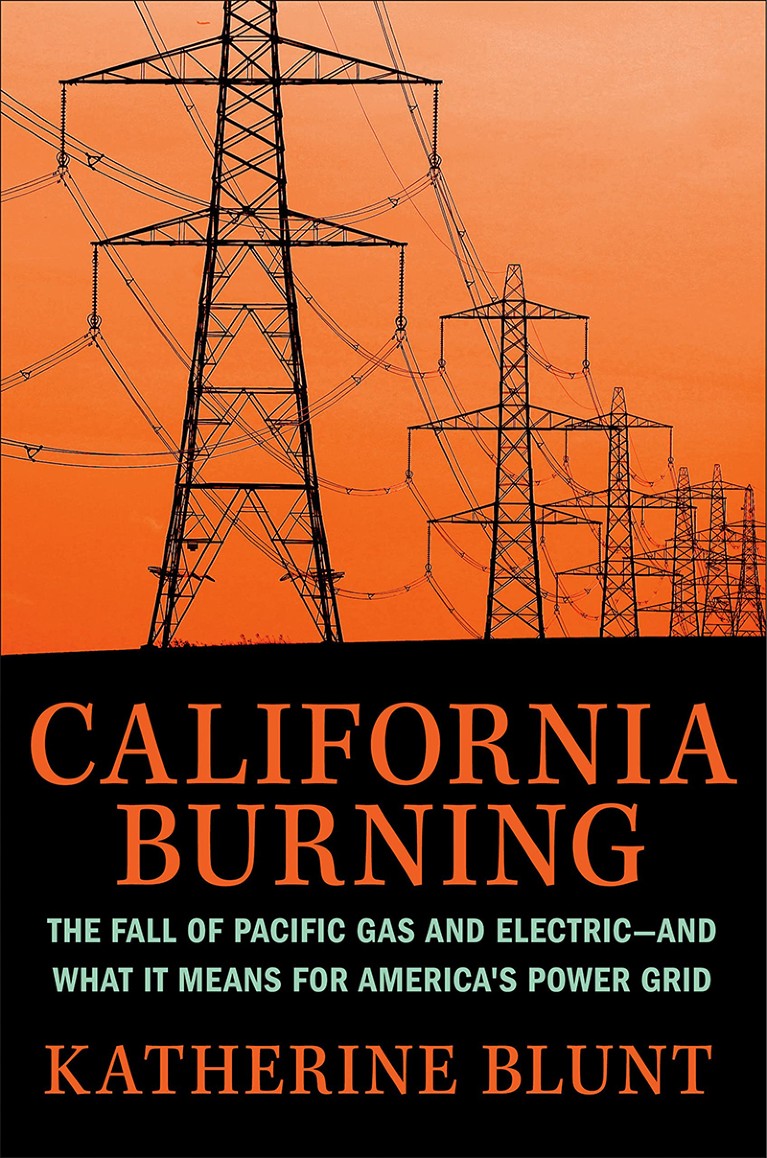
California is having more and more wildfires because of climate change, poor tree management creating fire hazards, and antiquated power lines. In 2018, the failure of a 100-year-old rusted electrical hook sparked the Camp Fire, the world’s most expensive natural disaster that year. The blaze forced Pacific Gas and Electric into temporary bankruptcy. Journalist Katherine Blunt’s disturbing history of California’s environmental calamity ends in 2021, with the company’s new chief executive announcing costly underground power lines.
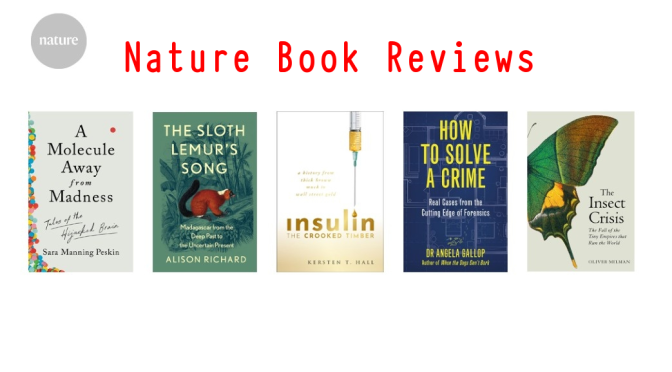
The Biggest Ideas in the Universe
Sean Carroll Oneworld (2022)
Theoretical physicist and philosopher Sean Carroll specializes in quantum mechanics, gravity and cosmology. He aims to create a world in which “most people have informed views and passionate opinions” about modern physics. His skilful book, the first of a planned trilogy, covers space, time and motion. Unlike most introductory physics books for the interested amateur, it includes mathematical equations, cogently explained but not solved, as well as the expected metaphorical language.
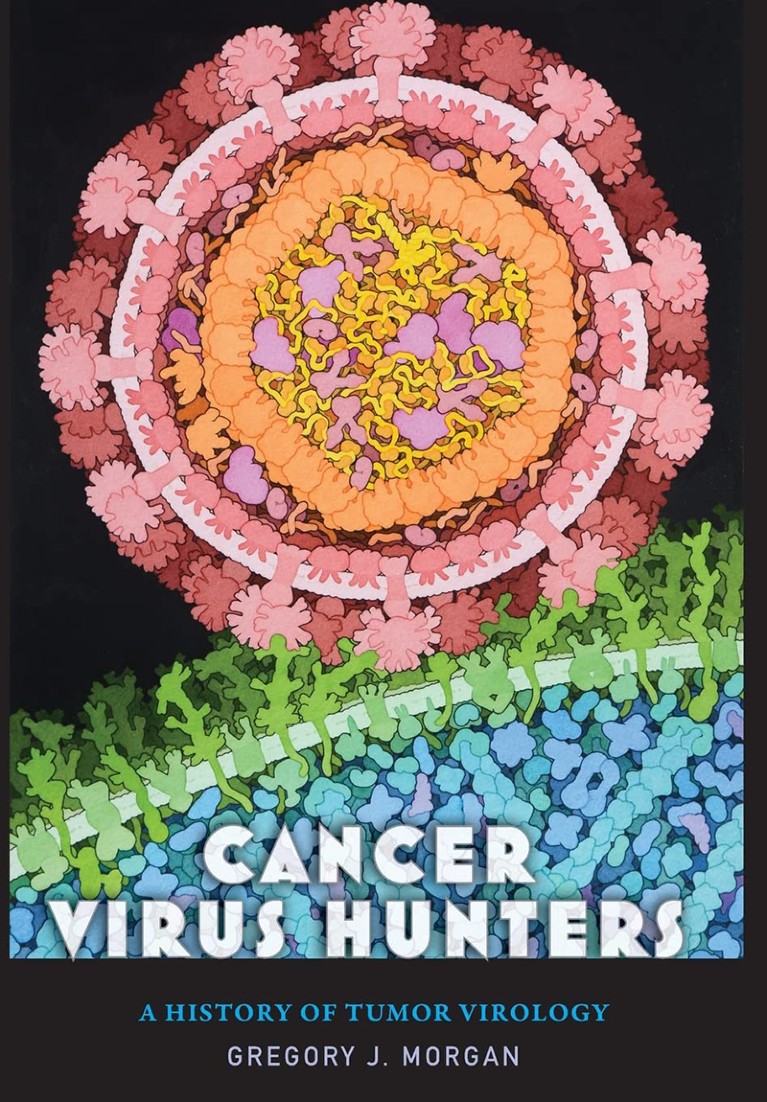
Cancer Virus Hunters
Gregory J. Morgan Johns Hopkins Univ. Press (2022)
One-fifth of cancers in people worldwide are caused by tumour viruses such as hepatitis B. Work stemming from these pathogens won seven Nobel prizes between 1966 and 2020, notes historian Gregory Morgan in his authoritative but accessible chronicle. Yet tumour virology is rarely mentioned in discussions of how molecular biology opened our understanding of cancer. As Morgan observes in his path-breaking history, this inhibits a complete understanding of this field as a technoscientific force.
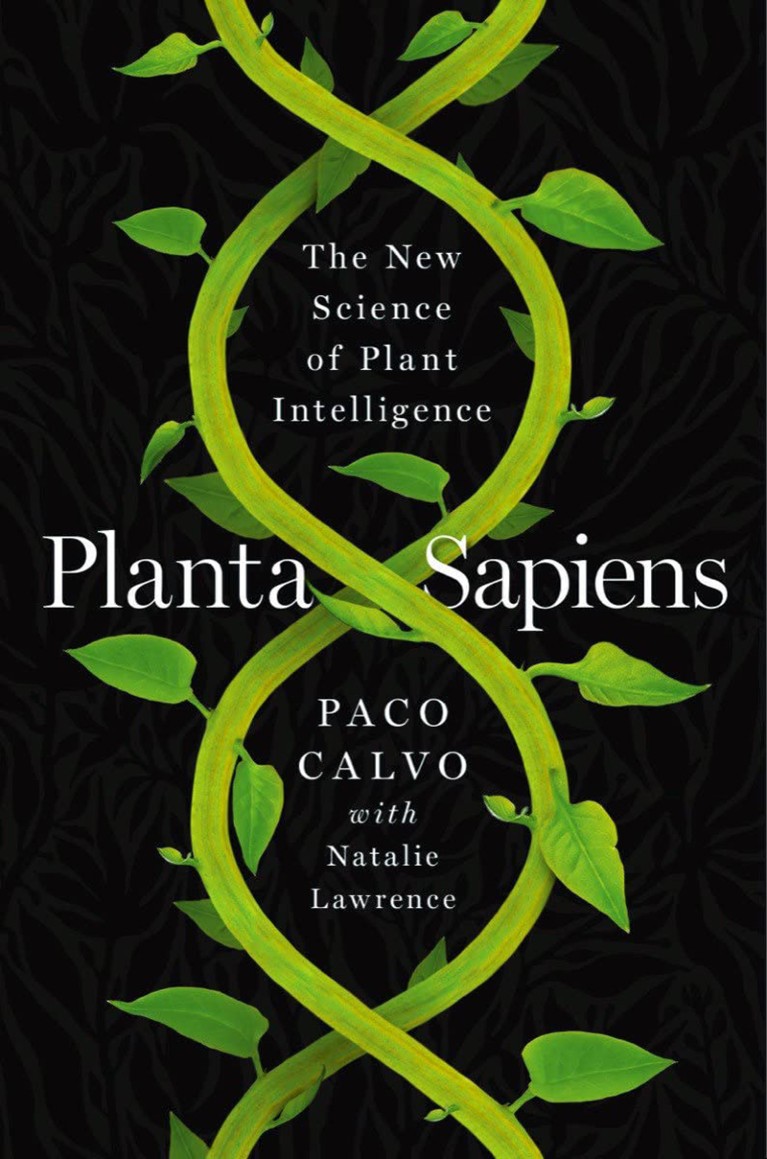
Planta Sapiens
Paco Calvo with Natalie Lawrence Bridge Street (2022)
Humans are so focused on “brain-centric consciousness”, says philosopher of science Paco Calvo, “that we find it difficult to imagine other kinds of internal experience”. Might plants be intelligent (‘sapiens’)? His challenging book is aimed at both believers in this possibility and non-believers. His experiments, such as putting the touch-sensitive plant Mimosa pudica to ‘sleep’ with anaesthetic, provoke thought, as does his note that Charles Darwin requested burial under an ancient village yew, rather than in Westminster Abbey.
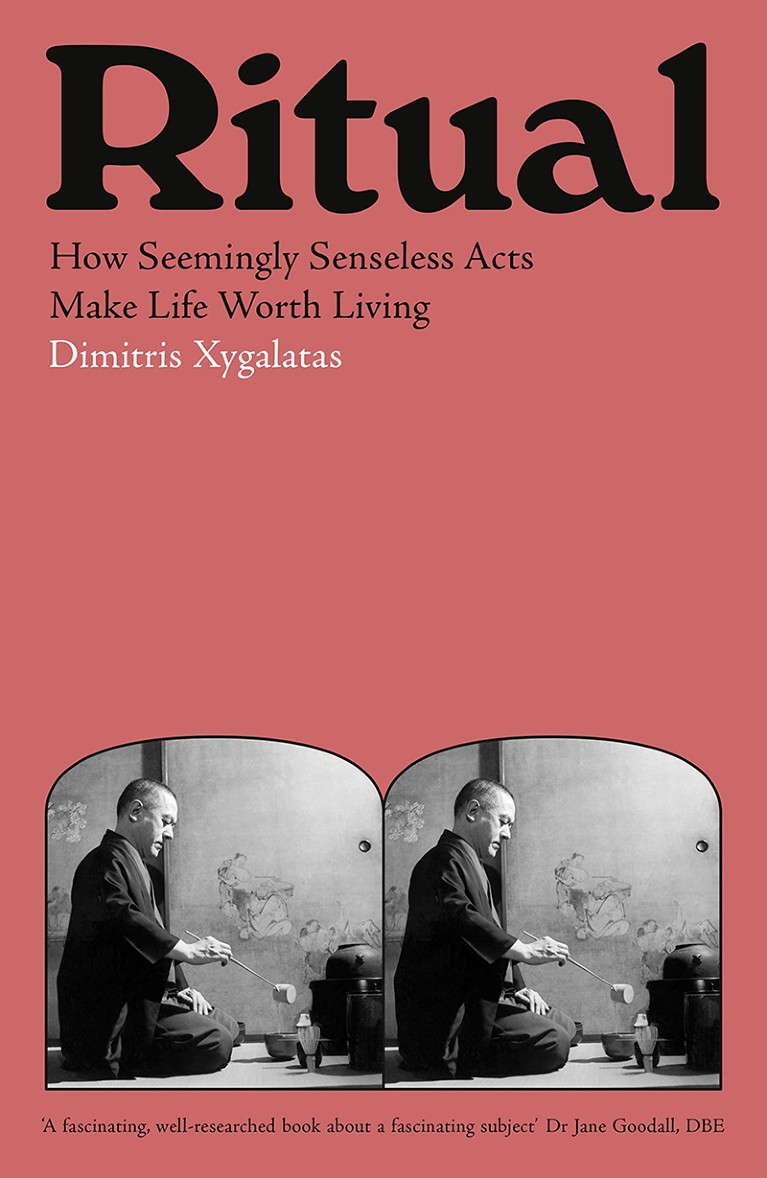
Ritual
Dimitris Xygalatas Profile (2022)
Just before anthropologist Dimitris Xygalatas’s university went into COVID-19 lockdown, his students had one main concern: would there be a graduation ceremony? We care deeply about rituals, he notes in his wide-ranging and well-written survey, because they help us to “cope with many of life’s challenges”, even if we do not understand how — the “ritual paradox”. Scientific investigation has been tricky, because rituals do not flourish in a laboratory, but wearable sensors and brain-imaging technology help.


















 Boomers Daily