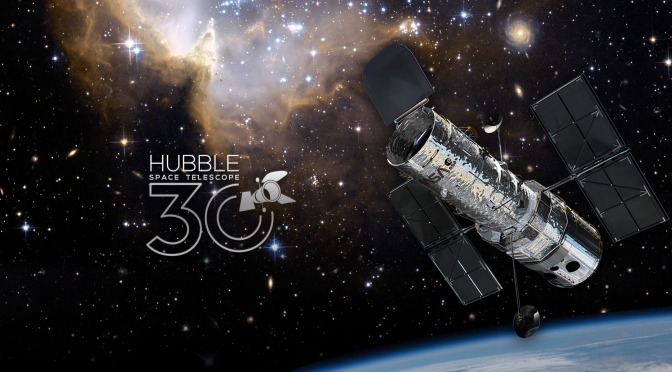
On April 24, 2020, the Hubble Space Telescope celebrates its 30th year in orbit by premiering a never-before-seen view of two beautiful nebulas named NGC 2020 and NGC 2014.
Hubble’s senior project scientist, Dr. Jennifer Wiseman, takes us on a tour of this stunning new image, describes the telescope’s current health, and summarizes some of Hubble’s contributions to astronomy during its 30-year career.
Featuring articles on deaths due to e-cigarette– or vaping-associated lung injury, apixaban for venous thromboembolism in cancer, the management of coronary disease in patients with advanced kidney disease, health-status outcomes in the ISCHEMIA-CKD trial, and ten weeks to crush the curve.
Additionally, renin–angiotensin–aldosterone system inhibitors in patients with Covid-19, and teasing the immune system to repair the heart; a review article on the care of patients with diabetic retinopathy; a case report of a man with high blood pressure, renal insufficiency, and hematuria; and Perspective articles on clinical and social risk adjustment, on prediction models, and on medical care during the pandemic.
Doctors are delaying procedures and surgeries in order to save resources like hospital beds and ventilators for Covid-19 patients, and prevent the infection from spreading.
Emma Court reports on the difficult choices doctors are forced to make, and the danger that we’re creating another health care crisis.
23 April 2020: Denisovan DNA in modern Europeans, and the birth of an unusual celestial object. This week, evidence of ancient hominin DNA in modern human genomes, and the origin of a snowman-shaped object at the edge of the solar system.
In this episode:
00:45 Intermixing of ancient hominins
By combing through the DNA of over 27,000 modern day Icelanders, researchers have uncovered new insights about the ancient hominin species who interbred with Homo sapiens. Research Article: Skov et al.
In 2019, the New Horizon Spacecraft took images of Arrokoth – an unusual, bi-lobal object found in the Kuiper belt. Now, researchers believe they’ve figured out how it formed. Research Article: Grishin et al.
17:29 Pick of the Briefing
We pick some highlights from the Nature Briefing. This week we discuss why the Universe may be lopsided, and why water could actually be two different liquid states. Scientific American: Do We Live in a Lopsided Universe?; Chemistry World: The weirdness of water
NPR’s Tamara Keith and Amy Walter of the Cook Political Report join Amna Nawaz to discuss the latest political news, including protests against government COVID-19 restrictions, polling on how Americans more broadly feel about reopening the economy amid a public health threat and China’s role in the 2020 campaign strategies of President Trump and former Vice President Joe Biden.
A selection of three essential articles read aloud from the latest issue of The Economist. This week, is China the pandemic’s big geopolitical winner? (8:30) Saudi Arabia has declared a ceasefire in Yemen, but the Houthis are fighting on. (14:13) And, how Britain’s glossy magazines are adjusting to a gloomy world.
Syndicated columnist Mark Shields and New York Times columnist David Brooks join Judy Woodruff to discuss the week’s news, including the Trump administration’s guidance to states about when to reopen amid the pandemic, the ongoing struggle to conduct more COVID-19 tests, Trump’s criticism of Democratic governors and what Sen. Bernie Sanders’ endorsement means for former Vice President Joe Biden.
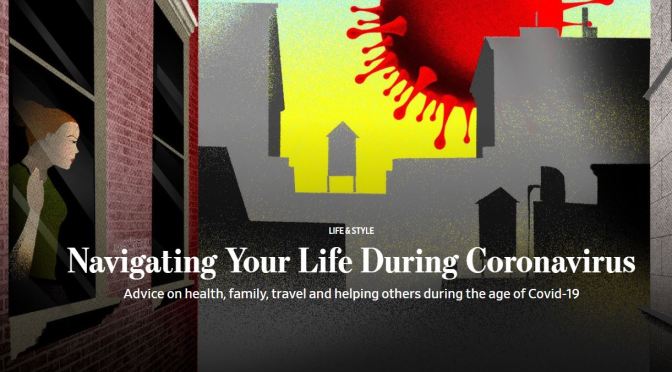
As the coronavirus pandemic upends work, travel and home life, the rules are shifting for what people can and can’t do in their daily lives. The WSJ is continuously updating advice and information on how to stay safe, healthy and connected, and how to help others.
Aid to a Friend Caring for a Coronavirus Patient
“Because I am organized in my job and day-to-day life, I took on my husband’s care thinking I would have it all quickly in hand. But things didn’t turn out that way,” writes Leslie Yazel, whose husband came down with coronavirus-related pneumonia. Here, she offers what she learned about the best ways to help those who are caring for someone with coronavirus.



 Featuring articles on deaths due to e-cigarette– or vaping-associated lung injury, apixaban for venous thromboembolism in cancer, the management of coronary disease in patients with advanced kidney disease, health-status outcomes in the ISCHEMIA-CKD trial, and ten weeks to crush the curve.
 Doctors are delaying procedures and surgeries in order to save resources like hospital beds and ventilators for Covid-19 patients, and prevent the infection from spreading.
 23 April 2020: Denisovan DNA in modern Europeans, and the birth of an unusual celestial object.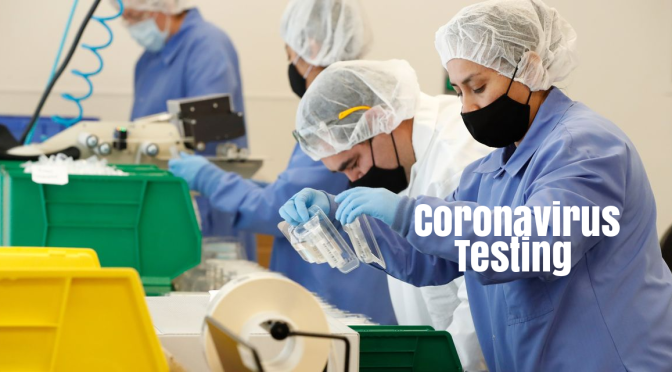
 To reopen the economy safely, experts estimate the U.S. will need to administer millions of tests every month.
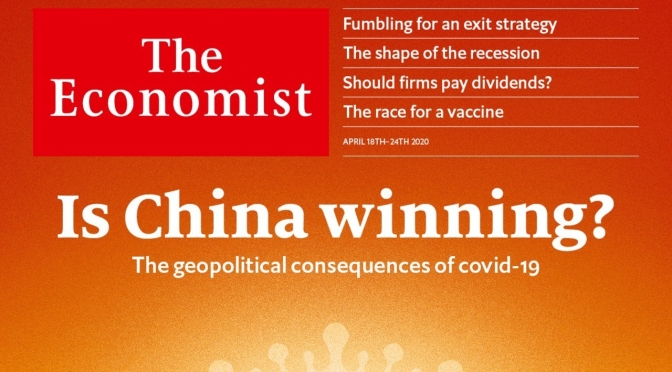
 A selection of three essential articles read aloud from the latest issue of The Economist. This week, is


 Boomers Daily