Plus: a touring display of Islamic arts in France, the hellish mining scenes of George Bissell, Madame de Pompadour’s porcelain, and a preview of Asia Week New York
We’re back with our first video of 2022, visiting t he lovely little village of Stanton, just south of Broadway on the western escarpment of the Cotswolds. This is a classic English village with a church packed full of interesting architecture, a brilliant pub and a newer development of houses that show modern house construction can be done sensibly, in the local vernacular.
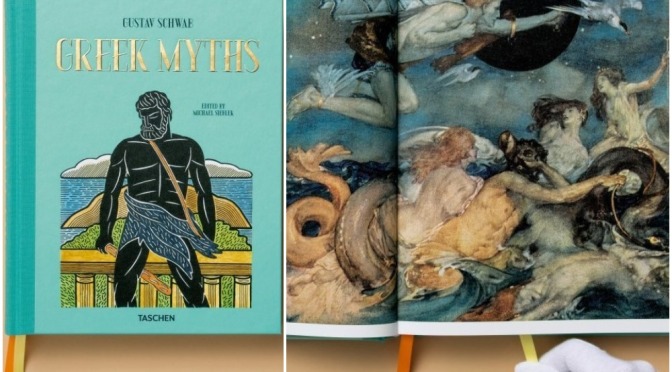
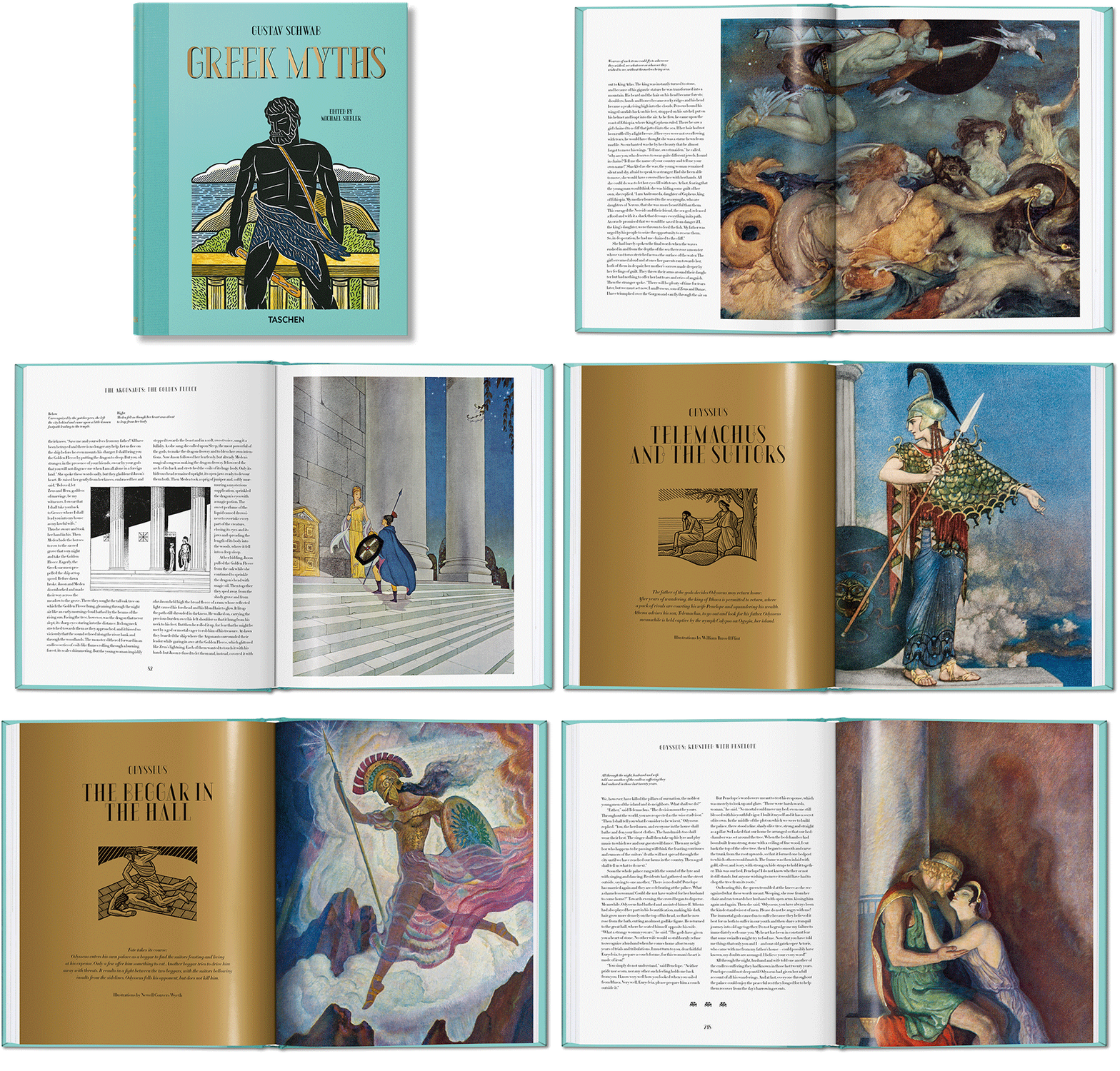
This collection of 47 tales from Gustav Schwab’s seminal anthology of Greek myths stages the illustrious exploits of Heracles, Jason, Odysseus, and a host of heroes.
Through the masterful drawings of Clifford Harper and artworks from the leading figures of the Golden Age of Illustration, including Walter Crane, Arthur Rackham, and Virginia Frances Sterrett, the world of Greek mythology is reimagined into life.
The Greek myths are timeless classics, whose scenes and figures have captivated us since ancient times. The gods and heroes of these legends hold up a mirror to the human condition, embodying universal characteristics and truths – whether it be the courage of Perseus, the greed of Midas, the vaulting ambition of Icarus, the vengeance of Medea, or the hubris of Niobe. These traits are the basis for immortal dramas and rich narratives, as profound as they are entertaining, which form the bedrock of our culture and literature today and remain relevant and fascinating for all readers, young and old alike.
Gustav Schwab (1792–1850) was a German author, teacher, and professor. From 1828, Schwab worked at Johann Friedrich Cotta’s eponymous publishing house in Stuttgart, where he was a patron and mentor of young authors. After issuing a collection of his own poetry, he composed the seminal Sagen des klassischen Altertums (Gods and Heroes: Myths and Epics of Ancient Greece, 1838–1840), an indispensable standard work of Greek mythology that has popularized its tales in Germany and across the globe.
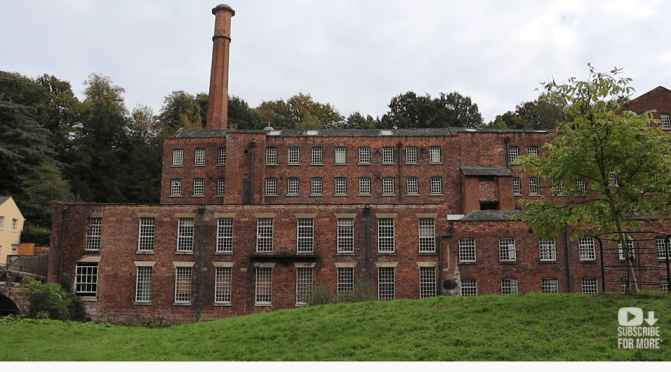
At the beginning of the Industrial Revolution Quarry Bank Mill became one of the most important Cotton Mills in England. Samual Greg embraced the Industrial Revolution to create a powerhouse of the Cotton Milling industry.
180 years after the end of the Industrial Revolution this Cotton Mill is still intact and in full working order. Maintained by the National Trust you can take a day tour of this fascinating Cotton Mill and find out about the Greg family, his workers, including children as young as 8 and the community he created in the village of Styal. You can see the machinery in operation and learn how the fluffy cotton plant is turned into a workable yarn as the volunteers run the machines and show you.
Greg built his family home on the grounds of Quarry Bank Mill, you can view the property or visit the darker side with the apprentice house, home to up to 90 children, working in the mill in return for food and board.
Timeline: 0:00 Intro 1:08 What to see at Quarry Bank 2:01 Cotton Industrial Revolution 2:25 Samual Greg builds Quarry Bank 3:32 The Great Wheel 4:09 Process to make cotton yarn 7:31 Quarry Bank House 10:26 Styal Village 11:53 Apprentice House (Child Labour) 16:44 Steam Power comes to Quarry Bank 19:02 The Gardens
Join ranger Theresa Ferraro as she talks about the history, people, and geology of Chiricahua National Monument—located in one of Arizona’s seven sky islands.
Chiricahua National Monument is a unit of the National Park System located in the Chiricahua Mountains of southeastern Arizona. The monument was established on April 18, 1924, to protect its extensive hoodoos and balancing rocks.
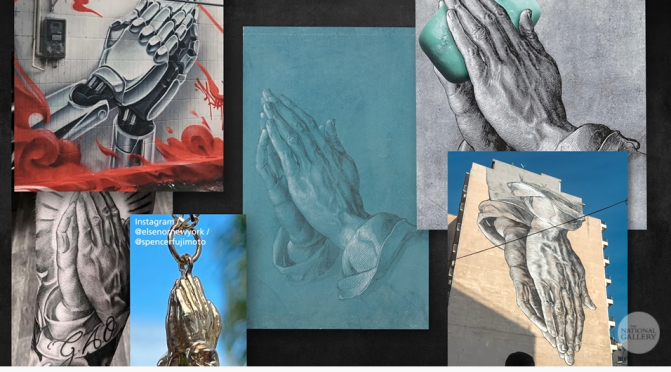
Even if you don’t know the name, chances are you’ve seen a reproduction of one of his prints. What is it about his work that has made it last? Through paintings, drawings, prints, and letters, our exhibition ‘Dürer’s Journeys: Travels of a Renaissance Artist’ brings to life this art history megastar and the people and places he visited.
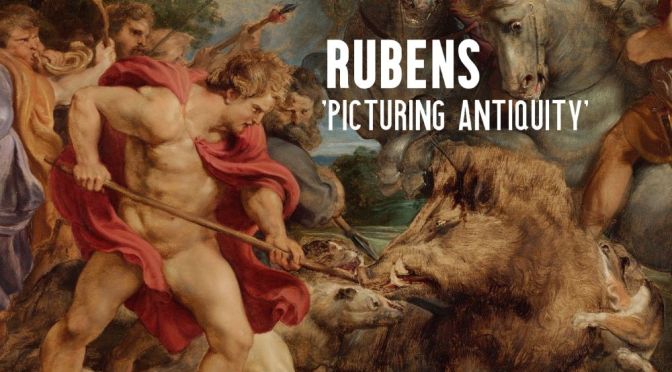
“I think it just shows very well how Rubens worked, how he got the inspiration from antiquity, but he transforms it into something completely new and very alive.”
The Flemish Baroque painter Peter Paul Rubens is most famous for his dynamic, colorful renderings of religious scenes and mythological stories. Yet Rubens’s work was also deeply inspired by the art of the past. He was a keen student of classical antiquity, engaging with ancient sculptures, coins, gems, and cameos both at home and in his travels through Italy. His friendships with antiquarians, patrons, and scholars provided a network for vibrant intellectual exchanges that informed the artist’s work.
In this episode, Getty curators Anne T. Woollett, Davide Gasparotto, and Jeffrey Spier discuss their exhibition Rubens: Picturing Antiquity, which explores how Rubens was affected by and, in turn, transformed the classical past in his paintings, drawings, and designs. The exhibition, which received major support from Jo Carole and Ronald S. Lauder and generous support from the Leonetti/O’Connell Family Foundation, is on view at the Getty Villa through January 24, 2022.
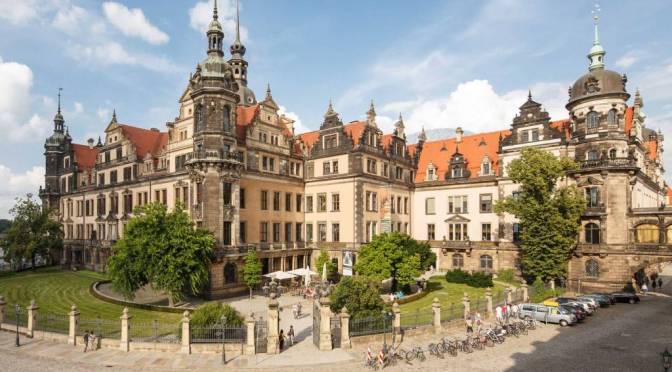
Destination Culture: Discover Germany’s oldest castle! Hannah Hummel travels back in time in Albrechtsburg Castle. The site in Meissen used to house Europe’s first porcelain producer. Porcelain designers show Hannah how the material is being further developed today. She also visits the picturesque old town and learns the interesting story behind the Meissner Fummel – a unique pastry, where fragility plays an essential role.
Video timeline: 00:00 Intro 00:54 Albrechtsburg castle in Meissen 05:08 Meissen’s old town 09:31 Exhibition, production and design atelier of Meissen porcelain 17:46 An Australian in Meissen 21:44 Photographer Eric Franke 24:52 Frauenkirche (Church of our Lady) in Meissen
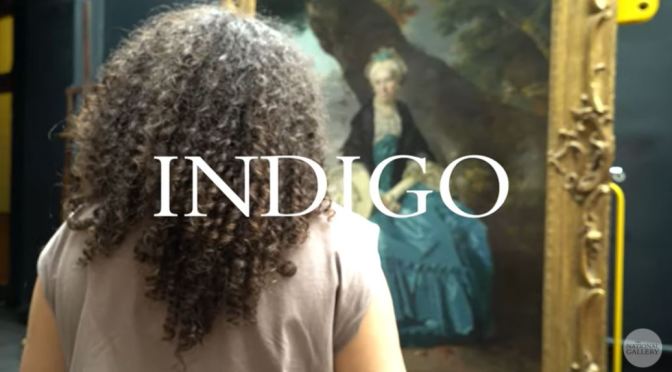
Our Conservation Fellow, Kendall Francis takes a closer look at indigo, a blue dye and pigment extracted from the leaves of plants, and how it is used and represented in paintings in our collection.
Kendall’s research reveals histories that are not explicitly portrayed in the paintings and highlights the important contributions from a wider range of people, including the enslaved people who cultivated the crops and extracted the indigo against their will. Supported using public funding by Arts Council England.
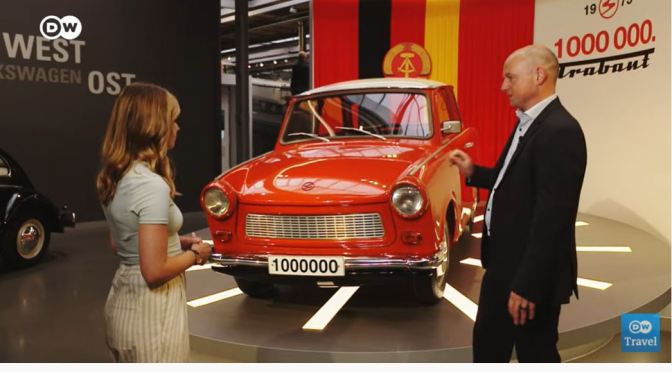
The city of Zwickau in eastern Germany has a long and varied history of car production and industrial design. Its story is told in the August Horch Museum – beginning with the production of Horch cars, to Audis, to the East German car, the Trabant.
On her trip to Zwickau, Hannah Hummel discovers the city’s car history, as well as its art and cultural history. Both the composer Robert Schumann and the expressionist painter and printmaker Max Pechstein were born in Zwickau. This episode of Destination Culture also takes viewers to Schneeberg – a creative hub in Saxony, where students from around the world study fashion and textile design.
Video timeline: 00:00 Intro 01:00 Car museum Zwickau 02:47 Recreating the Horch 14-17 04:49 Trabant – the GDR cult car 06:41 Hannah driving a Trabant 10:53 Composer Robert Schumann’s birthplace 11:49 Max Pechstein Museum 13:13 Werdau, meeting photographer Philipp Gladsome 16:18 Schneeberg, University of Applied Arts 18:46 Fashion design student Ridhima Wadhwa from Gujarat, India 22:05 Miner’s parade 23:45 Fashion designer Franziska Heinze
News, Views and Reviews For The Intellectually Curious




 Boomers Daily