
Director: Natalie Labarre
Agency: Oberland
Production Co: Hornet
Executive Producer: Hana Shimizu
Development Producer: Kristin Labriola
Producer: Matt Creeden
Editor: Anita Chao
Production Coordinator: Riley Spencer
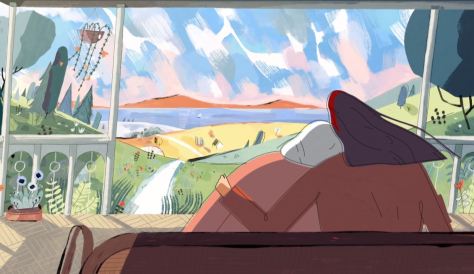
The Leukemia and Lymphoma Society (LLS) and creative agency Oberland approached Hornet to create a 45-second spot detailing how LLS can help people come to terms with the earth-shattering news of a cancer diagnosis. Hornet’s own Natalie Labarre directed the spot. In her words, it was supposed to be “a visual representation of what it’s like to have your life fall apart.” So, she made it literally fall apart with an unraveling of structures around the characters, a blurry focus, and a swirl of levitating objects. The message is that once LLS comes into the picture, these characters feel grounded again. Ultimately, the film is a heartfelt, soothing, beautifully-illustrated 2D animation that has a heavy, yet hopeful, tone.
Website: https://www.lls.org/

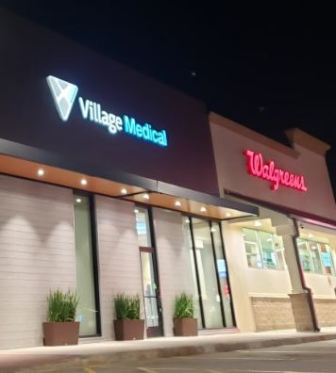 The VillageMD primary care clinic, called Village Medical at Walgreens, is the first of five sites to open in Houston. Four more clinics are slated to open by the end of the year. The Village Medical clinics are
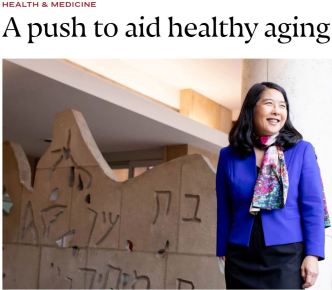 The Grand Challenge Prize is looking for bold, audacious innovations, ideas that can really change aging. We’re looking in science, in technology and engineering, in policy, social sciences, behavioral sciences, economic policy, in traditional medical science and health care, and in work focused on specific diseases. It’s really very broad. We’re looking for innovative thinking that can have global impact. The prizes are going to roll out on three levels. There will be 450 Catalyst Prizes awarded over a three-year period. The first of the three yearly calls will be in January 2020. Once it’s announced, there will be six weeks to submit your idea — just the idea, it doesn’t require any pilot work — and a two-page application. They’ll be reviewed within four months and prizes announced by July. The Catalyst Award is intended as seed funding to get the idea into its earliest stages of development. They’re relatively small in dollar amount, about $50,000 each, but they will give access to an annual meeting bringing together world experts in these fields.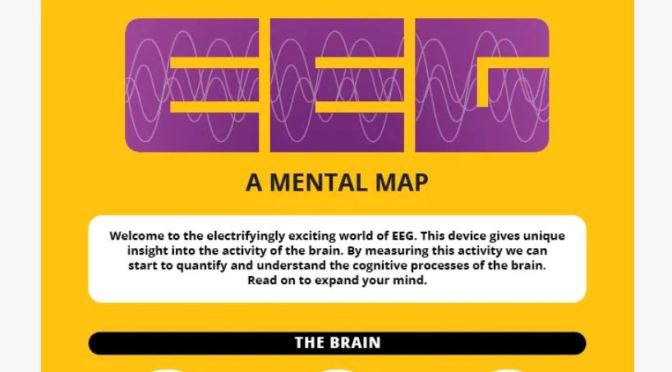

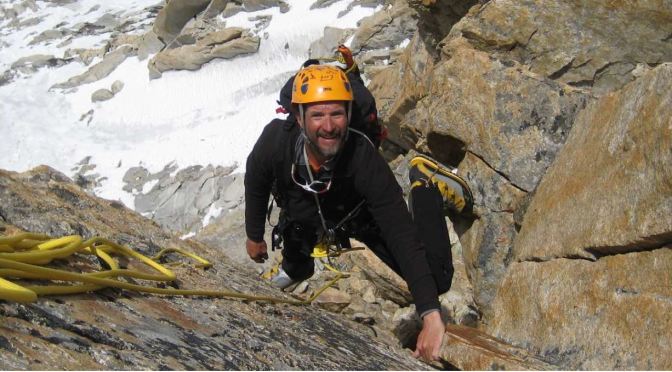
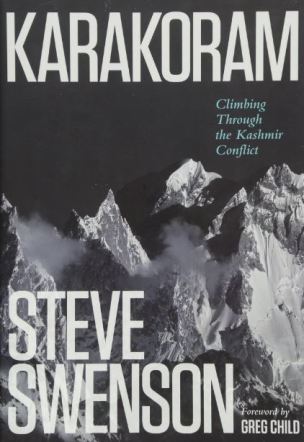 In the spring and summer, he trained two to four hours a day, six days a week, running daily and carrying 60 pounds of water up a 4,000-foot peak near his home in Seattle twice a week. “All the research has shown that 80 percent of training for alpine ascents needs to be long duration and low intensity, to build a huge foundation of endurance,” Swenson says. “There are no shortcuts to this. There’s no thirty-minute-a-day gym workout. You have to have the discipline to put the time in.”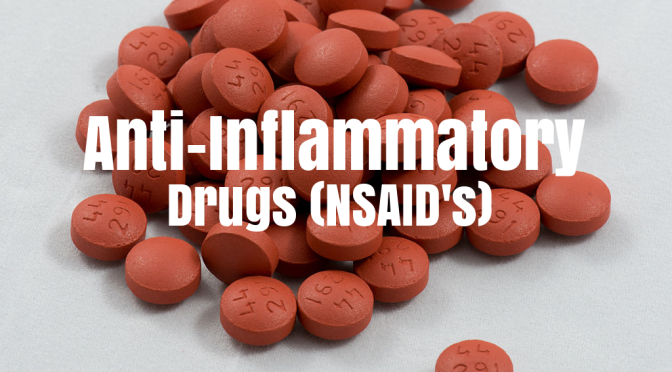
 Researchers matched 7,743 people with osteoarthritis with 23,229 healthy people who rarely or never took NSAIDs. People with osteoarthritis had a 42% higher risk of heart failure and a 17% higher risk of coronary artery disease compared with healthy people. After controlling for a range of factors that contribute to heart disease (including high body mass index, high blood pressure, and diabetes), they concluded that 41% of the increased risk of heart disease related to osteoarthritis was due to the use of NSAIDs.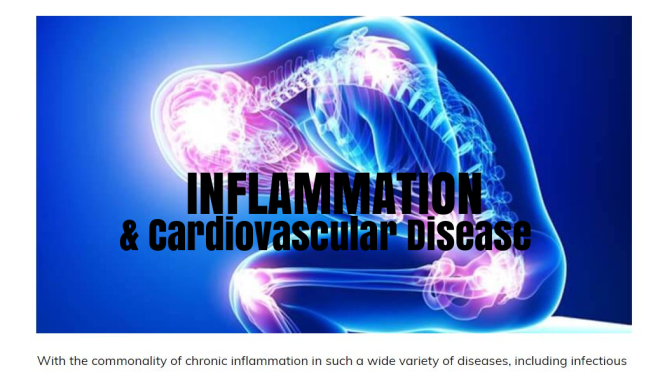
 “These results show quite clearly that there’s a very specific part of the brain network that’s affected by inflammation,” noted Mazaheri. “This could explain ‘brain fog’.”

 This proposed agency could work like a seal of approval, like the Energy Star program run by the Environmental Protection Agency, for new software, apps, and vendors that will be handling sensitive health information. Just like dishwashers evaluated by Consumer Reports, apps that handle personal health information should have a similar unbiased review process.
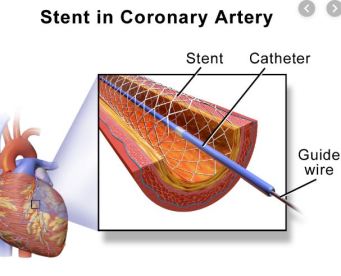 “For patients with severe but stable heart disease who don’t want to undergo these invasive procedures, these results are very reassuring,” said
  Boomers Daily