From a The BMJ Views and Reviews article by David Oliver (February 5, 2020):
 Last year the Lancet published a paper on the impact of wearing gowns, surveying 928 adult patients and carrying out structured interviews with 10 patients. Over half (58%) reported wearing the gown despite feeling uncertain that it was a medical necessity. Gown design was considered inadequate, with 61% reporting that they struggled to put it on or required assistance and 67% reporting that it didn’t fit. Most worryingly, 72% felt exposed, 60% felt self-conscious, and 57% felt uncomfortable wearing the gown.
I’ve often wondered why on earth we routinely put so many patients into hospital gowns within minutes of their arrival at hospital.
Sometimes referred to as “dignity gowns,” such dignity as they afford is only in comparison to being stark naked. They don’t come in a wide range of sizes or lengths, and they’re open along the back. You tend to get what you’re given and make do. The effect is to leave patients with lots of exposed flesh, with underwear or buttocks intermittently displayed and a feeling of extreme vulnerability, not to mention being cold if they have no other layers to wear.
To read more


 Intermittent fasting has salutary effects. Listen how Dr. Mark P. Mattson, co-author of a recent NEJM review on the topic, assesses the practice — and how he’s managed to skip breakfast for the past 30 years or so.



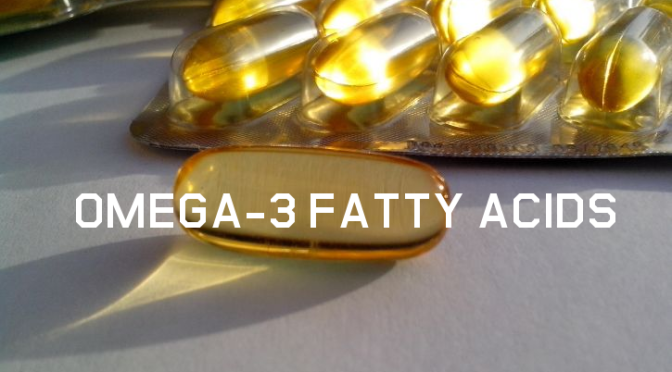
 The intake of marine omega-3s has consistently been found to have antiarrhythmic effects. When marine omega-3s are consumed, there is an increase in cellular membrane fluidity, inhibition of L-type calcium channels and a reduction in the chance of arrhythmic events during susceptible times. Prospective data suggest that maintaining an omega-3 index of about 8%, which requires consuming seafood rich in omega-3 up to five times per week or consuming over 3 g of EPA and DHA per day, may provide the greatest protection against arrhythmic events.
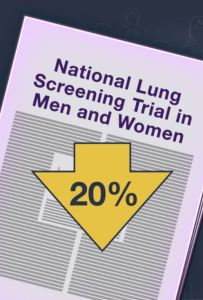 Featuring articles on lung-cancer screening in the NELSON trial, ribociclib and fulvestrant in metastatic breast cancer, vitamin D in pregnancy and asthma, treatment thresholds for neonatal hypoglycemia, and CAR-NK cells in anti-CD19 lymphoid tumors; a review article on placebo and nocebo effects; a Clinical Problem-Solving describing a rapid change in pressure; and Perspective articles on altruism in Extremis, on abuses of FDA regulatory procedures, and on joining forces against delirium.
 Boomers Daily