Wall Street Journal – The U.S. operates hundreds of foreign military bases. China has only one, but military experts say Beijing is also leveraging over 90 commercial ports. WSJ unpacks what’s on these bases and the countries’ differing strategies to expand their global footprint.
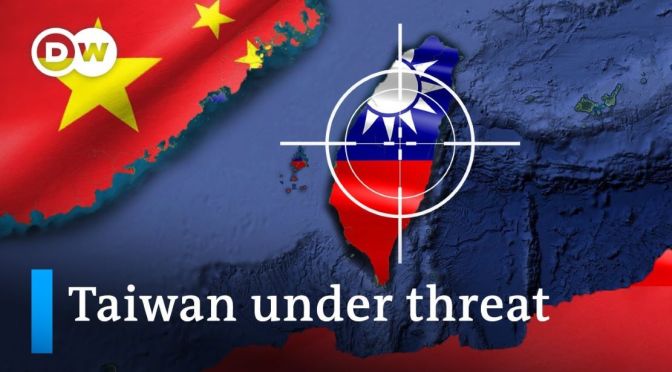
Taiwan is a democracy with a strong human rights record and a high standard of living. But despite the country’s economic strength and elected government, the island state struggles to receive international recognition. Even in terms of corruption, Taiwan’s track record is better than that of some European states.
The problem is that Beijing regards democratic Taiwan, which seceded from the mainland in 1949, as a renegade province rather than an independent state. China is trying to isolate it internationally. Many fear that China has plans to attack Taiwan in the near future: The President of the People’s Republic of China, Xi Jinping, has made it clear that his country is prepared to claim the island by military means. Beijing has been adopting this threatening stance for decades.
Thus far, the goal has been to annex the island to the mainland at some undefined point in the future. China’s historically questionable worldview would see this as reunification; from Taiwan’s perspective, it would be annexation. Both countries are highly armed – a war would inevitably cost many people their lives.
The film throws open a window on a nation that has been in a state of existential threat for decades; a country that is home to people who will defend their freedom at all costs – and also those who yearn for an imminent annexation with China.
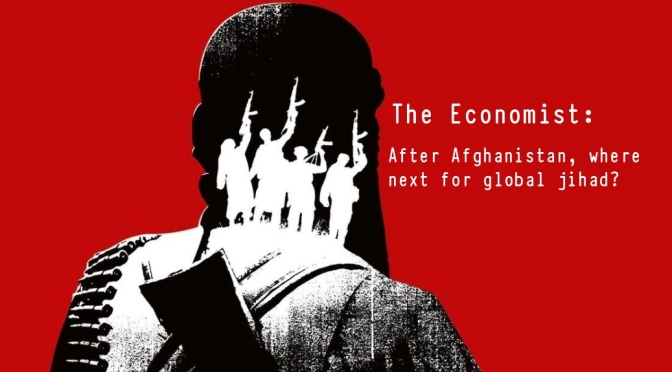
A selection of three essential articles read aloud from the latest issue of The Economist. This week, after Afghanistan, where next for global jihad?, Why Fundamental physics is humanity’s most extraordinary achievement (9:33) And pheasants revolt in Britain (14:51)
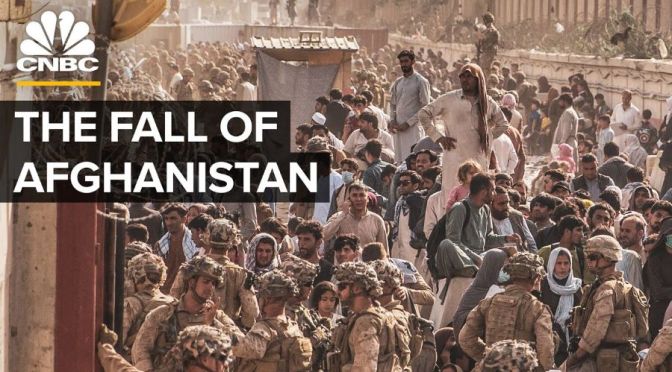
Twenty years of war for the United States and coalition partners in Afghanistan ended with the collapse of the Afghan government after U.S. troops withdrew from most of the country. The rapid advance of the Taliban forced an evacuation of more than 100,000 people from Afghanistan over the course of the last few weeks, and led to the deaths of 13 U.S. service members. Here’s how the fall of Afghanistan happened so quickly, and what’s next for the war-torn country.
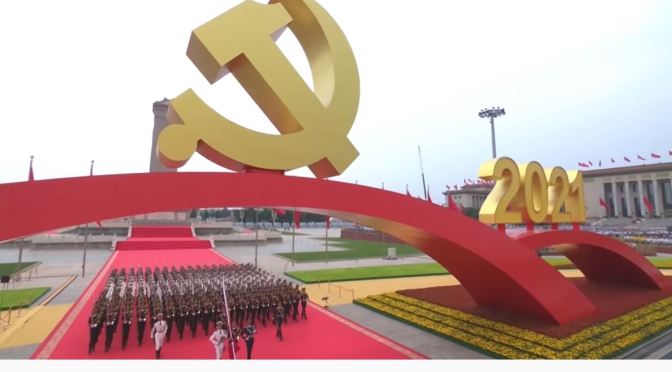
At the Chinese Communist Party’s centennial celebration, President Xi Jinping called for defiance against foreign pressure. As China challenges the U.S.’s leadership – from AI to defense – WSJ’s Jonathan Cheng looks at what’s next for the country. Photo: Wang Zhao/AFP
Fareed Zakaria of CNN’s “Fareed Zakaria GPS” discussed his latest book “Ten Lessons for a Post-Pandemic World.” The discussion covered the consequences of the pandemic and how COVID-19 could reshape the nation and the world, globalization and the digital age.
News, Views and Reviews For The Intellectually Curious


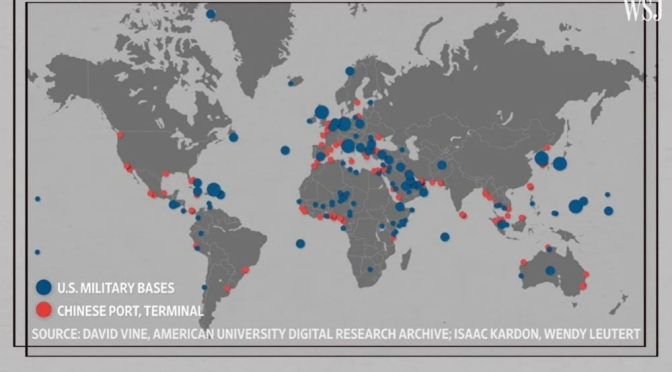
 Wall Street Journal – The U.S. operates hundreds of foreign military bases. China has only one, but military experts say Beijing is also leveraging over 90 commercial ports. WSJ unpacks what’s on these bases and the countries’ differing strategies to expand their global footprint.





 Boomers Daily