Category Archives: Culture
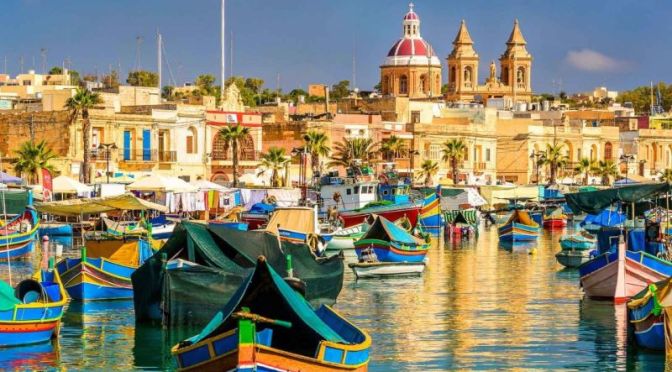
Cultural Views: A Journey Into The Republic Of Malta
Jaafar Abdul Karim travels through one of the smallest countries in Europe: Malta. The Romans, the Arabs, the British and the French have all left their mark here. A sunny country with a multicultural heritage. Jaafar Abdul Karim starts his journey in the capital, Valetta.
A UNESCO World Heritage Site, the city has been extensively restored and renovated. Architect Konrad Buhagiar played a major role in this. He shows Jaafar Valetta’s most beautiful places, where old and new architecture come together. In Siggiewi, the presenter meets Marilu Vella and the two cook a very special local dish: pastizzi. The dumplings are a favorite snack of the Maltese.
The island nation has been a member of the EU since 2008. And here – in a tax haven – people like to show off what they’ve got. But Malta also has its dark sides: At the end of 2017, a murder shook Maltese politics and plunged the country into a crisis. Journalist Daphne Galizia uncovered one of Malta’s biggest corruption scandals. Shortly after, she was the victim of a car bomb.
Deeply shaken by this story, Jaafar takes the ferry to Gozo. The second largest island in the Maltese archipelago is only 14 kilometers long, but it has two large opera houses. Jaafar Abdul Karim finds out why from the artistic director John Galea. This Mediterranean island is one of the sad hotspots in the refugee crisis.
Tens of thousands of people have drowned in recent years trying to reach Europe. Time and again, ships that have rescued survivors from the Mediterranean dock there. Jaafar Abdul Karim talks to survivors and Maltese photographer Darrin Zammit Lupi, who has captured moments of the refugee drama in pictures.
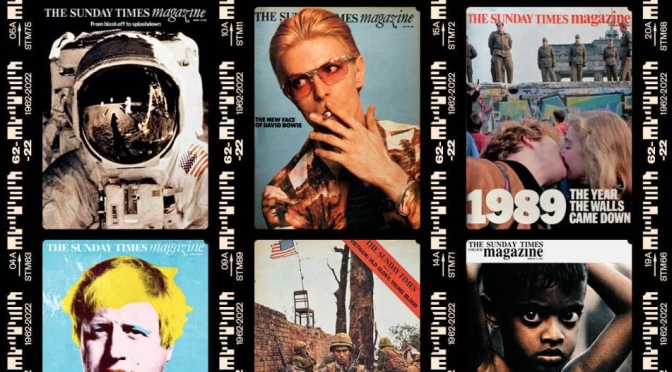
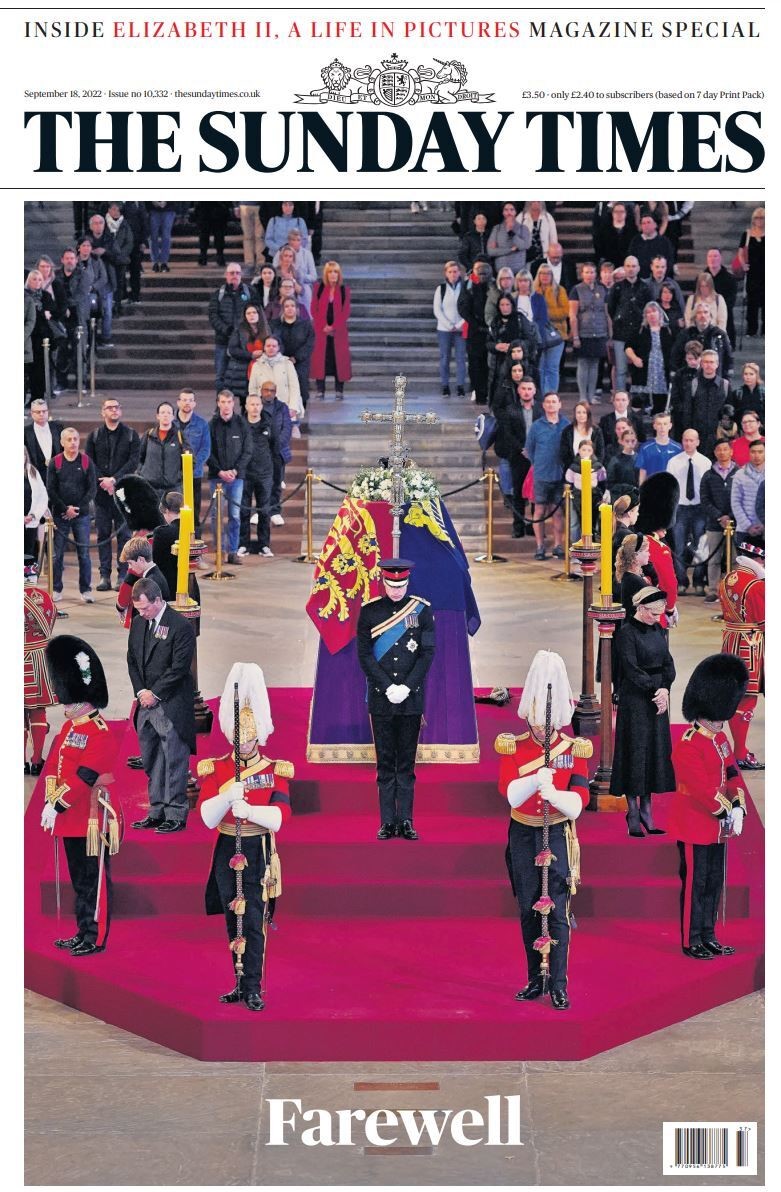
Views: The Sunday Times Magazine – Sept 18, 2022
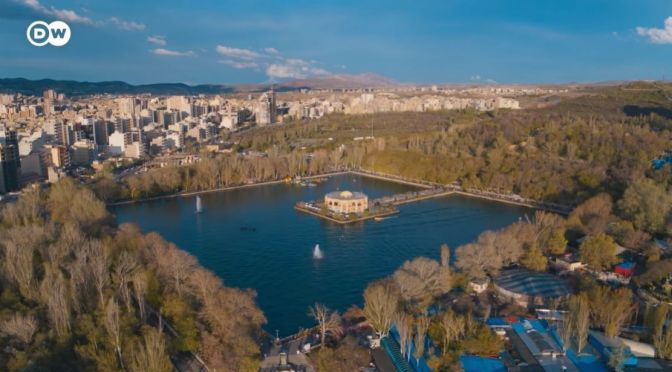
Travel & Culture: North In The Mountains Of Iran
Iran’s mountainous terrain has always been an important part of people’s lives. Years ago, these mountains were populated by legendary horsemen. Today, they are the subject of scientific investigation. This film provides the viewer with stunning arial views of these mountains. It unfurls the rich tapestry of Iran’s history, from the legendary Order of the Assassins to the Mongol invasions. We also get to know Iran by meeting some of the fascinating people who live there. Take Ali, a world champion of mounted archery. Despite its waning popularity, the sport has endured in Iran due the importance of horses throughout Iranian history. We get to explore the historic Tabiz bazaar, which is still a bustling market and kaleidoscope of cultures today. There, we meet Dschebrael, a stall owner who speaks Azeri, the official language of Azerbaijan. In fact, Azeri can be heard throughout the market, which serves as a meeting place for Iran’s many ethnic groups, and thus as a microcosm of the country’s cultural diversity. The film introduces us to beekeepers and violinmakers, as well as young people living in Iran who want to travel and express themselves freely on social media — even though it is forbidden.

Previews: FT Weekend Magazine – Sept 17, 2022
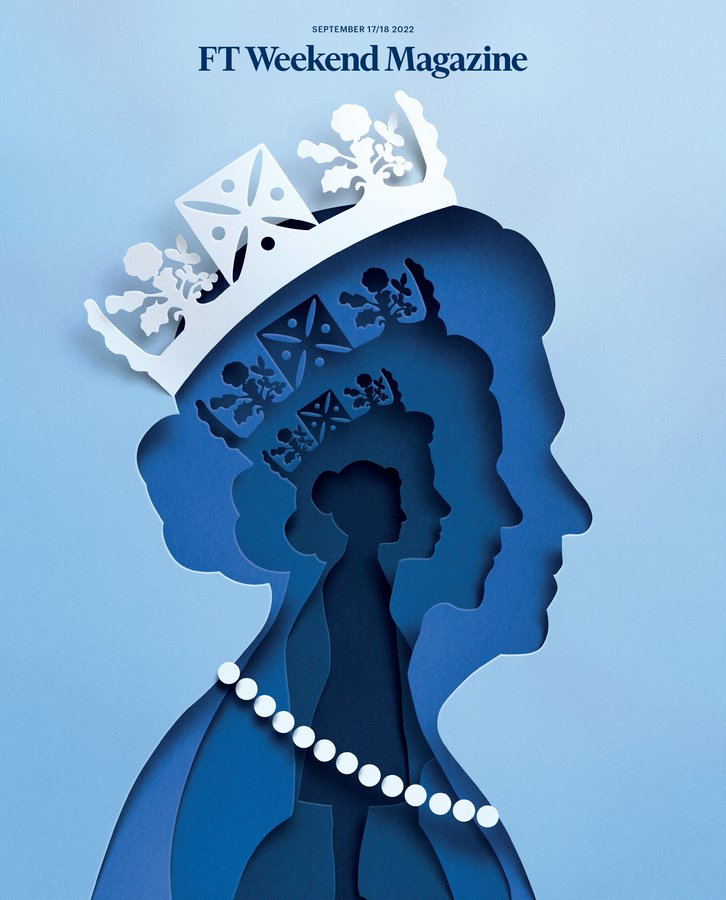
Queen Elizabeth II
Scenes from the end of an Elizabethan age
Defiance and resilience in the rabbit warren of Kyiv’s presidential palace
How to reboot men for the age of gender equality
Artwork by Eiko Ojala

Previews: The Guardian Weekly – Sept 16, 2022
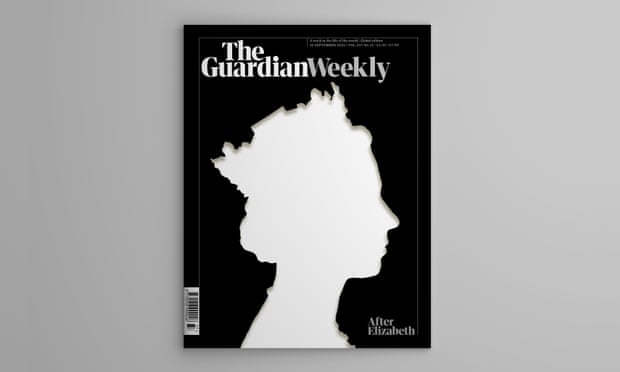
After Elizabeth: Inside the 16 September Guardian Weekly
Reflections on the end of a royal era, and the ascent of King Charles III
Regardless of whether one identifies as royalist or republican, it’s virtually impossible to dispute the global significance of Queen Elizabeth II, who died last week aged 96
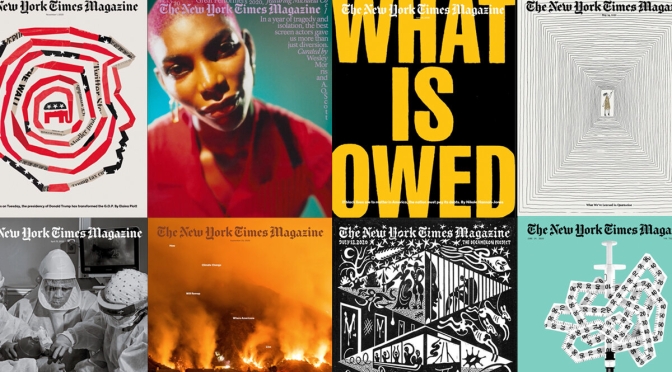
Preview: New York Times Magazine – Sept 18, 2022
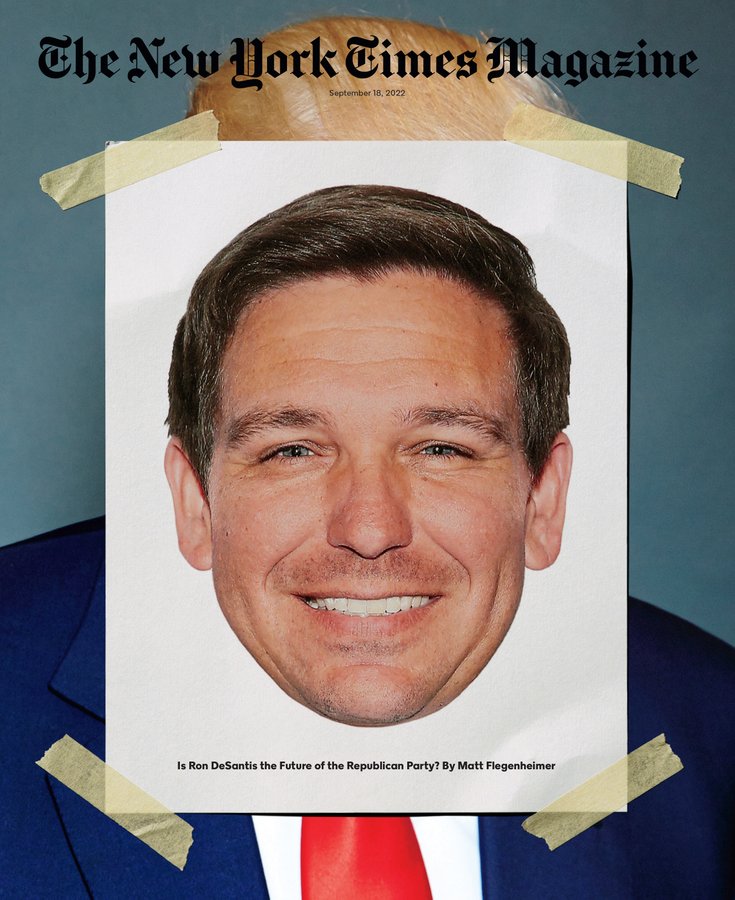
Is Ron DeSantis the Future of the Republican Party?
For years, Democrats have worried about the prospect of a more disciplined heir to Trump. In Florida’s pugilistic governor, that candidate may have arrived.
Nick Cave Lost Two Sons. His Fans Then Saved His Life
“I try to write from the point of view,” the musician and writer Nick Cave says, “that something can happen to your life that is absolutely shattering that can also be redemptive and beautiful.” He came to this perspective through fire. In 2015, Cave’s 15-year-old son, Arthur, died after falling from a cliff near the family’s home in Brighton, England.
My Roommate Is Neglecting His Dog. What Should I Do?
The magazine’s Ethicist on speaking up for a member of the household — when it’s a pet.
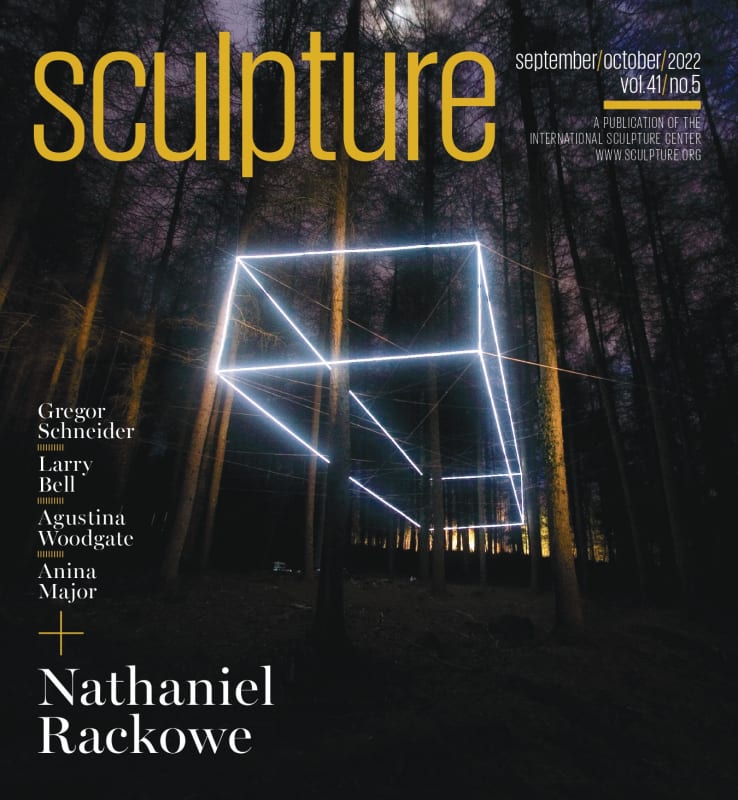
Arts Preview: Sculpture Magazine – Sep/Oct 2022
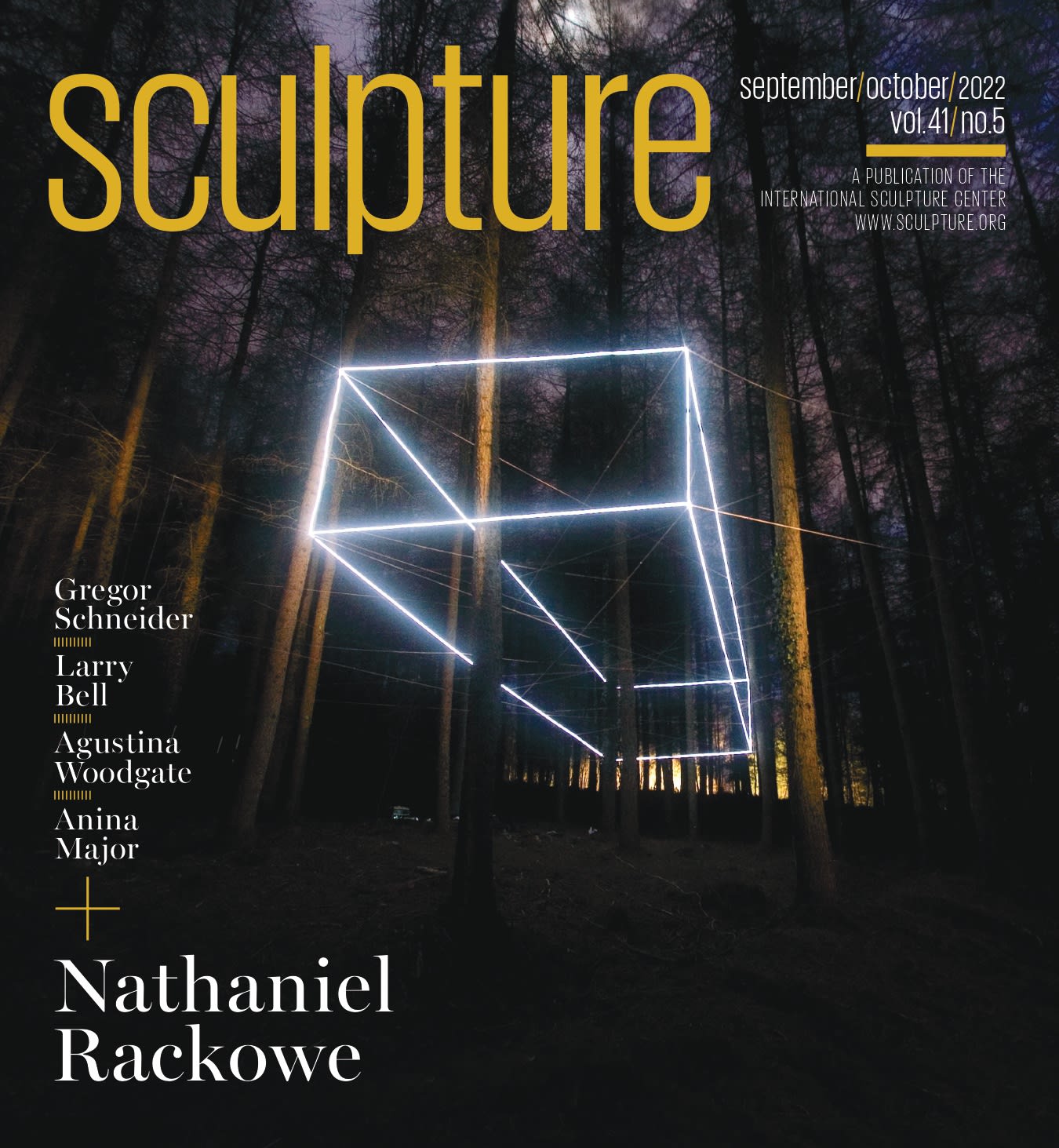
September/October 2022 Issue
| FeaturesReal Light and Real Angles: A Conversation with Larry Bell Between Two Knowns: A Conversation with Nathaniel Rackowe Cracks in the System: A Conversation with Agustina Woodgate Gregor Schneider: A Sense of Distance Thinking Through Place: A Conversation with Anina Major |
BETWEEN TWO KNOWNS: A CONVERSATION WITH NATHANIEL RACKOWE
Nathaniel Rackowe’s large-scale, futuristic works are fundamentally influenced by modern urban architecture. Spanning sculpture, installation, and public art, his practice is concerned with abstracting the metropolis into units of form. Scaffolding poles, cement blocks, corrugated sheets, Perspex, glass, and fluorescent tubing are the building blocks of his sculptural vocabulary. The British artist has created cuboids of light that seem to hover eerily in the air (“Spin” series, 2006–ongoing), upturned sheds that appear frozen in mid-explosion (“Black Shed Expanded” series, 2008–ongoing), and flanks of moving mechanical doors edged with fluorescent lights that close in claustrophobically on visitors (Sixty Eight Doors, 2005). It’s no surprise that he is an admirer of science fiction writers such as Philip K. Dick and Iain M. Banks and films like Brazil (1985) and Blade Runner (1982).
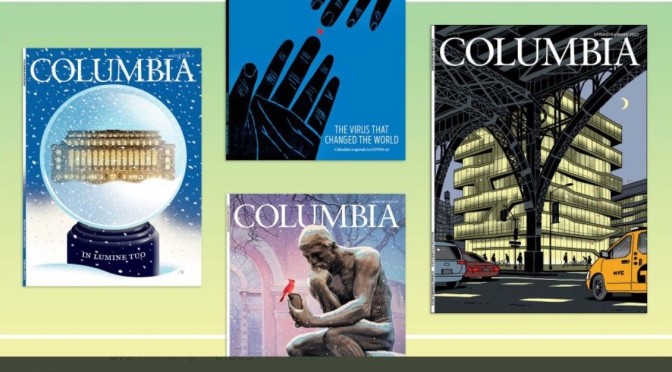
Cover Preview: Columbia Magazine – Fall 2022
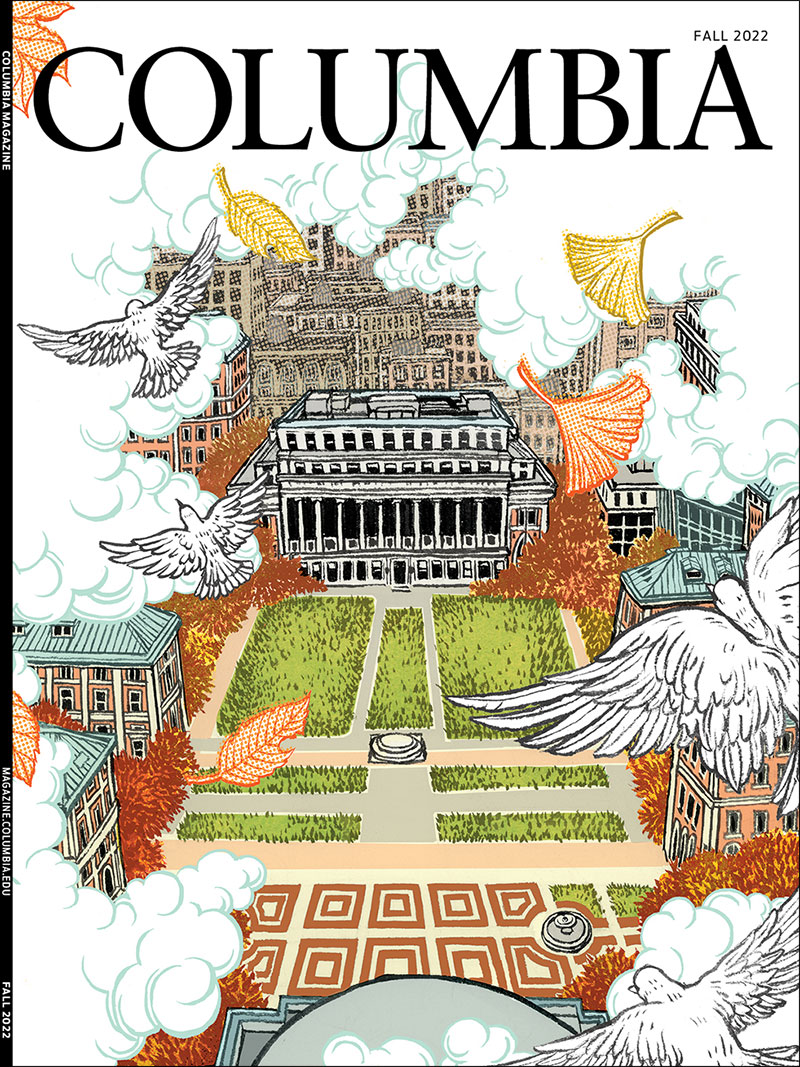
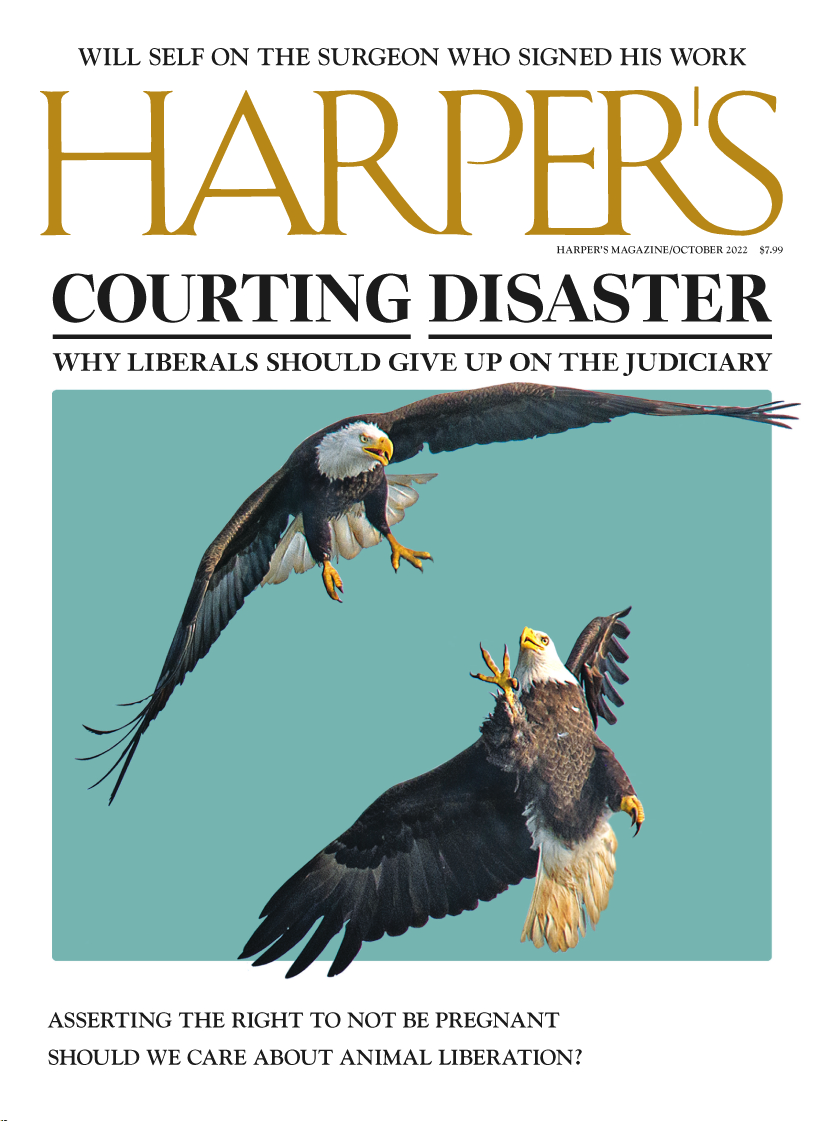
The Troubling Legal Implications of Overturning Roe
Columbia law professors Olatunde Johnson and Carol Sanger assess a momentous Supreme Court decision
Jurassic Parka: How Dinosaurs Survived the Cold
Biomedical Engineers Can Now Watch Our Organs Talk to Each Other

Views: Water Jousting Tradition In Sète, France
Like a medieval duel, but on the water: Contestants use lances to try to knock each other out of their boats. Since 1666, water-jousting events have been held yearly in the port city of Sète, southern France.
After a two-year break on account of the coronavirus pandemic, the traditional fisherman’s jousting event has returned. It’s considered the most important event of its kind – the the sport’s world championships. Each year, thousands of spectators and fans flock to the city to take part in the spectacle. The competition rules haven’t changed since 1666!
 Boomers Daily