It wasn’t a typical car tour but a Mission to celebrate one of our all-time automotive love affairs and what we prefer doing with it: just getting out and driving. We hope this short snapshot incapsulates the feeling of adventure that touched us all during four unforgettable days in a faraway land.
The traditional domain of indigenous peoples now collectively known as Berbers (self-name Imazighen; singular, Amazigh), Morocco has been subject to extensive migration and has long been the location of urban communities that were originally settled by peoples from outside the region. Controlled by Carthage from an early date, the region was later the westernmost province of the Roman Empire. Following the Arab conquest of the late 7th century CE, the broader area of North Africa came to be known as the Maghrib (Arabic: “the West”), and the majority of its people accepted Islam. Subsequent Moroccan kingdoms enjoyed political influence that extended beyond the coastal regions, and in the 11th century the first native Amazigh dynasty of North Africa, the Almoravids, gained control of an empire stretching from Andalusian (southern) Spain to parts of sub-Saharan Africa. Attempts by Europeans to establish permanent footholds in Morocco beginning in the late 15th century were largely repulsed, but the country later became the subject of Great Power politics in the 19th century. Morocco was made a French protectorate in 1912 but regained independence in 1956. Today it is the only monarchy in North Africa.
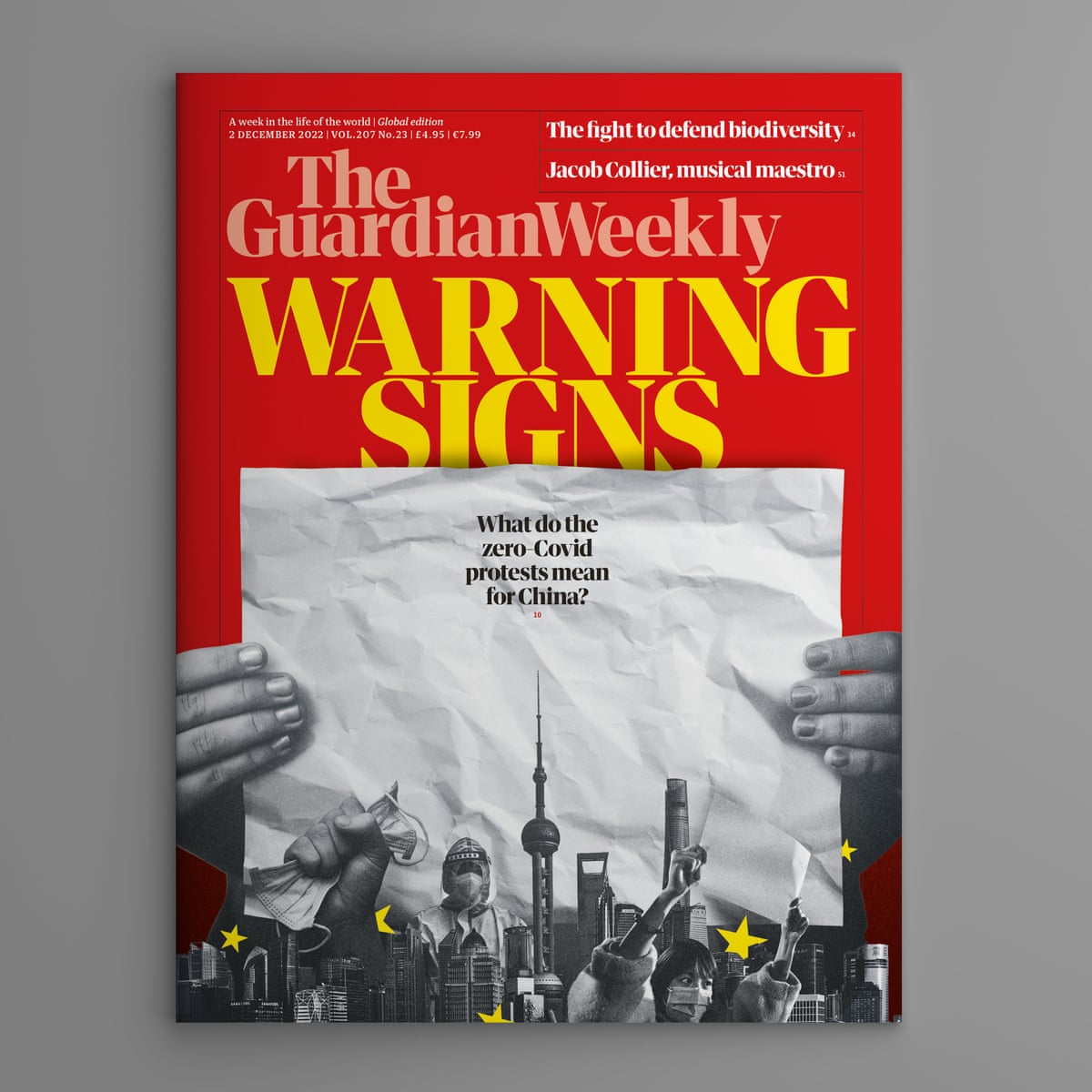
The women and girls facing down Iran’s leaders. Plus: Putin strikes back
For the past few weeks, nationwide protests have gripped Iranafter the death in police custody of Mahsa Amini, a 22-year-old Kurdish woman who had been detained for breaching Islamic dress codes.
Details of what is happening inside the country remain patchy, but social media footage suggests action has been substantial, resulting in mass arrests and scores of deaths. Yet Iran’s repressive state apparatus has not been able to quell the unrest or diminish the morale of protesters, many of whom are young women and schoolgirls.
In an annual festive procession in the Tyrolean Alps known as the Almabtrieb, herders and specially groomed cattle descend into the valley after a summer in higher pastures. Their return to the foothill farms is marked with parades, parties and feasting.
The “Almabtrieb” is a custom that goes back 500 years. The steady clang of cowbells accompanies the cattle on their long journey from high alpine pastures back into the valley. Thousands of spectators celebrate their return as Leonhard “Hartl” Thaler leads the herd into town. The 62-year-old is a well-known figure in his Tyrolean hometown of Reith im Alpbachtal – as a farmer, cattle dealer, innkeeper and musician.
Our skippers spot it first: a dark lump on the horizon. There’s a scramble as a second pair of binoculars is found and shared around, each of us careful not to take our eyes off the distant point while we wait our turn. Silence as we stand on the ship’s foredeck staring determinedly at the sea, hoping it wasn’t an illusion. And then we see it – the sleek arc of a minke whale’s back and a hint of its dorsal fin.
DW reporter Hannah travelled to her home country of Scotland to give you her bucketlist of everything you need to check out in the city of Glasgow! When you think of Glasgow, the first thing that comes to mind is probably cold and rainy weather. But despite that, Scotland’s largest city is a vibrant, cultural hub. It’s a UNESCO City of Music, and has one of the best live music scenes in the UK. Which of Hannah’s travel tips is your favourite – the museum, the deep-fried Mars bar or the music scene?
Glasgow is a port city on the River Clyde in Scotland’s western Lowlands. It’s famed for its Victorian and art nouveau architecture, a rich legacy of the city’s 18th–20th-century prosperity due to trade and shipbuilding. Today it’s a national cultural hub, home to institutions including the Scottish Opera, Scottish Ballet and National Theatre of Scotland, as well as acclaimed museums and a thriving music scene.
One of the most popular holiday destinations for French people is the campsite. Argelès-sur-Mer, in the eastern Pyrenees, is the town with the largest amount of camping accommodation in Europe. In the summer, this Western corner of the Mediterranean sees its population increase tenfold. We meet two brothers who run a campsite in Argelès.
Argelès-sur-Mer is a town on France’s Mediterranean coast. It’s known for the long Argelès Beach with its seafront promenade. In the Catalan-style old town, 14th-century Notre-Dame del Prat Church has views from its bell tower. Valmy Park to the south includes trails, a 19th-century castle and the Aigles de Valmy bird zoo. To the north, Mas Larrieu Natural Reserve is home to herons, gulls and bee-eaters.
News, Views and Reviews For The Intellectually Curious