
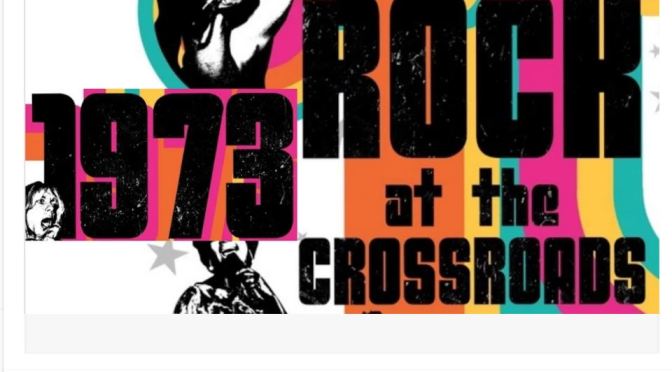
 Led Zep’s Houses of the Holy reflected the rise of funk and reggae. The singer songwriter movement led by Bob Dylan, Neil Young, and Joni Mitchell flourished at the Troubadour and Max’s Kansas City, where Bruce Springsteen and Bob Marley shared bill. Elvis Presley’s Aloha from Hawaii via Satellite was NBC’s top-rated special of the year, while Elton John’s albums dominated the number one spot for two and a half months.
A fascinating account of the music and epic social change of 1973, a defining year for David Bowie, Bruce Springsteen, Pink Floyd, Elton John, the Rolling Stones, Eagles, Elvis Presley, and the former members of The Beatles.
1973 was the year rock hit its peak while splintering―just like the rest of the world. Ziggy Stardust travelled to America in David Bowie’s Aladdin Sane. The Dark Side of the Moon began its epic run on the Billboard charts, inspired by the madness of Pink Floyd’s founder, while all four former Beatles scored top ten albums, two hitting #1.
To read more and purchase: https://www.amazon.com/1973-Crossroads-Andrew-Grant-Jackson/dp/1250299985

 Between the Franco-Prussian War and WWI, France in the 1900s was a gilded moment of peace and prosperity. Critically acclaimed authors Sabine Arqué and Marc Walter curate this XXL collection of some 800 vintage photographs, postcards, posters, and photochromes. From the grand Paris World’s Fair to the honey light of the Côte d’Azur, it’s a glimpse into an era of rose-tinted optimism.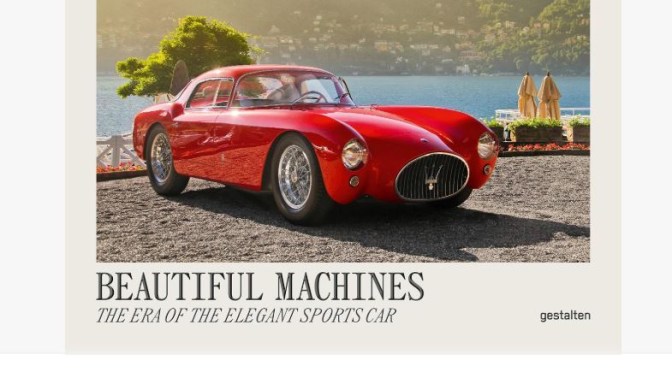
 Start your engines for a grand tour of the most stylish grand motoring automobiles ever created. Evoking an era when elegance, romance, and outright performance defined the automobile and the fascinating stories that made them icons of the road. From the shark-inspired Maserati Ghibli to the fiery Lamborghini Miura, from European elegance with American firepower such as the Iso Grifo and Facel Vega to the groundbreaking designs of the Alfa Romeo Tipo 33 Stradale and Renault Alpine and the advanced technology behind the Jensen FF or Porsche 918 Spyder.

 Time brings new colour to old materials, and what makes Ways of Seeing so enduring might not be the same as what made it so electrically influential when it first appeared. We are now more aware of the fissures in the show, in its slight hesitations and indecisions, and in the hedges to what was otherwise such a freight train of an argument. The pictorial tradition of the female nude, Berger argues throughout the second episode, was not a celebration of humanist virtue but a fantasy of the acquisitive ‘male gaze’ (the term was coined a year later by Laura Mulvey).
 In an engaging, deeply reported book, the authors travel to mobility hotspots, from Helsinki to Shanghai, to scout out this future. And they visit the companies putting it together. One, Divergent3d, is devising a system to manufacture cars with robots and 3D printers. PonyAI, a Chinese-Silicon Valley startup, builds autonomous software that perceives potholes, oncoming trucks, and wayward pedestrians, and guides the vehicle around them. Voom, an Airbus subsidiary, is racing with dozens of others to operate fleets of air taxis that fly by themselves.
 Instead, the homes of the villains are places where evil is plotted and where, often, the hero is tested and must prove him/herself. Like evil itself, the abodes of movie villains are frequently compelling and seductive. From a design standpoint, they tend to be stunning, sophisticated, envy-inducing expressions of the warped drives and desires of their occupants.
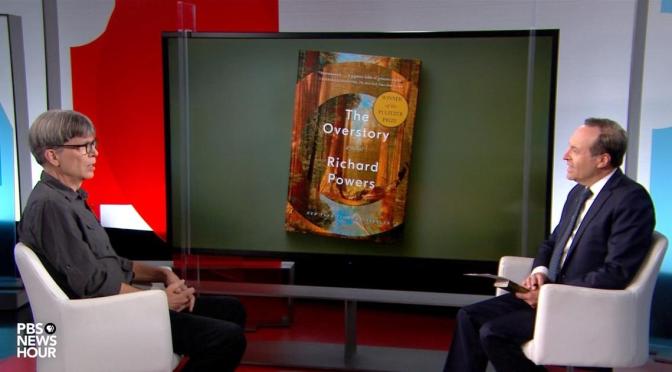
 Richard Powers, author of our November pick for the NewsHour-New York Times book club, Now Read This, joins Jeffrey Brown to answer reader questions on “The Overstory,” and Jeff announces the December book selection.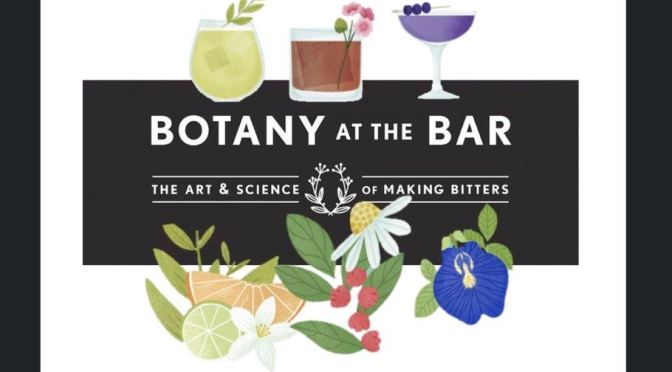
 BOTANY AT THE BAR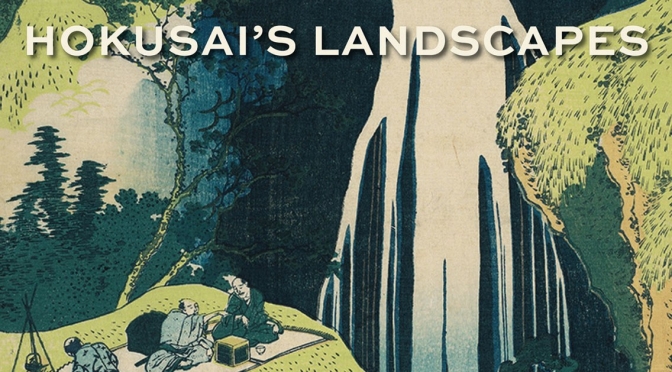
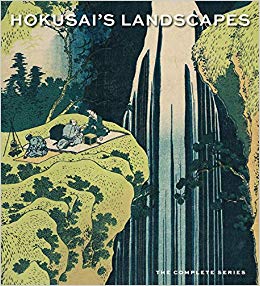 Hokusai’s landscapes revolutionized Japanese printmaking and became icons of world art within a few decades of the artist’s death. Hokusai’s Landscapes focuses exclusively on this pivotal body of the artist’s work, the first book to do so. Featuring stunning color reproductions of works from the incomparable Japanese art collection at the Museum of Fine Arts, Boston (the largest collection of Japanese prints outside Japan), Hokusai’s Landscapes examines the magnetic appeal of Hokusai’s designs and the circumstances of their creation.
 Boomers Daily