

From a New Criterion online article:
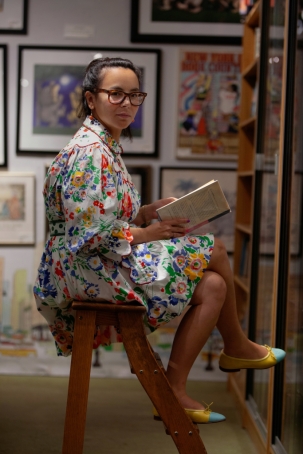 A Booklover’s Guide to New York, by Cleo Le-Tan, with drawings by Pierre Le-Tan (Rizzoli): As Prufrock measured out his life in coffee spoons, some New Yorkers measure theirs in departed bookstores. I weep most for Crawford Doyle, which in 2017 closed after twenty-one years in stately residence on Madison Avenue at Eighty-first Street. But there have been compensations among the heartaches. In 2014, Albertine opened at the French Embassy, on Fifth Avenue and Seventy-ninth Street. The gorgeous store cheekily asserts on billboards that “The best bookstore in France is in New York City.” And Rizzoli, which lost its lease in its double-front townhouse on Fifty-seventh Street in 2014, later reopened on Broadway and Twenty-sixth Street, in a space nearly as grand as the original. Cleo Le-Tan’s A Booklover’s Guide to New York is expressly made for those who view the city’s bookstores as integral to its being. Documenting the shops, sellers, libraries, and bibliophiles of the city, the illustrated book is a worthy addition to any personal collection.
To read more: https://newcriterion.com/
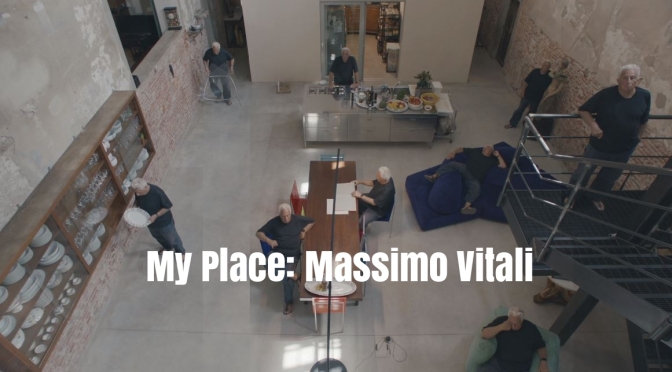
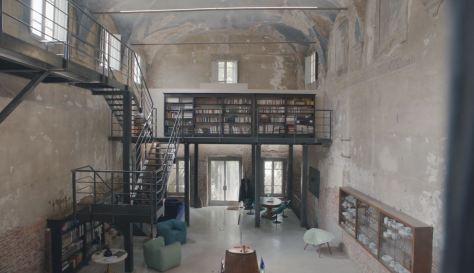
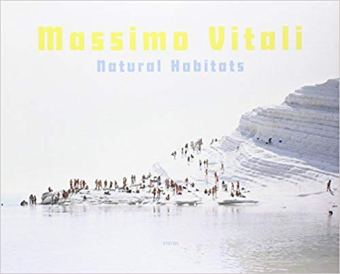 An assortment of inflatable alligators, damp bodies and candy cane-colored umbrellas typify Italian photographer Massimo Vitali’s ongoing Beach Series, which he began in 1995. Born in Como, Italy in 1944 Vitali’s internationally recognized panoramas of busy ski resorts, clubs, pools and piazzas explore the multilayered stories present in communal leisure places.

 “Agent Running in the Field” is narrated by Nat, a 47-year-old spy for British intelligence—known not as “the Circus” of yore but, more prosaically, as “the Office”.
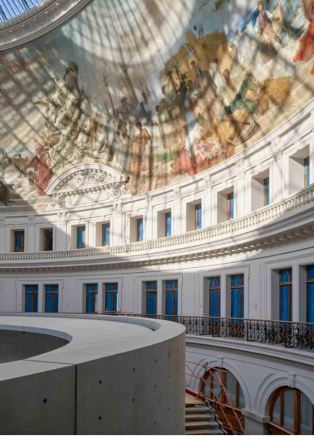 The plans for the venue were previously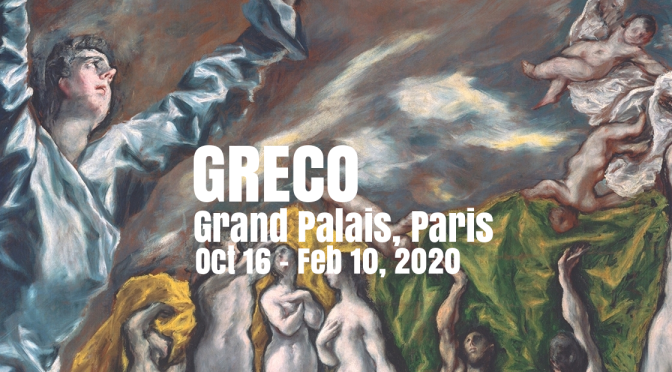
 Rediscovered in the late 19th century, celebrated by authors, acknowledged and embraced by the 20th century avant-garde, the artist has enjoyed the dual prestige of tradition and modernity, linking Titian to the Fauvists and Mannerism to Cubism, Expressionism, Vorticism and Abstraction up to the Action painting.
 Whereas most Wright biographies build from one structure to the next, this one caroms from one digression to the next. Mr. Hendrickson spins miniature biographies of the people who commissioned Wright to build their homes and office buildings. An array of midcentury figures appears: e.g., Glenway Wescott, the novelist and poet who rubbed shoulders with Gertrude Stein in Paris and whose sister commissioned one of Wright’s homes; and Clarence Darrow, the renowned lawyer, who waded into the murk of Wright’s personal life when a disgruntled housekeeper attempted to use the Mann Act to have Wright arrested. We also meet the little-known residents of various structures. Seth Peterson, for instance, dreamed of living in a Wright home so powerfully that he camped out in the one he commissioned as it was being built.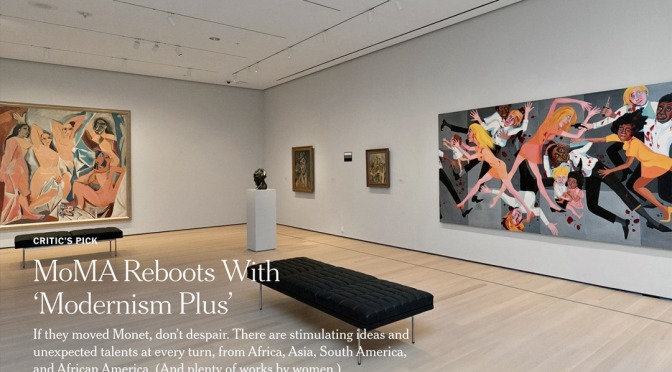
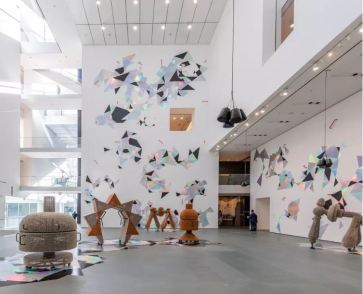 There’s also a special focus on architecture and design in this new approach to the collection: Several galleries are devoted to various aspects of those fields, including “The Vertical City,” an examination of skyscraper construction that includes photos by Berenice Abbott, Hugh Ferriss’s architectural drawings, and other ephemera. Elsewhere, building models of the Guggenheim and a spec design of MoMA by modernist master William Lescaze emphasize the importance of architecture to museums, and vice versa.
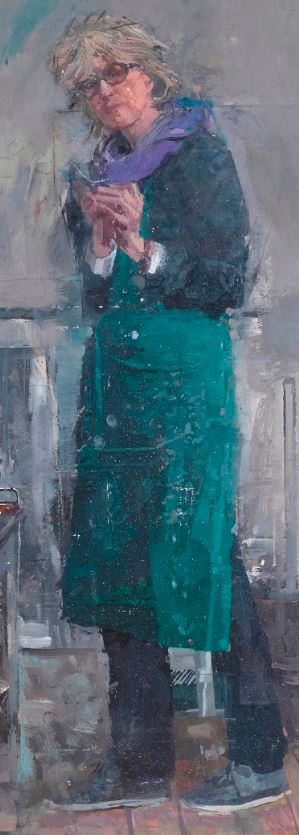 I describe myself as an urban-based painter who is interested in green spaces. Painting and drawing have been seen as profoundly unfashionable for most of my working life, and I have felt sometimes that it was quite eccentric to be a figurative painter with conventional subject matter. Looking back, my insistence on maintaining my practice as a figurative painter now seems more radical than conventional.
 I was very blessed to have the opportunity to catch up with Hogan ahead of her Mayfair exhibition. I find myself entranced by her vibrant paintings that are dense with detail, filling the canvas from edge to edge with layers upon layers of paint. She has also established portraiture practice, her commissions including HRH The Prince of Wales. In a unique style, Hogan paints her sitters whilst they are deep in conversation, capturing unguarded gestures and expressions to create intricate portraits of both honesty and intimacy.



 Boomers Daily