

From a New Yorker online article:
 I became engrossed in Mitchell’s drawings while browsing the book—they’re vivid, intimate—but her handwritten lyrics and poems are just as revelatory. It’s hard not to think about art-making of any kind as an alchemical process, in which feelings and experiences go in and something else comes out. Whatever happens in between is mysterious, if not sublime: suddenly, an ordinary sensation is made beautiful. Our most profound writers do this work with ease, or at least appear to. Mitchell’s lyrics are never overworked or self-conscious, and she manages to be precise in her descriptions while remaining ambiguous about what’s right and what’s wrong; in her songs, the cures and the diseases are sometimes indistinguishable.
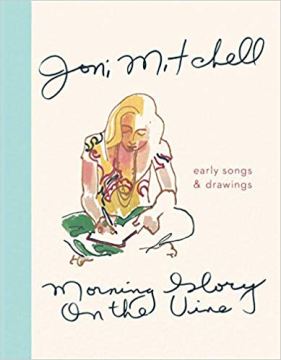 Joni Mitchell, in the foreword to “Morning Glory on the Vine,” her new book of lyrics and illustrations, explains that, in the early nineteen-seventies, just as her fervent and cavernous folk songs were finding a wide audience, she was growing less interested in making music than in drawing. “Once when I was sketching my audience in Central Park, they had to drag me onto the stage,” she writes. Though Mitchell is deeply beloved for her music—her album “Blue” is widely considered one of the greatest LPs of the album era and is still discussed, nearly fifty years later, in reverent, almost disbelieving whispers—she has consistently defined herself as a visual artist. “I have always thought of myself as a painter derailed by circumstance,” she told the Globe and Mail, in 2000. At the very least, painting was where she directed feelings of wonderment and relish. “I sing my sorrow and I paint my joy,” is how she put it.
To read more: https://www.newyorker.com/culture/culture-desk/joni-mitchell-discusses-her-new-book-of-early-songs-and-drawings
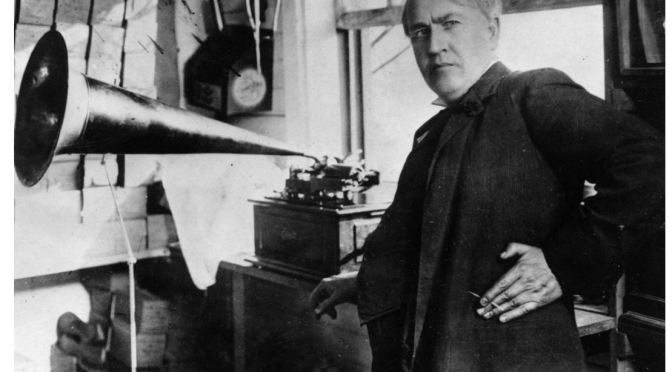
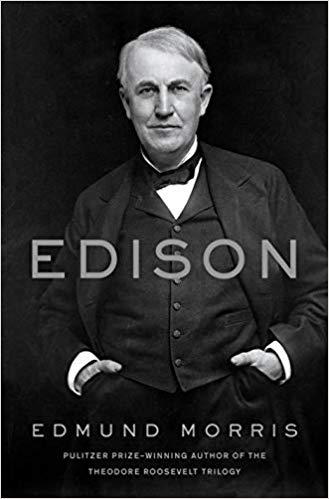 Not until July 16 did Edison feel that he had a device worth patenting. The application he signed that day specified multiple timpani that “reproduced” vocal inflections and a sibilant-sensitive diaphragm. But a laboratory visitor (spying for Bell) found the instrument more powerful than clear, with the word schism sounding more like kim.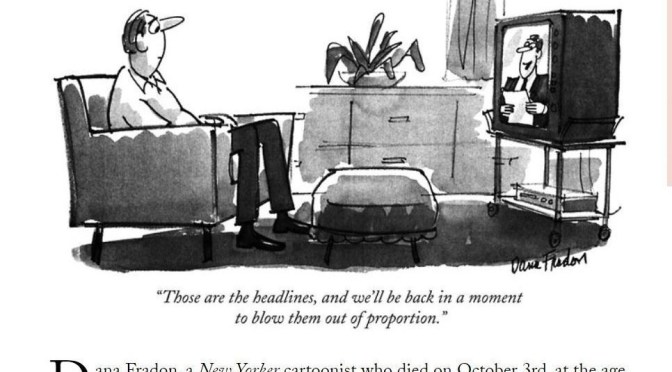
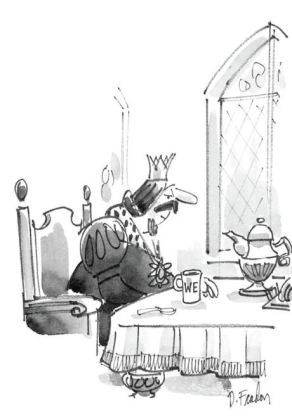 Fradon’s elaborate drawings were generous masterpieces of compressed fun. One carefully detailed illustration, published in 1987, depicts a chauffeured convertible making its way up a manicured, tree-lined drive, toward an extravagant hilltop mansion. The self-satisfied owner, seated in the rear seat, says to his companion, “It’s my one indulgence.”
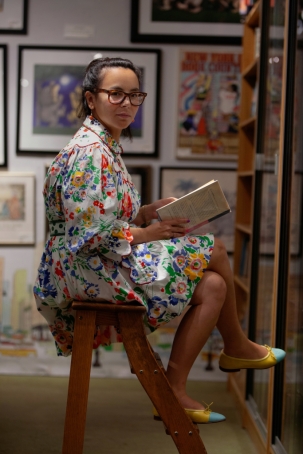 A Booklover’s Guide to New York, by Cleo Le-Tan, with drawings by Pierre Le-Tan (Rizzoli)
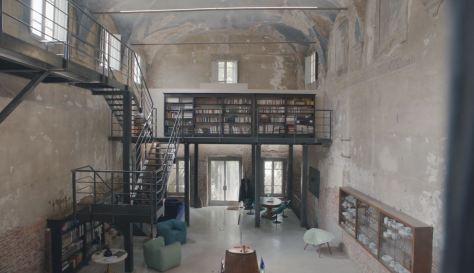
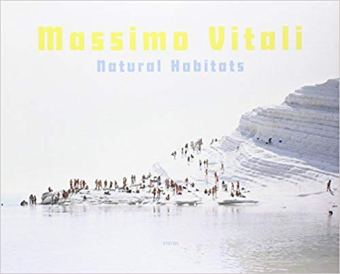 An assortment of inflatable alligators, damp bodies and candy cane-colored umbrellas typify Italian photographer Massimo Vitali’s ongoing Beach Series, which he began in 1995. Born in Como, Italy in 1944 Vitali’s internationally recognized panoramas of busy ski resorts, clubs, pools and piazzas explore the multilayered stories present in communal leisure places.

 “Agent Running in the Field” is narrated by Nat, a 47-year-old spy for British intelligence—known not as “the Circus” of yore but, more prosaically, as “the Office”.
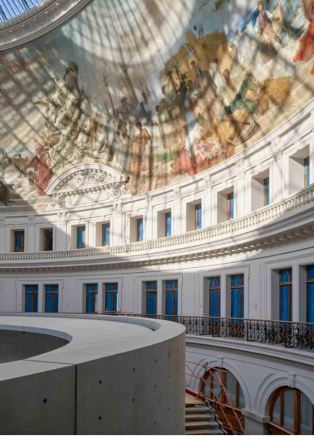 The plans for the venue were previously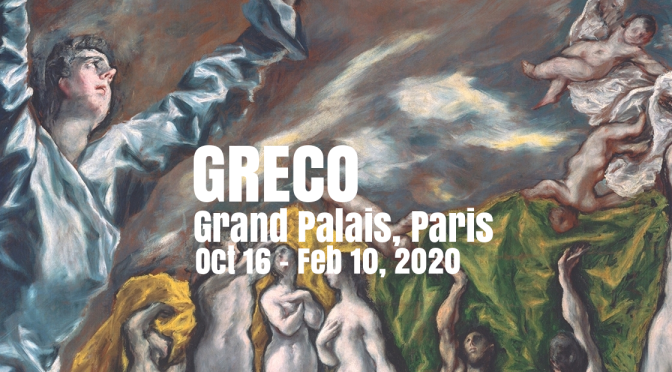
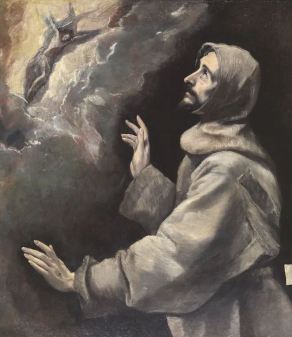 Rediscovered in the late 19th century, celebrated by authors, acknowledged and embraced by the 20th century avant-garde, the artist has enjoyed the dual prestige of tradition and modernity, linking Titian to the Fauvists and Mannerism to Cubism, Expressionism, Vorticism and Abstraction up to the Action painting.
 Whereas most Wright biographies build from one structure to the next, this one caroms from one digression to the next. Mr. Hendrickson spins miniature biographies of the people who commissioned Wright to build their homes and office buildings. An array of midcentury figures appears: e.g., Glenway Wescott, the novelist and poet who rubbed shoulders with Gertrude Stein in Paris and whose sister commissioned one of Wright’s homes; and Clarence Darrow, the renowned lawyer, who waded into the murk of Wright’s personal life when a disgruntled housekeeper attempted to use the Mann Act to have Wright arrested. We also meet the little-known residents of various structures. Seth Peterson, for instance, dreamed of living in a Wright home so powerfully that he camped out in the one he commissioned as it was being built.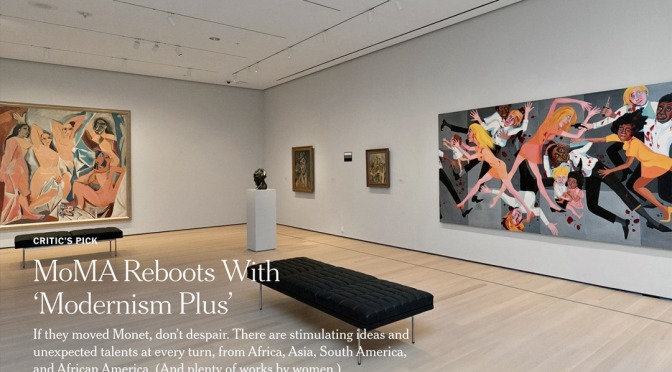
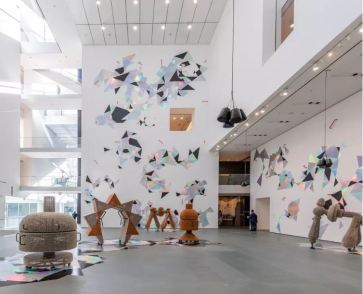 There’s also a special focus on architecture and design in this new approach to the collection: Several galleries are devoted to various aspects of those fields, including “The Vertical City,” an examination of skyscraper construction that includes photos by Berenice Abbott, Hugh Ferriss’s architectural drawings, and other ephemera. Elsewhere, building models of the Guggenheim and a spec design of MoMA by modernist master William Lescaze emphasize the importance of architecture to museums, and vice versa.
 Boomers Daily