
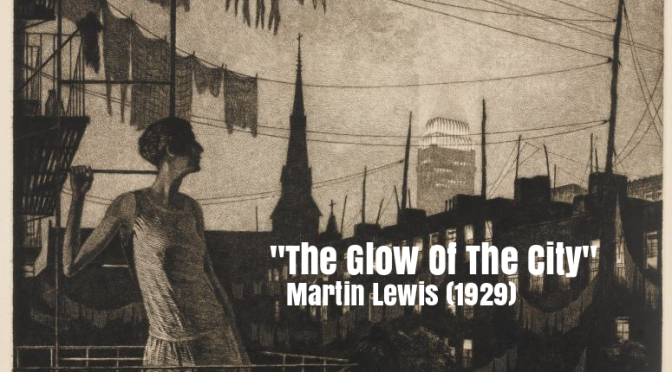
Born in Victoria, Australia, Martin Lewis was a printmaker who is known for his scenes of urban life in New York during the 1920s and 1930s. As a youth Lewis held a variety of jobs that ranged from working on cattle ranches in the Australian Outback, in logging and mining camps, to being a sailor. In 1898, he moved to Sydney for two years where he received his only formal art training. During this period he may have been introduced to printmaking; a local radical paper, The Bulletin, published two of his drawings.
Lewis left Australia in 1900 and first settled in San Francisco. He eventually worked his way eastward to New York. Little is known about his life during the following decade except that he made a living as a commercial artist and produced his first etching in 1915. Lewis’ skill as an etcher was noticed by Edward Hopper, who became a lifelong friend. In 1920, dissatisfied with his job, Lewis used his entire savings to study art and to sketch in Japan. He returned to New York after a two-year stay and resumed his commercial art career, but also pursued his own work as a painter and printmaker.
During the Depression, Lewis moved to Newtown, Connecticut, but later returned to Manhattan, where he helped establish a school for printmakers. From 1944-1952 Lewis taught a graphics course at the Art Students League in New York.
During his thirty-year career, Lewis made about 145 drypoints and etchings. His prints, like Shadow Dance and Stoops in Snow, were much admired during the 1930s for their realistic portrayal of daily life and sensitive rendering of texture. The artist’s skill in composition and his talent in the drypoint and etching media have received renewed attention in recent years. Lewis is one of the few printmakers of this era who specialized in nocturnal scenes. Some scholars consider his print Glow of the City his most significant work because of the subtlety of handling. A minute network of dots, lines, and flecks scratched onto the plate creates the illusion of transparent garments hanging in the foreground, while the Chanin Building, an art deco skyscraper, towers over the nearby tenements.
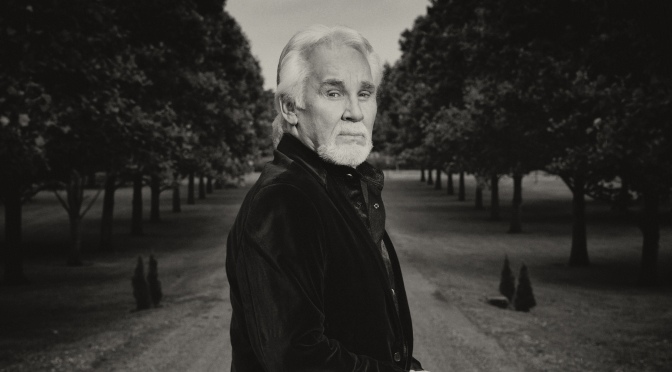
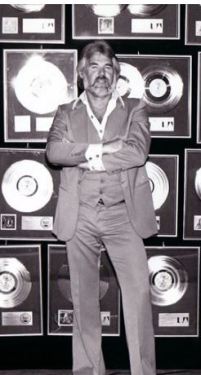 March 21, 2020 – The Rogers family is sad to announce that Kenny Rogers passed away last night at 10:25PM at the age of 81. Rogers passed away peacefully at home from natural causes under the care of hospice and surrounded by his family.
 From Daikanyama Tsutaya Books in Tokyo to Kosmos Buchsalon in Zurich, Do You Read Me? travels the globe to discover these gems and some of the people behind them, who turn an ordinary trip to the bookstore into an extraordinary experience.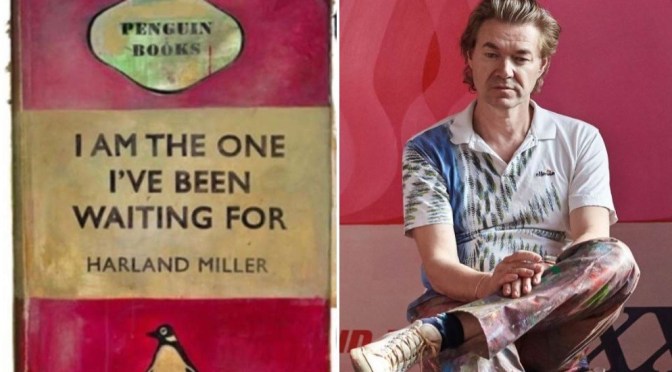
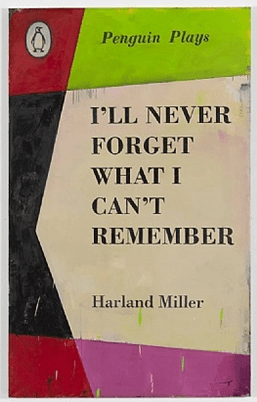 Miller’s Penguin book covers and ironic titles catch the art world’s eye

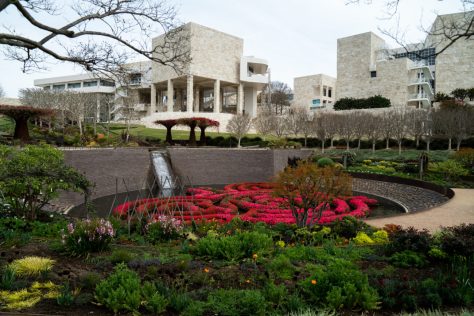
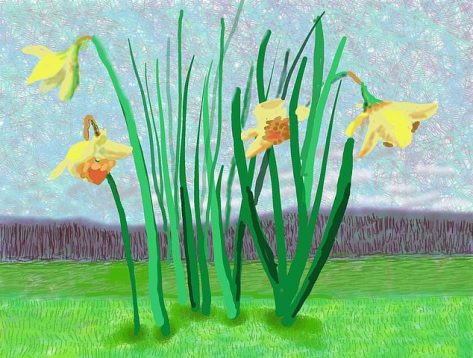
 The quiet comes at a time of transition for the garden. Spring always brings change and renewal, but this year Getty’s new horticulturist, Jackie Flor, has been trying to channel the vision of the garden’s creator, artist Bob Irwin, as she brings the garden back to his original intent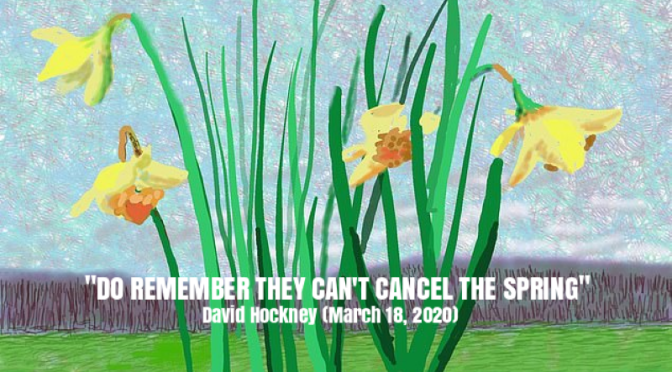

 This reprint features all 136 recipes over 12 chapters, specially illustrated by Dalí, and organized by meal courses, including aphrodisiacs. The illustrations and recipes are accompanied by Dalí’s extravagant musings on subjects such as dinner conversation: “The jaw is our best tool to grasp philosophical knowledge.”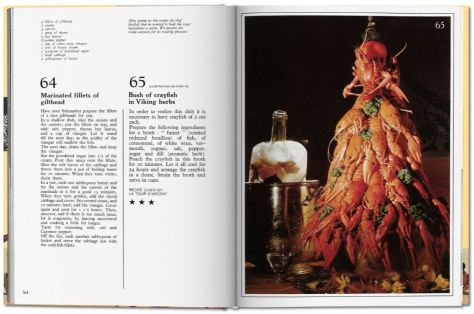



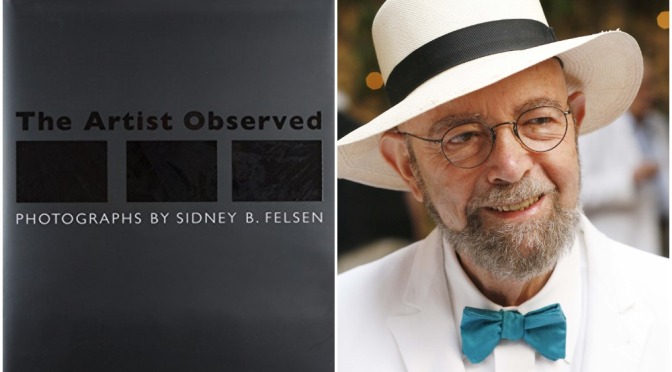
 In this episode, Sidney talks about how Gemini GEL got started and grew into the organization it is today, sharing stories about the artists he’s worked with along the way.
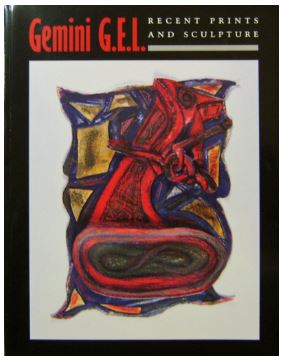 In 1966, at the age of forty-one, Sidney Felsen moved from the world of accounting to that of art, founding the artists’ workshop and fine-art print publisher Gemini GEL in Los Angeles. With Gemini GEL, Sidney quickly got to work with some of the biggest artists of the twentieth century: Man Ray, Josef Albers, Jasper Johns, and Robert Rauschenberg, to name a few. And Gemini GEL continues its work with new generations of artists, including Julie Mehretu, Tacita Dean, and David Hammons.
 Boomers Daily