

A selection of three essential articles read aloud from the latest issue of The Economist. This week: the horror ahead in Ukraine, why climate change must be adapted to as well as opposed (11:25) and why France needs a proper debate ahead of its presidential election (15:40).
Category Archives: Analysis
Political Analysis: Putin’s War, Economic Fallout From Invasion, Taiwan
A selection of three essential articles read aloud from the latest issue of The Economist. This week, where will Vladimir Putin stop? Plus, the economic consequences of the war in Ukraine (10:35) and how parallels with Taiwan are shaping Asian views of the conflict (16:35).

Analysis: Why U.S. Health Care Is So Expensive (CNBC)
Health-care spending is consistently rising around the world, but the United States is the worst performer when it comes to controlling costs. A lack of universal coverage in the U.S. and a fragmented and heavily commercialized system leads to rising costs and excessive spending. Watch the video to learn more about why health-care costs are rising in the U.S. more than anywhere else and how that can be stopped.

Retail: Rise Of Unwanted Goods Liquidation (CNBC)
A record number of online returns has created a booming $644 billion liquidation market. As supply chain backlogs cause shortages of new goods and Gen Z shoppers demand more sustainable retail options, pain points for one sector of retail are big business for another. The nation’s only major public liquidator, Liquidity Services, resells unclaimed mail, items left at TSA checkpoints, and outdated military vehicles. It also refurbishes highly sought after electronics, from noise-canceling headphones to the machines that make microchips.
CNBC takes you on an exclusive tour inside a Liquidity Services returns warehouse outside Dallas, Texas, where unwanted goods from Amazon and Target are stacked to the ceiling before being resold on Liquidation.com or a variety of other marketplaces. Inside Liquidity Services’ 130,000-square-foot warehouse in Garland, Texas, the aisles aren’t lined with typical merchandise. Instead, they’re stacked with returns from Amazon, Target, Sony, Home Depot, Wayfair and more, all in the process of being liquidated.

Technology: How AI Can Improve Health Care
AI has the power to transform health care. From more efficient diagnoses to safer treatments, it could remedy some of the ills suffered by patients. Film supported by @Maersk
Timeline: 00:00 – Can AI help heal the world? 00:45 – How can AI spot blindness? 04:01 – Protecting patients’ privacy 05:10 – How to share medical data safely 06:11 – Medical AI is rapidly expanding 08:02 – What do the sceptics say? 08.36 – Using AI for new medical devices 11:08 – What does the future hold for medical AI?
Analysis: World Financial Markets Risks, Chinese Ideology, Spinal Implants
A selection of three essential articles read aloud from the latest issue of The Economist. This week, what would happen if financial markets crashed? We also profile China’s thinker-in-chief (11:25) and explore how new spinal implants allow the paralysed to walk, swim and cycle again (18:45).
Affordable Housing: Is Modular The Answer?
Cities around the world are facing an affordable housing shortage – and the Covid-19 pandemic has only worsened the crisis. A 2021 report revealed 88 out of 92 major cities are considered unaffordable. The least affordable of them is Hong Kong, where the median house price is more than 20 times the annual median household income.
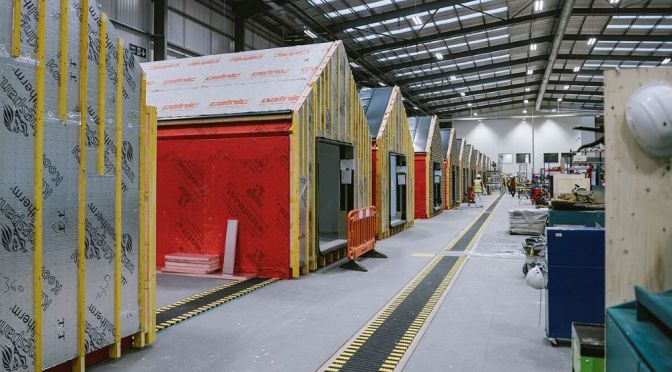
But there is a potential solution that is garnering attention: factory-built homes. These houses – also known as modular homes – are constructed in controlled conditions and can take just a week or two to build.
“We can build 27 Top Hat homes for every one brick and mortar traditionally built house,’ said Jordan Rosenhaus, who is the CEO of modular housing factory, TopHat. “So, over the next week, we’ll finish approximately 10 houses, that’s just our production program for now. That can ramp up”.
So can this innovation solve the housing crisis? Watch the video above to learn more.

Public Transit: Seattle’s $54 Billion Railway (Video)
This could be the most ambitious public transit project in America.
SEATTLE has become one of the most attractive cities in the United States.
The tech boom has helped bring in some 1,000 new residents every week. Of course, all those new Seattleites need a way to get around, and things are getting crowded.
In response, the city has been expanding its rail system, and fast. The latest project, Sound Transit 3, will invest $54BN over the next 25 years to expand the network five-fold.
With the passage of the $1.2 trillion Bipartisan Infrastructure Bill, American cities are getting a chance to rethink their public transit systems with fresh infrastructure funding.
And Seattle’s expansion might be the country’s most ambitious project yet.
Analysis: Why Plastic Surgery Is On The Rise
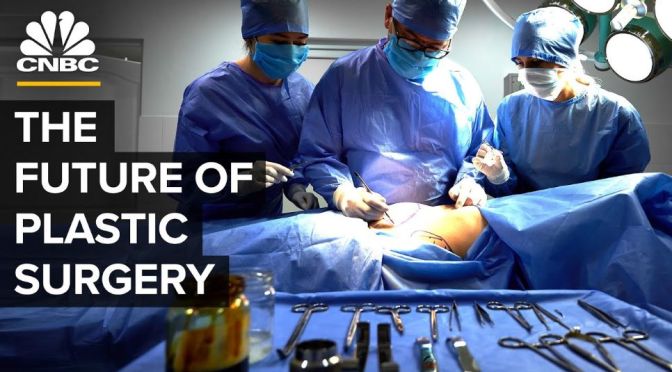
Plastic surgery has been booming in the past decade. But it was the Covid-19 pandemic that catapulted the industry to new heights. Americans working from home spent hours watching themselves on camera, endlessly scrolling on social media and experiencing downtime from social events. This all but benefitted the plastic surgery industry, which saw a record number of patients as pandemic restrictions were lifted.

Consumers: What Is The True Price Of Food? (FT)
Food prices might be rising but many associated production costs are not currently included in the price we pay. How can we get closer to a system that reflects the true cost and what implication will this have on consumers and wider society?
 Boomers Daily