Eater (March 8, 2023) – In Bermuda, spiny lobsters are only in season for seven months. Fisherman and restaurant owner Delvin Bean has been catching lobsters for 30 years, and he takes them straight to his restaurant where they are one of his most sought-after dishes.
Commonly referred to as the Florida spiny lobster, the Caribbean spiny lobster inhabits tropical and subtropical waters of the Atlantic Ocean, Caribbean Sea, and Gulf of Mexico. Spiny lobsters get their name from the forward-pointing spines that cover their bodies to help protect them from predators. They vary in color from almost white to dark red-orange. Two large, cream-colored spots on the top of the second segment of the tail make spiny lobsters easy to identify. They have long antennae over their eyes that they wave to scare off predators and smaller antennae-like structures called antennules that sense movement and detect chemicals in the water.
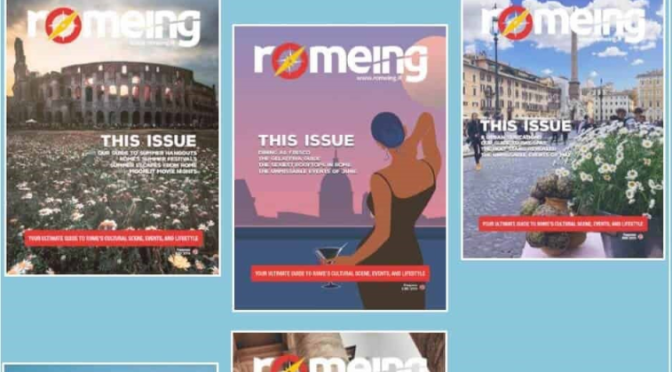
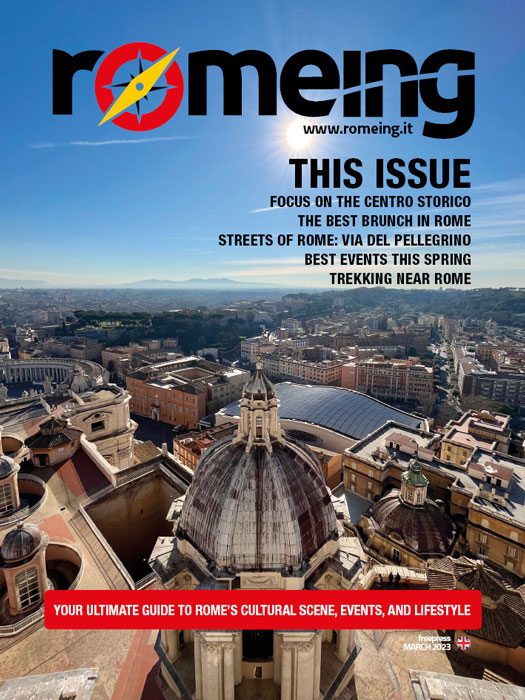
Every city has its historic center, but none can compare to Rome’s. Walking through the beloved centro storico – the Second Unesco World Heritage Site in Italy – is unlike any other stroll.
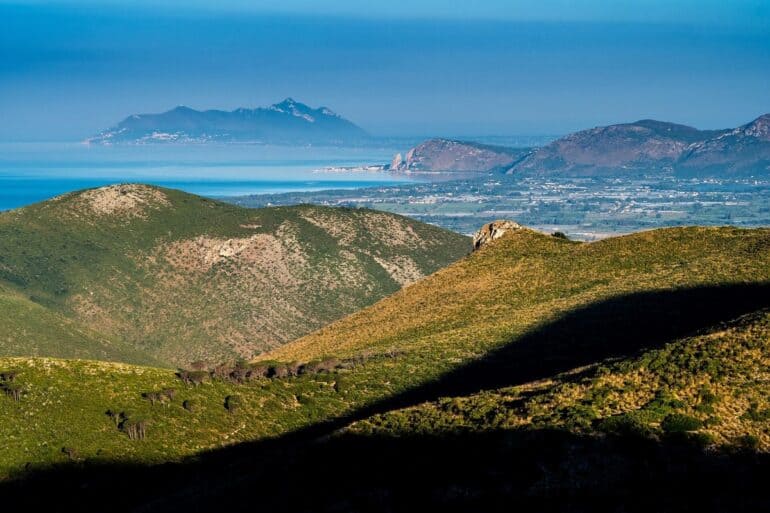
Latium is not only known for being the region hosting the eternal city of Rome, but also for its picturesque landscapes, beautiful mountain ranges, and stunning natural reserves. One of the best ways to explore its beauty is by trekking: here are five of the most impressive trails the region has to offer, just a stone’s throw from the centre of Rome!
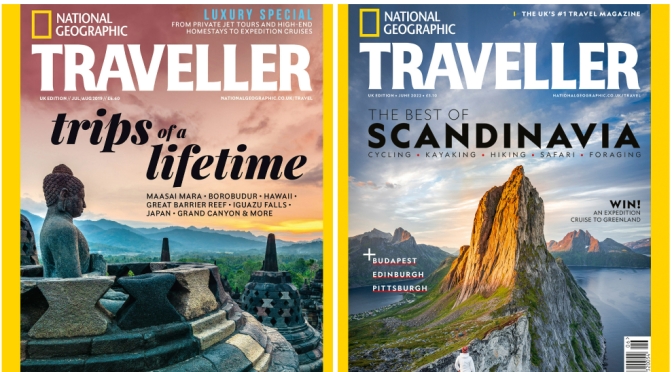
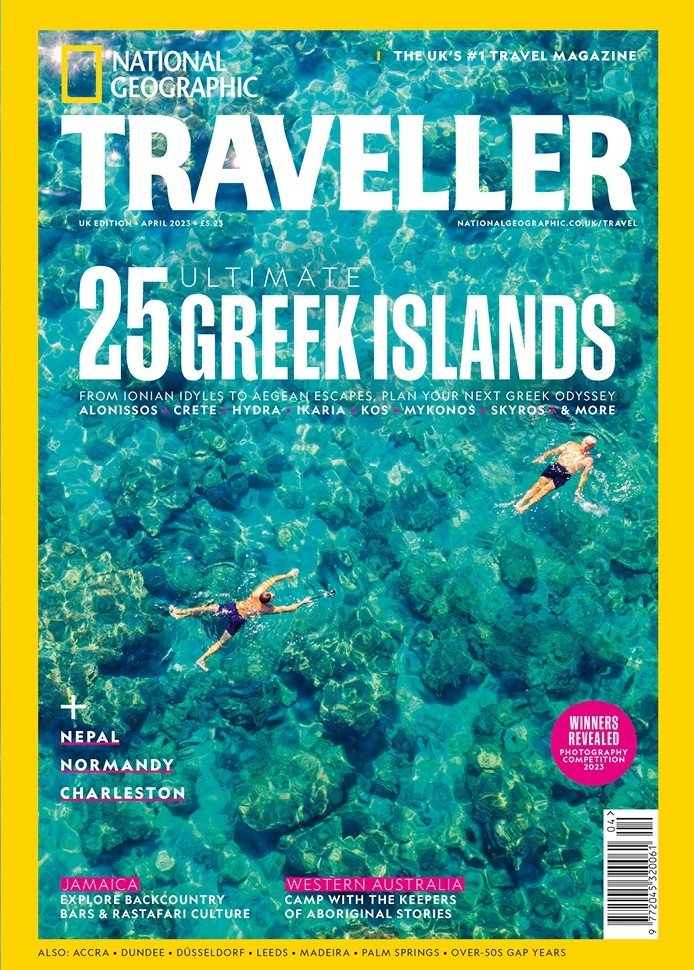
National Geographic Traveller (April 2023) – Our April 2023 is all about 25 Greek islands, from big-hitters like Crete and Santorini to lesser-known spots including Agistri and Kythera. Clifftop villages, local markets and secret stretches of sand await…
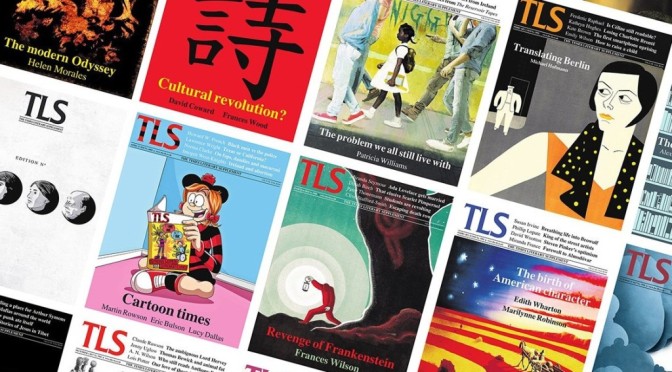
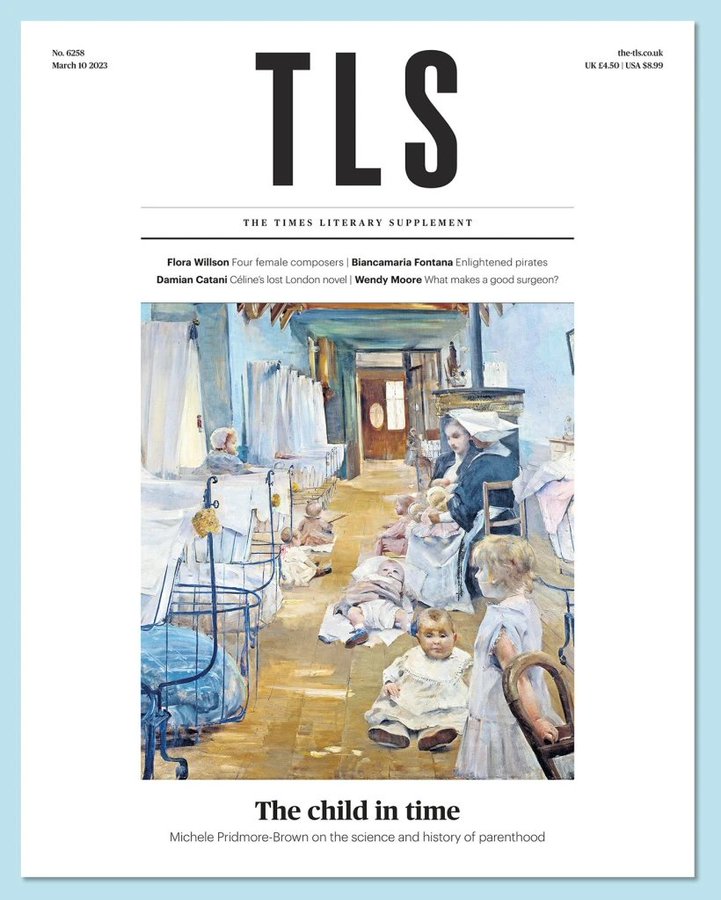
This week’s @TheTLS, features Michele Pridmore-Brown on parenthood; @noosarowiwa on paradise; @TobyLichtig on documentaries; Carlos Fonseca on Pilar Quintana; @wendymoore99 on surgery; new poems by Karen Solie, @RomalynAnte and Steve Ely – and more.
Tourister (March 8, 2023) – Thessaloníki, formerly Salonika, historically Thessalonica, city and dímos (municipality), Central Macedonia (Modern Greek: Kendrikí Makedonía), on the western Chalcidice (Chalkidikí) peninsula at the head of a bay on the Gulf of Thérmai (Thermaïkós). An important industrial and commercial centre, second to Athens (Athína) in population and to Piraeus as a port, it is built on the foothills and slopes of Mount Khortiátis (Kissós; 3,940 feet [1,201 metres]), overlooking the delta plains of the Gallikós and Vardar (Axiós or Vardaráis) rivers.
Founded in 316 BCE and named for a sister of Alexander the Great, Thessaloníki after 146 was the capital of the Roman province of Macedonia. As a military and commercial station on the Via Egnatia, which ran from the Adriatic Sea east to Byzantium (i.e., Constantinople), it grew to great importance in the Roman Empire. Two letters written by the Apostle Paul were addressed to its inhabitants (Thessalonians), and its first bishop, Gaius, was one of Paul’s companions. The city prospered in the Byzantine Empire despite repeated attacks by Avars and Slavs in the 6th and 7th centuries. In 732, two years after he prohibited icons, the Byzantine emperor Leo III (reigned 717–741) detached the city from papal jurisdiction and made it dependent on the patriarch of Constantinople. During the iconoclastic regimes of Leo and his successors, the city defended the use of icons in worship and acted to save some of these art treasures.
March 8, 2023: Justin Trudeau orders a probe into alleged Chinese election meddling. Plus: the Taliban’s “gender apartheid” regime, the latest business news, Chanel at Paris Fashion Week and a special interview with former spy Mubin Shaikh.
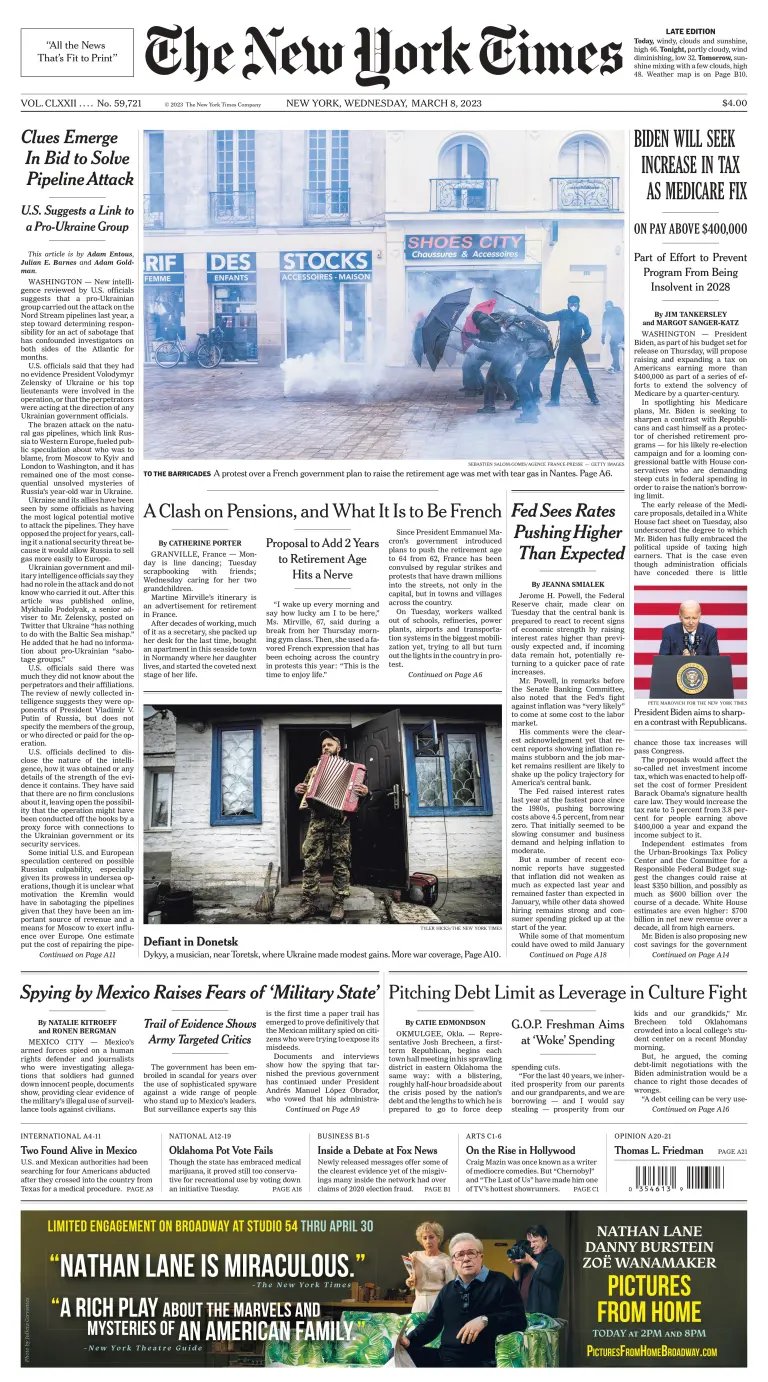
New intelligence reporting amounts to the first significant known lead about who was responsible for the attack on the Nord Stream pipelines that carried natural gas from Russia to Europe.
Resistance to the government’s plan to push back the retirement age is not just about working longer. It springs from a deep sense of what defines France as a nation.
This is the first time a paper trail has emerged to prove definitively that the Mexican military spied on citizens who were trying to expose its misdeeds.
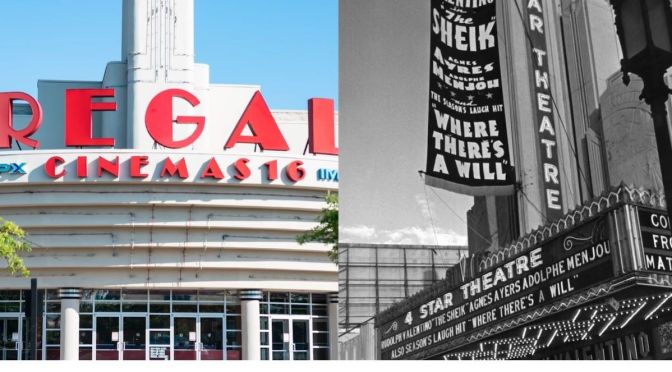
Architectural Digest (March 7, 2023): Richard Weiss has been a movie theater architect for over 25 years, designing Alamo Drafthouses across the United States. Today on AD he joins us to break down the evolution of theaters from the dawn of commercial motion pictures to the present day.
From the earliest projections featuring Thomas Edison’s Vitascope in converted vaudeville theaters to the contemporary multiplexes we visit now, learn the detailed history of where and how we’ve gone to the cinema for over a century.
Yu Shan or Yushan, also known as Mount Jade, Jade Mountain, or Mount Yu, and known as Mount Niitaka during Japanese rule, is the highest mountain in Taiwan at 3,952 m above sea level, giving Taiwan the 4th-highest maximum elevation of any island in the world.
Video timeline: 00:00 Drone Intro 1:49 Meeting up with Curtis and Larry 2:07 4 hour drive to trailhead 2:53 Yu-Shan National Park 3:37 Trailhead Police Station 3:52 Yushan Trailhead 4:08 Day 1 – Trailhead to Paiyun Lodge (5 miles) 6:50 Day 2 – Paiyun Lodge to Summit (11 miles) 9:29 Tataka Visitor Center 9:47 Why did I visit Taiwan? 10:22 Which route did you take? 12:57 How much did this hike cost? 13:33 Who did I hike with? 14:53 How did you shoot this video?
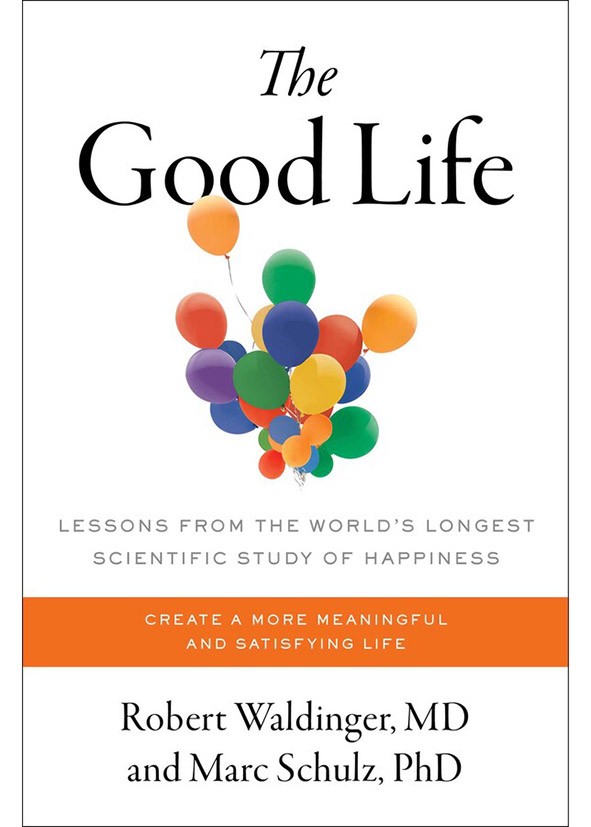
Robert Waldinger & Marc Schulz Simon & Schuster (2023)
Isolation during the COVID-19 pandemic highlighted the link between happiness and good relationships. Scientific evidence for the importance of relationships motivates this always engrossing, sometimes moving, study of happiness, grounded in the Harvard Study of Adult Development. Beginning in 1938, the project has followed two generations of the same families. Current director Robert Waldinger and associate director Marc Schulz show in detail how “the good life is a complicated life. For everybody.”
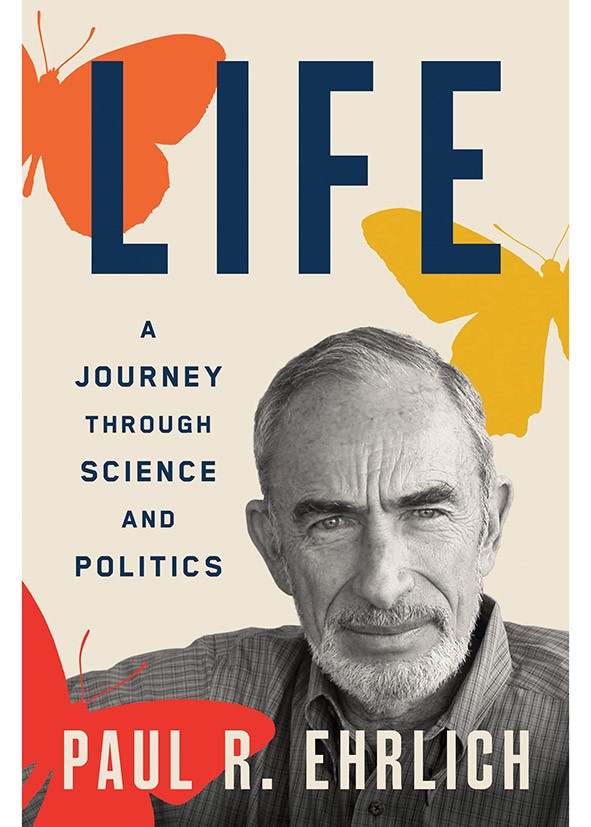
Life
Paul R. Ehrlich Yale Univ. Press (2023)
Biologist Paul Ehrlich is best known for writing — with his wife, conservation biologist Anne Ehrlich — the 1968 book The Population Bomb, which sold two million copies and was widely translated. Its controversial warning of a crisis of overpopulation gave him global exposure. He became a public scholar working with people from many disciplines: economics, political science, history, law, aviation, military intelligence and dentistry “to name a few”, he remarks in his frank, polyphonic autobiography, dedicated “For Anne: Sine Qua Non”.
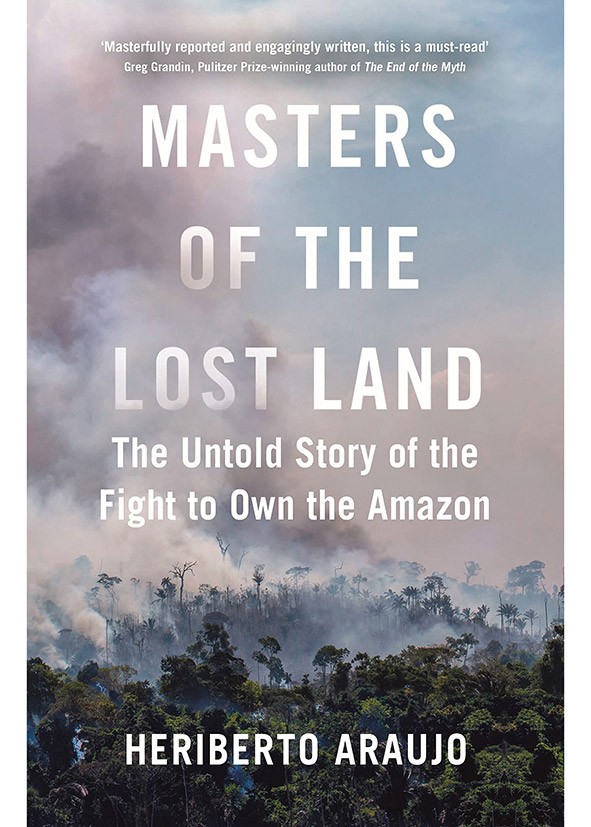
Masters of the Lost Land
Heriberto Araujo Atlantic (2023)
Since 2000, more than 2,000 people worldwide have been murdered for defending their lands or the environment. About one-third were Brazilian, mostly from the Amazon rainforest, notes investigative journalist Heriberto Araujo. He tells the story of the courageous Maria Joel, widow of Dezinho, the leader of a small Amazonian farmworkers’ union. Joel has fought to bring to justice the land baron who ordered her husband’s death. Based on four years of research in Brazil, the book is original, detailed and persuasive.
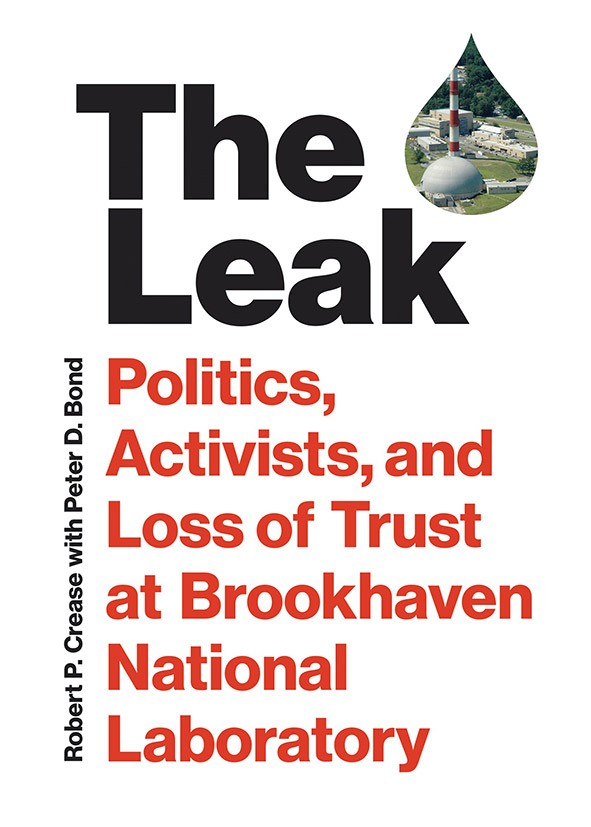
The Leak
Robert P. Crease & Peter D. Bond MIT Press (2022)
Seven Nobel prizes have been awarded for work at Brookhaven National Laboratory in Upton, New York. Yet a leak of radioactive water from the facility turned its 50th anniversary in 1997 into a year of “chaos rather than celebration”, write philosopher of science Robert Crease — author of a history of the lab — and former Brookhaven physicist Peter Bond. Although the incident posed no health hazard, according to federal, state and local officials, it sparked a “firestorm” of activism and politics, captured in this vivid first-hand account.
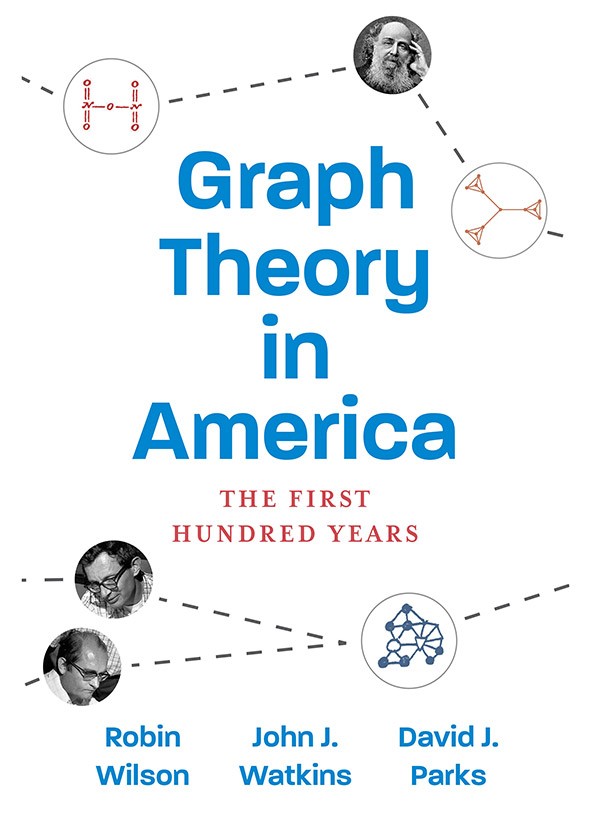
Graph Theory in America
Robin Wilson et al. Princeton Univ. Press (2023)
The modern development of graph theory — which models relationships between pairs of objects in groups — began in 1876 with James Joseph Sylvester, a British mathematician then in the United States. His work was first published in Nature. In 1976, US mathematicians Kenneth Appel and Wolfgang Haken solved a long-standing conundrum in the field, the four-colour problem. The intervening century is described in this graphically illustrated historical treatise by three British and US mathematicians.













 Boomers Daily