

With a lack of restrictions on water use, owners of some large-scale farms in the United States are drying up underground water tables. All they have to do is buy the land to have access to as much free water as they want. In Arizona, farm owners and ranchers are digging ever deeper to irrigate their land, leaving other residents with low water reserves. Meanwhile, parts of the land have caved in, collapsing as the water is pumped up from beneath. Our France 2 colleagues report, with FRANCE 24’s James Vasina.
Tag Archives: Water

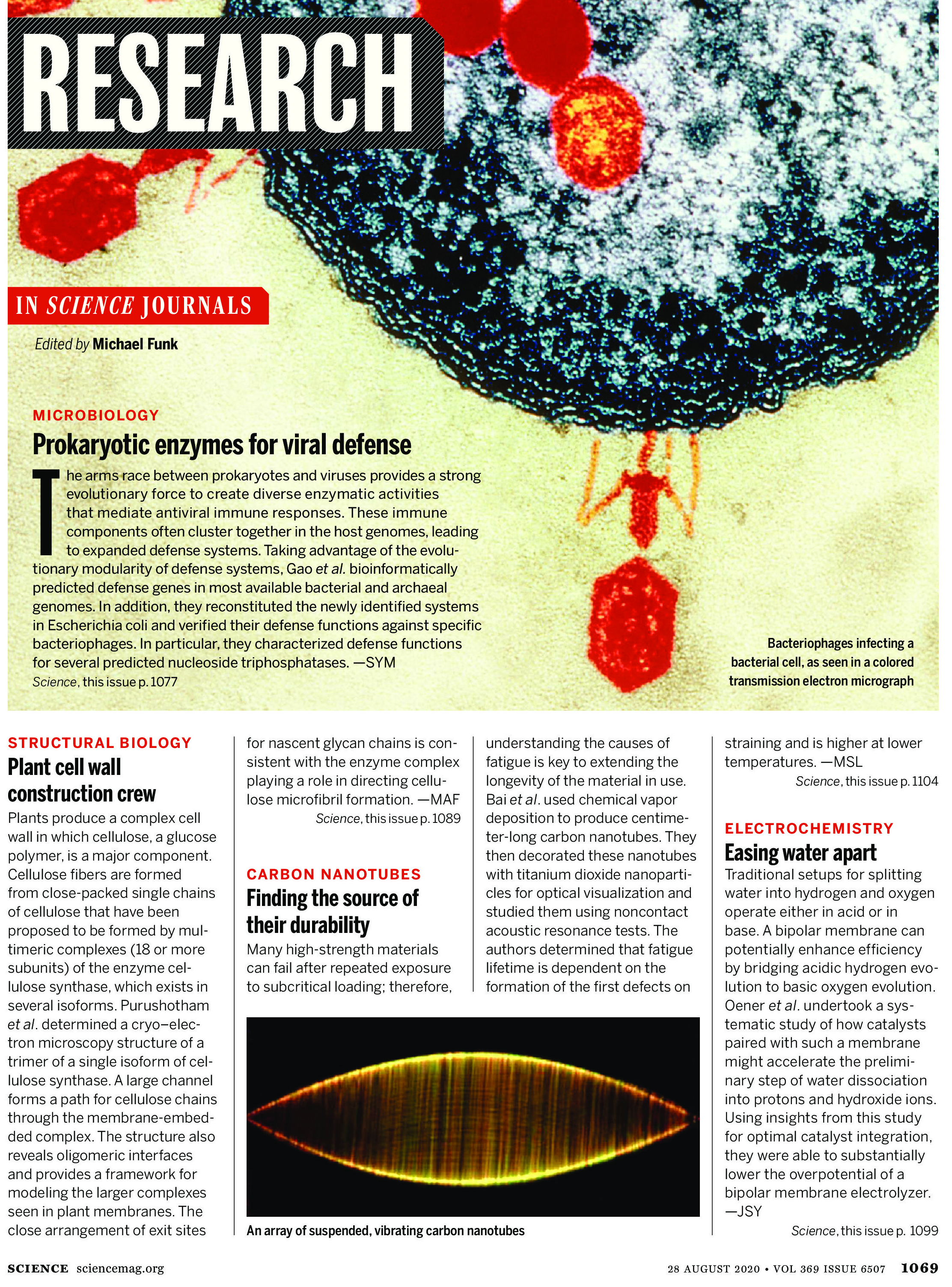
TOP JOURNALS: RESEARCH HIGHLIGHTS FROM SCIENCE MAGAZINE (AUGUST 28, 2020)
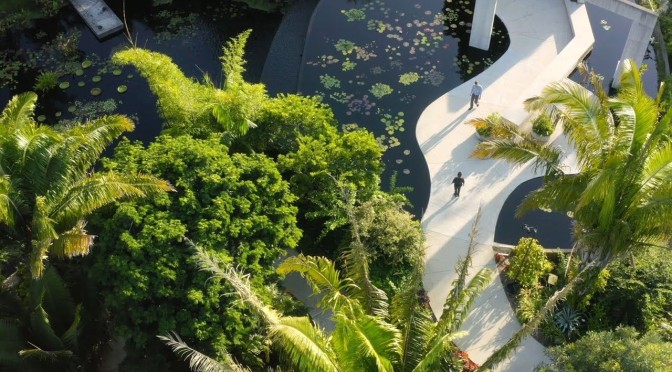
Conservation: “How To Increase Water Efficiency At Home” (NatGeo Video)
We’re facing a water shortage in the United States, but there’s a few helpful tips you can do at your home and in your gardens to make a difference. Partner Content for Finish.
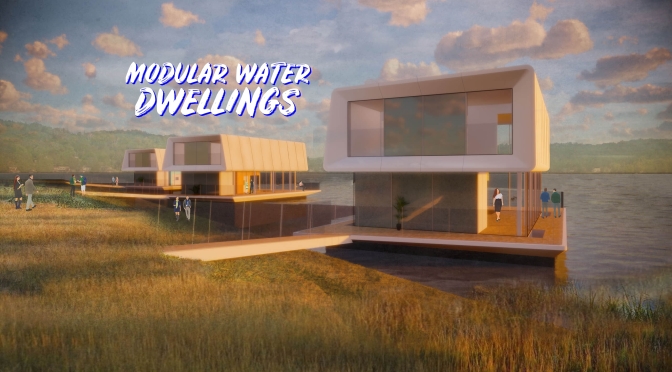
Future Homes: “Modular Water Dwellings” By Grimshaw Architects
The Water Dwellings use minimal energy, with well-insulated and shaded lower pontoons and upper stories, and energy provided by solar roof panels and heat exchangers built into base boxes below the waterline. By developing a communal energy supply, the Water Dwellings’ environmental efficiency has the potential to achieve near zero energy use.
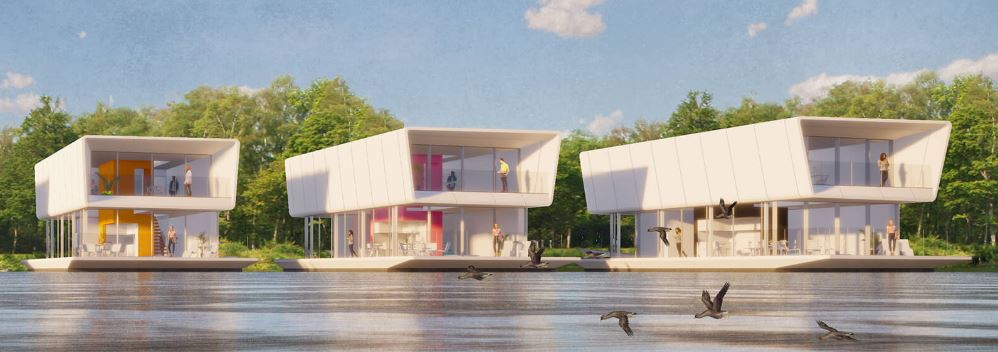
Global design practice Grimshaw and Dutch manufacturing specialists Concrete Valley have developed an innovative design for Modular Water Dwellings, in response to the growing risks of climate change and the challenges of increasing urbanisation.
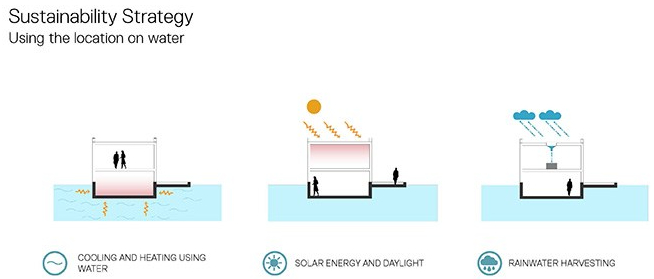
 The Modular Water Dwellings incorporate standardised components that provide efficiency in manufacturing, while still allowing a variety of internal layouts for occupants’ individual requirements. The Dwellings can be orientated and spaced in different ways, responding to varying site contexts, local conditions, light sources and primary views. They also maximise the use of durable and non-corroding materials, such as concrete and glass, ensuring a long design life that anticipates multiple occupants.
Top New Science Podcasts: Splitting Water With Light, Missing Matter And Working Memory (Nature)
 This week, perfecting catalysts that split water using light, the mystery of missing matter in the Universe and how working memory ‘works’ in children.
In this episode:
00:44 Water splitting
After decades of research scientists have managed to achieve near perfect efficiency using a light-activated catalyst to separate hydrogen from water for fuel. Research Article: Takata et al.; News and Views: An almost perfectly efficient light-activated catalyst for producing hydrogen from water
05:37 Research Highlights
The hidden water inside the earth’s core, and how working memory ‘works’ in children. Research Highlight: Our planet’s heart is watery; Research Highlight: A child’s memory prowess is revealed by brain patterns
07:53 Measuring matter
Estimations of baryonic matter in the Universe have conflicted with observations, but now researchers have reconciled these differences. Research Article: Macquart et al.
13:42 Pick of the Briefing
We pick our highlights from the Nature Briefing, including the possibility of a black hole in our solar system, and the biting bees that force plants to bloom. Physics World: If ‘Planet Nine’ is a primordial black hole, could we detect it with a fleet of tiny spacecraft?; Scientific American: Bumblebees Bite Plants to Force Them to Flower (Seriously)
Conservation Short Films: “Los Zanjeros – Follow The Water” On History Of Arizona Water Usage
Filmed produced by: Cooper Davis, Jared Reasy, Jake Kelly and Pete Burr
4 Brophy faculty members and native Phoenicians followed the Salt River via bicycle from its source to their faucets to better understand the history of water in Arizona and how to protect and advocate for its future.
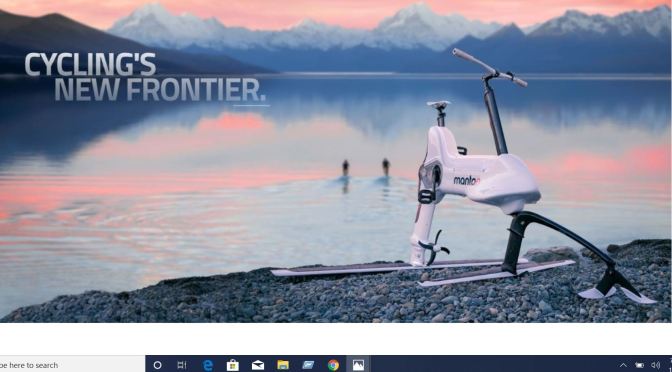
Innovations: “Manta5 Hydrofoiler XE-1” Bike Rides On Water (Video)
Jan.06 — At CES in Las Vegas, a New Zealand company is showing off a new way to get moving on water. The Manta5 Hydrofoiler XE-1 is a bike with an electric engine that lets the user pedal around on water.
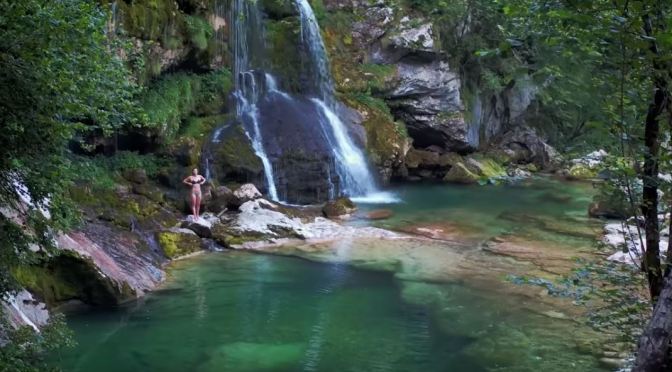
Top New Travel Videos: “The Waters Of Slovenia” (National Geographic)
Slovenia is a country defined by water, with more than 60 rivers and streams, 300 artificial and natural lakes, and 7,500 freshwater springs – each of which is packed with minerals and nutrients.
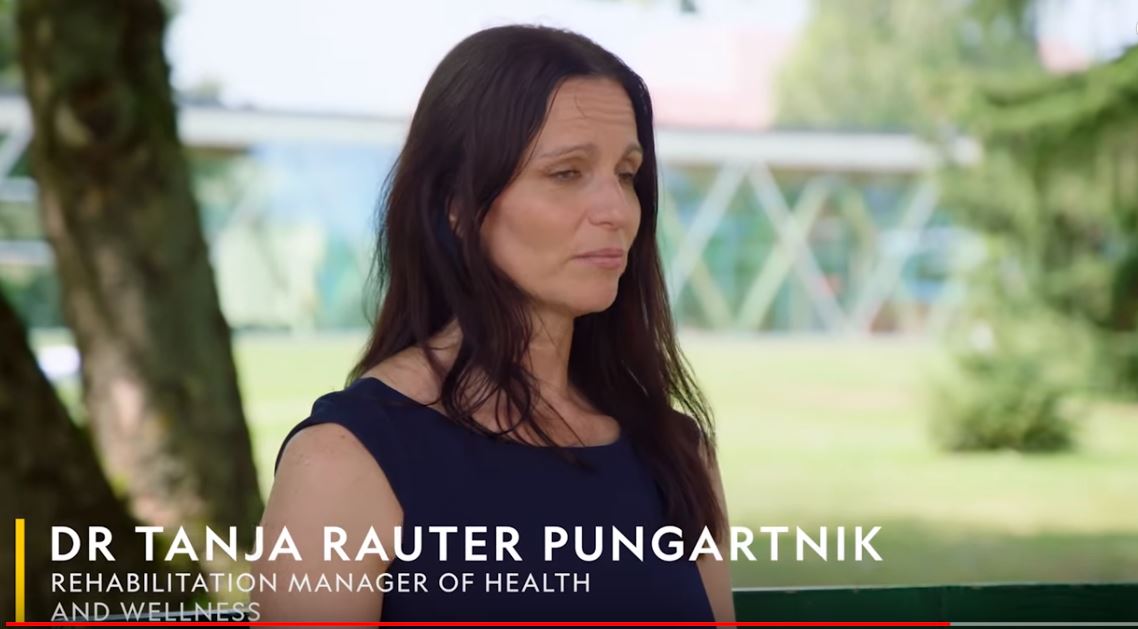
Website: https://www.nationalgeographic.com/
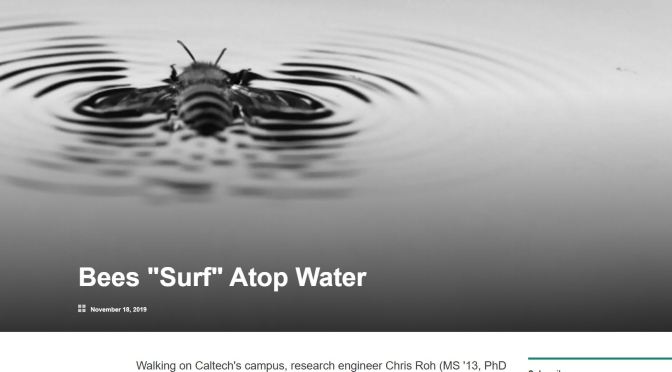
Engineering In Nature: “Honeybees Use Their Wings For Water Surface Locomotion” (Caltech)
From a Caltech online article:
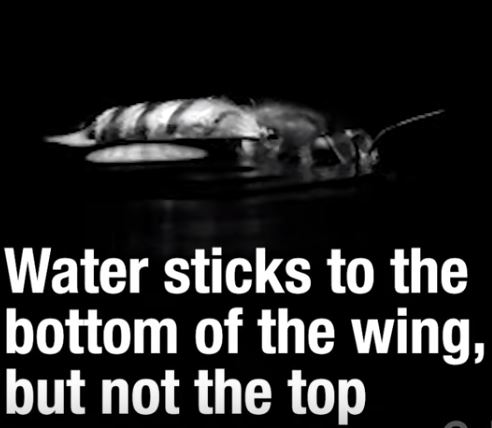 When a bee lands on water, the water sticks to its wings, robbing it of the ability to fly. However, that stickiness allows the bee to drag water, creating waves that propel it forward. In the lab, Roh and Gharib noted that the generated wave pattern is symmetrical from left to right. A strong, large-amplitude wave with an interference pattern is generated in the water at the rear of the bee, while the surface in front of the bee lacks the large wave and interference. This asymmetry propels the bees forward with the slightest of force—about 20 millionths of a Newton.
Walking on Caltech’s campus, research engineer Chris Roh (MS ’13, PhD ’17) happened to see a bee stuck in the water of Millikan Pond. Although it was a common-enough sight, it led Roh and his advisor, Mory Gharib (PhD ’83), to a discovery about the potentially unique way that bees navigate the interface between water and air.
To read more: https://www.caltech.edu/about/news/bees-surf-atop-water
Culinary Arts: The Highly Specialized World Of A Water Sommelier
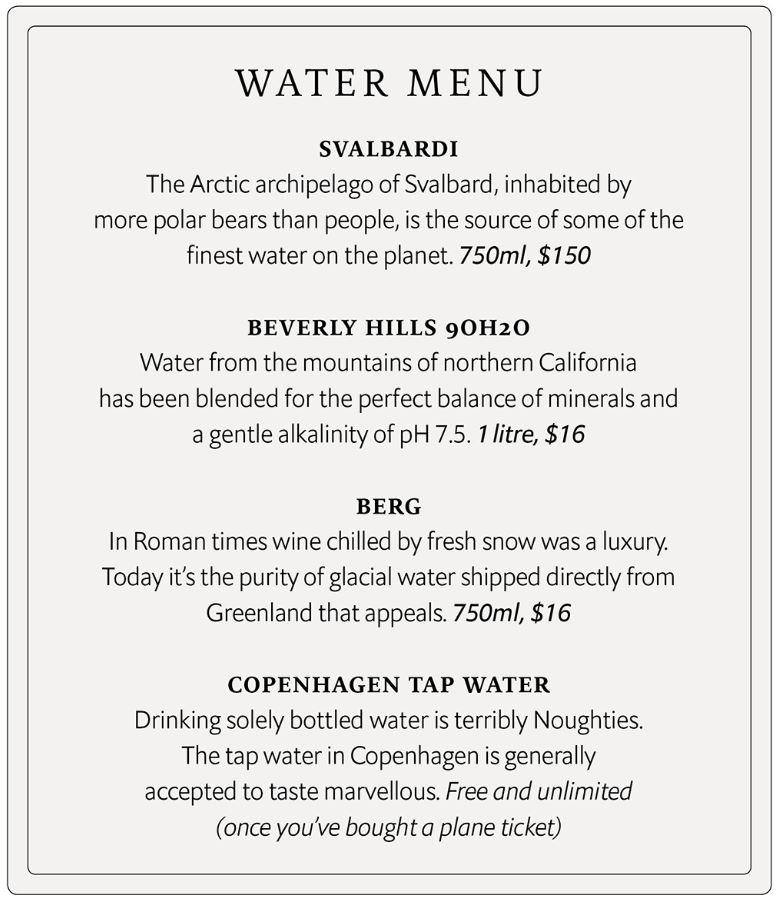
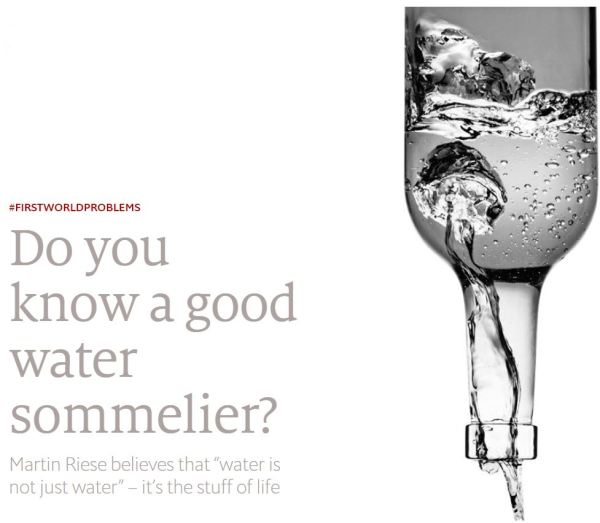 “How would he describe water, then? It’s the stuff of life. A fantasia of flavour. It is the world in a glass. Riese’s water menus (yes, there are such things) offer everything from water “harvested from icebergs freshly carved off glaciers in the remote fjords” of Norway, to 600m-year-old prehistoric water from Australia. It is also, on occasion, a trifle pricey. A bottle of that glacier water will set you back $150.
He’s not a tap-water man then? On the contrary. To shun tap water is, Riese thinks, a snobbism. He himself drinks a lot of “the tap”. Unless he’s in New York of course. Or California. Or Majorca. And he didn’t much like it in Barcelona, either. Copenhagen, however, apparently has “incredible” tap water. As a general rule of thumb, Riese says, northern taps taste better.”

Read more in 1843 Magazine: https://www.1843magazine.com/and-finally/firstworldproblems/do-you-know-a-good-water-sommelier
 Boomers Daily