

United Airlines’ announcement that it plans to buy 15 supersonic aircraft from the startup Boom Supersonic is raising questions about the future of ultra-fast plane travel. In this video, WSJ speaks with an industry analyst to better understand what’s next for faster-than-sound air travel. Photo: Boom Supersonic
Tag Archives: Transportation
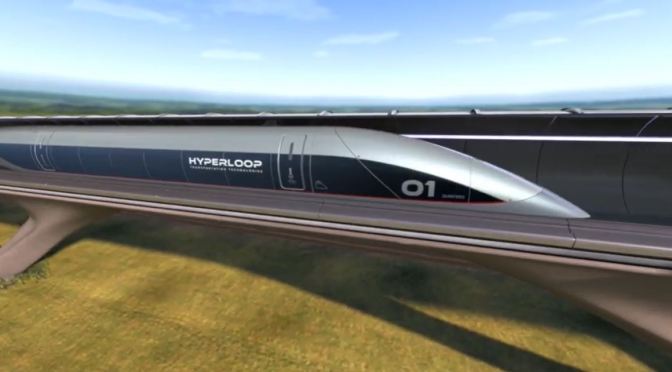
Design: Hyperloop Italia & Zaha Hadid Architects
Zaha Hadid Architects (ZHA) has signed an agreement with Hyperloop Italia to jointly design its next phase of work.
Using passive magnetic levitation technology powered entirely by renewable energy, Hyperloop propels passenger and cargo capsules through low pressure tubes to minimize friction, requiring only a fraction of the energy required to power the modes. traditional public transport.
The combination of energy from renewable sources and regenerative braking systems allows Hyperloop’s infrastructure to produce more energy than it consumes. Air-conditioned passenger capsules travel in sealed tubes and are unaffected by external conditions.
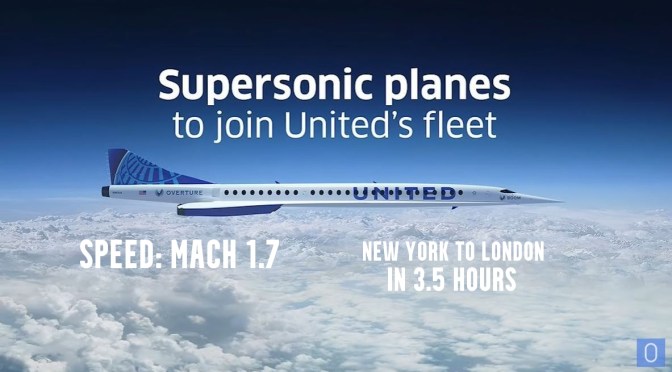
Air Travel: United Orders 50 Supersonic Planes
United Airlines has just announced that it will be the first US airline to operate supersonic passenger aircraft from Boom Supersonic. The airline will take 15 Boom Overture aircraft, with an option for 35 more, hopefully in service by 2029.
Article Link: https://simpleflying.com/united-airli…
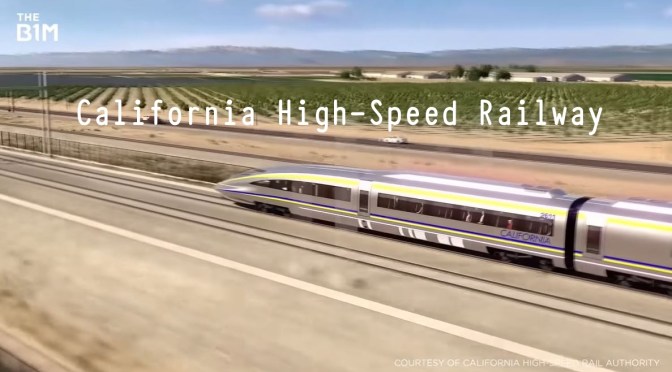
Review: California’s High-Speed Railway Failure
It promised to transform how Californians travel but is now seen as a “bullet train to nowhere.” This is why America’s west coast megaproject has been far from high-speed.

Analysis: The Logistics & Challenges Of Flying Cars
As electric vehicle technology takes off—literally—how will the logistics of air traffic work out? Join American broadcaster Miles O’Brien and NOVA to watch how NASA researchers are writing the rules that will make air travel via electric vehicles safe. Tune in to “Great Electric Airplane Race” on Wednesday, May 26 at 9/8c or stream it on the PBS Video app or online now: https://to.pbs.org/3vNPEGF
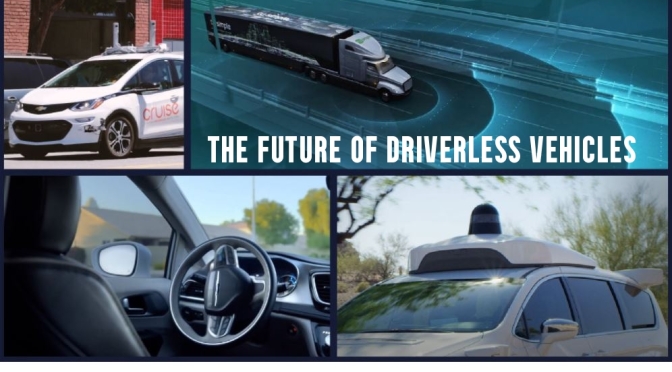
Analysis: The Future Of Driverless Vehicles (WSJ)
While Tesla and others already offer assisted-driving features, startups Waymo, Cruise, TuSimple and Aurora are betting their autonomous vehicles will make driving a thing of the past. WSJ asked them about safety and other challenges they face. Photo composite: George Downs
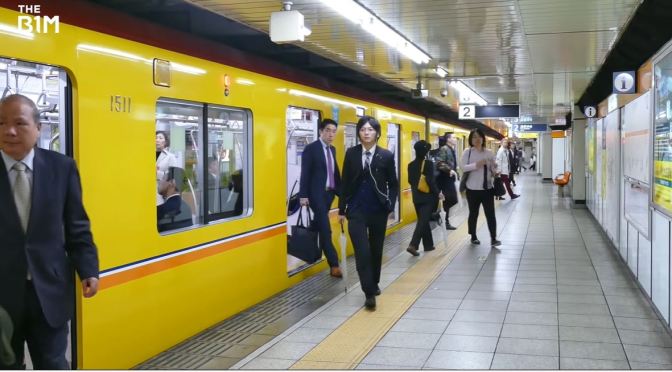
Mass Transit: Worlds’ Best Subway System In Tokyo
Japan’s capital has built the world’s best subway system (in our opinion). Discover the benefits of connected construction for metro and rail construction projects – https://bit.ly/3eBeNPh
The Tokyo subway (東京の地下鉄, Tōkyō no chikatetsu) is a part of the extensive rapid transit system that consists of Tokyo Metro and the Toei Subway in the Greater Tokyo area of Japan. While the subway system itself is largely within the city center, the lines extend far out via extensive through services onto suburban railway lines.
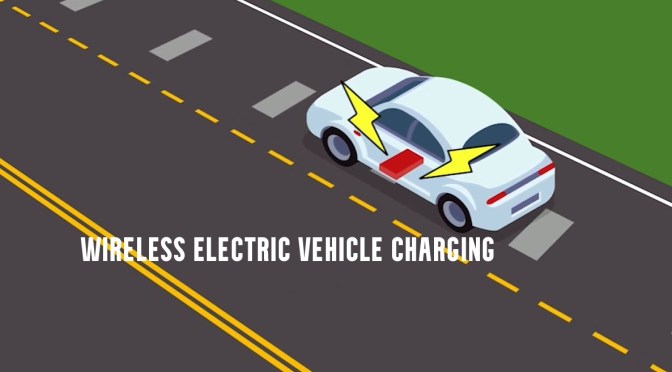
Future Driving: Wireless Electric Vehicle Charging
Cornell is pioneering an innovative approach for the wireless charging of electric vehicles, forklifts and other mobile machines, while they remain in motion.

Classics: ‘1967 Volkswagen 21-Window MicroBus’
One of the most notable variants of the T1 Type 2 is the Samba. Samba is the name given the 21 and 23 window versions of the Type 2. The 23 window Samba was built until 1963 and the 21 window Samba was built from 1964 until 1967. These variants were considered to be the top of the line versions of the T1 Type 2 and were fitted with a cloth sunroof. It is very common to find Type 2s that have been converted to 21 or 23 window variants, yet only cars built until 1967 are considered to be original.
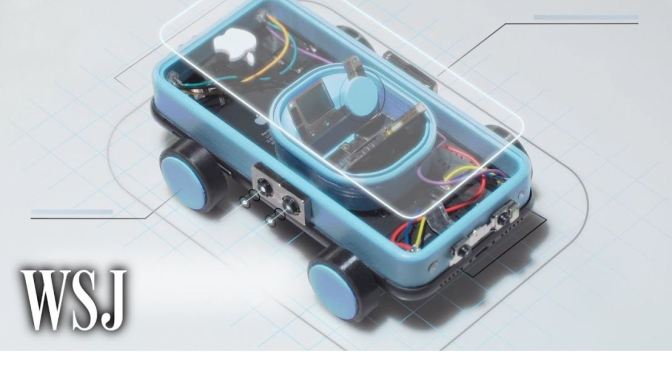
Analysis: ‘How Would Apple Make A Car’ (Video)
As tech companies become a key part of the auto industry, cars are looking more like giant computers on wheels. To understand why a tech giant like Apple might want to make a car, we built one out of iPhone parts. Photo illustration: Alex Kuzoian/WSJ
 Boomers Daily