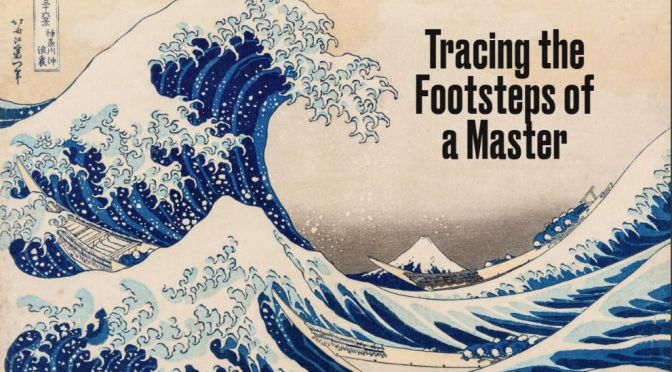
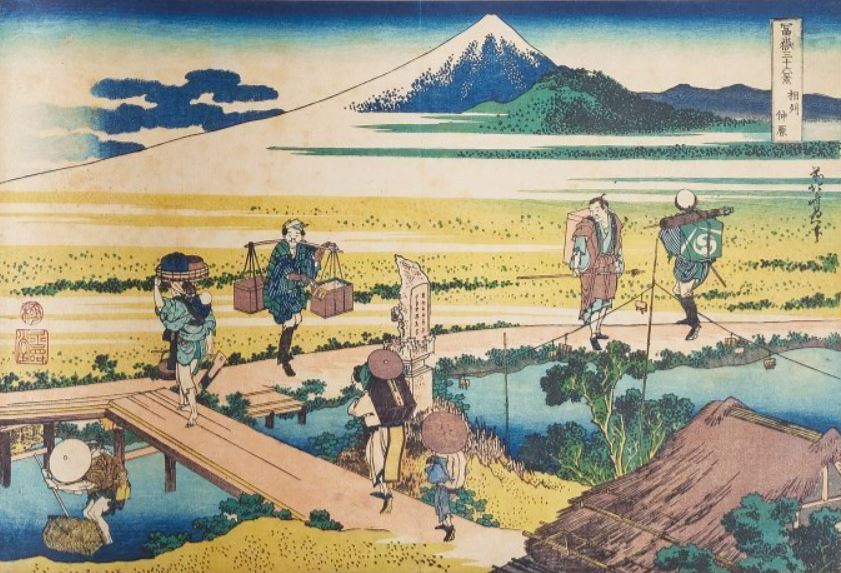
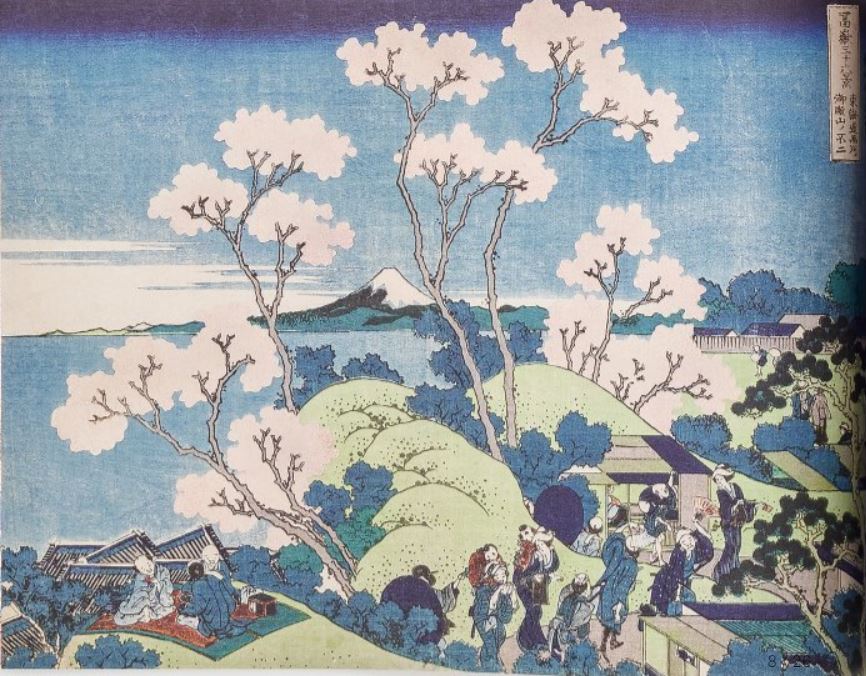
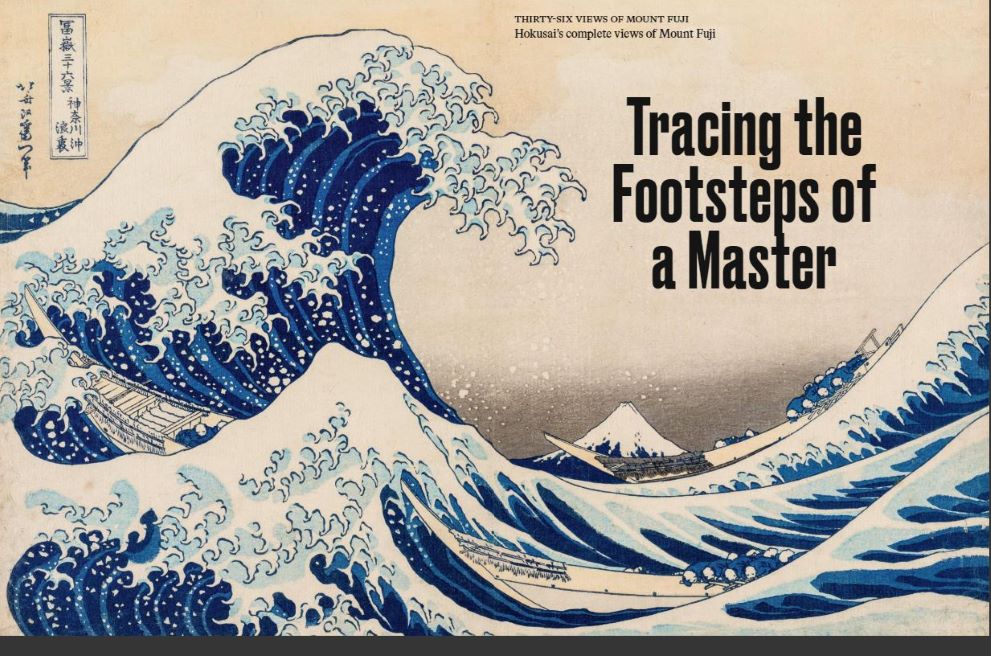
Mount Fuji has long been a centerpiece of Japanese cultural imagination, and nothing captures this with more virtuosity than the landmark woodblock print series Thirty-six Views of Mount Fuji by Katsushika Hokusai (1760–1849).
The renowned printmaker documents 19th-century Japan with exceptional artistry and adoration, celebrating its countryside, cities, people, and serene natural beauty. Produced at the peak of Hokusai’s artistic ambition, the series is a quintessential work of ukiyo-e that earned the artist world-wide recognition as a leading master of his craft.
The prints illustrate Hokusai’s own obsession with Mount Fuji as well as the flourishing domestic tourism of the late Edo period. Just as the mountain was a cherished view for travelers heading to the capital Edo (now Tokyo) along the Tōkaidō road, Mount Fuji is the infallible backdrop to each of the series’ unique scenes. Hokusai captures the distinctive landscape and provincial charm of each setting with a vivid palette and exquisite detail. Including the iconic Under the Great Wave off Kanagawa (also The Great Wave), this widely celebrated series is a treasure of international art history.
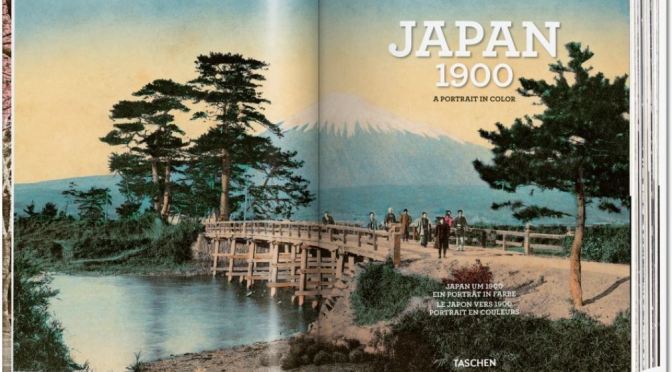
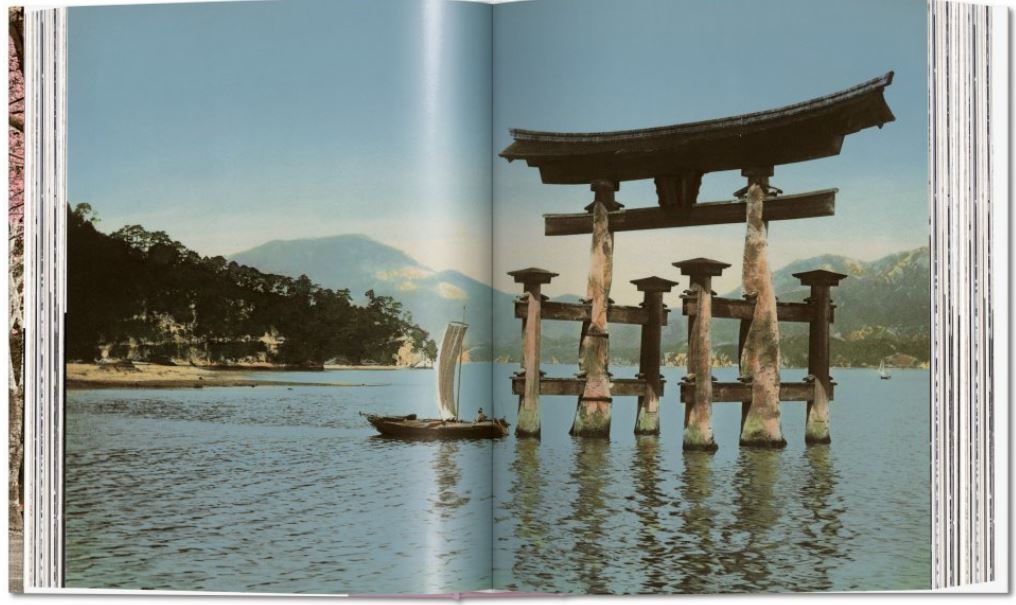
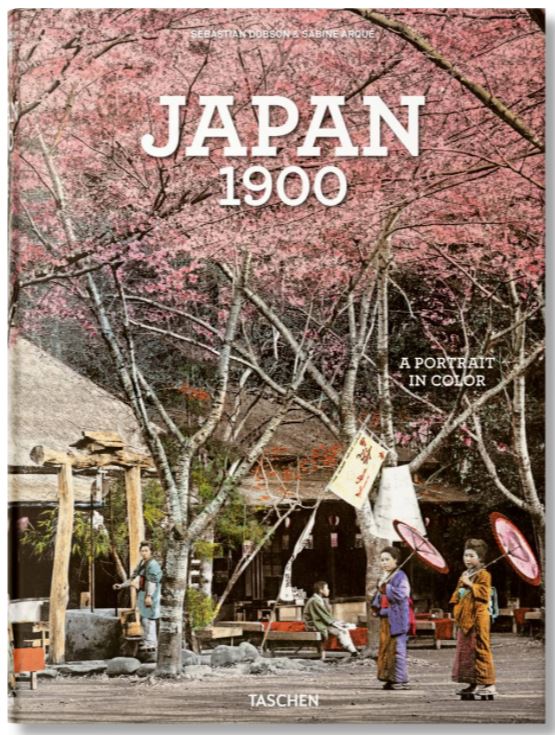
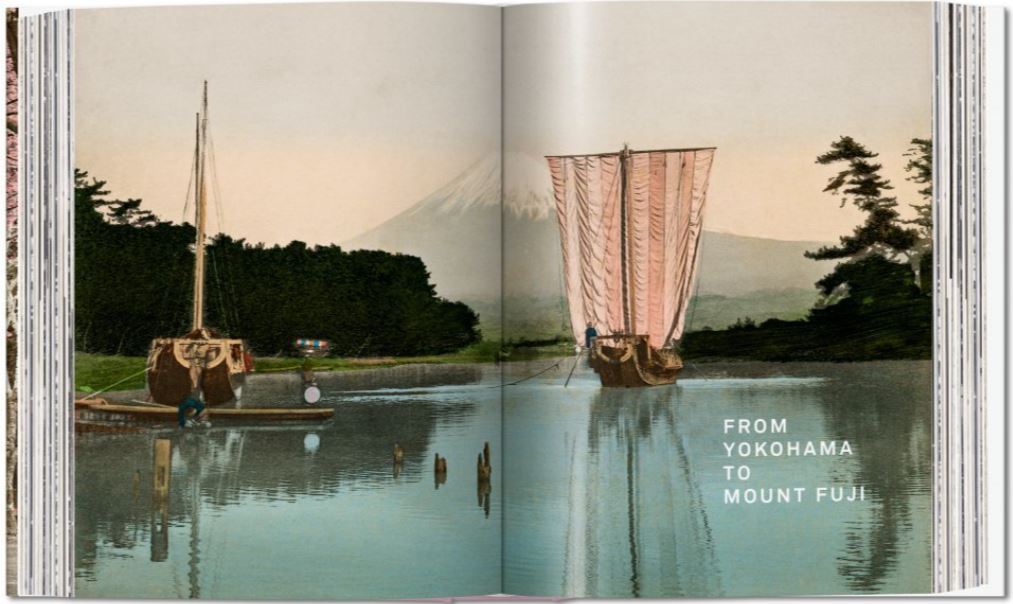
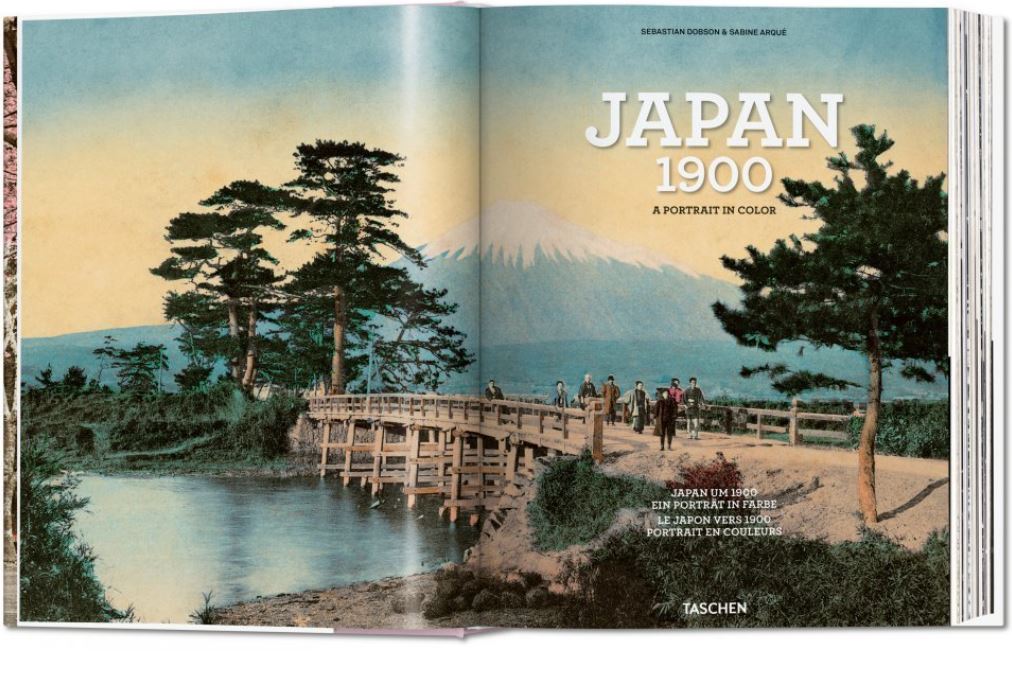
1868 saw Japan open its doors to the outside world, putting an end to more than 200 years of national seclusion and heralding a new era that brought the country firmly into the modern age.
Curating some of the first photographic images of the country, Sabine Arqué and Sebastian Dobson unveil an epic panoramaof 1900s Japan, guiding us from Beppu’s hot springs to bustling Osaka, from the historic capitals of Nara and Kyoto to their modern successor, Tokyo.
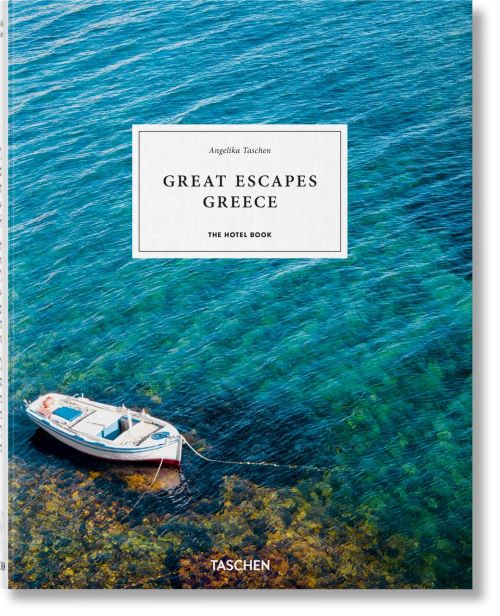
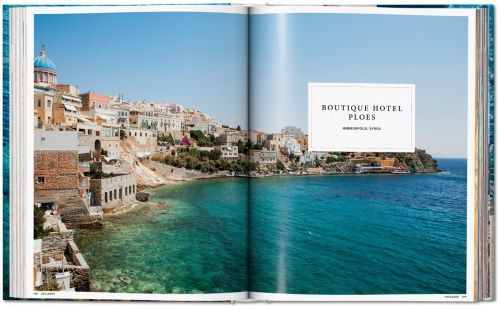
Greece is the land of gods and scholars as well as the birthplace of democracy and Western philosophy. Completely surrounded by the Mediterranean Sea, it is also one of the most popular vacation destinations—and has much more to offer than just the blue and white islands of the Cyclades.
A voyage to the most beautiful hotels in Greece
Greece’s ancient art and culture form the cradle of Western civilization—numerous monuments and museums tell to this day of the country’s rich history. Greece is unique also by virtue of its breathtaking landscapes, the hospitality of its inhabitants, and its fabulous hotels, making it the dream destination of many travelers. The fresh and healthy cuisine, the crystal clear sea, and the canvas-worthy sunsets do the rest—a trip to Greece is pure delight.
Angelika Taschen travels from the mountains of Macedonia in the north to the Peloponnese with its mythical places like Corinth, Sparta, and Olympia, and to the larger and smaller groups of islands in the south. She opens the doors to some of the country’s most extraordinary hotels, including Imaret in Kavala, located in a former Ottoman complex; Tainaron Blue Retreat in a secluded former defense tower in the Mani; and The Windmill, a converted windmill on the island of Kimolos in the Cyclades. She invites readers to discover legendary luxury hotels, like Eagles Palace in Halkidiki or Poseidonion Grand Hotel on Spetses, and takes them to enchanting B&Bs like Guesthouse Mazaraki in Mystras or Mèlisses on Andros, run by food blogger Allegra Pomilio.
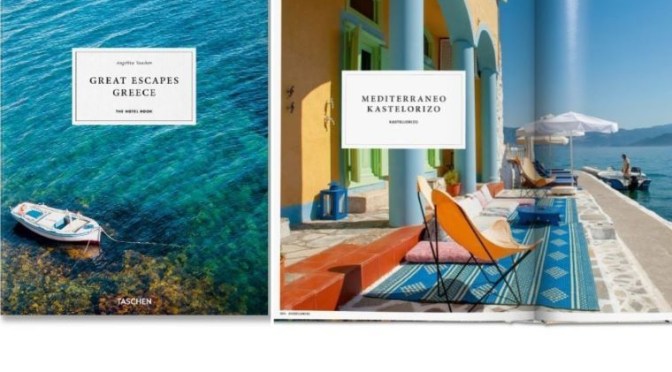
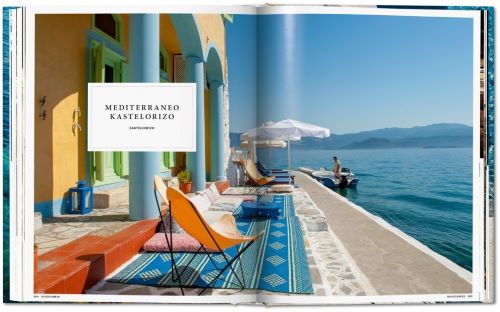
Along her itinerary, she visits hotels on well-known picturesque islands—such as the Mystique on Santorini and the Soho Roc House on Mykonos—but also accommodations in remote places like the Mediterraneo on the island of Kastelorizo, which lies in the very southeast of Greece off the Turkish coast. In addition she shows interesting architectural and design concepts, such as The Rou Estate hotel village, a historic, carefully restored hamlet on Corfu; the minimalist Olea All Suite Hotel on Zakynthos; and Ammos on Crete, where no two pieces of furniture are alike and new eccentric pieces are added every year.
Ordering plants by post mostly from Italy, Germany, North Africa, and even the Cape of Good Hope, the Nuremberg merchant Volkamer was a devotee of the fragrant and exotic citrus at a time when such fruits were still largely unknown north of the Alps.
Famous First Edition: First printing of 5,000 numbered copies
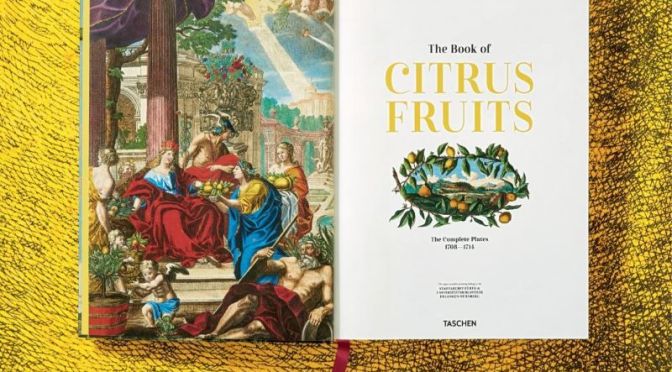
Have you ever thought of citrus fruits as celestial bodies, angelically suspended in the sky? Perhaps not, but J. C. Volkamer (1644–1720) did—commissioning an extravagant and breathtaking series of large-sized copperplates representing citrons, lemons, and bitter oranges in surreal scenes of majesty and wonder.
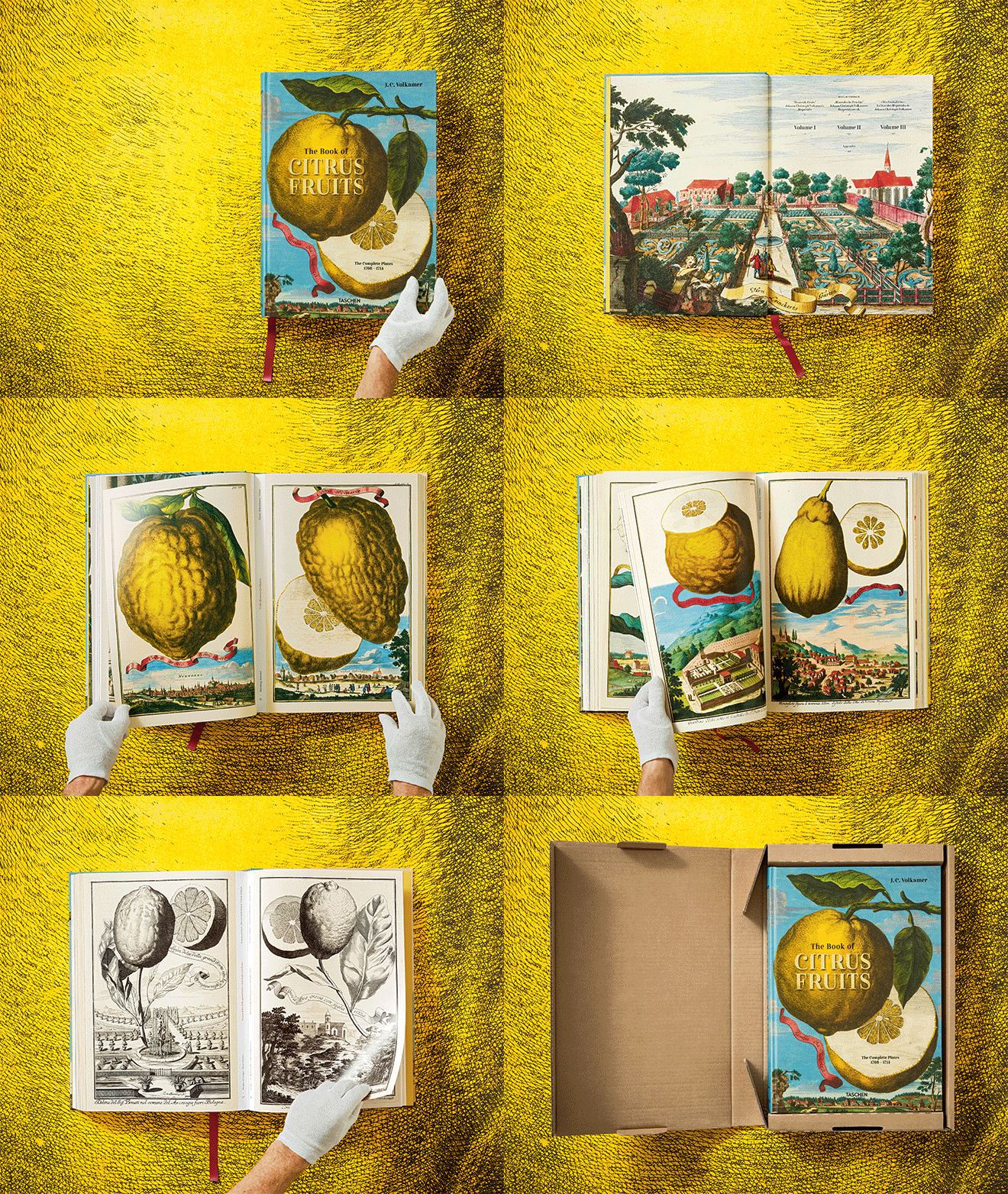
His garden came to contain a wide variety of specimens, and he became so obsessed with the fruits that he commissioned a team of copperplate engravers to create 256 plates of 170 varieties of citrus fruits, many depicted life size, published in a two-volume work.
In both volumes, Volkamer draws on years of hands-on experience to present a far-reaching account of citrus fruits and how to tend them—from a meticulous walk-through of how to construct temporary orangeries, glasshouses, and hothouses for growing pineapples to commentary on each fruit variety, including its size, shape, color, scent, tree or shrub, leaves, and country of origin.
In each plate, Volkamer pays tribute to the verdant landscapes of Northern Italy, his native Nuremberg, and other sites that captured his imagination. From Genovese sea views to the Schönbrunn Palace, each locale is depicted in the same exceptionaldetail as the fruit that overhangs it. We witness branches heavy with grapefruits arching across a sun-bathed yard in Bologna and marvel at a huge pineapple plant sprouting from a South American town. The result is at once a fantastical line-up of botanical beauty and a highly poetic tour through the lush gardens and places where these fruits grew.
Few colored sets of Volkamer’s work are still in existence today. This publication draws on the two recently discovered hand-colored volumes in the city of Fürth’s municipal archive in Schloss Burgfarrnbach. The reprint also includes 56 newly discovered illustrations that Volkamer intended to present in a third volume.
The author
Iris Lauterbachstudied art history and romance languages and literature in Mainz, Pavia and Paris and obtained her doctorate in 1985. Since 1991 she has been a member of the research department of the Central Institute for Art History in Munich and teaches the history of garden architecture at the Technical University in Munich. Her main areas of research include France during the 18th century and the history of European garden art from the 16th to the 20th century, while she has also carried out extensive research about the restitution of artworks that were looted during the Second World War.
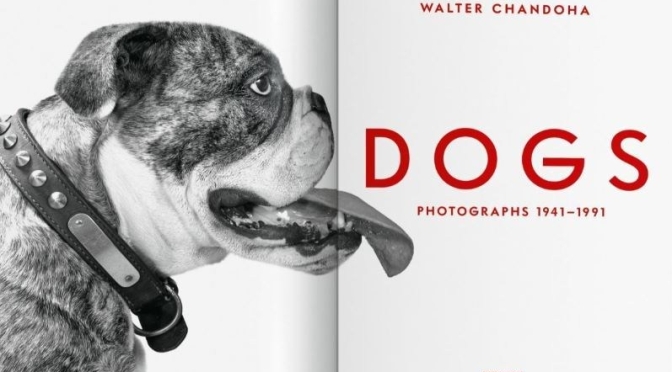
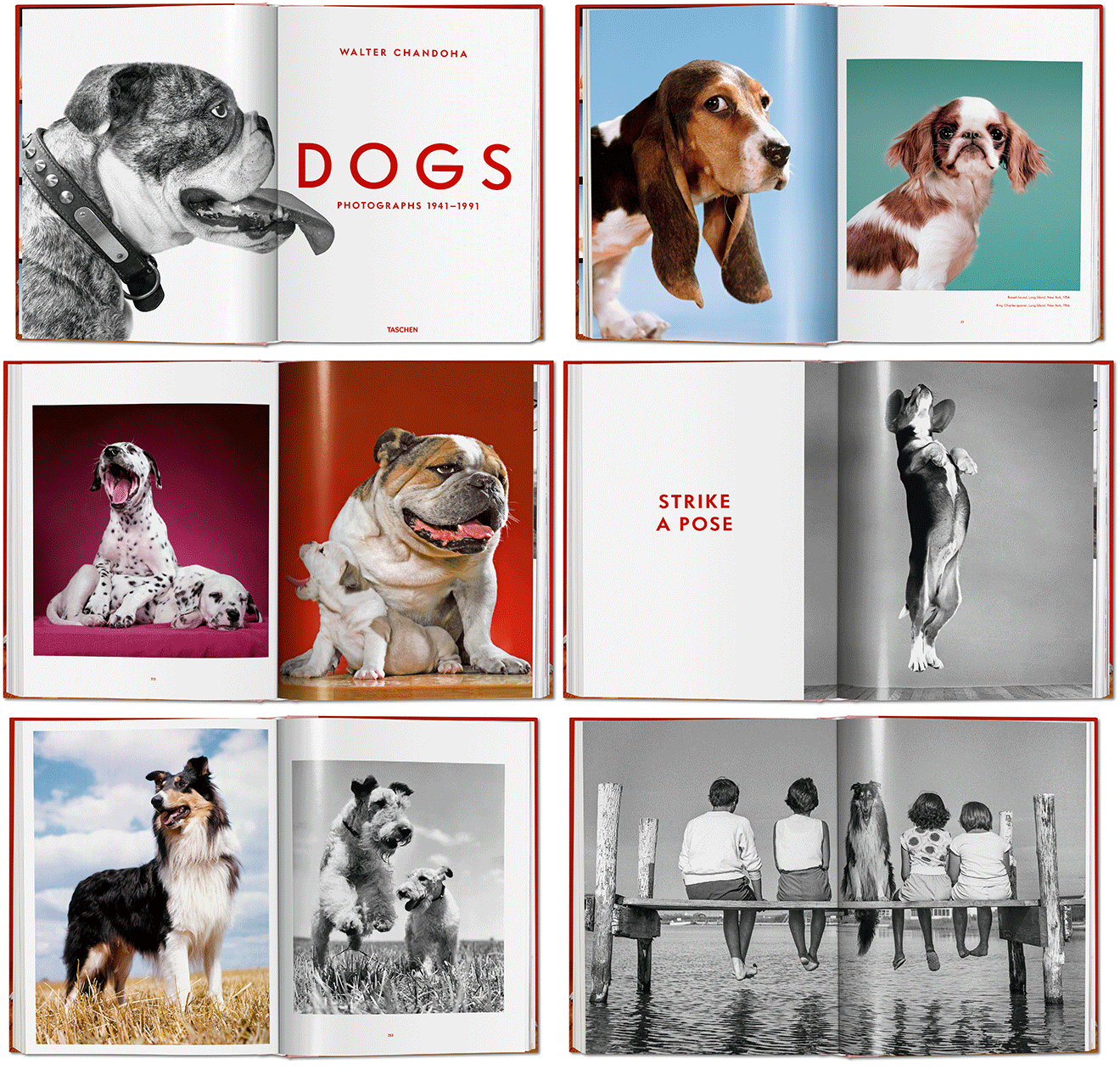
We see terriers, collies, beagles, bloodhounds, poodles, small dogs, big dogs, show dogs, working dogs, and many more, featuring over 60 breeds photographed in both black-and-white and glorious Kodachrome.
The world appears to be divided into cat and dog lovers, but fortunately Walter Chandoha, the 20th century’s greatest pet photographer found himself happily in the middle. He loved these intriguing creatures equally for their unique beauty and individualism, and as subjects to photograph in a career spanning over 70 years. While working on his critically acclaimed TASCHEN book Cats, Chandoha handpicked his favorite dog photos for a potential follow-up title, putting into carefully marked boxes hundreds of contact sheets, prints, and color transparencies, many unseen for at least 50 years, and some totally unseen.
Chandoha sadly passed away in 2019 at the age of 98, but his legacy lives on in this dashing sequel dedicated to man’s best friend. “Walter Chandoha’s photographs of dogs are compelling not just because dogs have an inherent charm, but because the person behind the camera was a master of his craft,” writes the photography critic Jean Dykstra in the book’s introduction.
Spanning a 50-year period, the book is divided into six sections, and each chapter reveals Chandoha’s exceptional combination of technique, versatility, and soul. The opening chapter “In the Studio” focuses on formal portraiture; next it’s “Strike a Pose” where our canine companions ham it up for the camera; in “Out and About” they get to roam and play, often photographed with Chandoha’s own children; next it’s “Best in Show” with Chandoha using his reportage skills to capture vintage dog shows from the Mad Men era; in “Tails from the City,” the dogs are hitting the streets of mid-century New York; and in the closing chapter “Country Dogs,” it’s back to nature, the fields, and the beaches. Dogs is an unleashed photographic tribute to these lovable and loyal creatures.
The photographer
Walter Chandoha(1920–2019) was a combat photographer in the Second World War, before a chance encounter with a cat led him on a path that would shape his professional career. He is regarded as the world’s greatest domestic animal photographer with a career spanning over seven decades and an archive of more than 200,000 photographs. His photographs have appeared on over 300 magazine covers, thousands of advertisements, and were regularly featured in magazines such as Life, Look, and their equivalents around the world.
The editor
Reuel Golden is the former editor of the British Journal of Photography and the Photography editor at TASCHEN. His TASCHEN titles include: Mick Rock: The Rise of David Bowie, both London and New York Portrait of a City books, Andy Warhol. Polaroids, The Rolling Stones, Her Majesty, Football in the 1970s, the National Geographic editions, and The David Bailey SUMO.
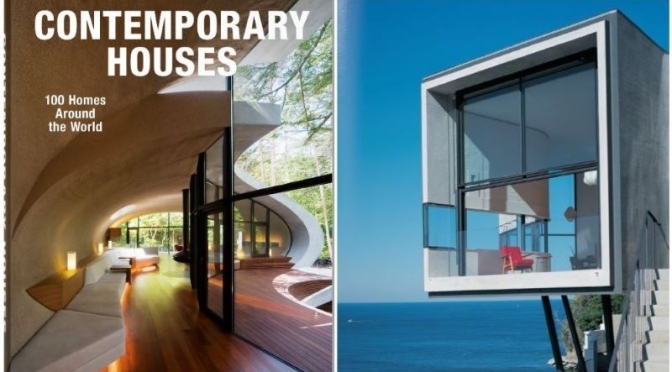
This publication rounds up 100 of the world’s most interesting and pioneering homes designed in the past two decades, featuring a host of talents both new and established, including John Pawson,Shigeru Ban, Tadao Ando, Zaha Hadid, Herzog & de Meuron, Daniel Libeskind, Alvaro Siza, and Peter Zumthor.
Accommodating daily routines of eating, sleeping, and shelter, as well as offering the space for personal experience and relationships, this is architecture at its most elementary and its most intimate.
Designing private residences has its own very special challenges and nuances for the architect. The scale may be more modest than public projects, the technical fittings less complex than an industrial site, but the preferences, requirements, and vision of particular personalities becomes priority. The delicate task is to translate all the emotive associations and practical requirements of “home” into a workable, constructed reality.
The author
Philip Jodidio studied art history and economics at Harvard, and edited Connaissance des Arts for over 20 years. His TASCHEN books include the Architecture Now! series and monographs on Tadao Ando, Santiago Calatrava, Renzo Piano, Jean Nouvel, Shigeru Ban, Richard Meier, and Zaha Hadid.
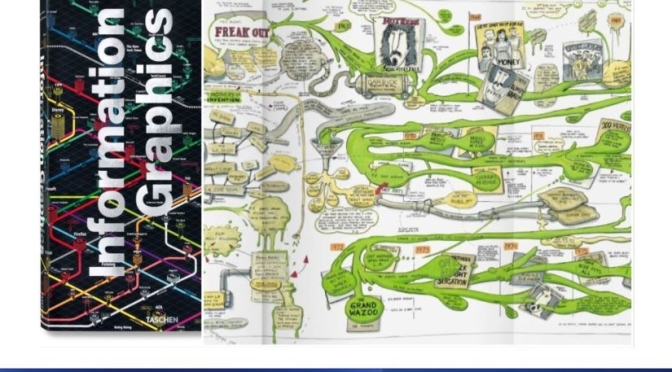
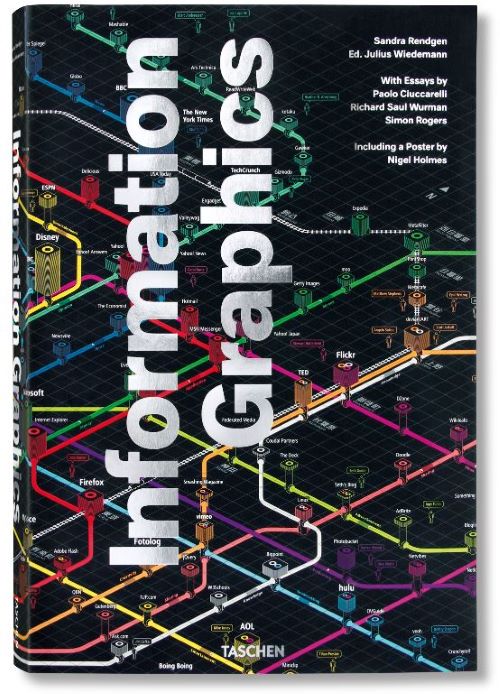
Our everyday lives are filled with a massive flow of information that we must interpret in order to understand the world we live in. Considering the complex variety of data floating around us, sometimes the best—or even only—way to communicate is visually.
This unique book presents a fascinating perspective on the subject, highlighting the work of the masters of the profession, creators of breakthroughs that have changed the way we communicate. Information Graphics has been conceived and designed not just for graphics professionals, but for anyone interested in the history and practice of communicating visually.
The in-depth introductory section, illustrated with over 60 images (each accompanied by an explanatory caption), features essays by Sandra Rendgen, Paolo Ciuccarelli, Richard Saul Wurman, and Simon Rogers. Looking back all the way to primitive cave paintings as a means of communication, this section gives readers an excellent overview of the subject. The second part of the book is entirely dedicated to contemporary works by today’s most renowned professionals, presenting 200 graphics projects, with over 400 examples—each with a fact sheet and an explanation of methods and objectives—divided into chapters by the topics Location, Time, Category, and Hierarchy.
Includes:
200 projects and over 400 examples of contemporary information graphics from all over the world—ranging from journalism to art, government, education, business and much more
Four essays about the development of information graphics since its beginnings
The author
Sandra Rendgen studied art history and cultural studies in Berlin and Amsterdam. Her work both as an editor and in developing concepts for media installations concentrates at the interface between image culture and technology, with a particular focus on data visualization, interactive media and the history of how information is conveyed. She is the author of TASCHEN’s Information Graphics and Understanding the World.
The editor
Julius Wiedemannstudied graphic design and marketing and was an art editor for newspapers and design magazines in Tokyo before joining TASCHEN in 2001. His titles include the Illustration Now! and Record Covers series, as well as the infographics collection and books about advertising and visual culture.
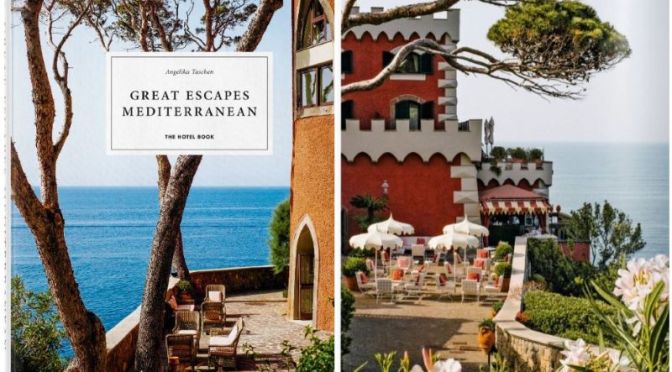
Angelika Taschen set out in search of the most beautiful hotels on a great variety of coasts, islands and beaches, taking you on a journey to the luxurious Hotel du Cap-Eden-Roc and the ultra-chic Les Roches Rouges on the Côte d’Azur, to the little-known Pardini’s Hermitage on the Italian island of Giglio, which is only accessible by boat or on foot, and to Bodrum in Turkey, where the elegant Amanruya resort lies hidden in one of the most stunning bays in the Mediterranean.
The Mediterranean is surrounded by three continents – Europe, Africa and Asia – and even though the cultures around this sea are highly diverse, they harmoniously share a pleasant climate, distinctive flora and fauna, and not least the intense blue of the water.
She also presents new hotel concepts, great architecture and creative design – for example the finca Menorca Experimental on the Balearic Islands, the modernist Villa Dubrovnik in Croatia and Dexamenes on the Peloponnese, where new life was breathed into decommissioned wine tanks.
Further highlights are the brand-new, stylishly designed Mezzatorre on Ischia and the Torre di Cala Piccola with its enchanting private beach on the Argentario peninsula in Tuscany, an almost unknown location that possesses the aura of 1960s Italy. Another real gem is La Locanda del Barbablù, with just five rooms in the shadow of the mythical volcano on Stromboli. Look forward to staying at the Nord-Pinus in Tangier with its fantastic view of the Strait of Gibraltar, and the charming Coco-Mat Eco Residences on Serifos, or experiencing the originality of Ammos on Crete, where the art and design are as essential as the sun and the beach!
The editor
Angelika Taschen studied art history and German literature in Heidelberg, gaining her doctorate in 1986. Working for TASCHEN from 1987, she has published numerous titles on art, architecture, photography, design, travel, and lifestyle.
Texts by
Christiane Reiter is a freelance author based in Brussels. She studied journalism at the University of Eichstätt and worked as a travel editor for Ringier Publishing in Munich and Zurich. Later, she established the travel section of the Frankfurter Allgemeine Sonntagszeitung.
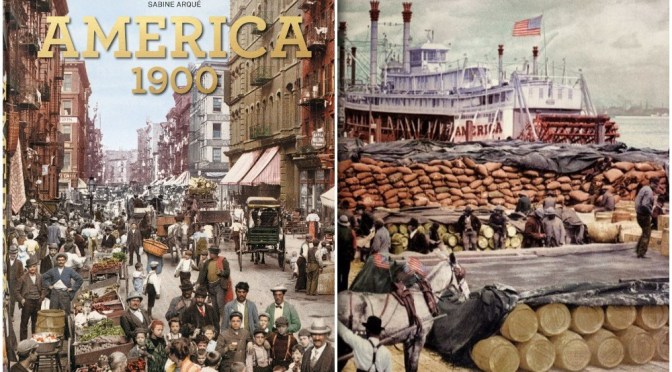
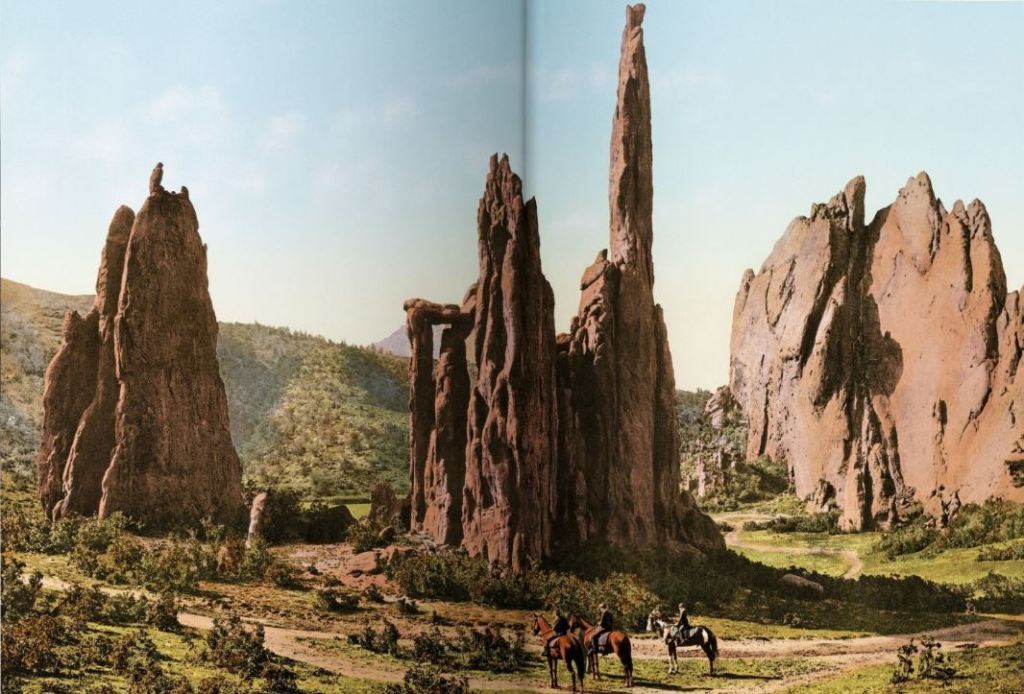
These rediscovered Photochrom and Photostint postcard images from the private collection of Marc Walter were produced by the Detroit Photographic Company between 1888 and 1924. Using a photolithographic process that predated the autochrome by nearly 20 years, they offered people the very first color photographs of the United States.
Suddenly, the continent’s colors were available for all to see. From the rich ochres and browns of the Grand Canyon to the dazzle of Atlantic City, these places were now a visual delight not only for eyewitnesses but for Americans far and wide.
Imbued with a sense of discovery and adventure, the pictures gathered here are a voyage through peoples, places, and time. They take us through North America’s vast and varied landscape, where we encounter its many communities, and above all transport us back to the United States of over a century ago. Across more than 600 pages including fold-out spreads, this sweeping panorama takes us from Native American settlements to New York’s Chinatown, from some of the last cowboys to Coney Island’s heyday. As luminous now as they were some 120 years ago, these rare and remarkable images that brought America to Americans now bring America’s past to our present.
The authors
Graphic designer, photographer, and collector Marc Walter (1949–2018) specialized in vintage travel photographs, particularly photochromes, of which he held one of the world’s largest collections. He published numerous books featuring images from his collection as well as his own photographs.
Sabine Arquéis a photo researcher, editor, and author. She has collaborated on numerous publications on the themes of travel, the history of tourism, photochromes, and photography.
NYT Explorer. 100 Trips Around the World takes travel beyond the obvious with adventures in exotic places and new perspectives in familiar ones, all based on the distinguished travel journalism of The New York Times. Each journey features a first-person narrative and postcard-perfect photography, capturing the unique personality of the destination—as well as practical information to help get you on your way.
This slideshow requires JavaScript.
Whether it’s a culinary adventure in vibrant Mexico City, an historic and meditative train ride through Siberia, or a solo trip to Paris, get your bucket lists ready and share in the discoveries of Explorera collection of 100 dream destinations—four volumes’ worth of adventures in one—from the Travel pages of TheNew York Times.
The Times writers offer guidance, from the personal to the practical, along with a wealth of color photographs that capture the catch-your-breath awe of each destination. Motor past pink sands and bougainvillea in Bermuda with Andrew McCarthy, follow Virginia Woolf’s footsteps through the English countryside with Francine Prose, or dare to pilot a boat through the Venice lagoon with Tony Perrottet.
The editor
Barbara Ireland edits the 36 Hours, Explorer, and forthcoming Cultured Traveler series of travel books in collaboration with The New York Times and TASCHEN. A writer and editor based in upstate New York, she is a former deputy Travel editor and deputy Op-Ed page editor at The New York Times. She is a graduate of Cornell University and was a John S. Knight journalism fellow at Stanford University.













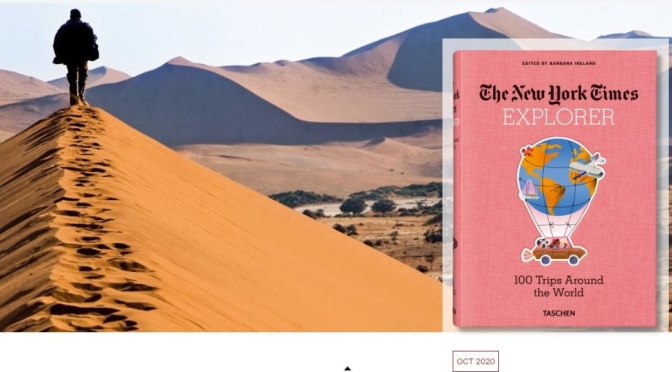
 NYT Explorer. 100 Trips Around the World takes travel beyond the obvious with adventures in exotic places and new perspectives in familiar ones, all based on the distinguished travel journalism of The New York Times. Each journey features a first-person narrative and postcard-perfect photography, capturing the unique personality of the destination—as well as practical information to help get you on your way.
  Boomers Daily