

NEW REPORT: Foodscapes are the building blocks of the global food system. Mapping advances just improved how we see them. https://t.co/r4f3dM9XxU #GrowPositive pic.twitter.com/a5Z9QxNAYm
— The Nature Conservancy (@nature_org) November 18, 2021
Tag Archives: Sustainability
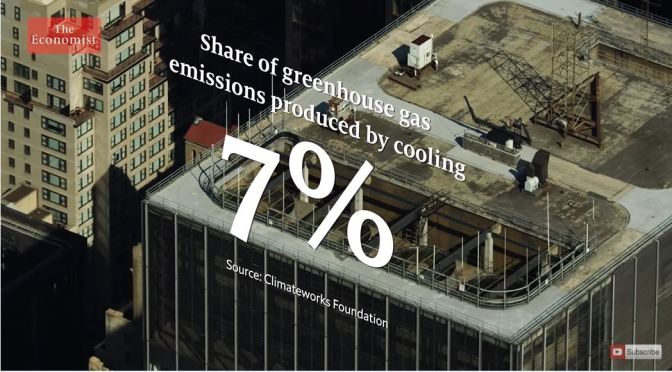
Analysis: Air Conditioning Is Warming The World
The warmer it gets, the more people use air conditioning—but the more people use air conditioning, the warmer it gets. Is there any way out of this trap?
Video timeline: 00:00: What’s the cooling conundrum? 01:05: The pros and cons of AC 03:28: How to reinvent air conditioning 05:02: Can buildings be redesigned to keep cool? 07:30: Scalable, affordable cooling solutions 10:24: Policy interventions for cooling

Nature: Belize Converts Debt To Protect 30% Of Its Coral Atolls, Barrier Reef
The Belize Barrier Reef System features three of four coral atolls in the Atlantic, lush mangrove forests, numerous offshore islands, and one of the most extensive seagrass areas in the Caribbean. It hosts 77 species listed as threatened by the IUCN, including a sizeable population of West Indian Manatees.
Now, Belize has reaffirmed its environmental leadership by becoming the first country in the Americas to finalize a debt conversion for ocean conservation—and one that represents an impact investment for marine protection that’s unprecedented in scale. This commitment will enable Belize to restructure approximately US$550 million of external commercial debt—an amount that represents 30 percent of the country’s GDP—and reduce the national debt by 12 percent.
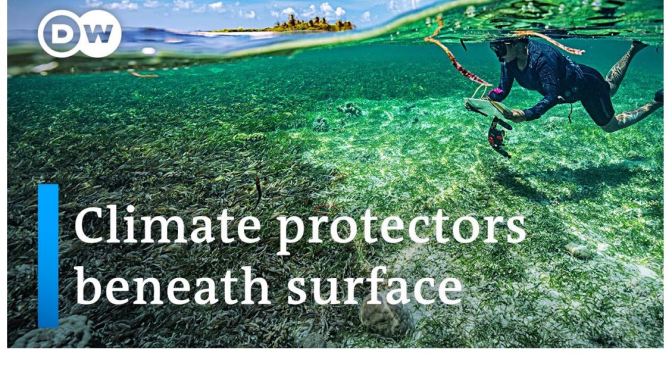
Views: Saving Seagrass Meadows In The Maldives
The seagrass meadows around the Maldives are under threat. But the government now plans to place this valuable ecosystem under protection. As well as serving as nurseries for sea life, they act as carbon sinks and protect the atolls from erosion.
Maldives, officially the Republic of Maldives, is an archipelagic state in the Indian subcontinent of Asia, situated in the Indian Ocean. It lies southwest of Sri Lanka and India, about 750 kilometres from the Asian continent’s mainland.
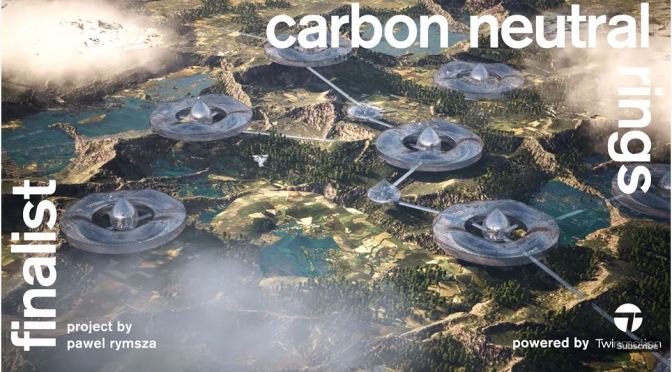
Sustainability: Redesign The World Competition – ‘Carbon Neutral Rings’
Pawel Rymsza’s proposal to house humanity in a network of ring-shaped structures built around huge algae-rich lakes is the first of 15 visionary projects shortlisted for the Redesign the World competition powered by Twinmotion.
Called Carbon Neutral Rings, Rymsz’s proposal is to create a network of enclosed carbon-neutral cities for humanity to live in. Each ring is built around a huge reservoir of algae, which would be used to filter the air inside the rings and act as a carbon sink to absorb the city’s emissions.
The carbon dioxide absorbed by reservoirs would ensure the cities are carbon-neutral initially and would become carbon-negative over time as humanity shifts to less carbon-intensive technologies.
Redesign the World is the ultimate design competition, which called for new ideas to rethink planet Earth to ensure that it remains habitable long into the future. Launched in partnership with Epic Games, the contest asked entrants to visualise their concepts using architectural visualisation software Twinmotion.
Read more on Dezeen: https://www.dezeen.com/?p=1730861
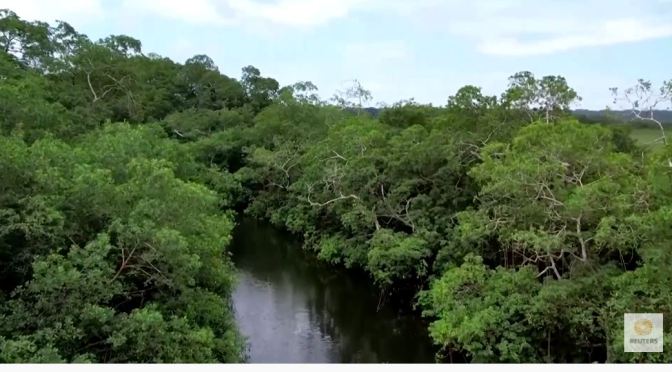
Nature: Mangrove Swamps Of Gabon, Central Africa
The towering trees in Gabon’s mangrove swamps have helped to make the Central African country one of the world’s few net absorbers of carbon. However, many are under threat from urbanization, with former swamps being illegally cleared for construction.
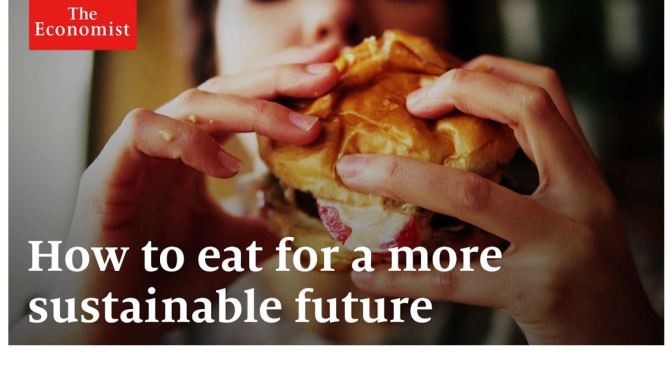
Analysis: Food’s Future In A More Sustainable World
Over one-third of greenhouse-gas emissions come from food production. For a greener future, this urgently needs to change. What’s the future of food in a more sustainable world? Our experts answer your questions.
Video timeline: 00:00 – Food’s environmental impact 00:44 – Why it’s important to make food sustainable 01:34 – Will everyone have to give up meat? 02:13 – Can lab-grown meat be scaled up? 03:32 – Could nutrients and vitamins be added to new foods? 04:52 – Will insects become a new staple food? 05:35 – Why small-scale farming isn’t the main solution 06:51 – Is vertical farming more sustainable? 07:36 – Will consumers accept new foods?
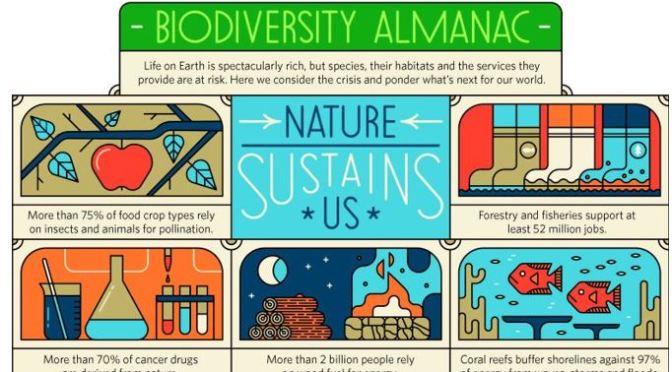
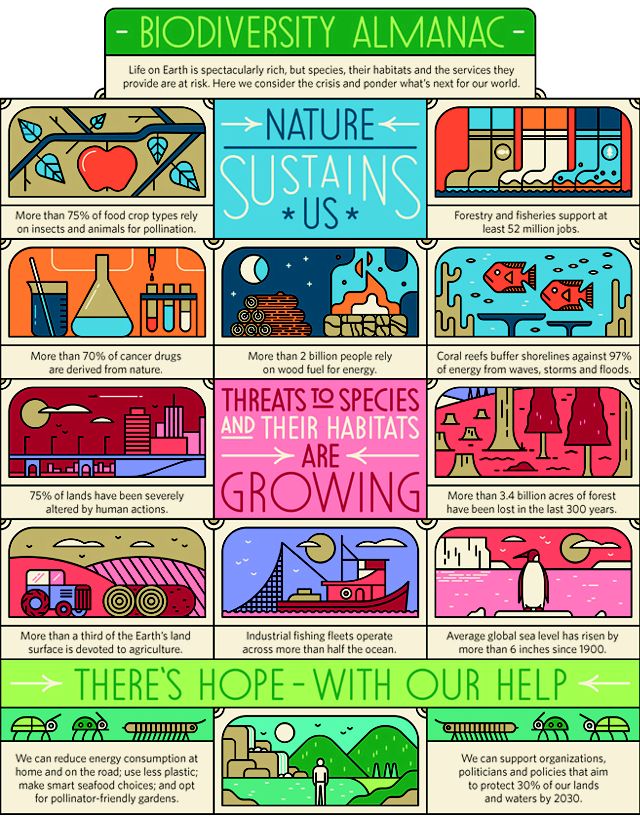
Infographic: Biodiversity – ‘How Nature Sustains Us’

Reviews: How To Create Sustainable Business (MIT)
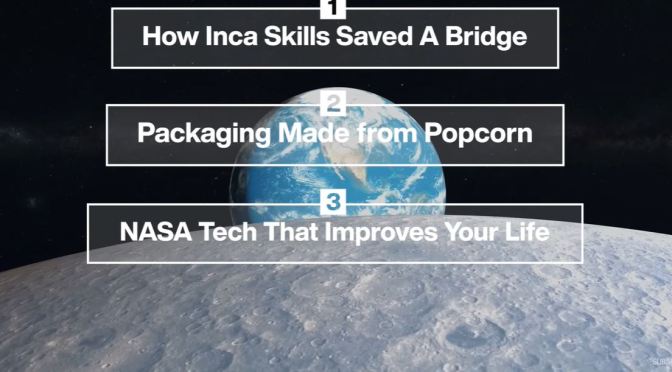
World Economic Forum: Top News Stories (06/25/21)
This week, we’re highlighting these four top stories: watch Peruvians fix an ancient bridge with just wild grass and ancient Inca skill, see how NASA is improving life on Earth, learn how a movie snack is being turned into packaging and catch the latest technology making our world a more sustainable place.
 Boomers Daily