

A look at the James Webb Space Telescope, it’s mission and the incredible technological challenge this mission presents.
Music credit: Universal Production
Music tracks: Future Generation Alternative Version by Dury; Moment of Anticipation Instrumental by Connolly; Dark Matter Instrumental by Beits
Credit: NASA’s Goddard Space Flight Center
Michael McClare (KBRwyle): Lead Producer
Michael McClare (KBRwyle): Lead Writer
Adriana Manrique Gutierrez (USRA): Animator
Jonathan North (USRA): Animator
Walt Feimer (KBRwyle): Animator
Michael Lentz (USRA): Animator
Bailee DesRocher (USRA): Animator
Michael McClare (KBRwyle): Lead Editor
Michael McClare (KBRwyle): Lead Videographer
This video is public domain and along with other supporting visualizations can be downloaded from the Scientific Visualization Studio

 WHO’s definition of health is famously “a state of complete physical, mental, and social well-being and not merely the absence of disease or infirmity”. One of the oldest medical texts we know of, The Science of Medicine attributed to Hippocrates, sets out the goal of medicine in comparable terms: “the complete removal of the distress of the sick”.
 We start our first episode of the new year looking at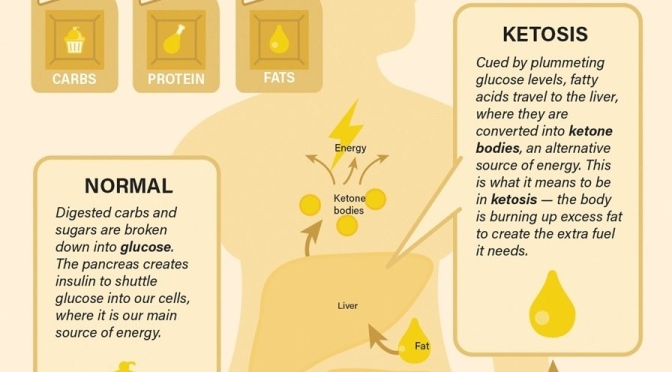
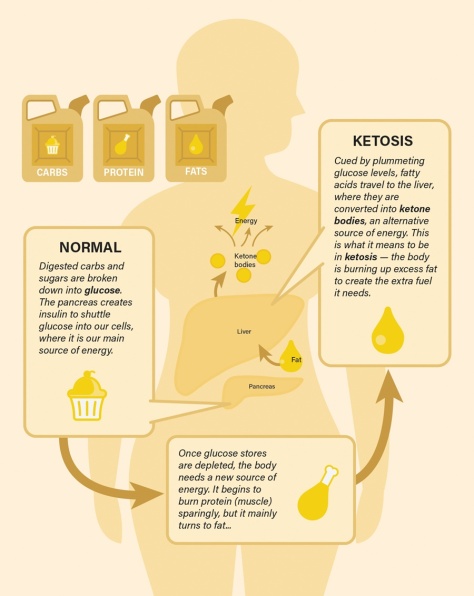
 to a paper Mattson and colleagues published in February in the experimental biology journal FASEB. In humans, fasting for 12 hours or more drops the levels of glycogen, a form of cellular glucose. Like changing to a backup gas tank, the body switches from glucose to fatty acids, a more efficient fuel. The switch generates the production of ketones, which are energy molecules that are made in the liver. “When the fats are mobilized and used to produce ketones, we think that is a key factor in accruing the health benefits,” says Mattson.
 The podcast team share some of their highlights from the past 12 months:

 During this decade, as in previous decades, Caltech scientists and engineers reinvented the landscape of scientific endeavor: from the first detection of gravitational waves and the discovery of evidence for a ninth planet in the solar system; to bold missions to explore and understand the solar system; to the development of new methods to see inside the body and the brain and understand the universe around us; to the invention of devices to improve human health, some taking inspiration from nature; to the initiation of a transformative new effort to support research into the most pressing challenges in environmental sustainability.
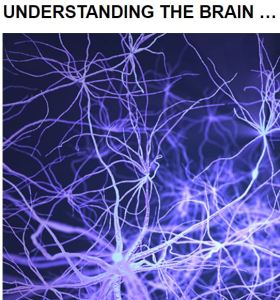 Though the brain orchestrates how we experience the world, many questions remain about its complex workings. During the past 10 years, Caltech scientists have discovered how the brain recognizes
  As modern technology advances, so do the possibilities for treating medical conditions that were previously considered untreatable. Caltech researchers used an electrode array to help a paralyzed patient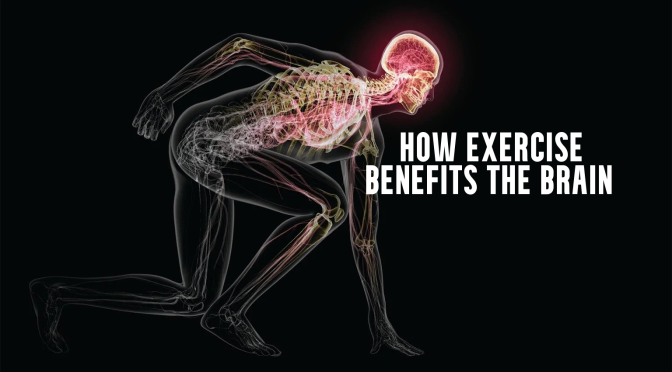
 In our own study of more than 7,000 middle-aged to older adults in the U.K., published in 2019 in Brain Imaging and Behavior, we demonstrated that people who spent more time engaged in moderate to vigorous physical activity had larger hippocampal volumes. Although it is not yet possible to say whether these effects in humans are related to neurogenesis or other forms of brain plasticity, such as increasing connections among existing neurons, together the results clearly indicate that exercise can benefit the brain’s hippocampus and its cognitive functions.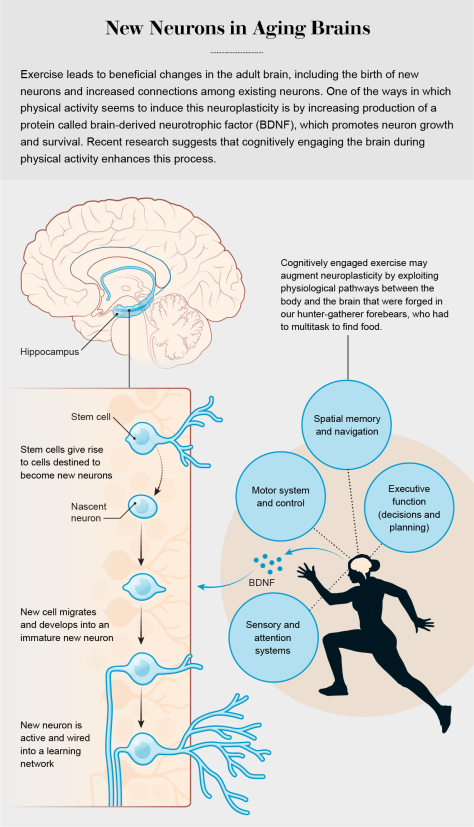
 Boomers Daily