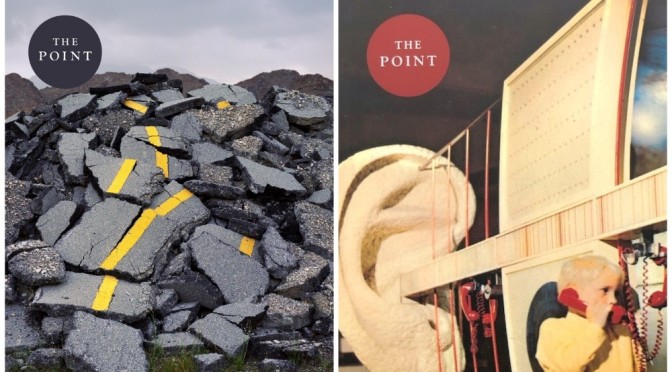
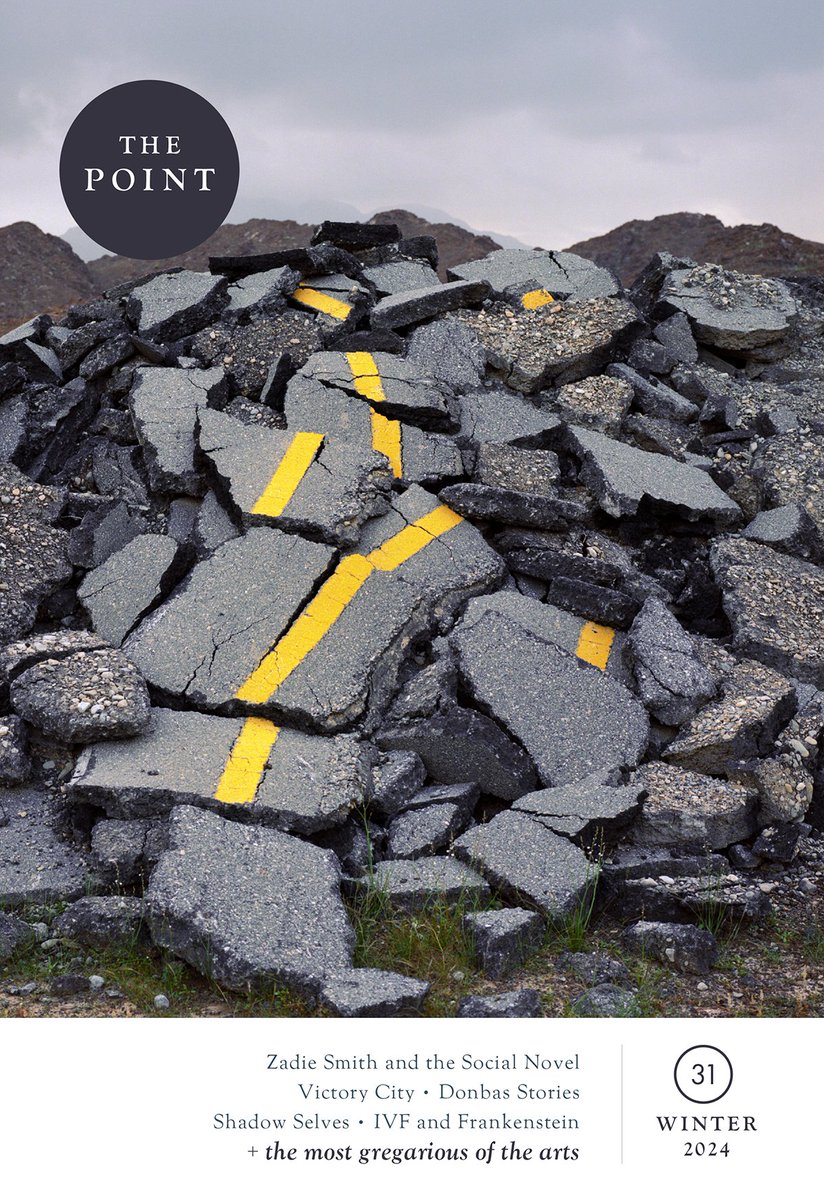
The Point Magazine (December 17, 2023) – The latest issue features ‘Entering History’ – Leave it to Zadie Smith to include a political Rorschach test in her latest novel; ‘Within the Pretense of No Pretense’ – Technology was the wonder of our age. It seemed to promise us power, and we took this power for our own; Venice Architecture Biennale – The city of Venice may very well be, as the architecture theorist Manfredo Tafuri once claimed, “an unbearable challenge to the world of modernity,”, and more….
The Wall Street Journal (December 16, 2023) – How does Google Maps use satellites, GPS and more to get you from point A to point B? What is the tech that powers Spotify’s recommendation algorithm?
Video timeline: 0:00 Google Maps 9:07 LED wristbands 14:30 Spotify’s algorithm 21:30 Tap-to-Pay 28:18 Noise-canceling headphones 34:33 MSG Sphere 41:30 Shazam
From the unique tech that works in seconds to power tap-to-pay to how Shazam identifies 23,000 songs each minute, WSJ explores the engineering and science of technology that catches our eye. Chapters:
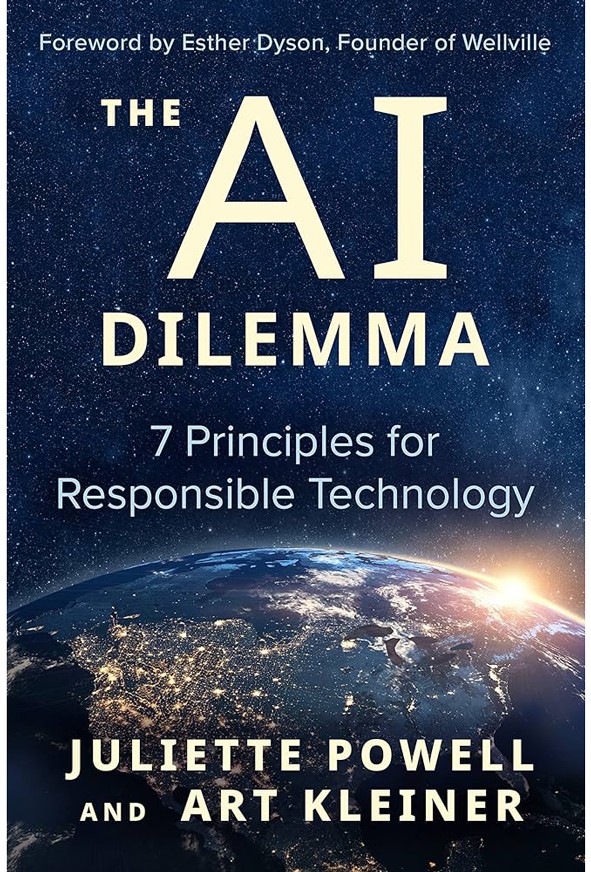
Juliette Powell & Art Kleiner Berrett-Koehler (2023)
The benefits and harms of social media are intimately tied to the ongoing debate about artificial intelligence (AI). Will AI systems trained partly on social media benefit or harm humanity? In their excellent, sometimes alarming, analysis of engineering, social justice, commerce and government, entrepreneur and technologist Juliette Powell and writer and educator Art Kleiner compare humans developing AI tools to first-time parents. They recommend guiding AI systems “as we would a child towards full adulthood”.
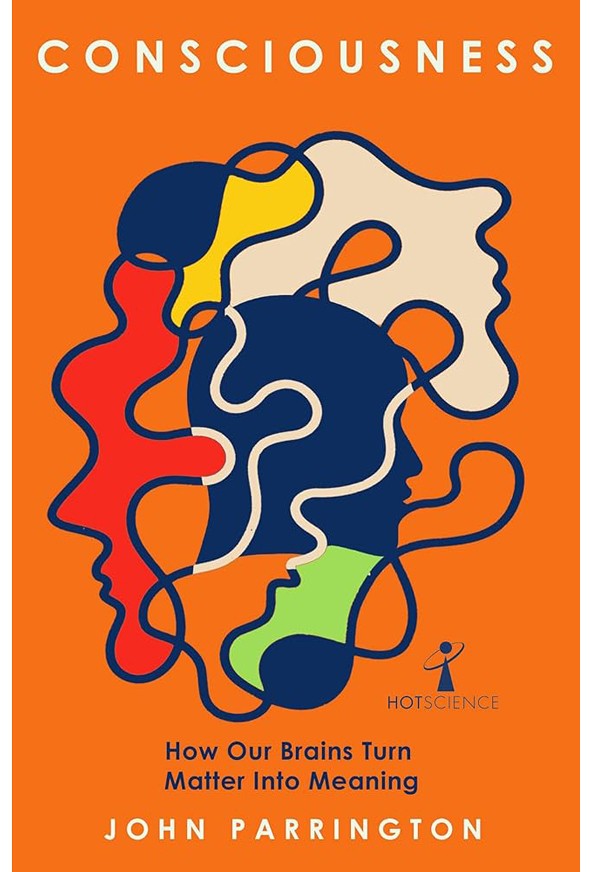
Consciousness
John Parrington Icon (2023)
“The material basis of human consciousness is one of the biggest unsolved issues in science,” admits cellular and molecular pharmacologist John Parrington in his pithy addition to a vast literature dating from the time of ancient Greek philosopher Aristotle. He considers many theories and proposes his own. Humans, he argues, are distinguished by conceptual thought and language, along with skills in designing tools and technologies. The evolution of these powers transformed our brains, creating meaning and consciousness.
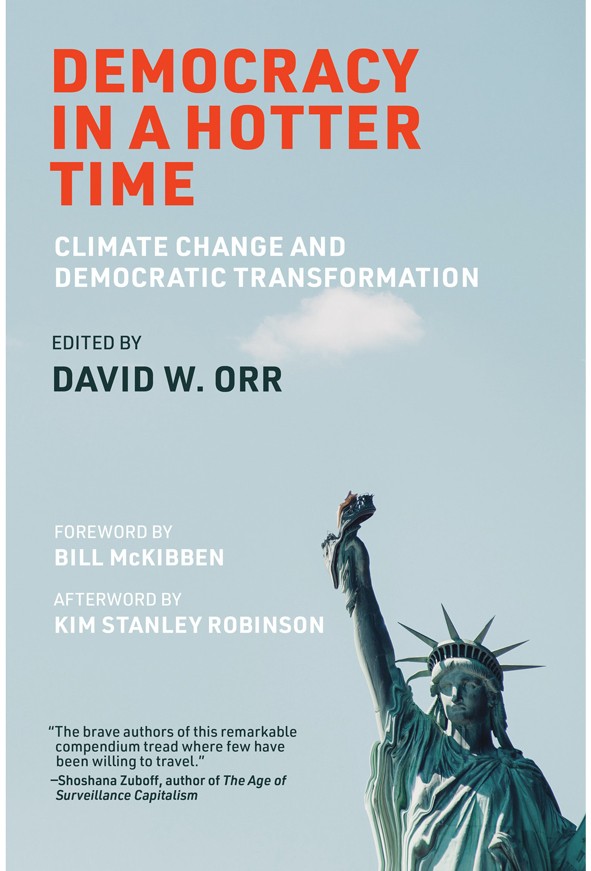
Democracy in a Hotter Time
Ed. David W. Orr MIT Press (2023)
Environmentalist David Orr writes in the introduction to this timely collection that the planet faces two interlinked crises: “rapid climate change and potentially lethal threats to democracy”. The US Constitution rigorously protects private property but does not mention ecological systems, he observes. Contributors — almost all US-based — from a wide range of fields examine the need for political reform. The book is in four parts: the nature of democracy; roadblocks to change; policy and law; and education, including academic culture.
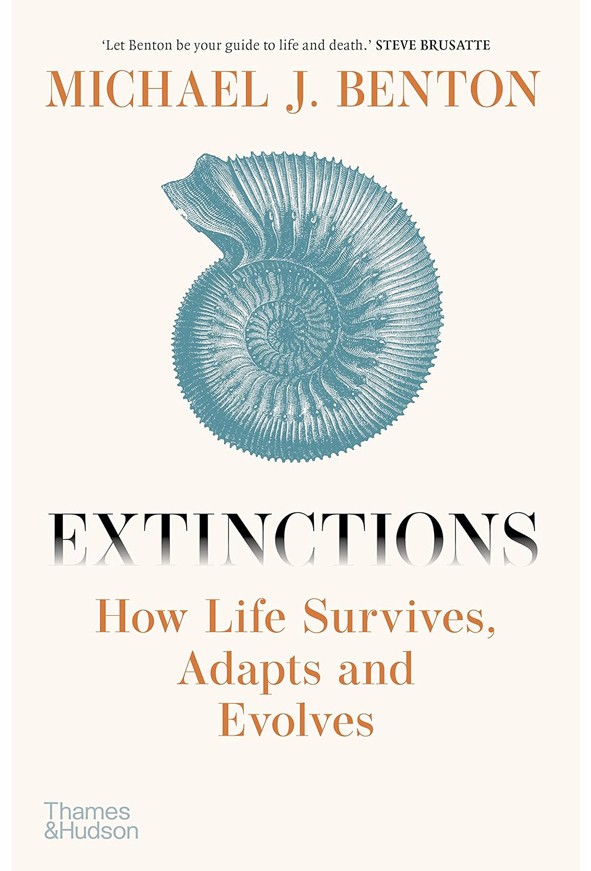
Extinctions
Michael J. Benton Thames & Hudson (2023)
When palaeontologist Michael Benton learnt about dinosaurs as a boy, he “loved the fact they were extinct”. They were like real science fiction. Perhaps he also intuited that their extinction permitted his existence. As his deeply informed and readable book reveals, the mass extinction at the end of the Cretaceous period 66 million years ago allowed a new cohort of creatures — including mammals — to “inherit the Earth”, as did four earlier extinction events. Living species represent less than 1% of all the species that have existed.
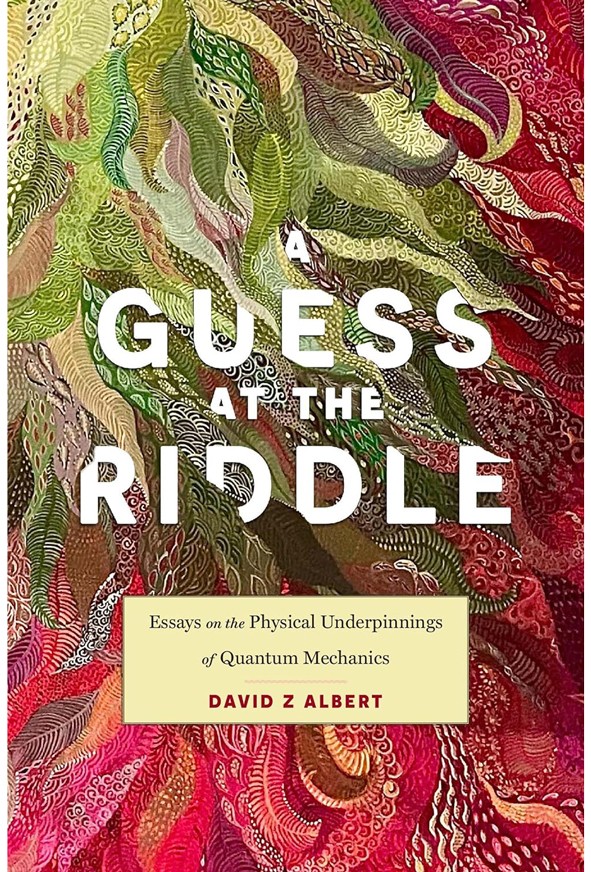
A Guess at the Riddle
David Z. Albert Harvard Univ. Press (2023)
The physical interpretation of quantum mechanics has been a controversial riddle since the 1920s, when Niels Bohr argued that the atom’s inner workings could not be described in physical terms. Today, many philosophers and physicists disagree, but there’s no consensus on an alternative. Philosopher David Albert’s provocative book argues, in three essays, that Bohr’s quantum-measurement problem starts to make sense if the wave function is understood as the fundamental physical ‘stuff’ of the Universe.
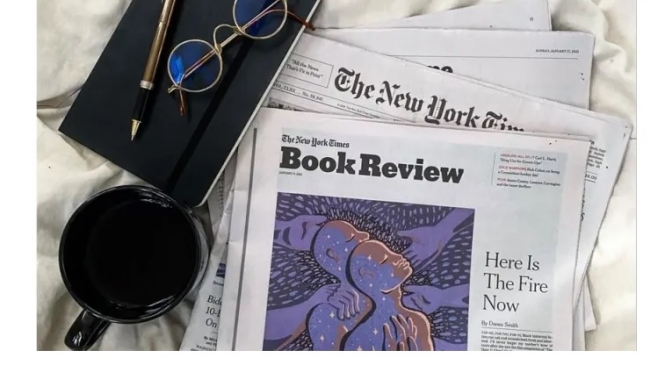
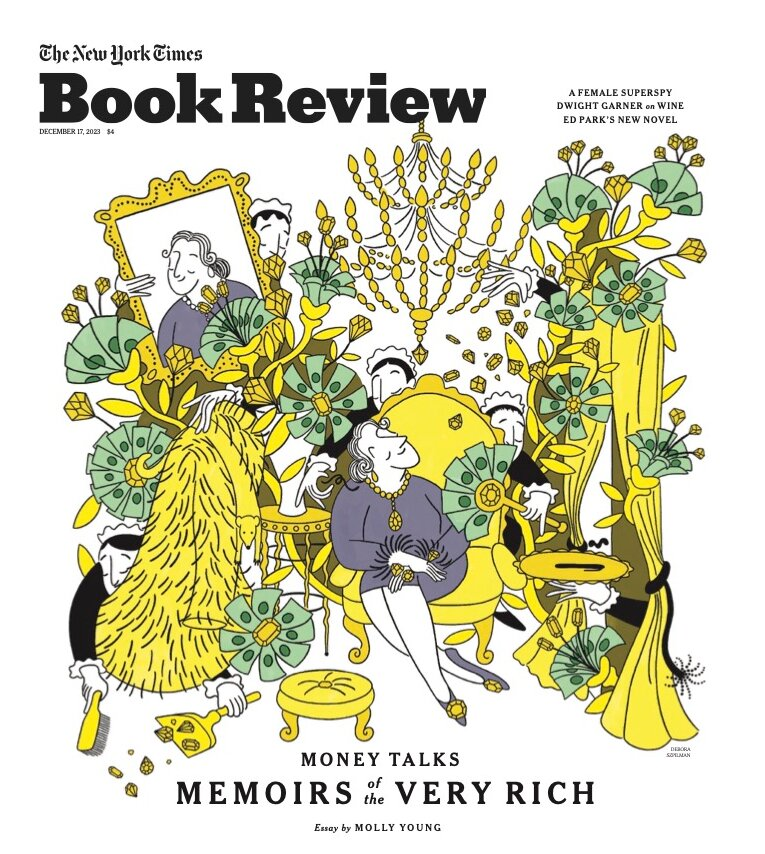
THE NEW YORK TIMES BOOK REVIEW (December 15, 2023): The latest issue features ‘Glorious Memoirs by the Very Rich’ – A look back at a time when the super-wealthy felt they had nothing to lose by letting readers inside their gilded corridors; For Kate Christensen, Bad Prose Can Never Yield a Great Book – “A book is made of language,” says the author, whose new novel is “Welcome Home, Stranger.” “How can a house be great if it’s made of shoddy materials? How can a dinner be great if it’s made with terrible ingredients?”
“Class consciousness takes a vacation while we’re in the thrall of this book,” Barbara Grizzuti Harrison wrote in the Book Review in 1985, in her evaluation of the heiress Gloria Vanderbilt’s memoir “Once Upon a Time.” To be clear, Harrison was referring to the class consciousness of the reader, not the author. Vanderbilt demonstrates perfect awareness throughout her book that most young children don’t play with emerald tiaras and alligator jewel boxes lined in chestnut satin, or rely on the services of multiple butlers, or lose count of their own houses. Harrison’s point was that Vanderbilt’s talent with a pen — and perspective on her own economic altitude — allowed consumers of her tale to suspend their envy and engage with the reality of growing up in opulent neglect.
“A book is made of language,” says the author, whose new novel is “Welcome Home, Stranger.” “How can a house be great if it’s made of shoddy materials? How can a dinner be great if it’s made with terrible ingredients?”
What books are on your night stand?
I’m living temporarily in a rented house in Iowa City, teaching at the Writers’ Workshop. When I arrived there was not one book in the entire place, so I made an emergency trip to the local used-book store, collecting whatever leaped out at me from the shelves, mostly based on the wonderful titles: “Overhead in a Balloon,” by Mavis Gallant; “Watson’s Apology,” by Beryl Bainbridge; “Anthills of the Savannah,” by Chinua Achebe; “The Brandon Papers,” by Quentin Bell; “The Marquis of Bolibar,” by Leo Perutz; “The Seven Sisters,” by Margaret Drabble; “Bruised Hibiscus,” by Elizabeth Nunez; “A Journal of the Plague Year,” by Daniel Defoe.
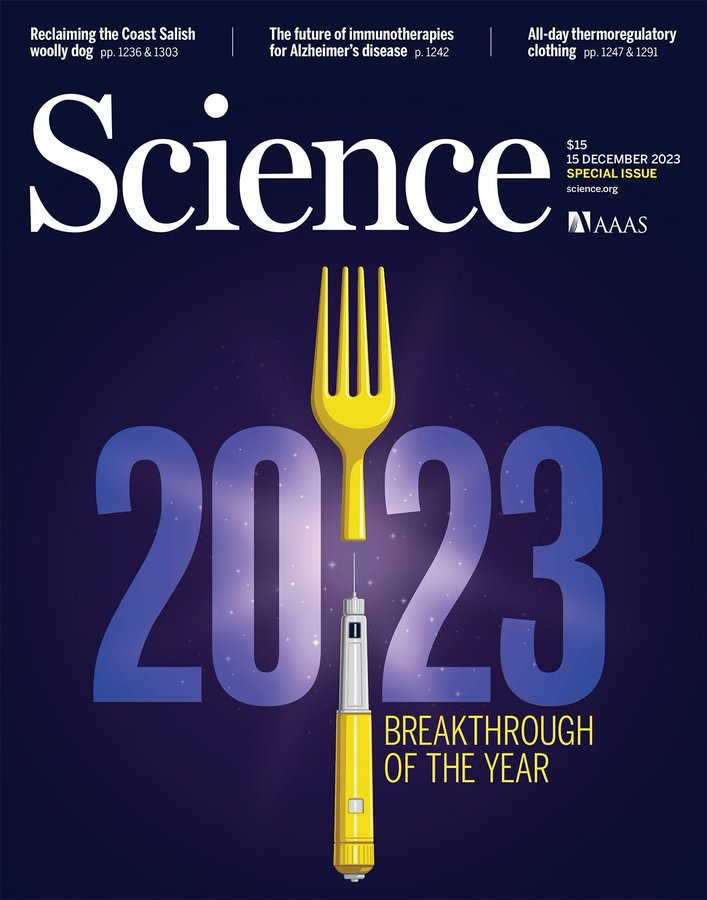
Science Magazine – December 14, 2023: The new issue cover features The 2023 Breakthrough of the Year: Obesity meets its match – Blockbuster weight loss drugs show promise for a wider range of health benefits; Runners-Up: At last, modest headway against Alzheimer’s; and Breakdowns of the Year – What went wrong in the world of Science….
Blockbuster weight loss drugs show promise for a wider range of health benefits
Obesity plays out as a private struggle and a public health crisis. In the United States, about 70% of adults are affected by excess weight, and in Europe that number is more than half. The stigma against fat can be crushing; its risks, life-threatening. Defined as a body mass index of at least 30, obesity is thought to power type 2 diabetes, heart disease, arthritis, fatty liver disease, and certain cancers.
Medicine has had little to offer the tens of millions of people worldwide with Alzheimer’s disease, and the few approved treatments have only targeted symptoms. But in January, U.S. regulators greenlit the first drug that clearly, if modestly, slows cognitive decline by tackling the disease’s underlying biology; a second, related treatment is close behind. Neither comes close to a cure, and both have serious risks, but they offer new hope to patients and families.
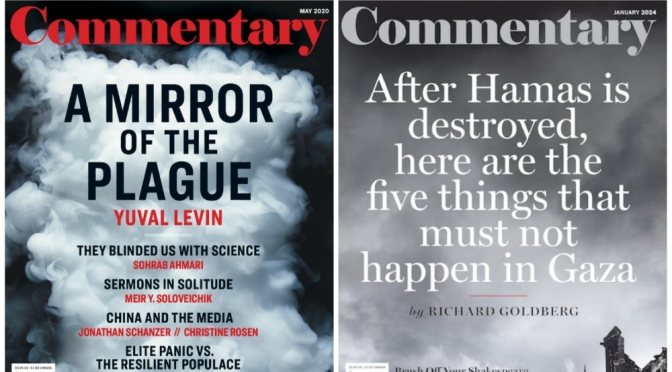
Israel is resolved to remove Hamas and its terrorist infrastructure from the Gaza Strip permanently, and for much of the world, its determination raises one question more than any other: What comes next in Gaza? For those who disapprove of Israel’s actions in the war or those who either passively or actively support the role of Hamas as the Strip’s governing authority, the lack of answers provides a pretext not only to demand a permanent cease-fire but to suggest (often quietly and with a furrowed brow indicating supposed realpolitik wisdom) that the path Israel seems to be making for itself is a dead end from which it needs to be saved.
In his new book, The Conservative Futurist: How to Create the Sci-Fi World We Were Promised,American Enterprise Institute scholar James Pethokoukis writes about the go-go years of the 1960s: Saturn V rockets were blasting to the moon, atomic power promised to make electricity “too cheap to meter,” and sci-fi TV shows like Star Trek depicted new marvels right around the corner.
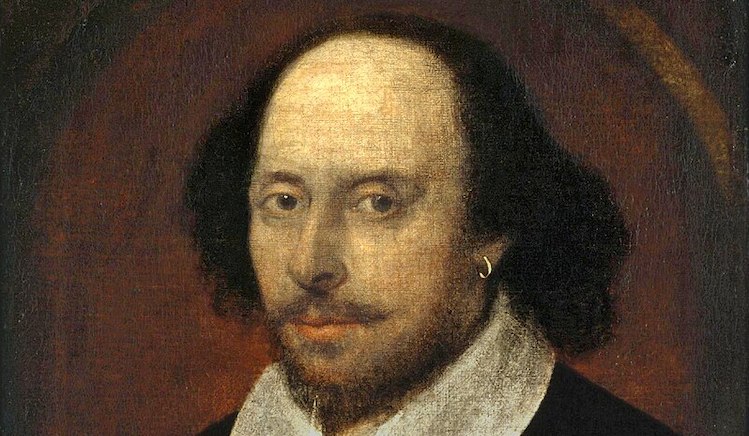
“Joseph,” my friend Edward Shils said to me, “we have spoken about many things, among them about various writers, but we are both too civilized ever to talk about Shakespeare. After all, what could one say?” Yes, what can one say? Over a long writing career, I have never written about Shakespeare, and, best I can recall, among the many millions of words I have produced, have never even quoted him. Truth is, I have long admired Shakespeare without being especially nuts about him.
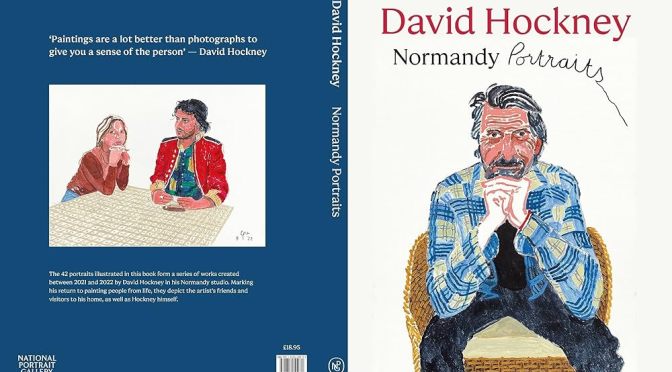
A compact album presentation of Hockney’s newest explorations in portraiture
Artbook D.A.P.:
This concise volume illustrates around 40 acrylic on canvas works painted by David Hockney (born 1937) at his Normandy studio—depicting his friends and visitors, as well as the artist himself. David Hockney: Normandy Portraits showcases a series of some previously unseen portraits, across 48 pages, uninterrupted by text, to allow readers to engage directly with the artworks.
These new works highlight the ongoing importance of portraiture within the artist’s practice and demonstrate his sentiment that “drawings and paintings … are a lot better than photographs to give you a sense of the person.”
Hockney returned to painting after an intensive period spent depicting the Normandy landscape using an iPad. The portraits were painted quickly and directly onto the canvas without underdrawing. As Hockney has said, “to do a portrait slowly is a bit of a contradiction.”


















 Artbook D.A.P.:
 Boomers Daily