Featuring articles on deaths due to e-cigarette– or vaping-associated lung injury, apixaban for venous thromboembolism in cancer, the management of coronary disease in patients with advanced kidney disease, health-status outcomes in the ISCHEMIA-CKD trial, and ten weeks to crush the curve.
Additionally, renin–angiotensin–aldosterone system inhibitors in patients with Covid-19, and teasing the immune system to repair the heart; a review article on the care of patients with diabetic retinopathy; a case report of a man with high blood pressure, renal insufficiency, and hematuria; and Perspective articles on clinical and social risk adjustment, on prediction models, and on medical care during the pandemic.
Doctors are delaying procedures and surgeries in order to save resources like hospital beds and ventilators for Covid-19 patients, and prevent the infection from spreading.
Emma Court reports on the difficult choices doctors are forced to make, and the danger that we’re creating another health care crisis.
23 April 2020: Denisovan DNA in modern Europeans, and the birth of an unusual celestial object. This week, evidence of ancient hominin DNA in modern human genomes, and the origin of a snowman-shaped object at the edge of the solar system.
In this episode:
00:45 Intermixing of ancient hominins
By combing through the DNA of over 27,000 modern day Icelanders, researchers have uncovered new insights about the ancient hominin species who interbred with Homo sapiens. Research Article: Skov et al.
In 2019, the New Horizon Spacecraft took images of Arrokoth – an unusual, bi-lobal object found in the Kuiper belt. Now, researchers believe they’ve figured out how it formed. Research Article: Grishin et al.
17:29 Pick of the Briefing
We pick some highlights from the Nature Briefing. This week we discuss why the Universe may be lopsided, and why water could actually be two different liquid states. Scientific American: Do We Live in a Lopsided Universe?; Chemistry World: The weirdness of water
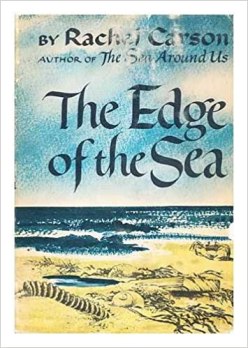
Before she published “Silent Spring,” one of the most influential books of the last century, Rachel Carson was a young aspiring poet and then a graduate student in marine biology. Although she couldn’t swim and disliked boats, Carson fell in love with the ocean. Her early books—including “The Sea Around Us,” “The Edge of the Sea” and “Under the Sea Wind”—were like no other nature writing of their time,
Jill Lepore says: Carson made you feel you were right there with her, gazing into the depths of a tide pool or lying in a cave lined with sea sponges. Lepore notes that Carson was wondering about a warming trend in the ocean as early as the 1940s, and was planning to explore it after the publication of “Silent Spring.” If she had not died early, of cancer, could Carson have brought climate change to national attention well before it was too late?
Excerpts from Carson’s work were read by Charlayne Woodard, and used with permission of Carson’s estate.
Rachel Louise Carson (May 27, 1907 – April 14, 1964) was an American marine biologist, author, and conservationist whose book Silent Spring and other writings are credited with advancing the global environmental movement.
Carson began her career as an aquatic biologist in the U.S. Bureau of Fisheries, and became a full-time nature writer in the 1950s. Her widely praised 1951 bestseller The Sea Around Us won her a U.S. National Book Award, recognition as a gifted writer, and financial security. Her next book, The Edge of the Sea, and the reissued version of her first book, Under the Sea Wind, were also bestsellers. This sea trilogy explores the whole of ocean life from the shores to the depths.
Late in the 1950s, Carson turned her attention to conservation, especially some problems that she believed were caused by synthetic pesticides. The result was the book Silent Spring (1962), which brought environmental concerns to an unprecedented share of the American people. Although Silent Spring was met with fierce opposition by chemical companies, it spurred a reversal in national pesticide policy, which led to a nationwide ban on DDT and other pesticides. It also inspired a grassroots environmental movement that led to the creation of the U.S. Environmental Protection Agency. Carson was posthumously awarded the Presidential Medal of Freedom by President Jimmy Carter.
Tension-type headaches can be either episodic or chronic. They are rarely disabling or associated with any significant autonomic phenomena, thus patients do not usually seek medical care and usually successfully self-treat. Unlike migraine, there is no significant nausea, no vomiting, and a lack of aggravation by routine physical activity.
In this podcast Mark Green, Professor of Neurology, Anesthesiology and Rehabilitation Medicine, Director of Headache and Pain Medicine, Icahn School of Medicine at Mount Sinai, New York, gives a clinical overview of the condition.
Donald G. McNeil Jr., a science and health reporter for The New York Times, discusses how the Coronavirus lockdown might end what it would look like.
While the economy is likely to reopen slowly, there is hope that society will adapt to manage the uncertainty of our new circumstances. Here’s what experts say the next year (or more) will look like.
Cardiovascular consults are way down. Is the threat of COVID-19 infection scaring people away from ED’s?
We caught up with Dr. Comilla Sasson, the American Heart Association’s VP for science and innovation. She’s an emergency physician who teaches at the University of Colorado. She’d traveled to New York City to “help with the response,” and she talked with us from a field hospital that had been set up on a tennis court in Central Park.
She had lots to say about what’s driving patients away from emergency departments these days and what’s likely to happen in medicine (hello, telemedicine!) once the pandemic abates.
A selection of three essential articles read aloud from the latest issue of The Economist. This week, is China the pandemic’s big geopolitical winner? (8:30) Saudi Arabia has declared a ceasefire in Yemen, but the Houthis are fighting on. (14:13) And, how Britain’s glossy magazines are adjusting to a gloomy world.
As gyms are closed and many of us are stuck at home, it’s an opportune time for home fitness platforms. We speak to Bruce Smith, founder of Hydrow, while Jason de Savary of London’s Core Collective talks about the gym’s new CCTV platform.
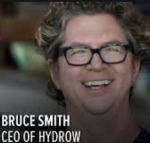
Bruce Smith, CEO & Founder
Life-long entrepreneur and rower, Head of the Charles winner, coached the US Lightweight Eight to a Bronze medal at the 2015 World Rowing Championships and former Executive Director of Community Rowing – Boston.
Every aspect of Hydrow is engineered by rowing experts to elevate your experience. From computer-controlled resistance to revolutionary Live Outdoor Reality™ technology, Hydrow delivers an effective and enjoyable workout that brings the river home to you.

 Featuring articles on deaths due to e-cigarette– or vaping-associated lung injury, apixaban for venous thromboembolism in cancer, the management of coronary disease in patients with advanced kidney disease, health-status outcomes in the ISCHEMIA-CKD trial, and ten weeks to crush the curve.
 Doctors are delaying procedures and surgeries in order to save resources like hospital beds and ventilators for Covid-19 patients, and prevent the infection from spreading.
 23 April 2020: Denisovan DNA in modern Europeans, and the birth of an unusual celestial object.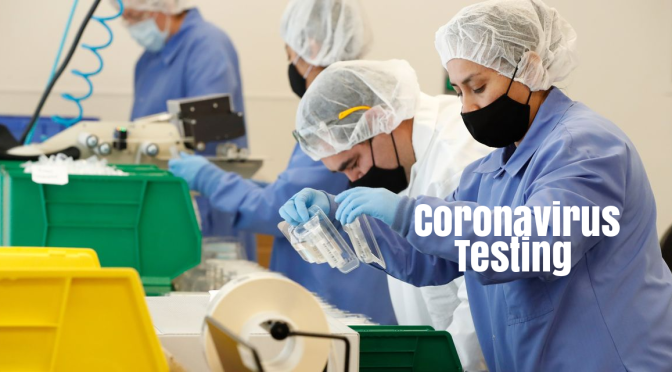
 To reopen the economy safely, experts estimate the U.S. will need to administer millions of tests every month.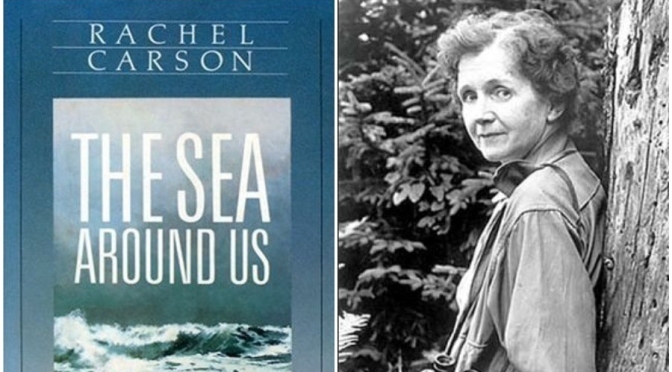
 Before she published “Silent Spring,” one of the most influential books of the last century, Rachel Carson was a young aspiring poet and then a graduate student in marine biology. Although she couldn’t swim and disliked boats, Carson fell in love with the ocean. Her early books—including “
 Jill Lepore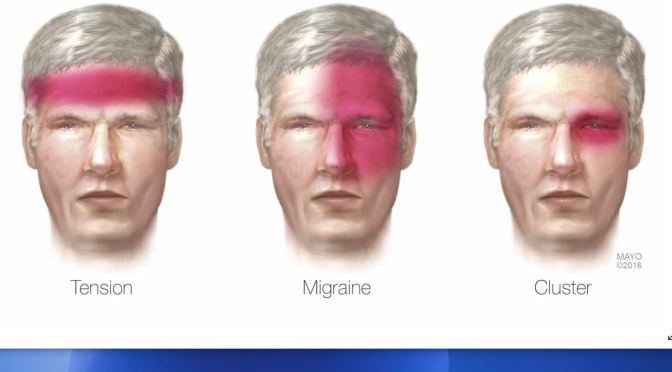
 Tension-type headaches can be either episodic or chronic. They are rarely disabling or associated with any significant autonomic phenomena, thus patients do not usually seek medical care and usually successfully self-treat. Unlike migraine, there is no significant nausea, no vomiting, and a lack of aggravation by routine physical activity.
 Donald G. McNeil Jr.
 Cardiovascular consults are way down. Is the threat of COVID-19 infection scaring people away from ED’s?
 A selection of three essential articles read aloud from the latest issue of The Economist. This week, is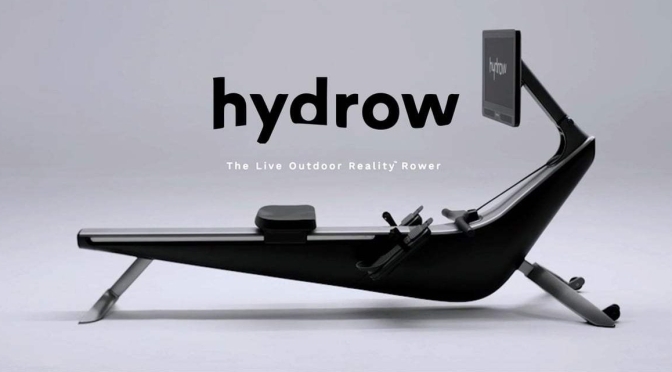
 As gyms are closed and many of us are stuck at home, it’s an opportune time for home fitness platforms. We speak to Bruce Smith, founder of Hydrow, while Jason de Savary of London’s Core Collective talks about the gym’s new CCTV platform.
 Life-long entrepreneur and rower, Head of the Charles winner, coached the US Lightweight Eight to a Bronze medal at the 2015 World Rowing Championships and former Executive Director of Community Rowing – Boston.
 Boomers Daily