
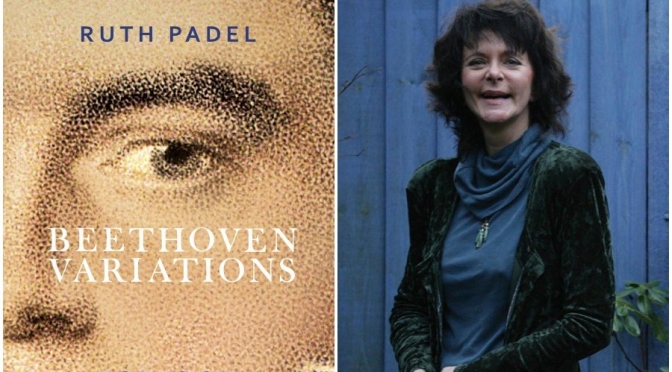
 Like Beethoven, the poet Ruth Padel first came to love and understand music through playing the viola. Her great grandfather, a concert pianist, studied music in Leipzig with Beethoven’s friend and contemporary. Her latest collection Beethoven Variations (Chatto) is simultaneously a biography in verse of the great composer and a passionate and highly personal account of how one creative genius can feed, and feed on, another.
 She was joined in an evening of readings and conversation about Beethoven, poetry and music by poets Raymond Antrobus and Anthony Anaxagorou, both of whom are currently engaged in creative projects working on and from the life and work of Beethoven.
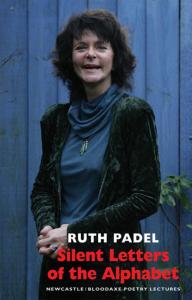 Ruth Sophia Padel (born 8 May 1946) is a British poet, novelist and non-fiction author, in whose work “the journey is the stepping stone to lyrical reflections on the human condition”. She is known for her explorations through poetry of migration and refugees,science, and homelessness; for her involvement in wildlife conservation, Greece, and music; and for her belief that poetry “connects with every area of life” and “has a responsibility to look at the world”. She is Trustee for conservation charity New Networks for Nature, has served on the Board of the Zoological Society of London, and broadcasts for BBC Radio 3 and 4 on poetry, wildlife and music. In 2013 she joined King’s College London, where she is Professor of Poetry.
Bio from Wikipedia
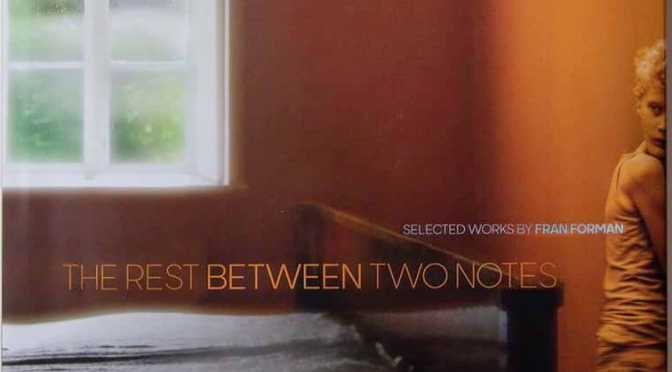
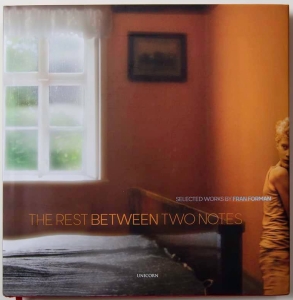 Forman’s photo-paintings explore those liminal and in-between moments – of coming and leaving, innocence and confidence, shadow and light, night and day, absence and connection, loss and longing, and not quite the past and not yet the future. Portals, both real and metaphorical, frequent her layered, complex and often dreamlike images.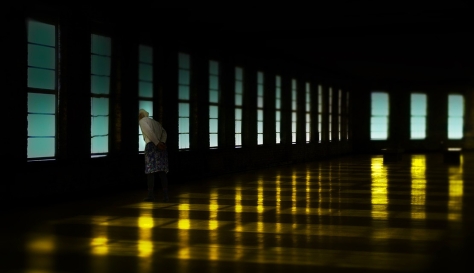
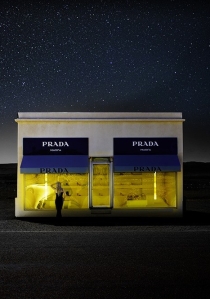 Her work is recognized for imbuing harmonious compositions and for her explosive use of color, light, and shadow.Forman’s images elicit emotions of desire, vulnerability, and a desperate longing for connections.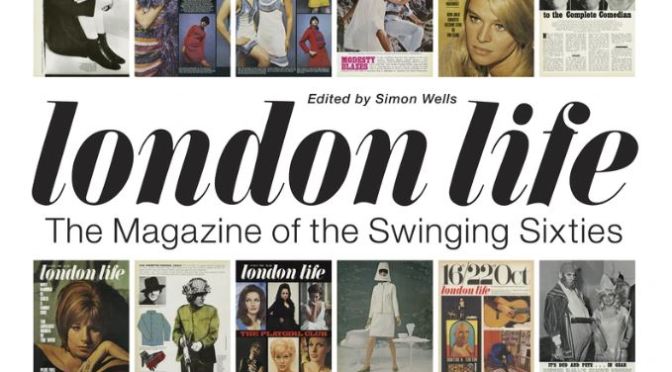
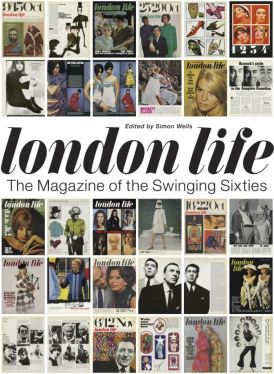 With imagery from the likes of David Bailey, Duffy and Terence Donovan, designs from Peter Blake, David Hockney, Gerald Scarfe and fledgling artist Ian Dury plus words and opinions from those riding high on the city`s cutting-edge, London Life remains the coolest document from the capital’s most exciting period.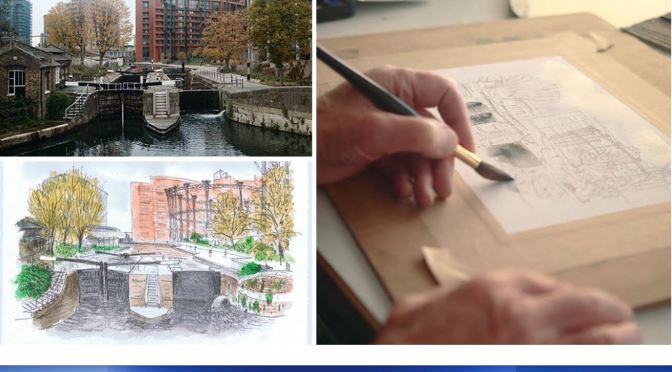
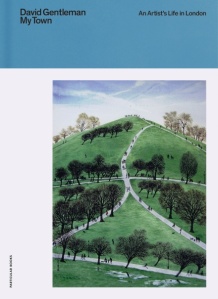 well-known capital city, his most recent book,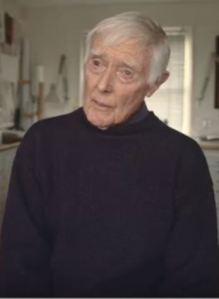
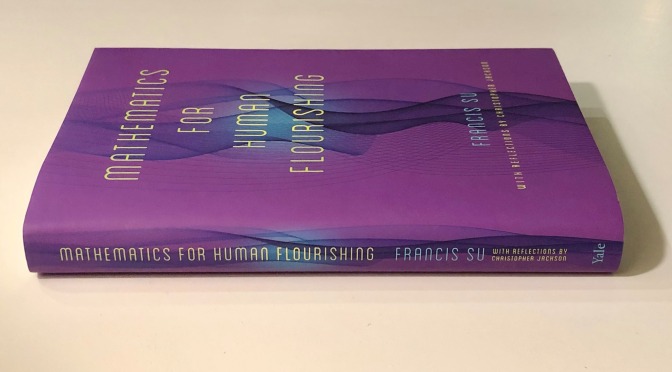
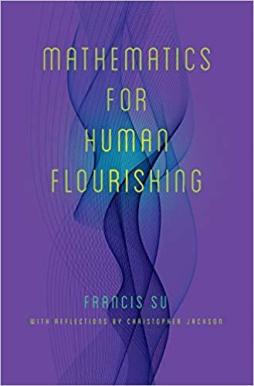 For mathematician Francis Su, a society without mathematical affection is like a city without concerts, parks, or museums. To miss out on mathematics is to live without experiencing some of humanity’s most beautiful ideas.
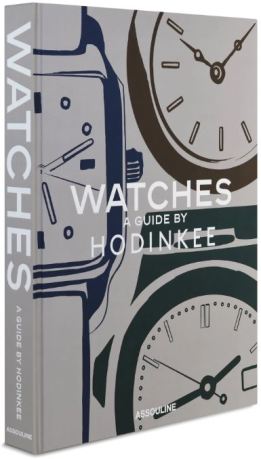 For our debut, we wanted to do something that would appeal to anyone and everyone who has the slightest interest in watches. Whether you are new to the game or have been scouring flea markets since you could walk, we want you to be able to pick up this book and gain a greater understanding of watches and all they have to offer.
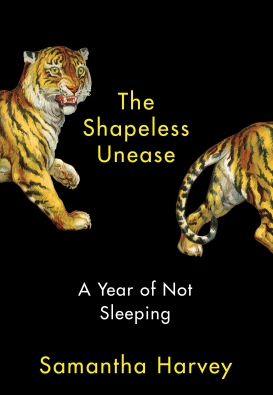 In 2016, Samantha Harvey began to lose sleep. She tried everything to appease her wakefulness: from medication to therapy, changes in her diet to changes in her living arrangements. Nothing seemed to help.
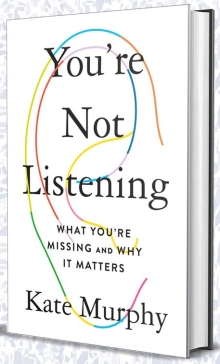 “When you listen and really grasp what another person is saying, your brainwaves and those of the speaker are literally in sync. By looking at brain scans, neuroscientists have found that the greater overlap and similarity of neural impulses between speaker and listener, the greater the understanding. It’s observable, measurable proof of listening, comprehension, and connection. You know it’s happening when you have that “Oh I get it” moment or sense of clarity when someone else is talking. You’re on the same wavelength, even if you don’t necessarily agree.”
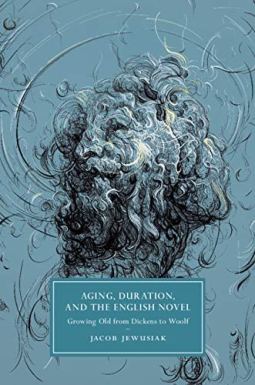 Aging, Duration, and the English Novel argues that the formal disappearance of aging from the novel parallels the ideological pressure to identify as being young by repressing the process of growing old. The construction of aging as a shameful event that should be hidden – to improve one’s chances on the job market or secure a successful marriage – corresponds to the rise of the long novel, which draws upon the temporality of the body to map progress and decline onto the plots of nineteenth-century British modernity.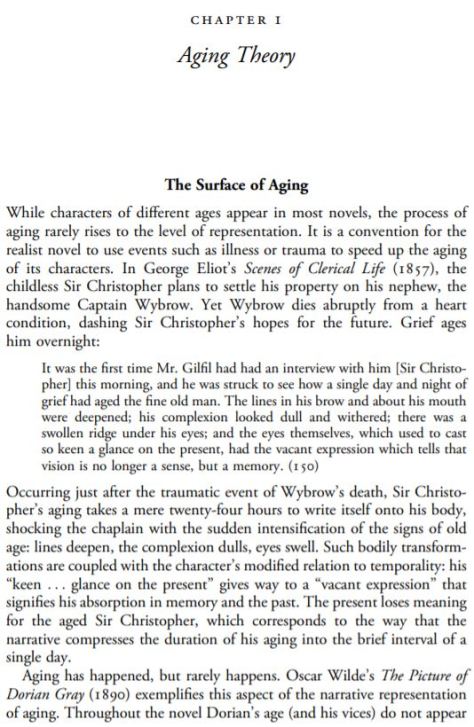
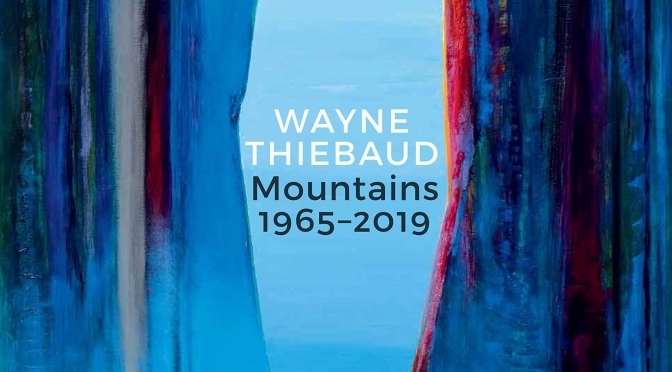
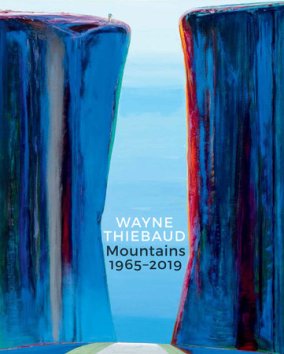 In the 2000s, California-based painter Wayne Thiebaud began focusing on a series of mountain paintings, a subject he had first addressed in the 1960s and 1970s. Rendered in his signature confectionary palette, these colorful works combine memories of mountains he had seen in childhood and observations of the summits of the Sierra Nevada Range in Yosemite. With their heroic, exaggerated proportions and unusual perspectives, these paintings seem to combine fiction and reality. Conveying a sense of the sublime and the vast magnitude of our surroundings, they draw upon the history of landscape painting of the American West.
 Boomers Daily