


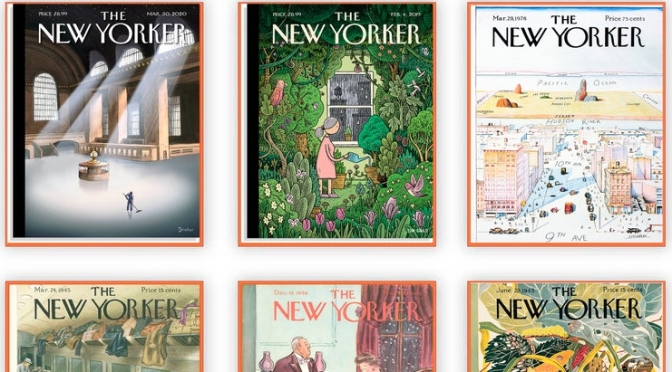
Studies increasingly suggest that a healthy nation depends on a healthy democracy. By Dhruv Khullar
“Hillbilly Elegy” made him famous, and his denunciations of Donald Trump brought him liberal fans. Now, as a Vice-Presidential candidate, he’s remaking his image as the heir to the MAGA movement. By Benjamin Wallace-Wells
As the war grinds on, logistical challenges are compounded by politics, repeated evacuations, and…By Dorothy Wickenden
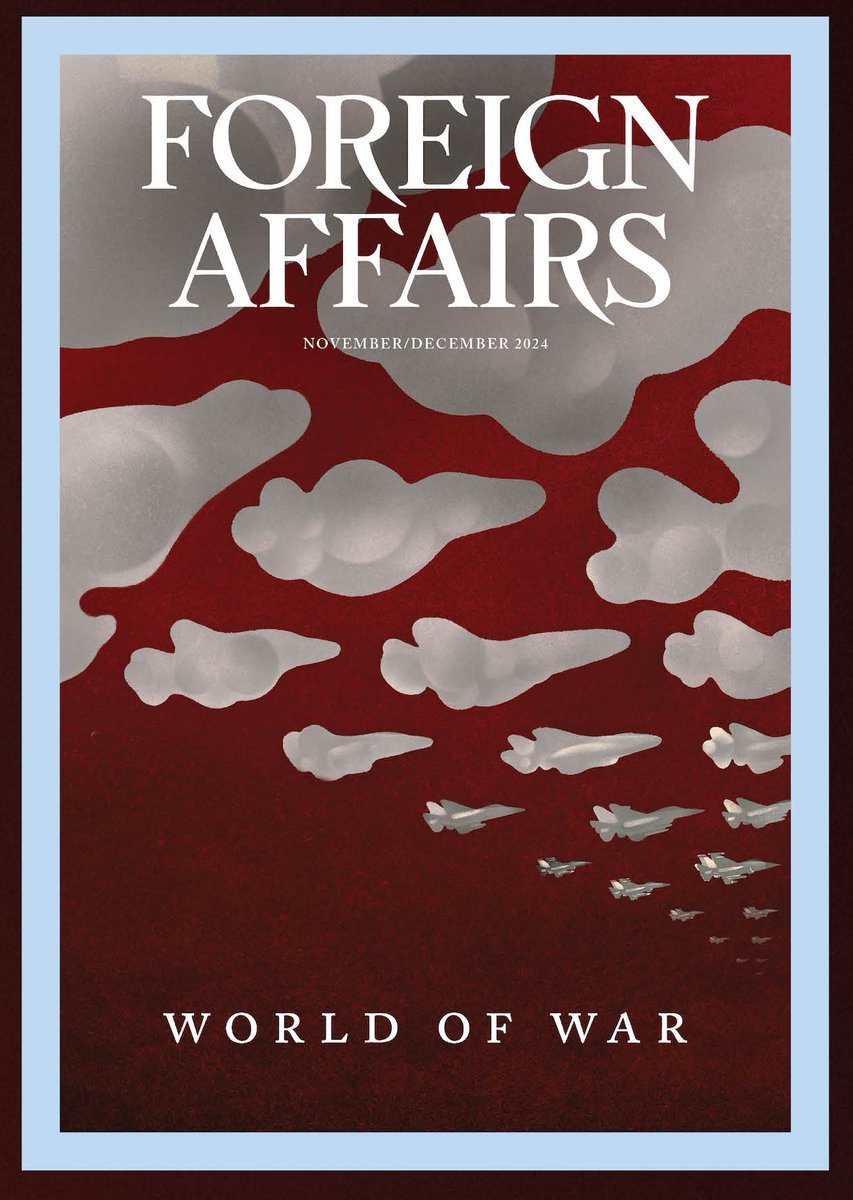
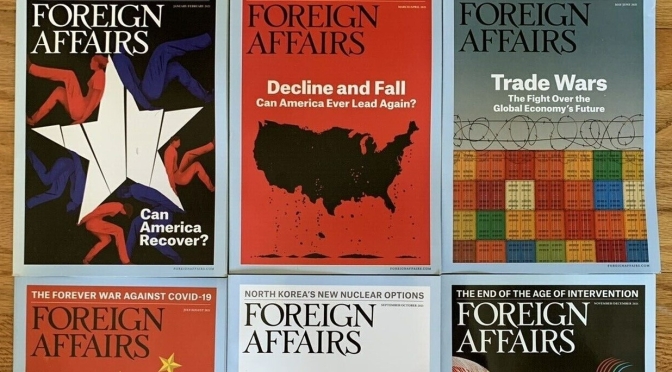
Understanding—and Preparing for—a New Era of Comprehensive Conflict
By Mara Karlin
Managing Risk in the Face of Escalation


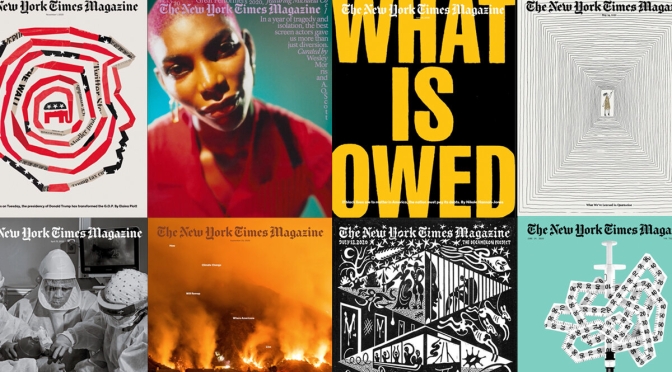
THE NEW YORK TIMES MAGAZINE (October 27, 2024): The latest issue features David Gaubey Herbert on building a cheerleading empire; Elisabeth Zerofsky on the historian Robert Paxton; Jonathan Mahler on the tech billionaires who became major G.O.P. donors; and more.
For decades, the sport has been shaped in large part by one company — and one man.
Nikki Jennings started cheering when she was 4 years old. She was small and flexible and became a flyer, a human baton spinning and twisting through the air before being caught by teammates. Until sometimes she wasn’t: She got her first concussion in the third grade.
Robert Paxton thought the label was overused. But now he’s alarmed by what he sees in global politics — including Trumpism.


Overcrowding leads to violence. Violence worsens a staffing crisis. A staffing crisis impedes rehabilitation
With two weeks to go, the Republican candidate now has a slight lead
Why Israel is now bombing Lebanese banks
He hopes this week’s BRICS summit will spark a sanctions-busting big bang


New research points to some surprising answers.
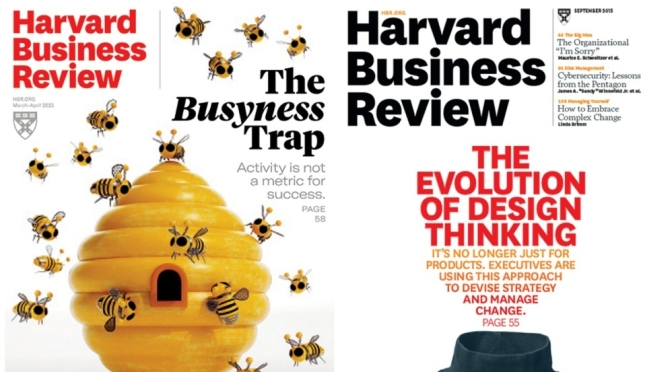
The so-called war for talent is still raging. But in that fight, employers continue to rely on the same hiring and retention strategies they’ve been using for decades. Why? Because they’ve been so focused on challenges such as poaching by industry rivals, competing in tight labor markets, and responding to relentless cost-cutting pressures that they haven’t addressed a more fundamental problem: the widespread failure to provide sustainable work experiences. To stick around and give their best, people need meaningful work, managers and colleagues who value and trust them, and opportunities to advance in their careers, the authors say. By supporting employees in their individual quests for progress while also meeting the organization’s needs, managers can create employee experiences that are mutually beneficial and sustaining.
The five dimensions to consider—and how AI can help
More than 80% of respondents in a BCG survey of 5,000 global consumers say they want and expect personalized experiences. But two-thirds have experienced personalization that is inappropriate, inaccurate, or invasive. That’s because most companies lack a clear guidepost for what great personalization should look like.
Authors Mark Abraham and David C. Edelman remedy that in this article, which is adapted from Personalized: Customer Strategy in the Age of AI (Harvard Business Review Press, 2024). Drawing on decades of work consulting on the personalization efforts of hundreds of large companies, they have built the defining metric to quantify personalization maturity: the Personalization Index. It is a single score from 0 to 100 that measures how well companies deliver on the five promises they implicitly make to customers when they personalize an interaction.
The authors argue that personalization will be the most exciting and most profitable outcome of the emerging AI boom. They describe how companies can use AI to create and continually refine personalized experiences at scale—empowering customers to get what they want faster, cheaper, or more easily. And they show readers how to assess their own business’s index score.

A.K.A., the oldest Black sorority, expects excellence and complete discretion. How are members responding to their most famous sister’s Presidential campaign? By Jazmine Hughes
A group of intelligence officials confers about when to alert the public to foreign meddling. By David D. Kirkpatrick
The former President has been fighting to win back his wealthiest donors, while actively courting new ones—what do they expect to get in return? By Susan B. Glasser
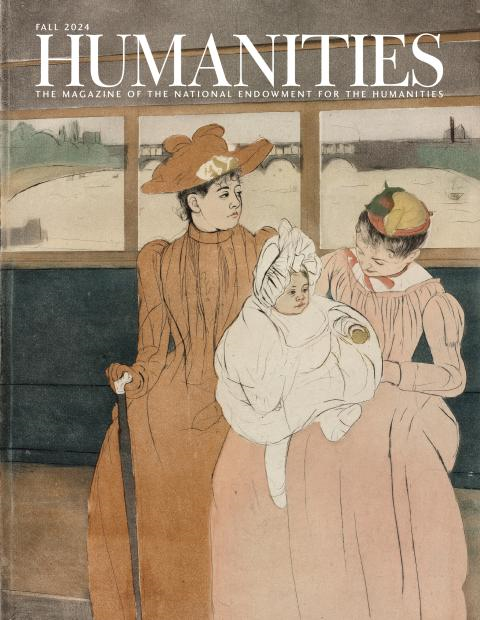

Humanities Magazine (October 20, 2024): The Fall 2024 Issue features…

A major exhibition takes us inside the private, busy lives of women by Angelica Aboulhosn

A new digital project looks at the forgotten history of America’s submerged communities by Anna Webb
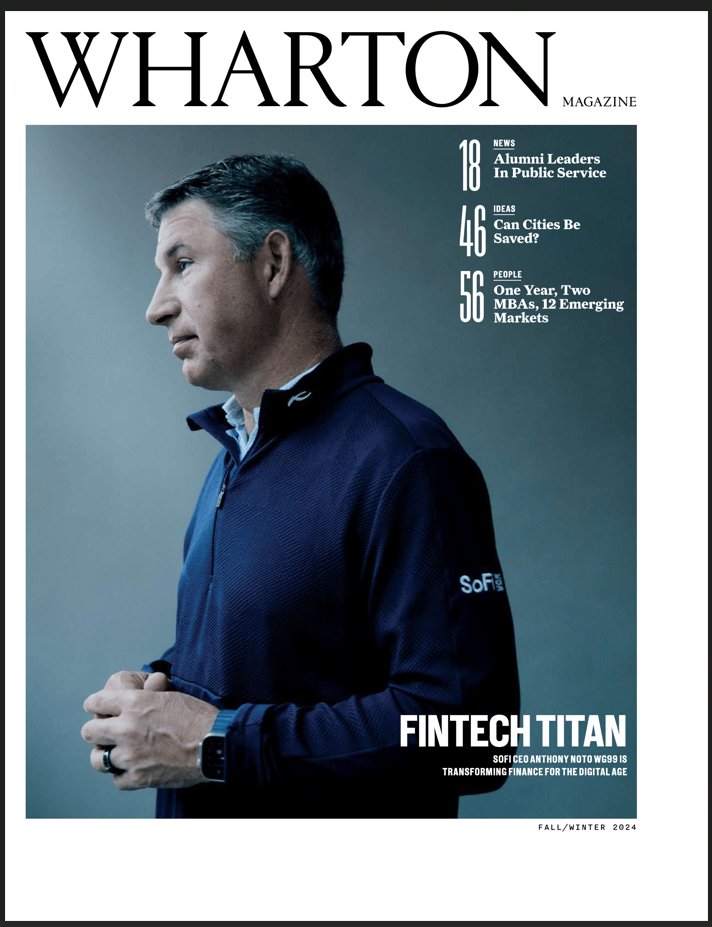
Wharton Magazine (October 19, 2024): The latest issue features Fintech Titan…
Noto looks back at lessons learned across his career (including his time at the NFL and Twitter), examines the state of fintech today, and forecasts what’s needed for success amidst “profound change” that lies ahead in the financial-services sector.
Wharton faculty research suggests that how cities navigate the next few years could mean the difference between urban flight and a renaissance that outpaces the aughts.
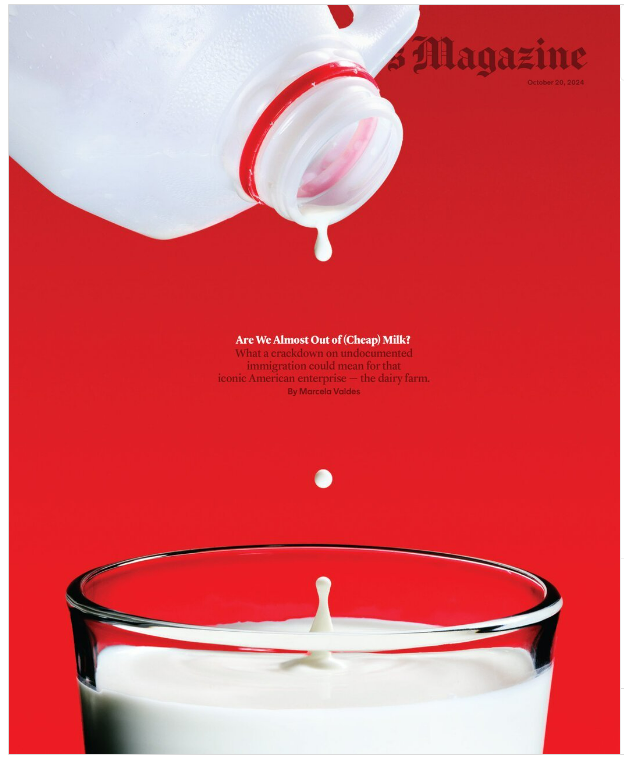
THE NEW YORK TIMES MAGAZINE (October 19, 2024): The latest issue features Undocumented labor quietly props up much of the American economy — nowhere more than on dairy farms. What would a crackdown mean for milk?
Elon Musk and a group of Silicon Valley allies have built a shadow campaign to put Donald Trump back in office.
A decade and a quarter of a billion dollars later, students and faculty are more frustrated than ever.
By Nicholas Confessore

 Boomers Daily