Tag Archives: Magazines

Cover Preview: Science Magazine – July 1, 2022

Image

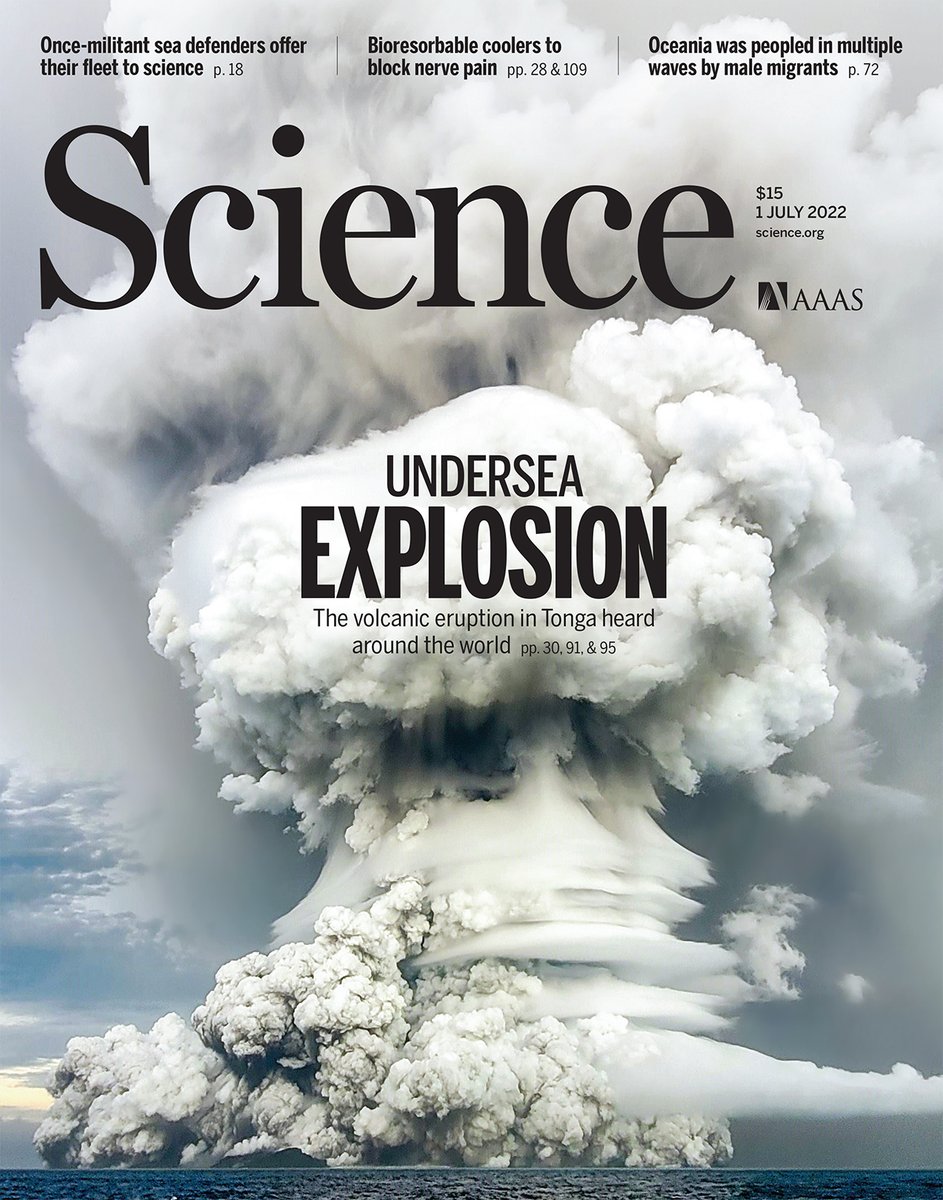
An ash and gas plume rises from Hunga volcano, Tonga, on 14 January 2022. Global geophysical observations reveal that the climactic eruption that followed on 15 January produced a broad range of atmospheric waves, with pressure wave amplitudes comparable with those from the 1883 Krakatau eruption. While propagating over the world’s oceans, the remarkable atmospheric waves generated complex fast-traveling tsunamis. See pages 3091, and 95.

Photo: Taaniela Kula, Tonga Geological Services

United Kingdom set to abandon EU funding and go it alone
  • Horizon Europe grants held hostage over Brexit dispute

Silence greets requests to flag retracted studies

Authors and editors ignored warnings about citing noted fraudster, exposing a problem in scholarly publishing

Hidden carbon layer sparked ancient bout of global warming

Deep carbon exhumed by volcanic rift between Greenland and Europe implicated in 56-million-year-old hothouse
Previews: The Florentine Magazine – July/Aug 2022

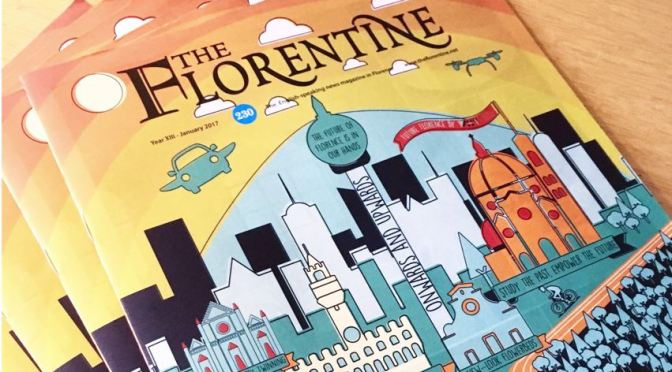
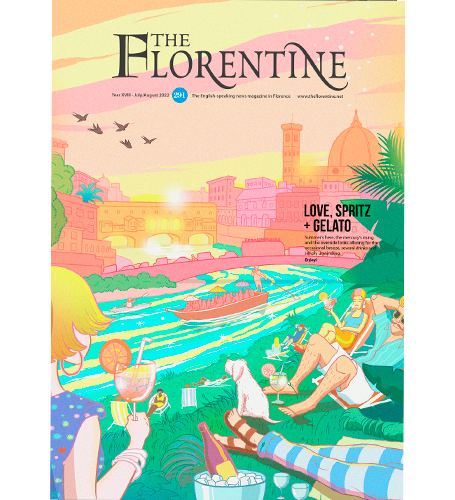
The Florentine July/August 2022 

Love, Spritz + Gelato

My forearms are sticking to the desk as I type this month’s letter. It’s an irksome feeling that’s offset by last night’s joy of dancing wildly at a wedding and an afternoon dip in a kind friend’s swimming pool. Summer in Florence is an intoxicating mix of sweat, fun and gelato. While many of us escape to our countries of origin for as long as we can, there’s something undeniably alluring about these sun-streaked months in Tuscany. Just think back to movies such as Stealing Beauty and Under the Tuscan Sun before fast forwarding to recent Netflix films Toscana and Love & Gelato. Stereotypes aside—and there are far too many to mention in these productions (Netflix, we’re here if you fancy delving deeper into our city and region!)—summer in Florence never stops working its inexplicable magic. Yes, the wall of heat and buzz of mosquitoes may be draining during the day, but the night brings boundless pleasures, from movie nights by the Uffizi to exhibitions at just-reopened Forte di Belvedere, refreshing beers beside the Arno and brilliantly oddball cultural moments such as a wheat threshing festival in the hills (find out more about that gem on page 16).  

Preview: The Economist Magazine – July 2, 2022

Image

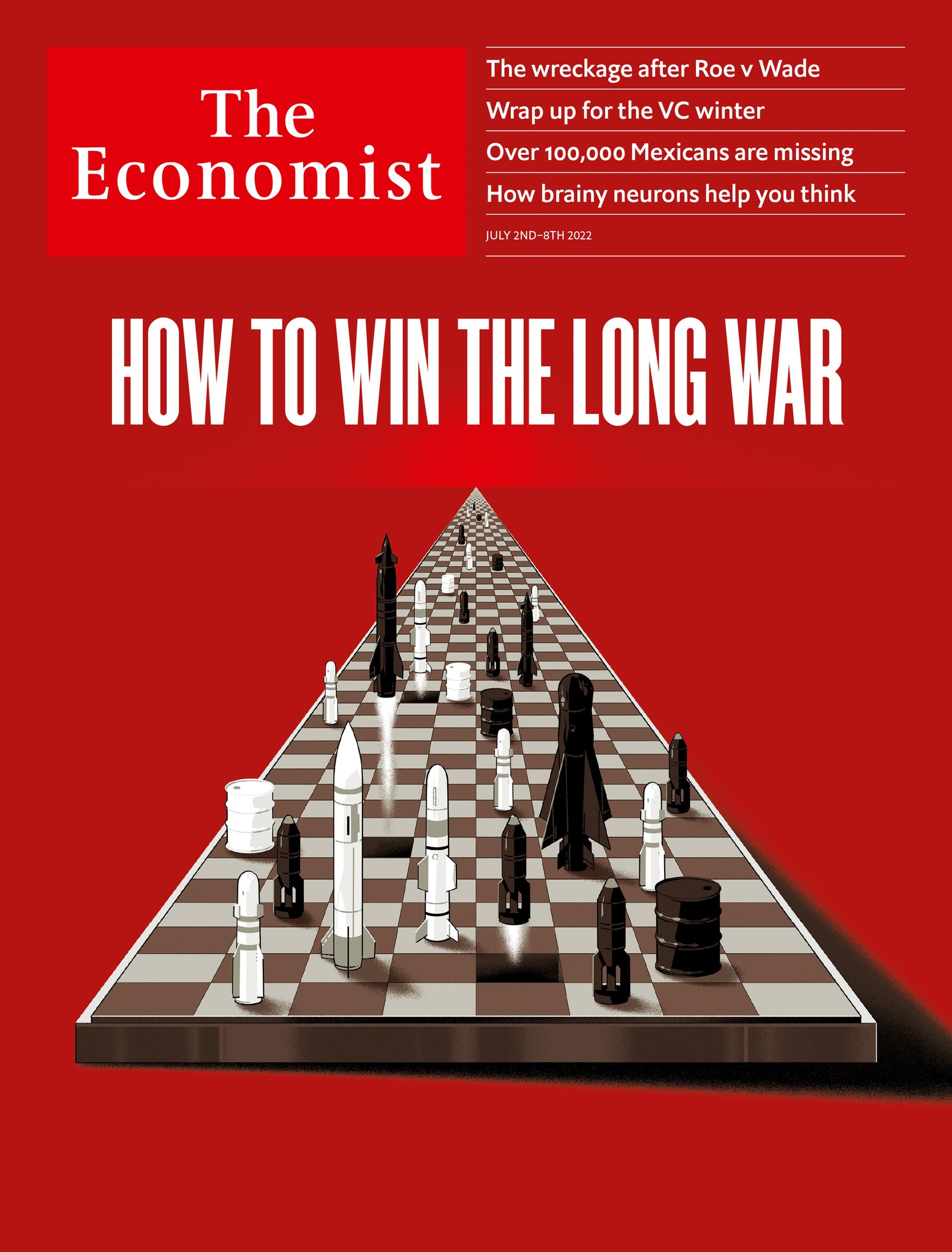
Ukraine won the short war. Now comes the long war, and so far, Russia is winning. But it does not have to be fought on Vladimir Putin’s terms

Ukraine won the short war. Mobile and resourceful, its troops inflicted terrible losses and confounded Russian plans to take Kyiv. Now comes the long war. It will drain weapons, lives and money until one side loses the will to fight on. So far, this is a war that Russia is winning.

In recent days its forces have taken the eastern city of Severodonetsk. They are advancing on Lysychansk and may soon control all of Luhansk province. They also threaten Slovyansk, in the north of next-door Donetsk. Ukrainian leaders say they are outgunned and lack ammunition. Their government reckons as many as 200 of its troops are dying each day.

Read more: https://econ.trib.al/tGgFvii

Cover Preview: Nature Magazine – June 30, 2022

Volume 606 Issue 7916

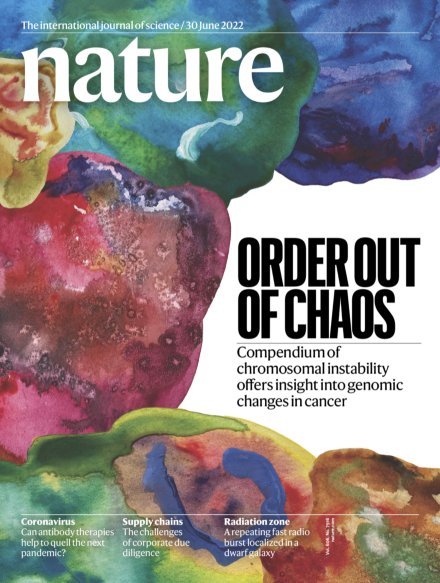
Order out of chaos

The cover shows an artistic representation of various cancer cells. The large-scale gains, losses and rearrangements of DNA seen in chromosomal instability are a typical feature of cancer — but there is no comprehensive framework to decode the causes of this genomic variability and their possible links to disease. In this week’s issue, Florian Markowetz, Geoff Macintyre and their colleagues present such a framework with a compendium of 17 signatures of chromosomal instability that can be used to predict how tumours might respond to drugs and that help to identify future therapeutic targets. The team created the compendium by examining 7,880 tumours representing 33 types of cancer. In a separate paper, Nischalan Pillay and colleagues examined 9,873 cancers to generate 

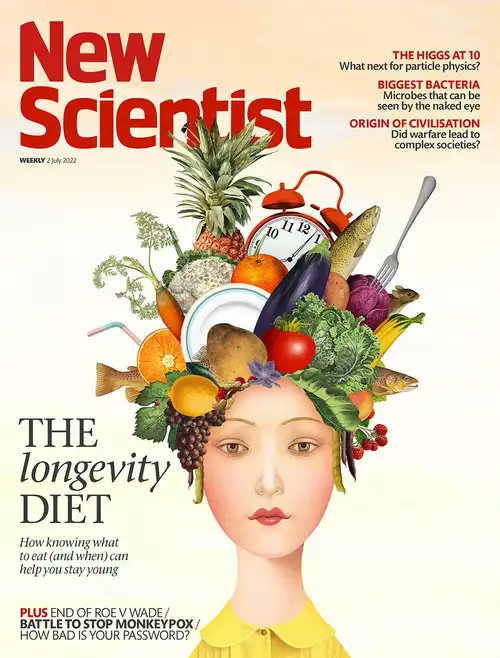
Preview: New Scientist Magazine – July 2, 2022

Image

How readily should we swallow the idea of diets that delay ageing?

The promise of a new diet that can add as much as a decade to your life is certainly tempting – and might well be proven to work – but for now should be swallowed with a pinch of salt

  • FEATURES Ten years after the Higgs discovery, what now for particle physics?
  • NEWS 75 per cent of the world’s top websites allow bad passwords
  • NEWS Largest known bacteria in the world are visible to the naked eye
  • NEWS Was warfare responsible for the origin of complex civilisation?

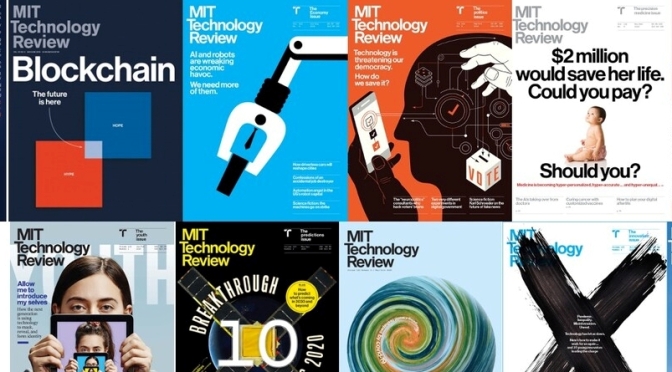
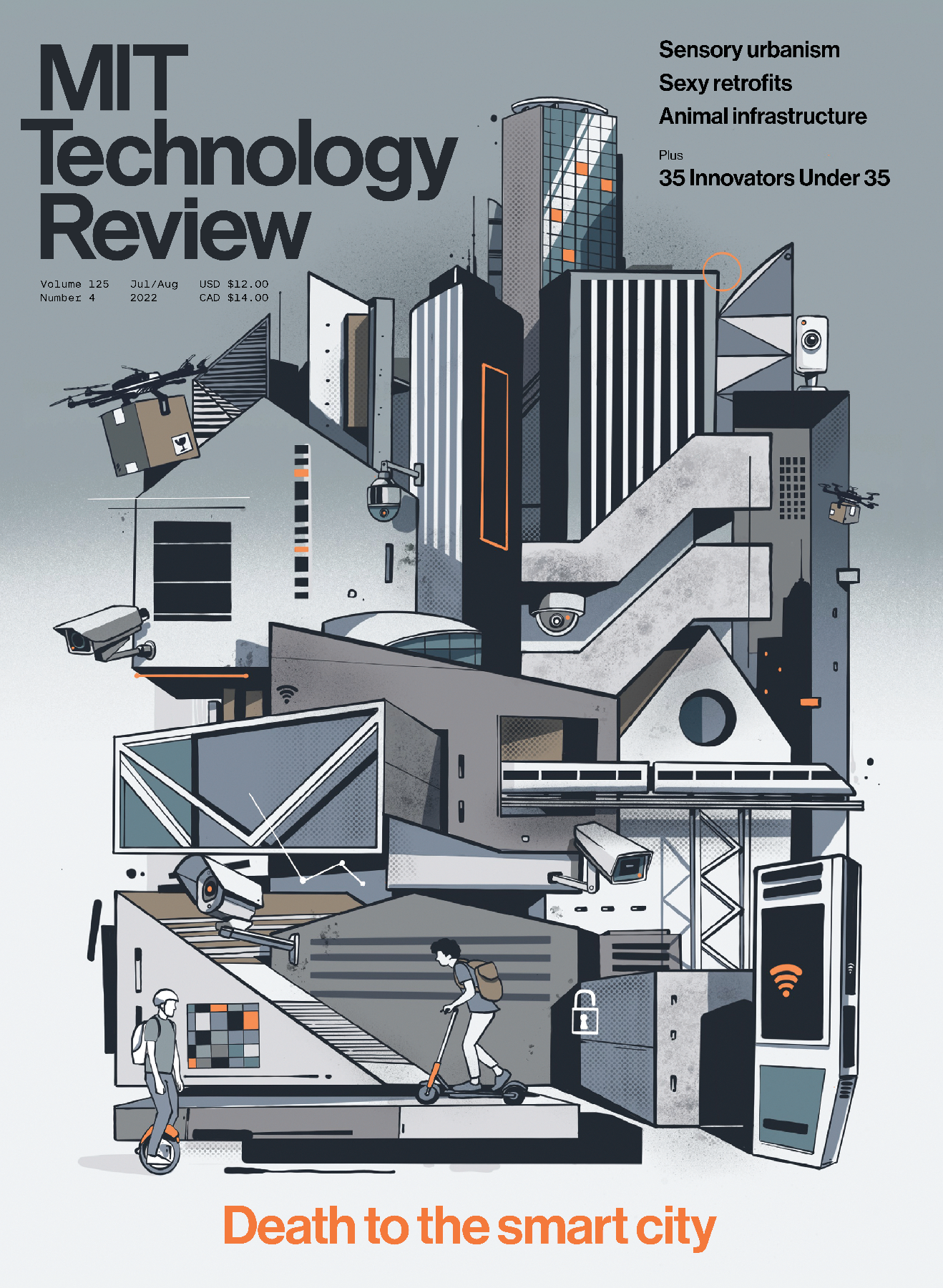
Preview: MIT Technology Review – July/August 2022

JA22 cover

The Urbanism issue

July/August 2022

Is technology making cities better—or worse? A deep dive into what we stand to lose in the pursuit of efficiency and convenience.

Read the issue

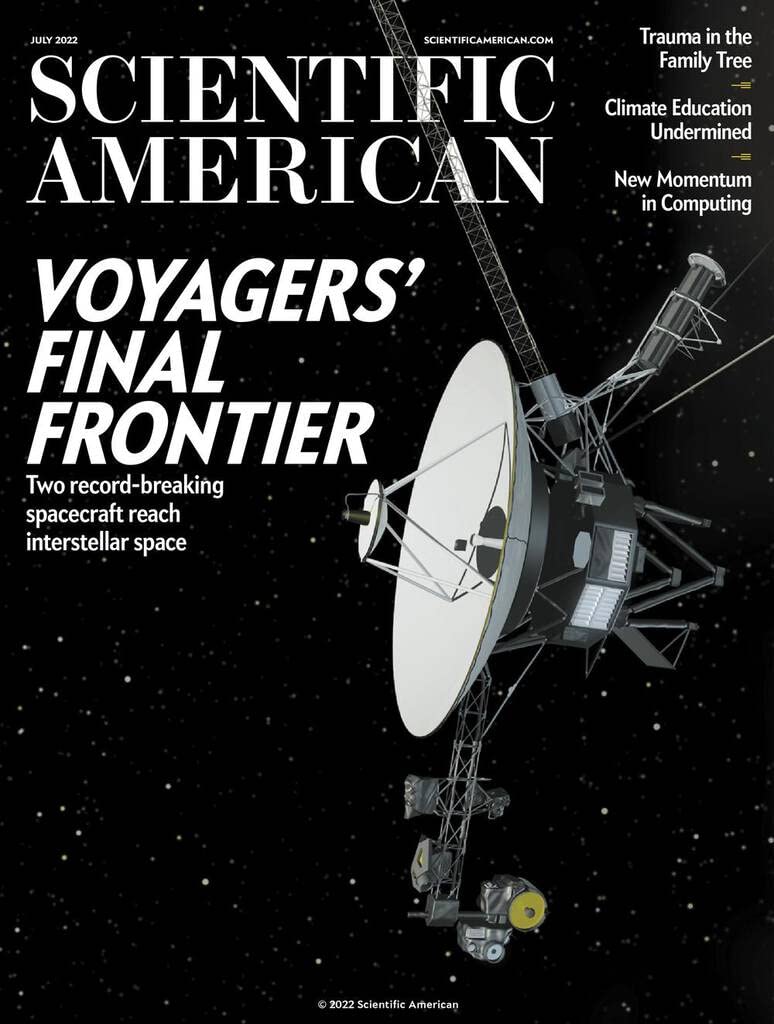
Cover Preview: Scientific American – July 2022

SPACE EXPLORATION

Record-Breaking Voyager Spacecraft Begin to Power Down

The pioneering probes are still running after nearly 45 years in space, but they will soon lose some of their instruments

By Tim Folger

EDUCATION

Subverting Climate Science in the Classroom

Oil and gas representatives influence the standards for courses and textbooks, from kindergarten to 12th grade

By Katie Worth

PSYCHOLOGY

How Parents’ Trauma Leaves Biological Traces in Children

Adverse experiences can change future generations through epigenetic pathways

By Rachel Yehuda

EVOLUTION

Toxic Slime Contributed to Earth’s Worst Mass Extinction–And It’s Making a Comeback

Global warming fueled rampant overgrowth of microbes at the end of the Permian period. Such lethal blooms may be on the rise again

By Chris Mays, Vivi Vajda and Stephen McLoughlin

COSMOLOGY

Astronomers Gear Up to Grapple with the High-Tension Cosmos

A debate over conflicting measurements of key cosmological properties is set to shape the next decade of astronomy and astrophysics

By Anil Ananthaswamy

COMPUTING

‘Momentum Computing’ Pushes Technology’s Thermodynamic Limits

Overheating is a major problem for today’s computers, but those of tomorrow might stay cool by circumventing a canonical boundary on information processing

By Philip Ball

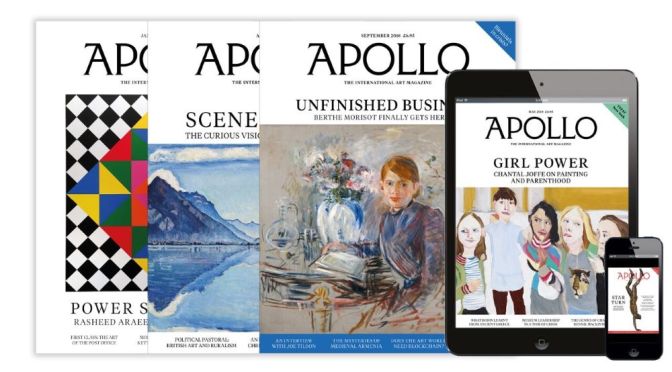
International Art: Apollo Magazine – July/Aug 2022

• The Russian artists making a stand against the war

• An interview with Gabriele Finaldi, director of the National Gallery

• The miniature marvels of Charles Paget Wade

• A Yoruba masterpiece in focus

Plus: London’s art market after Brexit, the Huntington Library comes up to speed, the beauty of banality, and reviews of Maillol’s sculptures, gilded manuscripts and Van Leo’s photographs of Cairo

Read more