
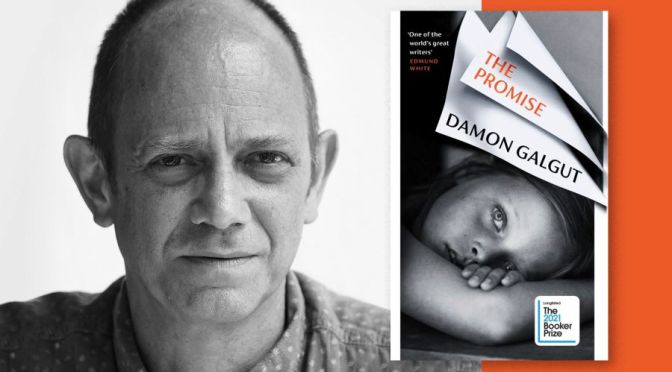
We are delighted to announce that the winner of the #2021BookerPrize is 'The Promise' by Damon Galgut! Watch Damon’s winner’s interview live on the BBC now: https://t.co/AV21wqAtaD@ChattoBooks @vintagebooks @penguinrandom pic.twitter.com/TeC0WvN9k9
— The Booker Prizes (@TheBookerPrizes) November 3, 2021
Tag Archives: Literature
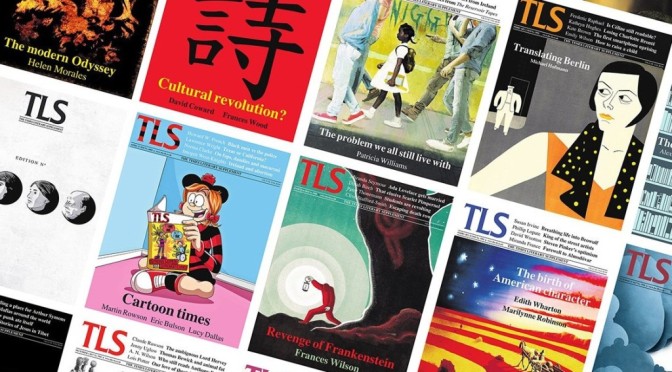
Previews: Times Literary Supplement – November 5
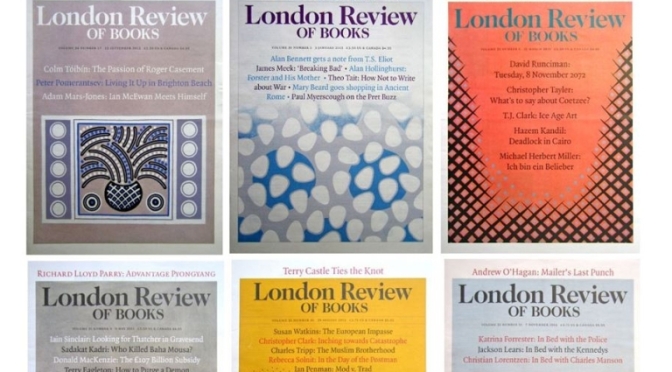
Previews: London Review Of Books – November 4
Previews: Times Literary Supplement – October 22
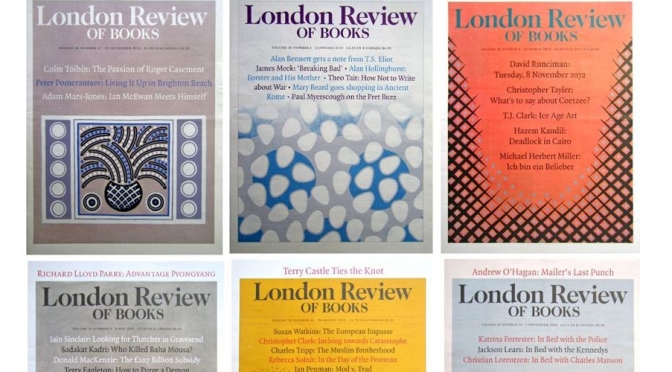
Cover Preview: London Review Of Books – OCT 21
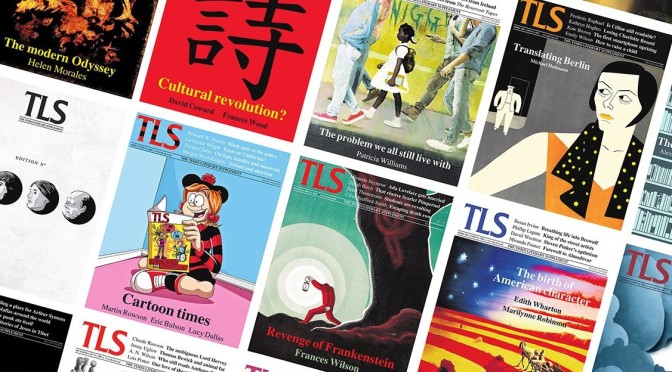
Previews: Times Literary Supplement – October 15
Previews: Times Literary Supplement (TLS) – OCT 1
Previews: Times Literary Supplement – September 24
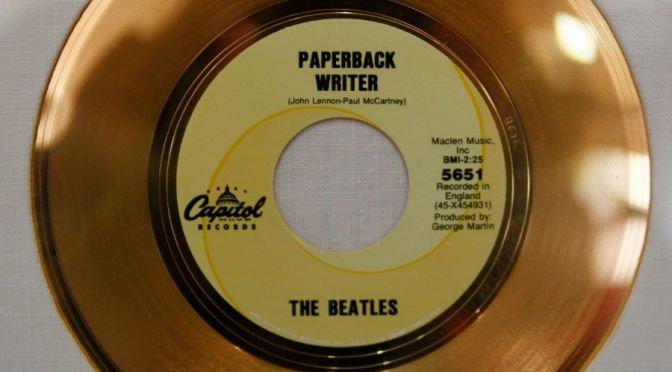
Views: Influences Of Pop Music On Literature
An important moment in the relationship between pop music and writing occurred in 2017 when the Nobel prize in literature was awarded to Kazuo Ishiguro. The previous year, it had gone to Bob Dylan.
In Long Players, a collection of short pieces by poets, novelists and journalists about the albums that have most affected them, a recurrent suggestion is that you can learn more about writing from songs than you can from books, especially when you’re young. “In my view, David Bowie was a great writer”, says Deborah Levy about The Rise and Fall of Ziggy Stardust and the Spiders from Mars (1972).
 Boomers Daily